33 Psi Tire Pressure Benefits You Should Know Today
33 psi tire pressure is a popular choice for many drivers because it offers a great balance of comfort, safety, and efficiency. Running your tires at 33 psi can improve fuel economy, extend tire tread life, and boost road grip. This guide covers everything you need to know about 33 psi tire pressure benefits and how to get the most out of your setup.
Have you ever wondered if your tire pressure is holding you back? Many drivers overlook this simple detail, but it can change everything about how your car feels on the road. 33 psi tire pressure is one of the most common and effective settings for everyday driving. In this guide, we will walk you through all the 33 psi tire pressure benefits you should know about today.
Whether you drive a pickup truck, an SUV, or a family sedan, getting your tire pressure right matters. It affects your fuel bill, your safety, and even how long your tires last. Let us dive into why 33 psi has become a go-to choice for so many drivers and what it can do for your vehicle.
Key Takeaways
- Better Fuel Economy: Proper 33 psi tire pressure reduces rolling resistance, helping you save gas over time.
- Longer Tire Life: Maintaining 33 psi promotes even tire wear, which means fewer replacements.
- Improved Safety: 33 psi gives you a solid balance of traction and handling on wet and dry roads.
- Comfortable Ride: This pressure level absorbs road bumps well, making daily driving more pleasant.
- Easy to Maintain: Checking and setting 33 psi is simple with a basic tire pressure gauge.
- Works for Many Vehicles: From trucks to SUVs, 33 psi fits a wide range of common cars and light trucks.
📑 Table of Contents
- What Is 33 Psi Tire Pressure?
- Top Benefits of Running 33 Psi Tire Pressure
- Which Vehicles Benefit Most from 33 Psi?
- How to Check and Set Your Tire Pressure to 33 Psi
- Common Mistakes to Avoid with 33 Psi Tire Pressure
- Expert Tips for Maintaining 33 Psi Tire Pressure
- 33 Psi Tire Pressure Benefits Comparison
- Key Takeaways
What Is 33 Psi Tire Pressure?
Tire pressure is measured in pounds per square inch, or PSI. 33 psi means the air inside your tire is pushing outward with 33 pounds of force per square inch. This number is a common recommendation for many light trucks, SUVs, and passenger cars.
Most vehicles come with a recommended tire pressure range listed on a sticker inside the driver door or in the owner manual. For many trucks and SUVs, 33 psi falls right in the middle of that range. It is not too high and not too low. It strikes a balance that works well for daily driving, highway cruising, and even light off-road use.
Keep in mind that every vehicle is different. Always check your owner manual or the door jamb sticker before setting your pressure. But for many drivers, 33 psi is a safe and reliable starting point.
Top Benefits of Running 33 Psi Tire Pressure
Better Fuel Economy
One of the biggest reasons drivers choose 33 psi tire pressure is fuel savings. When your tires are properly inflated, they roll more easily across the road. This reduces what is called rolling resistance. Less resistance means your engine does not have to work as hard. The result? You use less gas.
Studies show that underinflated tires can lower fuel economy by up to 3 percent. On the flip side, tires set to the right 33 psi help your engine run efficiently. Over time, those small savings add up at the pump.
Here are a few quick tips to maximize fuel savings with 33 psi:
- Check your tire pressure every two weeks.
- Always measure pressure when tires are cold, before driving.
- Use a quality digital tire pressure gauge for accuracy.
- Keep a log of your pressure readings and fuel mileage.
Longer Tire Tread Life
Tires are expensive. Nobody wants to replace them sooner than they need to. 33 psi tire pressure helps your tires wear evenly across the tread surface. When pressure is too low, the outer edges of the tread wear out fast. When pressure is too high, the center wears down too quickly.
With 33 psi, you get a nice even wear pattern. This means your tires last longer and you get more miles out of every set. For many drivers, this alone makes 33 psi worth the effort.
Want to protect your tires even further? Consider using tire armor products from Auto Snap Parts. These coatings help shield your tire sidewalls from UV damage, cracks, and weather wear.
Improved Safety and Road Grip
Safety always comes first on the road. 33 psi tire pressure gives your tires the right amount of contact with the pavement. This means better grip, especially in wet or rainy conditions.
Underinflated tires can overheat and increase the risk of blowouts. Overinflated tires have a smaller contact patch, which reduces traction. 33 psi hits a sweet spot that keeps you safe in most driving situations.
Here is how 33 psi boosts safety:
- Shorter braking distances on wet roads.
- Better cornering stability around curves.
- Reduced risk of blowouts from overheating.
- More predictable handling in emergency situations.
More Comfortable Ride Quality
Nobody likes a bumpy, harsh ride. 33 psi gives your tires enough cushion to absorb road imperfections. Potholes, speed bumps, and rough pavement feel much smoother when your pressure is set correctly.
This pressure level is especially popular among truck and SUV owners. It provides a comfortable ride without feeling too soft or too stiff. You get the best of both worlds with 33 psi.
Better Tire Pressure Monitoring System Accuracy
Most modern vehicles come with a Tire Pressure Monitoring System, or TPMS. These sensors alert you when pressure drops too low. When you set your tires to 33 psi, your TPMS stays in its normal range. This means fewer false warnings and more reliable alerts.
If you frequently drive with low pressure, your TPMS light will come on often. That gets annoying fast. Keeping your tires at 33 psi helps your monitoring system work as it should.
Which Vehicles Benefit Most from 33 Psi?
Light Trucks and Pickups
Many light trucks and pickups come from the factory with a recommended pressure around 33 psi. This includes popular models like the Ford F-150, Chevrolet Silverado, and Toyota Tacoma. These vehicles often carry heavy loads, and 33 psi gives them the support they need.
If you use your truck for work, hauling, or towing, keeping pressure at 33 psi is essential. It helps your tires handle the extra weight safely and efficiently.
SUVs and Crossovers
SUVs and crossovers also do well at 33 psi. These vehicles are heavier than sedans, so they need a bit more air in the tires. 33 psi provides a stable and comfortable ride for families and daily commuters alike.
Popular SUVs like the Honda CR-V, Toyota RAV4, and Ford Explorer often list 33 psi as their recommended pressure. Always double-check your specific model, but this number works for most.
Off-Road and All-Terrain Setups
For drivers who venture off the beaten path, 33 psi is a popular choice for all-terrain tires. This pressure gives you enough grip on dirt, gravel, and loose surfaces while still being safe for highway driving.
Some off-road enthusiasts lower their pressure even further for extreme trails. But for everyday off-roading and trail driving, 33 psi is a versatile and reliable option. You can pair this with quality tire armor coatings to keep your tires protected from rocks, mud, and debris.
How to Check and Set Your Tire Pressure to 33 Psi
Setting your tire pressure to 33 psi is simple and takes just a few minutes. Here is a step-by-step guide you can follow at home.
Step-by-Step Guide
- Find the recommended pressure. Check your door jamb sticker or owner manual. Confirm that 33 psi is right for your vehicle.
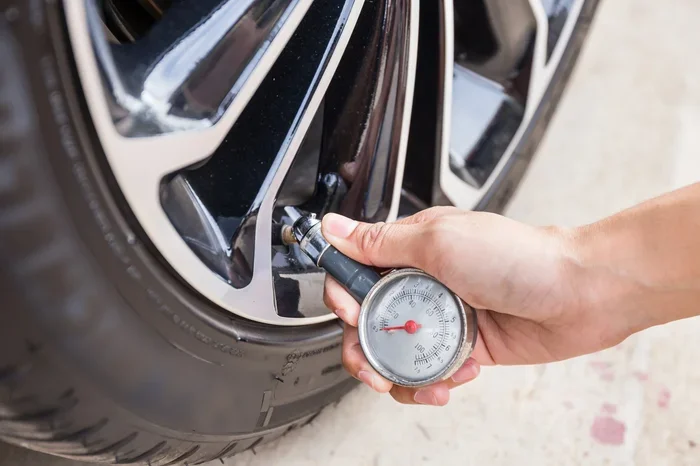
- Buy a good tire pressure gauge. A digital gauge is the most accurate option. You can find one at any auto parts store for under $15.
- Check pressure when tires are cold. Drive less than a mile before checking. Hot tires give false readings.
- Remove the valve cap. Press the gauge firmly onto the valve stem. Read the number on the display.
- Add or release air as needed. Use an air compressor at a gas station or a portable tire inflator to reach 33 psi.
- Replace the valve cap. This keeps dirt and moisture out of the valve stem.
Make it a habit to check your pressure at least once a month. Temperature changes can affect your readings too. Cold weather can lower pressure, while hot weather can raise it.
Common Mistakes to Avoid with 33 Psi Tire Pressure
Checking Pressure After Driving
One of the most common mistakes is checking tire pressure right after a long drive. Hot tires expand the air inside, giving you a higher reading. Always wait at least three hours after driving or check in the morning before you hit the road.
Ignoring the Spare Tire
Do not forget about your spare! Many people set their spare to 33 psi and then never check it again. A spare tire with low pressure is useless when you need it most. Check your spare pressure at least twice a year.
Relying Only on the TPMS Light
Your TPMS is a helpful safety tool, but it is not a replacement for regular checks. The light only comes on when pressure drops significantly. By the time it alerts you, your tires may already be underinflated for weeks. Get into the habit of manual checks.
Overinflating for No Reason
Some drivers think more air means better performance. That is not true. Overinflating above the recommended 33 psi can cause a harsh ride, uneven wear, and reduced grip. Stick to the manufacturer’s recommendation.
Expert Tips for Maintaining 33 Psi Tire Pressure
Keeping your tires at 33 psi is one thing. Maintaining that pressure over time is another. Here are some expert tips to help you stay on track.
Invest in a Quality Tire Pressure Gauge
The cheap pencil-style gauges at gas stations are often inaccurate. A digital gauge gives you precise readings every time. Look for one with a large display and easy-to-read numbers.
Set Seasonal Reminders
Temperature swings affect tire pressure significantly. A 10-degree drop in temperature can lower your pressure by about 1 PSI. Set a reminder to check your tires at the start of each season. This keeps your 33 psi setting consistent year-round.
Purchase a Portable Tire Inflator
A portable 12-volt tire inflator is a handy tool to keep in your trunk. It lets you top off your pressure on the go. Many models cost under $40 and can save you a trip to the gas station.
Rotate Your Tires Regularly
Even with perfect 33 psi pressure, tires wear differently depending on their position on the vehicle. Rotate your tires every 5,000 to 7,000 miles to promote even wear. This simple habit extends the life of your entire tire set.
Consider Tire Armor for Extra Protection
Once you have your pressure dialed in at 33 psi, why not protect your investment further? Tire armor coatings shield your sidewalls from cracking, fading, and weather damage. They also give your tires a clean, polished look. Check out the tire armor selection at Auto Snap Parts for top-rated products that work great with any 33 psi setup.
33 Psi Tire Pressure Benefits Comparison
To give you a clear picture, here is a quick comparison of how 33 psi stacks up against common alternatives.
| Pressure Setting | Fuel Economy | Tire Wear | Ride Comfort | Safety |
|---|---|---|---|---|
| 33 psi | Excellent | Even and Long | Comfortable | High |
| 28 psi (Underinflated) | Poor | Edge Wear | Soft but Risky | Lower |
| 38 psi (Overinflated) | Good | Center Wear | Harsh | Moderate |
As you can see, 33 psi delivers the best overall balance. It is not the absolute best in every single category, but it performs well across the board. That is why so many drivers and mechanics recommend it.
Key Takeaways
- Better Fuel Economy: Proper 33 psi tire pressure reduces rolling resistance, helping you save gas over time.
- Longer Tire Life: Maintaining 33 psi promotes even tire wear, which means fewer replacements.
- Improved Safety: 33 psi gives you a solid balance of traction and handling on wet and dry roads.
- Comfortable Ride: This pressure level absorbs road bumps well, making daily driving more pleasant.
- Easy to Maintain: Checking and setting 33 psi is simple with a basic tire pressure gauge.
- Works for Many Vehicles: From trucks to SUVs, 33 psi fits a wide range of common cars and light trucks.
To wrap things up, 33 psi tire pressure is a smart, practical choice for most drivers. It gives you better fuel economy, longer-lasting tires, improved safety, and a more comfortable ride. The benefits are clear and the effort to maintain this pressure is minimal. Whether you drive a truck, SUV, or crossover, setting your tires to 33 psi is one of the easiest ways to get more out of your vehicle.
Make it a routine to check your pressure monthly, invest in a quality gauge, and consider adding tire armor for extra protection. Small habits like these add up to big savings and a safer driving experience. Start today with 33 psi and feel the difference on your next drive.
Frequently Asked Questions
Is 33 psi good for all vehicles?
Not necessarily. Always check your owner manual or door jamb sticker first. While 33 psi works for many trucks and SUVs, some vehicles require a different pressure. Use the manufacturer’s recommendation as your guide.
Can 33 psi tire pressure improve my gas mileage?
Yes, it can. Properly inflated tires at 33 psi reduce rolling resistance, which helps your engine use less fuel. This is one of the most practical benefits of maintaining the right pressure.
How often should I check my tire pressure at 33 psi?
Check your tire pressure at least once a month. Also check it before long trips. Temperature changes can affect your readings, so regular checks keep you safe and efficient.
What happens if my tire pressure is below 33 psi?
Underinflated tires wear out faster on the outer edges of the tread. They also reduce fuel economy and can overheat, increasing the risk of a blowout. Always keep your pressure at or near the recommended level.
Do I need a special gauge to check 33 psi?
No special gauge is required, but a digital tire pressure gauge gives you the most accurate reading. Avoid relying solely on the pencil-style gauges at gas stations, as they are often off by a few PSI.
Can I run 33 psi with all-terrain tires?
Yes, 33 psi is a popular choice for all-terrain tires. It provides a good balance of on-road comfort and off-road grip. Just make sure to check your specific tire manufacturer’s recommended pressure range.