what sort of rope should you use to tow another car
Using the wrong rope to tow another car can cause serious damage or injury. The best options include nylon tow ropes, kinetic recovery straps, and polyester webbing rated for your vehicle’s weight. This guide walks you through every type, size, and safety tip you need to tow safely and confidently.
Sometimes life throws you a curveball. Your car breaks down on a deserted road, or maybe your friend’s vehicle got stuck in a muddy ditch. Whatever the reason, you need to tow another car, and the first question that comes to mind is: what sort of rope should you use to tow another car? The answer matters more than most people realize. Using the wrong rope can damage both vehicles, snap under pressure, or even cause a serious accident.
This guide breaks down every type of rope and strap you can use for vehicle towing. We will cover the pros and cons of each option, explain how to pick the right size, and share practical tips that keep you safe on the road. Whether you are dealing with a simple roadside rescue or a more complex emergency towing situation, you will find everything you need right here.
Key Takeaways
- Nylon tow ropes are the top choice: They stretch, absorb shock, and handle most towing jobs safely.
- Kinetic recovery straps work for stuck vehicles: They use elastic energy to pull cars free without damaging either vehicle.
- Always match rope strength to vehicle weight: Check the towing capacity and breaking strength before you start.
- Steel cables have limits: They are strong but dangerous if they snap under tension.
- Safety gear matters just as much as the rope: Use tow hooks, reflectors, and proper lighting.
- Know when to call a pro: Heavy vehicles, automatic transmissions, and long distances need professional help.
📑 Table of Contents
Types of Ropes and Straps for Towing
Not all ropes are created equal. When it comes to towing a vehicle, different materials and designs serve different purposes. Let us walk through the most common options so you can make an informed choice.
Nylon Tow Ropes
Nylon tow ropes are the go-to choice for most drivers. They are lightweight, durable, and designed specifically for pulling vehicles. Nylon has a natural stretch to it, which absorbs shock during towing. This stretch reduces the jolt that travels through both cars when you start pulling.
Most nylon tow ropes come in lengths between 20 and 30 feet. They are available in various diameters, typically ranging from 1/4 inch to 1 inch. The thicker the rope, the higher the breaking strength. For a compact car, a 1/4-inch rope rated for 6,000 pounds works well. For a larger SUV or truck, you want something closer to 1 inch with a rating above 30,000 pounds.
- Pros: Stretches to absorb shock, lightweight, easy to store, affordable.
- Cons: Can degrade in UV light over time, needs regular inspection for wear.
Polyester Webbing Straps
Polyester webbing straps are another solid option. They look like flat ribbons of strong fabric rather than round ropes. Many drivers prefer them because they are gentler on vehicle paint and bumpers. Unlike chains or cables, polyester straps will not scratch or dent the cars they connect to.
These straps are also resistant to moisture and UV damage. That makes them a great choice for outdoor storage. You will find polyester towing straps in widths from 1 inch to 4 inches, with breaking strengths matching the width. A 2-inch-wide strap typically handles up to 15,000 pounds.
- Pros: Gentle on paint, resistant to weather, wide load distribution.
- Cons: Less stretch than nylon, can fray if edges are not protected.
Kinetic Recovery Straps
If you have ever seen a car pulled out of a ditch or deep mud, there is a good chance a kinetic recovery strap was used. These straps are stretchy and elastic, designed to store energy and release it suddenly to jerk a stuck vehicle free. They are sometimes called “snatch straps.”
Kinetic ropes work differently from regular tow ropes. They do not pull steadily. Instead, they build up kinetic energy as they stretch and then release it in a powerful burst. This makes them ideal for recovery situations where a vehicle is stuck and needs a strong, sudden pull.
- Pros: Excellent for recovery from mud, sand, or snow, stores energy for powerful pulls.
- Cons: Dangerous if used incorrectly, not for steady towing, can snap if overloaded.
Steel Cables
Steel tow cables are the strongest option in terms of raw pulling power. They are thin but incredibly tough. You will often see steel cables used by tow truck professionals for heavy-duty vehicle towing.
However, steel cables come with serious risks. If a steel cable breaks under tension, it can snap back like a whip. This is extremely dangerous and can cause severe injuries or death. For this reason, many safety experts recommend avoiding steel cables for casual or DIY towing. They are best left to the professionals.
- Pros: Extremely strong, minimal stretch, resistant to abrasion.
- Cons: Dangerous if it snaps, heavy, can damage vehicles, not beginner-friendly.
Chain Ropes
Chain tow ropes combine the strength of metal with the flexibility of a rope. They are commonly used in off-road recovery and agricultural towing. Chain ropes are very durable and can handle heavy loads. However, they are heavy, stiff, and can damage vehicle finishes if not handled carefully.
- Pros: Very durable, handles heavy loads, resistant to abrasion.
- Cons: Heavy and stiff, can damage paint, dangerous if they fail under tension.
How to Choose the Right Rope for Towing
Choosing the right tow rope is not just about picking the strongest option. You need to match the rope to your specific situation. Here is what to consider.
Match the Rope to Vehicle Weight
Every vehicle has a towing capacity. This is the maximum weight the vehicle can safely pull. You will find this number in the owner’s manual or on a sticker inside the driver’s door jamb. Your rope’s breaking strength should be at least two to three times the weight of the vehicle being towed.
For example, if you need to tow a sedan that weighs 3,000 pounds, choose a rope with a breaking strength of at least 6,000 pounds. This safety margin gives you a buffer for sudden shocks and uneven terrain.
Consider the Rope Material
Each material has its strengths. Nylon offers stretch and shock absorption. Polyester protects vehicle finishes. Kinetic straps excel at recovery. Steel cables provide raw strength but carry significant risks. Choose the material that fits your needs best.
| Rope Type | Best For | Breaking Strength Range | Stretch Level |
|---|---|---|---|
| Nylon Tow Rope | General towing, flat towing | 6,000 – 30,000 lbs | High |
| Polyester Webbing | Light towing, paint protection | 5,000 – 20,000 lbs | Low |
| Kinetic Recovery Strap | Stuck vehicle recovery | 8,000 – 30,000 lbs | Very High |
| Steel Cable | Heavy-duty professional use | 10,000 – 50,000 lbs | None |
| Chain Rope | Off-road recovery, agriculture | 8,000 – 40,000 lbs | Low |
Check the Diameter and Length
Rope diameter directly affects strength. Thicker ropes handle more weight. For most passenger vehicles, a diameter between 1/4 inch and 3/8 inch works well. Length matters too. A rope that is too short can cause jerky, dangerous pulls. Aim for at least 20 feet for safe towing distance between the two vehicles.
Look for Safety Features
Quality tow ropes come with built-in safety features. Look for reinforced eye loops, protective sleeves, and clearly marked weight ratings. Some ropes also have reflectors or bright colors for visibility during low-light towing. These small details make a big difference in safety.
Step-by-Step Guide to Towing with a Rope
Now that you know which rope to use, let us walk through the actual towing process. Following these steps keeps both vehicles safe.
Step 1: Inspect the Rope
Before you connect anything, inspect the tow rope thoroughly. Look for fraying, cuts, knots, or signs of wear. A damaged rope can fail under load. If you see any damage, do not use it. Replace the rope first.
Step 2: Attach the Rope to the Towing Vehicle
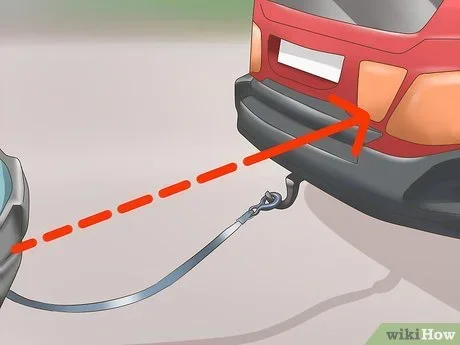
Find the tow hitch or designated towing point on the vehicle doing the pulling. Most modern cars have a hidden towing eyelet behind the front bumper or under the rear. Consult the owner’s manual if you are unsure. Attach the rope securely using a shackle or the built-in loop.
Step 3: Attach the Rope to the Towed Vehicle
Connect the other end of the rope to the towed vehicle’s designated recovery point. Never attach a tow rope to a bumper, axle, or suspension component. These parts are not designed to handle pulling forces and can break or bend.
Step 4: Establish Communication
Before you start moving, agree on hand signals or a simple communication plan with the driver of the towed vehicle. The person in the towed car should keep the steering straight and lightly apply the brakes to maintain tension on the rope.
Step 5: Start Towing Slowly
The towing vehicle should accelerate gently. A sudden jerk can snap the rope or damage both vehicles. Keep the speed under 25 mph for short distances. Maintain a steady pace and avoid sharp turns.
Step 6: Use Hazard Lights and Markers
Both vehicles should have hazard lights on during towing. If towing at night or in low visibility, attach reflective triangles or flares. This makes the operation visible to other drivers and reduces the risk of a collision.
Quick Tips
- Always keep the rope taut before starting to move. Slack in the rope causes dangerous jerks.
- Use a rope helper or strap bridge to protect the rope from rubbing against sharp edges.
- Keep a fire extinguisher in the towing vehicle, especially when towing near dry grass or fuel.
- Check local laws. Some states require specific towing equipment or permits.
Common Mistakes to Avoid When Towing
Even experienced drivers make mistakes when towing another car. Knowing what to avoid can save you from costly damage or dangerous situations.
Using the Wrong Rope Rating
The most common error is using a rope that is not rated for the vehicle’s weight. A thin rope rated for a small car will snap if you try to tow an SUV. Always check the breaking strength and compare it to the vehicle weight. When in doubt, go higher.
Towing Without a Tow Hitch
Some drivers tie the rope directly to the bumper or frame. This is extremely risky. The connection point can tear loose under tension. Always use a tow hitch or designated recovery point. These are engineered to handle pulling forces safely.
Ignoring the Transmission
Towing a vehicle with an automatic transmission while the wheels are on the ground can cause severe internal damage. The transmission fluid does not circulate properly when the engine is off and the wheels are turning. Always consult the owner’s manual for towing guidelines specific to the vehicle’s transmission type.
Overlooking Weather and Road Conditions
Wet roads, gravel, and steep inclines change the towing equation. A rope that works fine on a dry, flat road may not be safe on a wet, hilly one. Adjust your speed and technique based on conditions. In poor weather, consider calling roadside assistance instead of attempting a DIY tow.
Skipping Safety Gear
Towing without reflective markers, hazard lights, or a proper connection point is asking for trouble. Other drivers may not see you, and a loose rope can whip around dangerously. Always use the full set of safety equipment before you start.
Expert Insight
Experienced tow operators recommend always carrying a recovery kit in your vehicle. A basic kit should include a nylon tow rope, a kinetic strap, a shackle set, and reflective triangles. These items weigh very little but can save you in countless situations. The cost of a quality kit is a fraction of what you would pay for a roadside call or vehicle repair.
Safety Tips for Towing Another Vehicle
Safety should always come first when vehicle towing. A few extra precautions can prevent accidents and injuries.
- Wear safety gloves: Ropes under tension can cause burns or cuts if they slip. Thick gloves protect your hands.
- Stay clear of the rope: Never stand near a taut rope. If it snaps, it can whip across the area with tremendous force.
- Use a tow bar for long distances: A tow bar provides a more stable and controlled connection than a rope alone. It is the preferred method for long-distance towing.
- Check local regulations: Different states and countries have different rules about towing. Some require specific equipment, lights, or permits. Know the law before you tow.
- Practice in a safe area: If you have never towed before, practice the setup in an empty parking lot. Get comfortable with the process before you need it on the road.
- Keep both vehicles insured: Make sure both vehicles have valid insurance coverage. Towing can sometimes trigger liability issues if something goes wrong.
When to Call a Professional Instead
There are times when emergency towing is better left to the professionals. Knowing when to call for help is just as important as knowing how to tow.
Call a professional if the vehicle weighs more than your towing capacity. Call a professional if the vehicle has an automatic transmission and the wheels must remain on the ground. Call a professional if the road conditions are hazardous, such as icy roads, steep hills, or heavy traffic. And always call a professional if you do not feel confident about the setup.
Professional towing services have the right equipment, training, and insurance to handle any situation safely. They carry flatbed tow trucks, heavy-duty winches, and specialized straps. In many cases, a single call can resolve the problem faster and safer than a DIY attempt.
That said, knowing how to tow with the right rope is a valuable skill. It can save you time and money in straightforward situations. The key is knowing the limits of your equipment and your own abilities.
Final Thoughts
So, what sort of rope should you use to tow another car? The answer depends on your situation, but nylon tow ropes and polyester webbing straps are the best all-around choices for most drivers. They are safe, effective, and easy to use. Kinetic recovery straps are the best option for pulling stuck vehicles out of mud or sand. And steel cables and chain ropes should be reserved for professional use only.
Whatever rope you choose, always match it to the vehicle weight, inspect it before every use, and follow proper safety procedures. Towing another car is a serious responsibility. Treat it with the respect it deserves, and you will get both vehicles to your destination safely.
Keep a quality tow rope in your trunk at all times. You never know when you will need it. And when you do need it, you will be glad you took the time to learn the right way to do it.
Frequently Asked Questions
Can I use a regular rope to tow a car?
You can, but it is not recommended. Regular ropes like cotton or hemp lack the strength and stretch needed for safe towing. They can snap under the weight and shock of pulling a vehicle. Always use a rope specifically designed for towing, such as a nylon tow rope or polyester webbing strap.
What size rope do I need to tow a car?
The rope diameter should match the weight of the vehicle being towed. For most passenger cars weighing 2,000 to 4,000 pounds, a 1/4-inch to 3/8-inch nylon tow rope rated for at least 6,000 to 12,000 pounds is ideal. Always choose a rope with a breaking strength at least two to three times the vehicle weight.
Is it legal to tow a car with a rope?
In most places, yes, towing a car with a rope is legal for short distances and non-commercial use. However, laws vary by state and country. Some areas require specific safety equipment like reflective markers, hazard lights, or a maximum speed limit while towing. Always check your local regulations before towing.
Can I tow an automatic transmission car with a rope?
Towing an automatic car with all four wheels on the ground can damage the transmission. The fluid does not circulate properly when the engine is off and the wheels are turning. Check the owner’s manual first. Many manufacturers recommend using a flatbed tow or lifting the driven wheels off the ground with a dolly.
What is the difference between a tow rope and a recovery strap?
A tow rope is designed for steady pulling and has moderate stretch. A kinetic recovery strap is highly elastic and stores energy to jerk a stuck vehicle free. Recovery straps are for getting vehicles unstuck, not for towing them over long distances. Using a kinetic strap for steady towing can be dangerous.
How far can I safely tow a car with a rope?
Rope towing is best for short distances, typically under 50 miles. For longer tows, use a tow bar or a flatbed tow truck. Short-distance towing with a rope reduces the risk of rope failure, transmission damage, and loss of control. Keep the speed low, under 25 mph, and maintain constant communication between both drivers.
=== CONCLUSION ===
Knowing what sort of rope should you use to tow another car is an essential skill for every driver. A nylon tow rope handles most everyday situations with ease. A polyester webbing strap protects your vehicle’s finish. A kinetic recovery strap saves the day when a car is stuck in mud or snow. And understanding when to call a professional keeps you safe when the situation is beyond your control.
Choose the right rope, match it to the vehicle weight, inspect it before every use, and always follow safety procedures. These simple steps make the difference between a smooth rescue and a dangerous disaster. Keep the right equipment in your car, stay prepared, and you will handle any towing situation with confidence.