Engine Management Systems Hyundai Your Complete Guide
Engine management systems Hyundai cars rely on are the brain behind every drive. These smart systems control fuel injection, ignition timing, and emissions to keep your Hyundai running smoothly. This guide covers everything from how they work to common problems and maintenance tips.
Modern cars are incredibly smart. They use computers to make sure every part of the engine works perfectly. If you drive a Hyundai, you have an engine management systems Hyundai setup that controls how your car breathes, burns fuel, and moves down the road. But what exactly does this system do? And why should you care about it?
This complete guide breaks it all down. You will learn how engine management systems Hyundai cars depend on actually work. We will cover common problems, maintenance tips, and when to call a professional. Whether you are a car enthusiast or just someone who wants to keep their Hyundai running strong, this article has you covered.
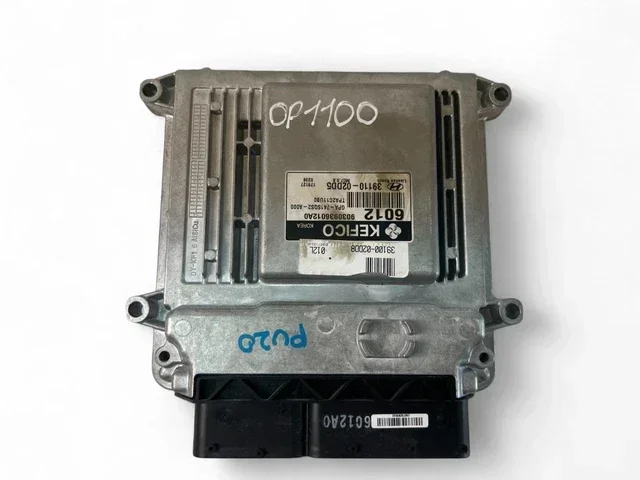
The Hyundai engine control unit is the central brain of your vehicle. It processes information from dozens of sensors every second. This lets your car adjust in real time for the best performance. Understanding this system helps you take better care of your car. It also saves you money on repairs in the long run.
Key Takeaways
- Engine management systems Hyundai vehicles use are sophisticated computer networks that control engine performance.
- These systems monitor fuel injection, ignition timing, and emissions in real time.
- Common problems include check engine lights, rough idling, and reduced fuel efficiency.
- Regular maintenance keeps your Hyundai engine management system running at peak performance.
- Understanding OBD-II codes helps you diagnose issues early and save money.
- Professional diagnostics are essential for complex engine management faults.
- A well-maintained system improves combustion efficiency and extends engine life.
📑 Table of Contents
- What Are Engine Management Systems in Hyundai Vehicles?
- How Hyundai Engine Management Systems Work
- Common Hyundai Engine Management Problems
- Benefits of a Well-Functioning Engine Management System
- How to Maintain Your Hyundai Engine Management System
- When to Seek Professional Help for Hyundai Engine Issues
- Understanding Diagnostic Trouble Codes for Hyundai Vehicles
- The Future of Engine Management in Hyundai Vehicles
- Conclusion
What Are Engine Management Systems in Hyundai Vehicles?
An engine management system is a network of electronic controls that runs your car’s engine. In Hyundai vehicles, this system is called the Hyundai powertrain control module. It manages fuel delivery, spark timing, and emission controls. Think of it as the conductor of an orchestra. Every instrument must play in harmony for the best performance.
The engine management systems Hyundai brands use are designed for efficiency and reliability. They ensure your engine gets the right amount of fuel at the right time. This is called the air-fuel ratio. When this ratio is off, your car suffers. You might notice poor acceleration, strange noises, or higher fuel bills.
Key Components of the System
The Hyundai ECU programming involves several important parts working together:
- Engine Control Unit (ECU): The main computer that processes all sensor data.
- Sensors: These include the crankshaft position sensor, throttle position sensor, and oxygen sensor.
- Fuel Injectors: They spray fuel into the engine cylinders at precise intervals.
- Ignition Coils: These create the spark that ignites the fuel-air mixture.
- Emission Control Devices: They reduce harmful pollutants from your exhaust.
All of these parts communicate through the onboard diagnostics OBD-II system. This system has been standard in all Hyundai vehicles since 1996. It lets mechanics read error codes and diagnose problems quickly. When something goes wrong, your Hyundai check engine light will turn on.
How Hyundai Engine Management Systems Work
The car engine management process happens in milliseconds. The ECU receives data from multiple sensors. It then calculates the best way to run your engine. This happens thousands of times every minute while you drive.
Here is a simple breakdown of how the system operates:
- The crankshaft position sensor tells the ECU where the pistons are.
- The throttle position sensor measures how hard you press the gas pedal.
- The oxygen sensor checks the exhaust for unburned fuel.
- The ECU adjusts the fuel injectors and ignition timing based on this data.
- The emission control system cleans up the exhaust before it leaves the tailpipe.
This constant loop is called engine performance optimization. It is what makes modern Hyundai vehicles so efficient. The system adapts to driving conditions, weather, and even altitude changes. That is why your Hyundai can run well in hot summers and cold winters alike.
The Role of the Air-Fuel Ratio
The air-fuel ratio is critical to how your engine runs. The ideal ratio is 14.7 parts air to 1 part fuel. This is called the stoichiometric ratio. When the ratio is correct, your engine produces maximum power with minimum waste. The engine management systems Hyundai vehicles use constantly adjust this ratio to match driving conditions.
If the ratio is too rich (too much fuel), you waste gas. If it is too lean (too much air), the engine can overheat. The ECU uses the oxygen sensor to monitor the ratio and make corrections. This is a continuous process that keeps your engine running smoothly.
Common Hyundai Engine Management Problems
Even the best engine management systems Hyundai cars use can develop problems. Sensors wear out. Wires get corroded. Software needs updates. Knowing the signs of trouble can save you from expensive repairs later.
Check Engine Light Issues
The Hyundai check engine light is the most obvious sign of a problem. It can mean many things. Sometimes it is a loose gas cap. Other times it signals a serious sensor failure. When this light comes on, do not ignore it. Use an OBD-II scanner to read the Hyundai diagnostic trouble codes. These codes tell you exactly what is wrong.
Rough Idling and Stalling
If your Hyundai idles roughly or stalls at stoplights, the engine management system may be at fault. Common causes include:
- A dirty throttle body
- A failing idle air control valve
- Clogged fuel injectors
- A faulty crankshaft position sensor
These issues affect the engine idle control system. The ECU cannot maintain a steady RPM when these parts fail. You will feel the vibration in the steering wheel or seat.
Reduced Fuel Efficiency
Have you noticed you are filling up more often? A failing engine management system can cause poor fuel economy. The ECU might be sending too much fuel to the engine. This happens when sensors like the oxygen sensor or mass airflow sensor go bad. Replacing these sensors often restores your fuel efficiency quickly.
Engine Misfires
An engine misfire is a common symptom of engine management problems. It feels like your car is stumbling or jerking. Misfires happen when one or more cylinders fail to ignite properly. The Hyundai engine management system detects this and logs a trouble code. Ignoring misfires can damage your catalytic converter over time.
Benefits of a Well-Functioning Engine Management System
When your engine management systems Hyundai vehicles rely on are working correctly, the benefits are clear. A healthy system makes your daily driving better in many ways.
Better Fuel Economy
The ECU ensures your engine uses only the fuel it needs. This saves you money at the pump. Modern Hyundai vehicles are already fuel efficient. A well-tuned engine management system keeps them that way.
Improved Engine Performance
Proper fuel delivery and ignition timing mean more power when you need it. You will notice smoother acceleration and better responsiveness. Whether you are merging onto a highway or climbing a hill, your Hyundai will feel lively and ready.
Lower Emissions
The emission control system works hand in hand with the engine management system. Together, they reduce harmful pollutants. This keeps your Hyundai compliant with environmental regulations. It also contributes to cleaner air for everyone.
Longer Engine Life
When all engine parameters are optimized, parts wear out more slowly. The engine management systems Hyundai cars use protect internal components from stress. This means fewer major repairs and a longer-lasting vehicle.
How to Maintain Your Hyundai Engine Management System
Maintenance is the best way to keep your engine management system healthy. Simple habits can prevent most problems before they start.
Regular Sensor Checks
Sensors are the eyes and ears of your engine management system. Over time, they can get dirty or wear out. Have your mechanic check the oxygen sensor, mass airflow sensor, and throttle position sensor during regular service visits. Cleaning or replacing these sensors is inexpensive compared to the damage they can cause if ignored.
Keep Your Fuel System Clean
Dirty fuel injectors cause poor combustion. Use a quality fuel injector cleaner every 15,000 miles. This keeps the fuel injection system working properly. It also helps maintain the correct air-fuel ratio that your ECU depends on.
Update ECU Software
Hyundai occasionally releases ECU programming updates. These updates improve engine performance and fix known bugs. Ask your dealer if your vehicle needs a software update. This is a quick and easy way to keep your system current.
Address Warning Lights Immediately
Never ignore the check engine light. Even if your car seems to drive fine, a hidden problem could be developing. Early diagnosis saves money and prevents bigger issues. Keep an OBD-II scanner at home if you want to check codes yourself.
Follow the Maintenance Schedule
Your Hyundai owner manual has a recommended maintenance schedule. Follow it closely. Regular oil changes, air filter replacements, and spark plug swaps keep the entire engine management system running well. Prevention is always cheaper than repair.
Quick Tip: Always use the recommended fuel grade for your Hyundai model. Using lower octane fuel can cause knocking and strain the engine management system over time.
When to Seek Professional Help for Hyundai Engine Issues
Some engine management problems are simple to fix. Others require professional expertise. Knowing the difference saves you time and money.
If you see the check engine light flashing (not just steady), get help immediately. A flashing light usually indicates a serious problem like an active engine misfire. Driving with a flashing check engine light can destroy your catalytic converter.
Also seek professional help if you notice these signs:
- Your Hyundai won’t start
- The engine revs up and down on its own
- You smell rotten eggs from the exhaust
- Your fuel efficiency drops suddenly
- You hear unusual knocking or ticking sounds
These symptoms point to deeper issues within the engine management systems Hyundai vehicles use. A certified mechanic can run full diagnostics and pinpoint the exact cause. They have access to factory-level tools and software that home scanners cannot match.
Finding the Right Mechanic
Look for a shop that specializes in Hyundai vehicles. They know the specific Hyundai engine management systems inside and out. Ask friends for recommendations or check online reviews. A good mechanic will explain the problem clearly and give you an honest estimate before doing any work.
Expert Insight: According to Hyundai service advisors, most engine management issues come from neglected maintenance. Simple things like replacing air filters and spark plugs on schedule prevent the majority of problems. Stay on top of your service intervals and your engine will thank you.
Understanding Diagnostic Trouble Codes for Hyundai Vehicles
When your check engine light turns on, the ECU stores a diagnostic trouble code (DTC). These codes give mechanics a starting point for diagnosis. You can read them yourself with an affordable OBD-II scanner or have a shop do it for you.
Some common codes related to engine management systems Hyundai vehicles include:
- P0300: Random/multiple cylinder misfire detected
- P0171: System too lean (Bank 1)
- P0420: Catalyst system efficiency below threshold
- P0101: Mass airflow circuit range/performance problem
- P0301: Cylinder 1 misfire detected
Each code points to a specific area of concern. However, the code is just the beginning. A skilled mechanic will investigate the root cause behind the code. Sometimes the fix is simple. Other times, it requires deeper investigation.
The onboard diagnostics OBD-II system has made car repair much easier than in the past. You no longer have to guess what is wrong. The codes give you and your mechanic a clear direction. This saves time and reduces repair costs.
The Future of Engine Management in Hyundai Vehicles
Hyundai continues to innovate its engine management technology. Newer models feature advanced Hyundai ECU programming that adapts to driving habits. The system learns your style and adjusts settings for optimal performance. This is called adaptive engine management.
Hyundai is also investing heavily in hybrid and electric powertrains. While these vehicles do not use traditional engine management systems in the same way, they still rely on sophisticated electronic controls. The principles remain the same: sensors, processors, and actuators working together to maximize efficiency.
Looking ahead, artificial intelligence will play a bigger role in engine management systems Hyundai brands develop. Predictive maintenance will become standard. The system will warn you about potential problems before they happen. This will make car ownership even more convenient and cost-effective.
Conclusion
The engine management systems Hyundai vehicles use are marvels of modern engineering. They control every aspect of your engine’s performance with incredible precision. From fuel delivery to emission control, these systems keep your car running smoothly and efficiently.
Understanding how your engine management system works empowers you as a car owner. You can spot problems early. You can maintain your vehicle properly. And you can communicate more effectively with your mechanic. The Hyundai engine management system is your car’s best friend. Treat it well, and it will reward you with years of reliable service.
Take the time to learn about your vehicle. Check your fluids regularly. Replace your filters on schedule. And never ignore a warning light. Your Hyundai was built to last. With proper care, the engine management system will keep it running strong for miles to come.
Frequently Asked Questions
What is an engine management system in a Hyundai vehicle?
An engine management system is a computerized network that controls how your Hyundai engine runs. It manages fuel injection, ignition timing, and emissions. The ECU processes data from sensors to optimize performance.
How do I know if my Hyundai engine management system has a problem?
The check engine light is the most common sign. You might also notice rough idling, reduced fuel economy, or engine misfires. Use an OBD-II scanner to read diagnostic trouble codes for more details.
Can I drive my Hyundai with the check engine light on?
You can drive a short distance if the light is steady. But a flashing check engine light means a serious problem. Stop driving and get your vehicle inspected immediately to avoid costly damage.
How much does it cost to repair a Hyundai engine management system?
Costs vary widely depending on the problem. A simple sensor replacement might cost under $200. More complex ECU issues can run higher. Regular maintenance helps prevent expensive repairs.
How often should I have my Hyundai engine management system checked?
Have it checked during every regular service visit. Most Hyundai models need service every 5,000 to 7,500 miles. Following the maintenance schedule keeps the system running at its best.
Are engine management system problems covered under Hyundai warranty?
Many Hyundai vehicles come with a comprehensive powertrain warranty. Engine management components may be covered depending on your warranty terms and vehicle age. Check with your Hyundai dealer for specific details.
=== CONCLUSION ===
The engine management systems Hyundai cars use are essential to every drive. They ensure your engine runs efficiently, cleanly, and reliably. By understanding how these systems work and staying on top of maintenance, you get the most out of your vehicle. Keep this guide handy for reference. Your Hyundai will reward you with smooth, dependable performance for years to come.