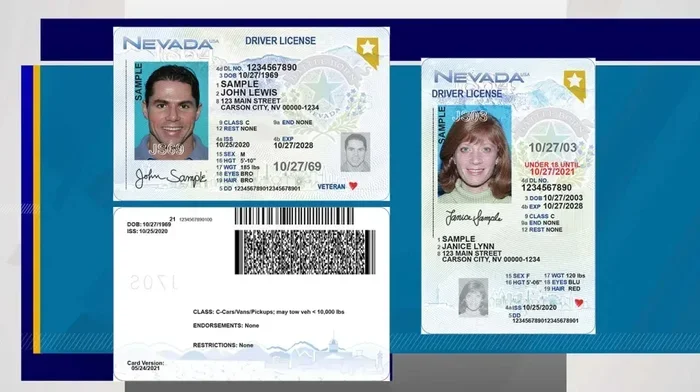
The Information on the Front Glass of the Driver License
The front glass of the driver license holds essential personal details that identify you as a licensed driver. From your full name and date of birth to your license number and photo, every piece of data serves a specific purpose. Understanding what appears on this card helps you stay informed about your identification document and spot errors quickly.
Have you ever held your driver license up to the light and wondered what all the details on the front glass really mean? Most of us carry our driver license every day without giving it a second thought. But the front glass of the card is packed with important information that does more than just prove you can hit the road.
The information on the front glass of the driver license includes your name, photo, license number, and much more. Each detail serves a purpose, whether it is for identification, security, or legal compliance. In this article, we will break down every piece of data you will find on the front side of your license card. By the end, you will understand your license better than ever before.
Knowing what is on your license matters more than you might think. It helps you spot errors, understand your driving privileges, and even prepare for unexpected situations like traffic stops or identity verification. Let us dive right in and explore what makes up the front glass of your driver license.
Key Takeaways
- Personal Identification Details: The front glass displays your full legal name, date of birth, and physical description.
- License Number and Class: Each driver license has a unique number and class code that defines your driving privileges.
- Expiration and Issue Dates: These dates tell you when your license was issued and when it needs renewal.
- Security Features: The front glass includes holograms, barcodes, and other anti-fraud elements.
- Organ Donor and Restrictions: Important indicators like organ donor status and driving restrictions appear on the front.
- Photo and Signature: Your facial photo and signature are key visual identifiers on the license front.
- State-Specific Variations: Different states may include unique details on the front glass of the license.
📑 Table of Contents
- What Is the Front Glass of a Driver License?
- Personal Details on the Front Glass
- License Number and Class Information
- Dates and Expiration Information
- Photo and Signature on the Front Glass
- Security Features on the Front Glass
- Additional Details Found on the Front Glass
- Common Mistakes to Avoid
- Expert Insights on License Front Glass Design
- Key Takeaways
- Conclusion
What Is the Front Glass of a Driver License?
The front glass refers to the laminated card side of your driver license. This is the side you show when a police officer pulls you over or when you need to prove your identity at the airport. The front side of the license is designed to hold the most critical personal and licensing information in a compact, durable format.
Unlike the back side, which often lists your address and restrictions, the front glass focuses on core identification. It uses a combination of printed text, embedded security features, and a digital photo to verify who you are. Every state in the U.S. follows a general layout, but small differences exist from one jurisdiction to another.
Why the Front Glass Matters
The front glass is the first thing people see when you hand over your license. It acts as your primary personal identification document. Banks, employers, and government agencies all rely on the front glass to confirm your identity quickly.
Security features embedded in the front glass also help prevent fraud. Holograms, microprinting, and UV-reactive elements make it extremely difficult to fake or alter a driver license. These features protect not only you but also the businesses and agencies that accept your license as valid ID.
Personal Details on the Front Glass
The most obvious information on the front glass of the driver license is your personal details. These are the data points that directly identify you as the license holder. Let us look at each one closely.
Full Legal Name
Your full legal name appears at the top or center of the front glass. This includes your first name, middle name (if applicable), and last name. The name must match your birth certificate and other official documents exactly. Any discrepancy can cause problems when verifying your identity.
Some states also include a suffix like Jr., Sr., or III. If your name has changed due to marriage or a court order, make sure your license reflects the current legal name. An outdated name on the front glass can lead to confusion and delays.
Date of Birth
Your date of birth on the license is another key identifier. It is usually printed right below or near your name. This date helps confirm your age, which is especially important for age-restricted activities like purchasing alcohol or entering certain venues.
The format varies by state. Some use MM/DD/YYYY while others use DD/MM/YYYY. Regardless of the format, the date of birth is one of the most frequently checked details on the front glass.
Physical Description
Many driver licenses include a brief physical description on the front glass. This can include your height, weight, eye color, and sometimes hair color. These details help law enforcement and others quickly identify you in person.
While these fields might seem minor, they add an extra layer of identification. In a crowd or during a traffic stop, knowing someone is six feet tall with brown eyes and weighs 180 pounds helps narrow down the search.
License Number and Class Information
Every driver license number is unique to you. It appears prominently on the front glass and serves as your official identifier within the state’s licensing system. No two people share the same license number, which makes it a reliable way to track your driving record.
The license class is also printed on the front glass. This code tells you what types of vehicles you are authorized to drive. For most regular drivers, the class is C or D, but commercial and motorcycle licenses have their own specific classes and endorsements.
Understanding License Classes
License classes define your driving privileges. A standard Class C license allows you to operate most passenger vehicles. Class A and Class B licenses open the door to heavier vehicles like trucks and buses.
Endorsements add even more detail. For example, a Class C license with a motorcycle endorsement lets you legally ride a bike. These codes appear on the front glass and are essential for law enforcement to understand your qualifications at a glance.
Dates and Expiration Information
The front glass of your driver license includes two important dates: the issue date and the expiration date. The issue date tells you when your license was first granted. The expiration date shows when your license will no longer be valid.
Most driver licenses expire every four to eight years, depending on the state. Keeping track of your expiration date is crucial. Driving with an expired license can lead to fines, points on your record, or even a license suspension.
How to Check Your Expiration Date
Look for the word “EXP” followed by a date on the front glass. This is typically located near the bottom of the card or next to the license number. Make a mental note of this date and set a reminder a month before it expires.
Renewing your license before it expires keeps you driving legally and avoids the hassle of dealing with expired credentials. Many states now offer online renewal options, which makes the process quick and painless.
Photo and Signature on the Front Glass
Your photo is perhaps the most recognizable feature on the front glass. It is usually placed on the right side of the card and must match your current appearance. A blurry, outdated, or poorly taken photo can cause problems during identity checks.
Your signature is also printed on the front glass, typically below the photo or along the bottom edge. This signature serves as a secondary form of verification. When you sign a document or make a purchase, the signature on your license can be compared to the one on file.
Tips for a Good License Photo
When you go in for a new license photo, keep these tips in mind. Face the camera directly, remove hats or sunglasses, and ensure even lighting. Your expression should be neutral with your mouth closed.
These small steps help ensure your license photo accurately represents you. A clear, current photo on the front glass makes identity verification faster and smoother for everyone involved.
Security Features on the Front Glass
The front glass of modern driver licenses is packed with security features designed to prevent counterfeiting and fraud. These features are not just for show; they play a critical role in protecting the integrity of your identification document.
Let us look at some of the most common security elements you will find on the front glass.
Holograms and Overlays
Many states use holographic overlays on the front glass. These shiny, multi-layered images shift and change when you tilt the card. Holograms are extremely difficult to reproduce, making them one of the most effective anti-fraud tools.
You might see a state seal, a star pattern, or a detailed map embedded in the hologram. Each design is unique to the issuing state, which adds another layer of authenticity to your license.
Barcodes and QR Codes
The front glass often includes a barcode or QR code that stores your license data digitally. When scanned by an approved reader, this code instantly pulls up your information. Law enforcement uses these scans to verify your license quickly and accurately.
Barcodes also reduce the chance of human error during manual checks. Instead of typing in your license number by hand, an officer can simply scan the code and get all the details in seconds.
UV Ink and Microprinting
Some front glass designs include ultraviolet ink that is invisible under normal light but glows under UV illumination. Microprinting involves tiny text that is nearly impossible to reproduce with standard printers.
These features are invisible to the naked eye but serve as powerful verification tools. They help authorities and businesses confirm that the license in hand is genuine and not a cheap counterfeit.
Additional Details Found on the Front Glass
Beyond the main personal and security details, the front glass may include several other pieces of information. These vary by state but often include the following.
- Organ Donor Indicator: A small heart or symbol that shows you have registered as an organ donor.
- Residence Address: Some states place your address on the front glass, while others keep it on the back.
- License Restrictions: Codes that indicate any limitations on your driving privileges, such as corrective lenses required.
- Issuing Authority: The name of the state Department of Motor Vehicles or equivalent agency.
- ISO Compliance Codes: International standards codes that help other countries recognize your license.
Each of these details contributes to the overall function of your license. They make the card more than just a piece of plastic; they turn it into a comprehensive identification tool.
State-Specific Variations
While the general layout of the front glass is similar across all states, there are notable differences. Some states include additional fields, while others omit certain details. For example, a few states place the issue date prominently at the top, while others bury it near the bottom.
These variations reflect each state’s unique approach to driver licensing. If you travel frequently or move to a new state, take some time to compare the front glass of your new license with your old one. You might be surprised by the differences.
Common Mistakes to Avoid
Even though the front glass of your driver license seems straightforward, mistakes can and do happen. Here are some common errors to watch out for.
- Outdated Information: If your appearance has changed significantly, your photo may no longer look like you. Update your license promptly.
- Misspelled Names: A typo in your name can cause problems at airports, banks, and during traffic stops. Always double-check your license when you receive it.
- Incorrect License Class: If you drive a vehicle that requires a different class, your license class must reflect that. Driving with the wrong class can result in fines.
- Missing Endorsements: If you have a motorcycle or commercial endorsement, make sure it is correctly listed on the front glass.
- Ignoring Expiration Dates: Driving with an expired license is illegal and can lead to serious consequences. Set a reminder and renew on time.
Avoiding these mistakes keeps your license valid and your driving record clean. A quick review of the front glass every time you renew can save you a lot of trouble down the road.
Expert Insights on License Front Glass Design
According to licensing experts, the front glass of a driver license is essentially a personal identification card that combines legal authority with security technology. The design has evolved significantly over the past two decades, moving from simple printed cards to sophisticated documents with advanced anti-counterfeiting measures.
Experts recommend that every driver familiarize themselves with the layout of their license. Knowing where each piece of information is located helps you respond quickly during traffic stops and identity checks. It also empowers you to catch errors before they become bigger problems.
The trend in license design is moving toward even more digital integration. Some states are exploring mobile digital licenses that mirror the front glass data on your smartphone. While the physical card remains the standard for now, the future of the front glass is clearly heading toward a more digital, secure, and versatile format.
Key Takeaways
- Personal Identification Details: The front glass displays your full legal name, date of birth, and physical description.
- License Number and Class: Each driver license has a unique number and class code that defines your driving privileges.
- Expiration and Issue Dates: These dates tell you when your license was issued and when it needs renewal.
- Security Features: The front glass includes holograms, barcodes, and other anti-fraud elements.
- Organ Donor and Restrictions: Important indicators like organ donor status and driving restrictions appear on the front.
- Photo and Signature: Your facial photo and signature are key visual identifiers on the license front.
- State-Specific Variations: Different states may include unique details on the front glass of the license.
Conclusion
The information on the front glass of the driver license is far more than a collection of random details. Every name, number, date, and security feature on that card serves a purpose. Together, they create a reliable identification document that you rely on every single day.
From your personal details and license number to the security features that prevent fraud, the front glass of your driver license is a marvel of practical design. Understanding what is on it gives you greater control over your identity and your driving privileges.
Take a moment today to look at the front glass of your license with fresh eyes. Check for errors, note your expiration date, and familiarize yourself with the layout. This small habit can save you time, money, and stress in the long run. Your driver license is one of the most important documents you carry, and knowing its front glass inside and out is a smart move for every driver.
Frequently Asked Questions
What information is printed on the front glass of a driver license?
The front glass typically includes your full legal name, date of birth, license number, photo, signature, license class, issue date, expiration date, and physical description like height and eye color. Some states also include organ donor indicators and security features like holograms.
Why is the front glass of the driver license laminated?
The lamination protects the information on the front glass from wear, tear, and tampering. It also provides a surface for embedding security features like holograms and UV-reactive elements that help prevent counterfeiting and fraud.
Can the information on the front glass be changed or corrected?
Yes, if you notice an error on the front glass of your driver license, you should contact your state DMV to request a correction. Common fixes include misspelled names, incorrect dates of birth, or outdated photos. There may be a fee for the replacement.
Do all states have the same layout on the front glass?
No, while the general categories of information are similar across all states, the layout, design, and specific fields can vary significantly. Each state has its own approach to organizing the front glass details and security features.
What should I do if my front glass is damaged or unreadable?
If the front glass of your driver license is cracked, faded, or otherwise damaged, you should apply for a replacement license at your local DMV or through your state’s online renewal system. A damaged license may not be accepted as valid identification.
How often should I check the information on the front glass of my license?
You should review the front glass every time you renew your license or receive a replacement. It is also a good practice to check it periodically in between renewments to ensure all information remains accurate and up to date.