2011 F-150 Hood Release Guide – Easy Fixes Tips
This guide walks you through everything you need to know about the 2011 F-150 hood release, from understanding how the system works to fixing common problems yourself. You will learn simple steps to repair a stuck hood latch, replace a broken release cable, and keep your hood opener in top shape for years to come. Whether your hood is stuck closed or the handle feels loose, these easy fixes will save you time and money.
If you own a 2011 F-150 and your hood release is giving you trouble, you are not alone. The 2011 F-150 hood release system is built to last, but like any mechanical part, it can wear out, get stuck, or break over time. The good news is that most hood release problems are easy to fix. You do not need to be a car expert to handle them. In this guide, we will walk you through everything you need to know. From understanding how the system works to fixing common issues step by step, you will find practical advice you can use right away. Let us get into it.
The hood release on your F-150 is one of the simplest systems in your truck, yet it is also one of the most important. Without a working hood release mechanism, you cannot access the engine for basic maintenance. Whether you need to check the oil, replace a belt, or jump-start your battery, a functioning hood opener is essential. This guide covers the most common problems, the best fixes, and tips to keep everything running smoothly. By the end, you will feel confident tackling any hood latch repair on your own.
Key Takeaways
- Know Your System: The 2011 F-150 hood release uses a lever, cable, and latch mechanism that work together to open and secure the hood.
- Common Issues Are Fixable: Problems like a stuck hood latch or broken release cable can often be solved at home with basic tools.
- Regular Maintenance Matters: Cleaning and lubricating the hood hinge and latch spring prevents most hood release problems before they start.
- Safety First: Always use the hood safety catch and prop rod to keep the hood securely open while working.
- DIY Saves Money: Replacing a hood latch or cable yourself costs far less than paying a mechanic for the same job.
- Know When to Call a Pro: If the hood latch mechanism is severely damaged or the hood release handle is cracked, professional help may be the best choice.
📑 Table of Contents
- How the 2011 F-150 Hood Release System Works
- Common Problems with the 2011 F-150 Hood Release
- Step-by-Step Guide to Fixing Your 2011 F-150 Hood Release
- Hood Latch Replacement: DIY or Professional Help
- Preventive Maintenance for Your Hood Release
- Expert Insights and Pro Tips
- Common Mistakes to Avoid
- Conclusion
How the 2011 F-150 Hood Release System Works
Before you can fix a problem, it helps to understand how things work. The 2011 F-150 hood release system is made up of a few key parts that all work together. Let us break them down.
The Hood Release Lever and Cable
When you pull the hood release handle inside your truck, it pulls a cable. This cable runs from the interior handle down to the hood latch under the front of the vehicle. The cable is what connects your pull to the actual release. Over time, this cable can stretch, fray, or get stuck. If your hood release cable is damaged, the latch will not open properly.
The Hood Latch Mechanism
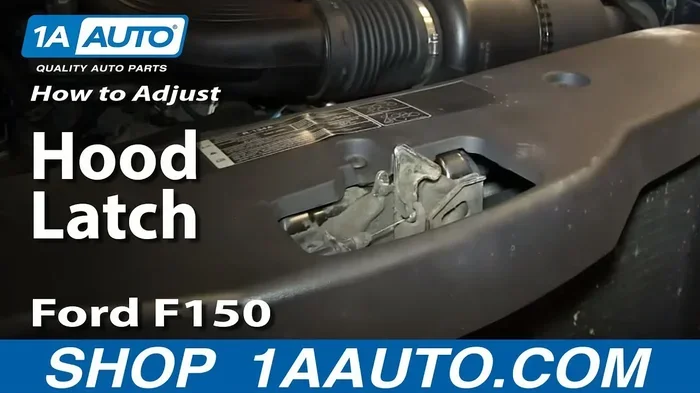
The hood latch mechanism is the part that actually locks the hood in place. It sits at the front of the engine bay and holds the hood securely when you close it. The latch has a spring and a pawl that keep it locked. When you pull the release cable, the pawl disengages, and the hood pops up slightly. You then lift the hood fully and secure it with the hood prop rod.
The Hood Hinge and Prop Rod
The hood hinge allows the hood to pivot open and closed smoothly. The hood prop rod is the metal stick that holds the hood up while you work under it. Both parts are simple but essential. A rusty hinge or a missing prop rod can make using your truck frustrating and even dangerous.
Common Problems with the 2011 F-150 Hood Release
Now that you know how the system works, let us talk about what goes wrong. These are the most common issues people face with their 2011 F-150 hood release.
Hood Stuck Closed
This is the most frustrating problem. You pull the handle, but nothing happens. The hood stays shut. Often, this is caused by a broken or stretched hood release cable. The cable may have snapped inside its housing, so the pull never reaches the latch. Another cause is a rusted or corroded hood latch that has seized up. In cold weather, ice can also freeze the latch in place.
Hood Won’t Open From Inside
If the handle feels loose or spongy when you pull it, the cable may have slipped out of position. The hood release handle connects to the cable end inside the cabin. If that connection breaks or comes loose, you will feel no resistance when you pull. This is a common issue on older trucks and is usually an easy fix.
Loose or Broken Hood Release Cable
A loose cable means the latch does not engage fully. This can cause the hood to pop open while driving, which is very dangerous. A broken cable means the hood will not open at all. Both situations need attention fast. Regularly checking your hood release cable for wear can help you catch these problems early.
Hood Latch Not Working Properly
Sometimes the latch itself is the problem. The hood latch spring can weaken or break over time. When this happens, the latch cannot hold the hood closed or cannot release when you pull the cable. A worn latch may also cause the hood to not sit flush, which can affect aerodynamics and cause wind noise while driving.
Step-by-Step Guide to Fixing Your 2011 F-150 Hood Release
Fixing a 2011 F-150 hood release problem is easier than most people think. You do not need fancy tools or years of experience. Here is a simple walkthrough of the most common repairs.
What You Need Before Starting
Before you begin any repair, gather these basic tools and supplies:
- Flathead and Phillips screwdrivers
- A set of pliers
- WD-40 or a similar penetrating lubricant
- A new hood release cable (if needed)
- A new hood latch (if needed)
- Clean rags or a cloth
- Safety gloves and glasses
Having everything ready before you start will make the process much smoother. It also helps to work on a flat surface with the truck parked and the engine cool.
Fixing a Stuck Hood Latch
If your hood latch stuck in the closed position, start by spraying WD-40 directly into the latch area. Let it sit for a few minutes. Then, try pulling the release cable again. Sometimes, just the lubricant is all it takes to free a stuck latch. If the latch still does not move, you may need to access it from under the front grille. Remove the screws holding the front cover and look for the cable end attached to the latch. Gently pull the cable by hand or use pliers to wiggle the latch open.
Quick Tip: Never use excessive force on a stuck latch. You risk breaking the cable or damaging the latch mechanism, which will make the problem worse and more expensive to fix.
Replacing the Hood Release Cable
If the cable is broken or frayed, replacement is straightforward. Here is how to do it:
- Open the hood using the emergency release (there is a small tab under the front bumper on most F-150s).
- Locate the cable end at the hood latch. It is held in place by a small clip or nut.
- Remove the clip or nut and disconnect the cable from the latch.
- Feed the new cable through the same path the old cable followed.
- Attach the new cable end to the latch and secure it with the clip or nut.
- Go inside the truck and reconnect the cable to the hood release handle.
- Test the handle to make sure the latch opens and closes smoothly.
This is one of the most common hood latch repair jobs, and it usually takes about 20 to 30 minutes. Most truck owners can do it themselves with no help.
Hood Latch Replacement: DIY or Professional Help
Sometimes the hood latch replacement is the best option. If the latch is cracked, the spring is broken, or the pawl is worn down, a new latch will solve the problem. But should you do it yourself or take it to a shop?
Cost of Hood Latch Repair
The cost of fixing your 2011 F-150 hood release depends on the problem. A new hood release cable costs between 15 and 40 dollars. A new hood latch assembly runs from 30 to 80 dollars. If you take it to a mechanic, you will pay for labor on top of parts. A simple cable replacement might cost 75 to 150 dollars at a shop. A full latch replacement could run 150 to 300 dollars. Doing it yourself saves you a significant amount of money.
When to Call a Mechanic
There are times when professional help is the right call. If the hood latch mechanism is severely damaged or if the hood hinge is bent, a mechanic has the tools and experience to fix it properly. Also, if you have tried the steps above and the problem persists, it is wise to get a second opinion. A mechanic can spot issues you might miss, like a hidden crack in the latch housing or a problem with the hood safety catch.
Preventive Maintenance for Your Hood Release
The best way to avoid hood release not working problems is to maintain the system regularly. A little care goes a long way.
Regular Cleaning and Lubrication
Every few months, spray a little WD-40 or white lithium grease onto the hood latch and cable. This keeps rust and grime from building up. Wipe down the area with a clean cloth afterward. Pay special attention to the cable housing, where dirt and moisture can collect and cause the cable to stick.
Checking the Hood Prop Rod
The hood prop rod takes a lot of stress every time you open the hood. Check it regularly for bends, rust, or loose connections. A damaged prop rod can fall and damage the hood or, worse, fall on someone. Replace it immediately if you notice any problems.
Inspecting the Hood Latch Spring
The hood latch spring keeps the latch engaged. Over time, it can weaken. If you notice the hood does not feel as secure as it used to, have someone help you check the spring while you open and close the hood. A weak spring means the latch may not hold the hood properly, especially at highway speeds.
Expert Insights and Pro Tips
Here are some extra tips from experienced truck owners and mechanics that will help you get the most out of your 2011 F-150 hood release:
- Keep a spare cable in your garage. Cables are cheap and easy to store. Having one on hand means you never have to wait for a part when a problem strikes.
- Use the emergency hood release as a backup. Every 2011 F-150 has a secondary release under the front grille. If the interior handle fails, you can still open the hood from outside.
- Do not ignore small problems. A slightly loose handle or a faint clicking sound can signal a bigger issue developing. Address small symptoms early before they become big repairs.
- Check the hood alignment. If the hood does not sit evenly, the latch may not engage properly. Misalignment puts extra stress on the hood latch and can cause premature wear.
- Wash under the hood regularly. Salt, dirt, and road grime accelerate rust on the latch and hinge. A quick rinse under the hood during car washes goes a long way.
Taking these small steps can extend the life of your 2011 F-150 hood release by many years. Most truck owners who follow a simple maintenance routine never face a serious hood release problem.
Common Mistakes to Avoid
When dealing with a hood release issue, people often make mistakes that make things worse. Here are a few to watch out for:
- Forcing the hood open: If the hood will not open, do not pry at it. This can damage the hinge and the latch. Instead, focus on fixing the release mechanism first.
- Using the wrong lubricant: Avoid using motor oil or grease on the latch. These attract dirt and can make the problem worse. Stick to WD-40 or white lithium grease.
- Ignoring the cable housing: The cable housing protects the cable from dirt and moisture. If the housing is damaged, the cable will corrode faster. Replace damaged housing right away.
- Skipping the safety catch: Always use the hood safety catch when the hood is open. A hood that falls unexpectedly can cause serious injury.
Avoiding these mistakes keeps your 2011 F-150 hood release in great shape and prevents unnecessary repairs down the road.
Conclusion
The 2011 F-150 hood release is a simple but vital system that deserves your attention. Whether you are dealing with a stuck latch, a broken cable, or just want to prevent future problems, the fixes in this guide will help. Most hood release issues can be solved at home with basic tools and a little patience. Regular maintenance like cleaning, lubricating, and inspecting the hood latch and cable will keep everything working smoothly for years. Do not wait until a small problem becomes a big headache. Take action today, and your truck will reward you with reliable performance every time you pop the hood.
Remember, a well-maintained hood release mechanism is not just about convenience. It is about safety and making sure you can access your engine whenever you need to. Follow the tips in this guide, and you will handle any hood release issue with confidence.
Frequently Asked Questions
How do I open my 2011 F-150 hood if the release cable is broken?
Every 2011 F-150 has an emergency hood release located under the front grille or bumper. Look for a small plastic tab or lever. Pull it to disengage the latch, and the hood will pop up slightly so you can lift it open. This is a built-in backup for exactly this kind of situation.
What does it cost to replace a hood latch on a 2011 F-150?
A new hood latch assembly for the 2011 F-150 typically costs between 30 and 80 dollars for the part alone. If you take it to a mechanic, labor will add another 75 to 200 dollars depending on your location. Doing the replacement yourself saves you the labor cost entirely.
Why does my 2011 F-150 hood keep popping open while driving?
This is usually caused by a loose or stretched hood release cable that does not fully engage the latch. It can also be a worn latch spring or a misaligned hood. Check the cable tension first, then inspect the latch mechanism. Tightening or replacing the cable often solves this problem quickly.
Can I drive my 2011 F-150 with a broken hood release?
You can drive short distances, but it is not safe. A broken release means you cannot easily check your engine, oil, or coolant. It also means the hood could open unexpectedly while driving, blocking your view. Fix the issue as soon as possible for safety reasons.
How often should I lubricate my 2011 F-150 hood latch?
It is a good practice to lubricate the hood latch and cable every 3 to 6 months. If you drive in harsh conditions like salt roads or heavy rain, lubricate more frequently. A quick spray of WD-40 or white lithium grease keeps everything moving smoothly and prevents rust buildup.
What is the difference between the hood release handle and the hood latch?
The hood release handle is the part you pull inside the truck cabin. The hood latch is the mechanism at the front of the engine bay that physically locks and releases the hood. The two are connected by a cable. Problems can occur at either end, so it is important to identify which part is causing the issue before starting repairs.