Can a Different Person Sell the Car Pink Slit Today
Yes, a different person can sell a car using the pink slip in certain situations, but strict rules and paperwork apply. You must follow your state’s car title transfer laws to avoid legal trouble. Whether you use power of attorney or a co-owner arrangement, understanding the process is essential. This guide covers every step, risk, and requirement you need to know.
Have you ever wondered whether someone else can handle selling your car for you? Maybe you are too busy, too far away, or unable to handle paperwork. The question of can a different person sell the car pink slip comes up more often than you might think. People face this situation all the time, and the answer is not always simple.
The short answer is yes, but with important conditions. You cannot just hand over your car title to anyone and expect everything to go smoothly. There are legal steps, paperwork, and risks involved. This guide breaks down everything you need to know about letting another person sell your vehicle using the pink slip. We will cover the rules, the methods, the pitfalls, and the best way to protect yourself.
Whether you are planning to sell a car on behalf of a friend, handling a family member’s vehicle, or just curious about the process, this article has you covered. Let us dive in and explore the world of car title transfer and third-party car sales.
Key Takeaways
- Legal Permission Matters: A different person can only sell your car if you authorize them through proper legal documents like a power of attorney or co-title ownership.
- Pink Slip Transfer Rules Vary by State: Each state has its own DMV requirements for transferring vehicle ownership to a third-party seller.
- Risks of Unauthorized Sales Are Serious: Letting someone sell your car without paperwork can lead to fraud charges, liability issues, and financial loss.
- Bill of Sale Is Essential: A proper bill of sale for car protects both the seller and the buyer during the transaction.
- Lien Holders Complicate Things: If your car has an outstanding loan, the lien holder must approve any sale before the title clears.
- Know Your Options: You can use a co-owner title, power of attorney, or sell the car yourself and let the buyer handle the rest.
📑 Table of Contents
- Understanding the Car Pink Slip and Ownership
- Can a Different Person Legally Sell Your Car?
- Steps to Let Someone Else Sell Your Car
- Common Mistakes People Make When Selling a Car Through a Third Party
- Risks of Letting Someone Else Sell Your Car
- Expert Tips for a Smooth Car Sale Through a Third Party
- Frequently Asked Questions
- Conclusion
Understanding the Car Pink Slip and Ownership
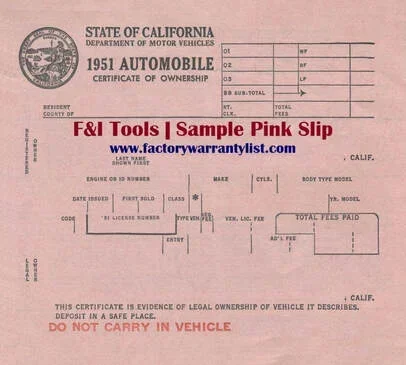
Before we get into whether someone else can sell your car, let us first understand what a pink slip actually is. The term “pink slip” is a slang name for a certificate of title. This is the official document that proves you own a vehicle. It contains important details like the vehicle identification number, your name as the owner, and the car’s make and model.
In most states, the pink slip is the single most important document when selling a car. Without it, the sale cannot be completed legally. The buyer needs it to register the vehicle in their name and get new car registration and plates.
Why Is the Pink Slip So Important?
The car title serves as proof of ownership. When you sell a car, you are essentially transferring that ownership from your name to the buyer’s name. The DMV requires the signed title to process this transfer. If the title is not properly signed or transferred, the buyer cannot register the vehicle. And if the car gets into an accident or is used illegally, the original owner listed on the title could face serious liability.
This is why understanding who has the right to sell the car matters so much. The person whose name is on the pink slip is the legal owner. Anyone trying to sell that car must have proper authorization.
Can a Different Person Legally Sell Your Car?
Now let us address the big question directly. Can a different person sell the car pink slip on your behalf? The answer depends on how the sale is set up legally. There are a few recognized methods that allow a third party to sell your vehicle. Let us look at each one.
Method 1: Power of Attorney for Car Sale
A power of attorney (POA) is a legal document that gives someone else the authority to act on your behalf. When it comes to selling a car, a power of attorney for car sale allows another person to sign the title, handle negotiations, and complete the transaction as if they were you.
Here is how it works:
- You draft a power of attorney document that specifically authorizes the sale of your vehicle.
- You sign the document in front of a notary public.
- The authorized person receives a copy and can then present it along with the pink slip during the sale.
- The buyer sees the POA and the signed title, and the sale proceeds normally.
This method is widely accepted across most states. However, the POA must be clear and specific. A general power of attorney may not cover vehicle sales in all cases. You should always specify that the document includes the authority to sell the car.
Method 2: Co-Owner on the Car Title
If two or more people are listed as owners on the car title, any co-owner can typically sell the vehicle without needing additional permission. This is one of the simplest ways to allow someone else to handle the sale.
For example, if you and your sibling are both listed as co-owners, your sibling can sign the title and sell the car. The DMV recognizes both names as legal owners, so either person has the authority to complete the transaction.
However, this method has limitations. Both names must already appear on the title. You cannot add a co-owner just for the purpose of selling the car. The co-ownership must be established before the sale takes place.
Method 3: Selling the Car Yourself and Letting the Buyer Handle the Rest
Another option is for you to handle the sale directly, even if you are not physically present. You can sell the car to a trusted buyer, sign the title over to them, and let them handle the rest of the paperwork. In this case, the buyer becomes the legal owner once the title is in their hands.
This method does not involve a third party selling the car on your behalf. Instead, you are the seller, and the buyer takes over from there. This approach avoids many of the legal complexities of third-party sales.
Steps to Let Someone Else Sell Your Car
If you have decided to let another person handle the sale, you need to follow a clear process. Skipping steps can lead to legal problems or financial loss. Here is a step-by-step guide to doing it right.
Step 1: Gather Your Documents
Before anything else, collect all the necessary documents. You will need:
- The original car title or pink slip
- A valid form of identification
- The bill of sale template
- The power of attorney document (if applicable)
- Any loan payoff documents if there is a lien on the vehicle
Having everything ready makes the process smoother and faster. It also shows the buyer and any DMV offices that you are serious and organized.
Step 2: Complete the Power of Attorney (If Needed)
If you are using a power of attorney, make sure the document is properly drafted. It should clearly state that the authorized person has the right to sell your specific vehicle. Include the vehicle identification number, the make and model, and the year of the car.
Take the document to a notary public and sign it in their presence. Make several copies. The buyer, the authorized seller, and you should each keep a copy for your records.
Step 3: Sign the Title Correctly
Signing the car title correctly is one of the most important steps. If you sign it wrong, the sale may be invalid. Follow these tips:
- Sign the title exactly as your name appears on it.
- Do not sign the title in front of the buyer if your state requires the signature to be notarized first.
- Fill in the odometer reading accurately.
- Include the sale date and purchase price on the back of the title or on a separate bill of sale.
Step 4: Complete the Bill of Sale
A bill of sale for car is a written record of the transaction. It protects both you and the buyer. The bill of sale should include:
- The full names and addresses of the seller and buyer
- The vehicle details (make, model, year, VIN)
- The sale price and date of sale
- Both parties’ signatures
Some states require a bill of sale for car registration purposes. Even if your state does not require one, having it is always a smart move.
Step 5: Notify Your Insurance Company
Once the car is sold, contact your insurance provider to cancel or transfer the policy. Keeping insurance on a car you no longer own can lead to unnecessary costs and potential liability issues.
Step 6: File the Necessary Paperwork with the DMV
Finally, check with your local DMV about any additional paperwork required after the sale. Some states require the seller to submit a notice of sale within a certain timeframe. Failing to do so can result in fines or penalties.
Common Mistakes People Make When Selling a Car Through a Third Party
Letting someone else sell your car can go wrong if you are not careful. Here are some of the most common mistakes people make, and how to avoid them.
Mistake 1: Skipping the Power of Attorney
Some people simply hand over the pink slip to a friend or family member without any legal documentation. This is a huge mistake. Without a power of attorney, the person selling your car may not have legal authority to do so. The buyer could walk away, and you could be left holding the bag.
Mistake 2: Not Clearing the Lien
If your car still has an outstanding loan, there is a lien on the title. A lien means the lender technically owns the vehicle until the loan is paid off. You cannot legally sell a car with an active lien without the lender’s permission. Always pay off the loan and get a lien release before proceeding with the sale.
Mistake 3: Incorrect Title Signing
Signing the title incorrectly is one of the fastest ways to derail a car sale. If the signature does not match the name on the title, or if the title is not notarized when required, the DMV will reject the transfer. Take your time and double-check everything.
Mistake 4: Forgetting to Remove License Plates
In many states, you must remove your license plates from the car before the sale. The plates stay with you, not the car. Failing to remove them can cause registration issues for both you and the buyer.
Mistake 5: Not Keeping Copies of Everything
Always keep copies of the signed title, bill of sale, power of attorney, and any other documents related to the sale. If any disputes arise later, having these records can save you a lot of trouble.
Risks of Letting Someone Else Sell Your Car
While allowing a different person to sell your car can be convenient, it is not without risks. Understanding these risks helps you make informed decisions and protect yourself.
The biggest risk is fraud. If you hand over your car title to someone you do not trust completely, they could potentially sell the car and keep the money. This is why using a power of attorney with clear terms is so important. It sets legal boundaries and holds the authorized person accountable.
Another risk is liability. If the person selling the car makes a mistake during the transaction, you could be held responsible. For example, if they fail to disclose a major mechanical issue, the buyer might come after you for damages. This is why thorough documentation and clear communication are essential.
There is also the risk of legal complications. If the sale is not handled according to your state’s DMV requirements, the transaction could be deemed invalid. This could lead to the buyer being unable to register the car, which creates a messy situation for everyone involved.
To minimize these risks, always work with people you trust, use proper legal documents, and follow every step of the process carefully. A little extra effort upfront can save you from significant headaches down the road.
Expert Tips for a Smooth Car Sale Through a Third Party
Want to make sure everything goes smoothly? Here are some expert tips that can help.
- Get everything in writing. Verbal agreements are not worth much in a legal dispute. Put every detail in a written document.
- Research your state’s laws. Every state has different rules for car title transfer and third-party sales. Check with your local DMV or a legal advisor to understand what applies to you.
- Use a trusted bill of sale template. Many states offer free bill of sale forms on their DMV websites. Use these official forms whenever possible.
- Verify the buyer’s identity. Even if someone else is handling the sale, make sure the buyer is legitimate. Ask for a valid government-issued ID.
- Consider using an escrow service. For high-value vehicles, an escrow service can hold the payment until the title transfer is complete. This adds an extra layer of security.
- Consult a lawyer if needed. If the situation is complex, spending a little money on legal advice can save you from costly mistakes later.
Frequently Asked Questions
Can I sell my car if someone else is on the title?
Yes, if another person is listed as a co-owner on the car title, they can typically sell the vehicle without your additional permission. Both co-owners have equal rights to the vehicle. However, it is always a good idea to discuss the sale with the other owner first to avoid misunderstandings or disputes.
What happens if someone sells my car without my permission?
Selling your car without your authorization is illegal and can be charged as fraud or theft. If this happens, you should contact the police immediately. You may also need to notify the DMV and your insurance company. Having proper documentation like a power of attorney or clear co-ownership on the title helps prevent these situations.
Do I need a power of attorney to let someone else sell my car?
Yes, if you want a different person to handle the entire sale on your behalf, a power of attorney for car sale is the safest and most legally sound approach. Without it, the person may not have the legal authority to sign the title or complete the transaction. A simple verbal permission is not enough to protect you or the buyer.
Can I sell a car that still has a loan on it?
Selling a car with an outstanding loan is possible, but it requires extra steps. You must pay off the remaining loan balance and obtain a lien release from the lender before the sale. Some buyers may agree to assume the loan, but this requires the lender’s approval. Always clear the lien first to ensure a smooth car title transfer.
How long does it take to transfer a car title?
The timeline varies by state, but most DMV offices process title transfers within a few weeks. Some states offer online or expedited services that can speed up the process. Make sure all paperwork is completed correctly to avoid delays. Both the seller and the buyer typically have a role in filing the necessary documents.
What is the difference between a pink slip and a bill of sale?
The pink slip is the official certificate of title that proves ownership of the vehicle. A bill of sale is a separate document that records the details of the sale, including the purchase price, date, and names of both parties. While the pink slip transfers ownership, the bill of sale serves as a receipt and legal record of the transaction. Both documents are important for a complete car sale.
Conclusion
The question of can a different person sell the car pink slip does not have a one-size-fits-all answer. It depends on your situation, your state’s laws, and the method you choose. Whether you use a power of attorney, rely on a co-owner arrangement, or handle the sale yourself and let the buyer take over, the key is to follow the proper legal steps.
Protecting yourself starts with understanding the process. Gather your documents, sign the title correctly, complete a bill of sale, and keep copies of everything. Avoid common mistakes like skipping the power of attorney or selling a car with an active lien. And always work with people you trust.
Selling a car through a third party can be convenient and perfectly legal when done right. The pink slip is the centerpiece of the entire process, and handling it with care ensures a smooth transaction for everyone involved. Take your time, do your research, and you will navigate the process with confidence.