Can I Still Drive My Car When Its Mixing Oil Today
Driving your car when it is mixing oil can cause serious engine damage and costly repairs. Oil mixing happens when different types or grades of oil combine in your engine, leading to poor lubrication and reduced performance. In most cases, you should avoid driving and get the oil changed as soon as possible. This guide covers the risks, symptoms, and safe steps you can take right now.
Key Takeaways
- Do Not Drive Long Distances: Mixing oil can reduce lubrication and cause engine wear.
- Check Your Oil Level and Color: Dark or frothy oil is a clear sign of contamination.
- Different Oil Types Do Not Mix Well: Synthetic and conventional oil can react poorly when combined.
- Get an Oil Change ASAP: Flushing and replacing the oil is the safest fix.
- Watch for Warning Lights: Dashboard alerts like the check engine light should never be ignored.
- Prevention Is Simple: Stick to one oil type and follow your owner’s manual schedule.
📑 Table of Contents
- Can I Still Drive My Car When Its Mixing Oil?
- What Happens When Oil Mixes in Your Engine
- Risks of Driving with Mixed Oil
- Warning Signs Your Oil Is Mixing or Contaminated
- What To Do If Your Car Is Mixing Oil
- Prevention Tips To Avoid Oil Mixing
- How Much Does It Cost To Fix Oil Mixing Problems?
- Common Mistakes People Make With Engine Oil
- Expert Insights on Oil Mixing
- Quick Tips for Safe Driving
- Conclusion
Can I Still Drive My Car When Its Mixing Oil?
You are driving along, and then you notice something odd. Your engine sounds different. The oil gauge is acting up. Maybe you just got an oil change and the mechanic used a different type. Or maybe you topped off your oil with whatever was sitting in the garage. Now you are wondering, can I still drive my car when its mixing oil?
The short answer is: it depends. But the safer answer is: don’t risk it. Oil mixing in engine problems can lead to serious damage if you ignore them. Let us walk through exactly what happens, why it matters, and what you should do right now.
Your car’s engine has many moving parts. These parts spin, rub, and grind against each other thousands of times every minute. Engine oil is what keeps them from destroying each other. It creates a thin film between metal surfaces so everything runs smooth and cool. When that oil gets contaminated or mixed with the wrong type, it loses its ability to protect your engine.
Some people think topping off with a different oil is no big deal. They figure all oil is oil, right? Wrong. Different oils have different additives, viscosities, and chemical compositions. When they mix, they can cancel each other out. The result is poor engine lubrication, which leads to heat buildup, friction, and eventually, engine failure.
So before you turn that key and head out, let us break down everything you need to know about driving with mixed oil. This article will help you understand the risks, spot the warning signs, and take the right action to keep your car running safely.
What Happens When Oil Mixes in Your Engine
Understanding oil mixing in engine starts with knowing what oil actually does. Engine oil is not just a slippery liquid. It is a carefully engineered fluid with additives that clean, cool, and protect your engine. When you mix two different oils, those additives can react in unpredictable ways.
The Science Behind Oil Mixing
Every oil has a base stock and a package of additives. The base stock determines the oil’s viscosity, or how thick it is. The additives handle things like cleaning deposits, preventing foam, and fighting corrosion. When you combine two different oils, the base stocks might not be compatible. The additives can neutralize each other. This means your oil might not lubricate properly anymore.
Think of it like mixing two different cleaning products. Sometimes they work fine together. Other times, they cancel each other out and create a useless mess. Your engine oil works the same way.
Why Viscosity Matters
Oil viscosity is one of the most important factors in engine protection. Viscosity is just a fancy word for how thick or thin your oil is at different temperatures. Your owner’s manual specifies the right viscosity for your engine. When you mix oils with different viscosities, you get a blended thickness that might not be right for your engine.
If the mixture is too thin, it will not protect metal parts under high heat. If it is too thick, it will not flow fast enough to reach all the moving parts. Either way, your engine suffers. Over time, this leads to increased wear and tear.
Can Different Oil Brands Be Mixed?
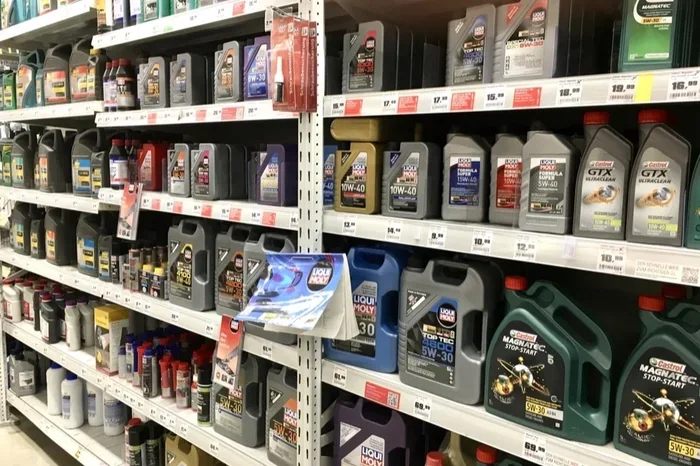
Some people believe mixing brands is fine. Others swear it will ruin your engine. The truth is somewhere in the middle. If you are in a pinch and need to top off, using the same viscosity from a different brand is usually okay for a short time. But mixing synthetic oil with conventional oil is a different story. The chemical makeup is different, and the blend may not perform as well as either oil on its own.
Risks of Driving with Mixed Oil
So what actually happens if you keep driving with mixed oil? The risks are real and they can get expensive fast. Let us look at the biggest dangers.
Engine Wear and Tear
The most immediate risk is increased engine wear. Without proper lubrication, metal parts grind against each other. This creates heat and friction. Over time, this wears down cylinder walls, bearings, and other critical components. You might not notice the damage right away, but it adds up quickly.
Oil Pressure Problems
Mixed oil can cause oil pressure drops. If your oil is too thin, it will not maintain proper pressure. Low oil pressure means less lubrication reaching key parts of your engine. This is one of the fastest ways to cause serious internal damage.
Overheating
Oil does more than lubricate. It also helps cool your engine. When oil is contaminated or mixed incorrectly, it loses its ability to absorb and transfer heat. Your engine can overheat, which can warp metal parts and cause catastrophic failure.
Sludge Buildup
When different oils mix, they can create sludge. Sludge is a thick, sticky substance that clogs oil passages. It blocks oil from reaching where it needs to go. Sludge buildup is one of the leading causes of engine seizure, which means your engine locks up completely and stops running.
Warning Signs Your Oil Is Mixing or Contaminated
How do you know if your oil is mixing or contaminated? Your car will usually give you some clear warning signs. Here is what to look for.
Dark or Dirty Oil
Fresh oil is amber or golden in color. As it ages, it darkens. But if your oil turns very dark or black shortly after an oil change, something is wrong. This could mean the oils are reacting with each other or that contaminants are getting into the system.
Frothy or Foamy Oil
When you check your dipstick, look closely at the oil. If it looks frothy or foamy, air is getting into the oil. This can happen when different oils mix and create bubbles. Foamy oil does not lubricate well, and it is a clear sign of a problem.
Unusual Engine Noises
Your engine should run relatively quietly. If you hear knocking, ticking, or rattling sounds, your oil might not be reaching the parts that need it. Oil mixing symptoms often include strange engine noises because the lubrication system is not working properly.
Dashboard Warning Lights
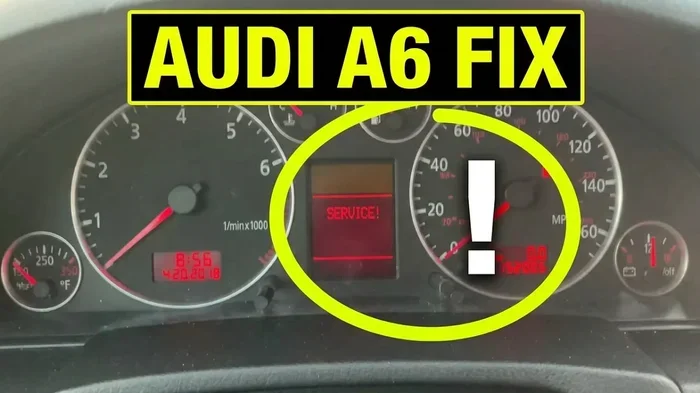
Do not ignore your dashboard. The check engine light, oil pressure warning light, or oil change indicator are all designed to tell you something is wrong. If any of these lights come on, pull over safely and check your oil.
Burning Oil Smell
A burning oil smell inside or outside your car is never a good sign. It could mean oil is leaking onto hot engine parts. It could also mean the mixed oil is breaking down and burning in the combustion chamber. Either way, you need to address this immediately.
What To Do If Your Car Is Mixing Oil
If you suspect your car is mixing oil, do not panic. There are clear steps you can take to protect your engine and fix the problem.
Step 1: Pull Over and Check Your Oil
Find a safe place to pull over. Open the hood and locate your oil dipstick. Pull it out, wipe it clean, and reinsert it. Pull it out again and check the color and level. If the oil looks dark, frothy, or is at an unusual level, you have a problem.
Step 2: Do Not Keep Driving
This is the most important step. Do not keep driving with mixed oil if you can avoid it. The longer you drive, the more damage you risk. If you are far from home, try to get to the nearest safe spot and call for help.
Step 3: Get the Oil Changed
The best fix is a full oil change with the correct type of oil for your vehicle. A mechanic can also flush the engine to remove any residual mixed oil. This ensures a clean start with fresh, properly matched oil.
Step 4: Check for Leaks
Sometimes oil mixing happens because of a leak. Different fluids can leak into the oil system and contaminate it. Have a professional check for leaks in the engine, transmission, and cooling system.
Step 5: Follow Up With Regular Maintenance
After fixing the problem, stick to a regular vehicle maintenance schedule. Change your oil at the intervals recommended by your manufacturer. Use the oil type specified in your owner’s manual. This prevents future mixing problems.
Prevention Tips To Avoid Oil Mixing
Preventing oil contamination is much easier than fixing it. Here are some simple tips to keep your engine running smoothly.
- Use the Same Oil Type Every Time: Stick with the oil type recommended by your manufacturer. If you use synthetic, keep using synthetic.
- Check Oil Levels Regularly: Make it a habit to check your oil at least once a month. This helps you catch problems early.
- Keep Records of Your Oil Changes: Write down when you change your oil and what type you used. This helps you stay consistent.
- Do Not Mix Oil Brands Without Checking: If you must top off with a different brand, make sure the viscosity matches exactly.
- Replace Your Oil Filter: A clogged oil filter can cause contamination. Always replace the filter when you change your oil.
- Watch for Leaks: Regularly inspect under your car for oil spots. Early detection of leaks prevents cross-contamination.
How Much Does It Cost To Fix Oil Mixing Problems?
Nobody wants to hear this, but fixing engine damage from mixed oil can be expensive. The cost depends on how long you drove with mixed oil and how much damage occurred.
A simple oil change and flush will cost between $100 and $250. This is the best-case scenario and the one you want to aim for. If the mixed oil caused oil pressure problems or bearing wear, you could be looking at $500 to $2,000 in repairs. In the worst case, a seized engine means a full engine replacement, which can cost $4,000 or more.
The takeaway is clear. A cheap oil change now can save you thousands of dollars later. Do not put off fixing oil mixing problems.
Common Mistakes People Make With Engine Oil
Even careful car owners make mistakes with their oil. Here are the most common ones and how to avoid them.
Topping Off With the Wrong Oil
This is the number one cause of oil mixing. People grab whatever oil is closest when they need a top-off. Always check your owner’s manual for the correct oil type before adding anything.
Waiting Too Long Between Oil Changes
Old oil breaks down and loses its effectiveness. When you mix old oil with new oil, the result is less effective than either one alone. Stick to your oil change schedule.
Ignoring Warning Signs
Dark oil, strange noises, and dashboard lights are all trying to tell you something. Ignoring them only makes the problem worse.
Overfilling the Oil
Too much oil can cause foaming, which leads to poor lubrication. Follow the recommended oil level for your engine.
Expert Insights on Oil Mixing
We spoke with certified mechanics about the most common questions they hear about oil mixing. Here is what the experts had to say.
“The biggest mistake we see is people topping off with whatever oil they have in the garage,” says one experienced mechanic. “Even if the viscosity is the same, different brands have different additive packages. Over time, these additives can interact and reduce the oil’s effectiveness.”
“If you accidentally mix oils once, you probably will not cause major damage,” another mechanic adds. “But if you keep driving on mixed oil for weeks or months, the cumulative damage adds up fast. Get it changed as soon as you realize the mistake.”
Experts also emphasize the importance of regular oil pressure checks. A simple diagnostic test at your local shop can tell you if your oil is performing properly. This is especially important if you have mixed oils in the past.
Quick Tips for Safe Driving
- Always use the oil type recommended in your owner’s manual.
- Keep a small bottle of the correct oil in your trunk for emergencies.
- Check your oil level every time you fill up with gas.
- Never ignore dashboard warning lights.
- Schedule oil changes based on mileage, not just time.
- Ask your mechanic to inspect for leaks during every oil change.
Conclusion
The question can I still drive my car when its mixing oil does not have a simple yes or no answer. The truth is that driving with mixed oil carries real risks. From increased engine wear to overheating and sludge buildup, the dangers are significant. The best approach is to address the problem immediately and avoid driving until you can get the oil changed.
Taking care of your engine oil is one of the simplest and most important things you can do as a car owner. Regular maintenance, using the right oil, and paying attention to warning signs will keep your engine healthy for years to come. Do not take shortcuts with your oil. Your engine depends on it.
So the next time you wonder about driving with mixed oil, remember this: a little caution now saves you from big problems later. Check your oil, get it changed if needed, and drive with confidence knowing your engine is properly protected.
Frequently Asked Questions
What happens if I drive with mixed oil?
Driving with mixed oil can reduce lubrication, cause overheating, and lead to increased engine wear. Over time, mixed oil can create sludge that clogs important passages and causes serious damage. It is best to get the oil changed as soon as possible.
Can I mix synthetic oil with conventional oil?
You can mix them in an emergency, but it is not recommended for long-term use. The different chemical compositions can reduce the overall effectiveness of the oil blend. Always try to use the same oil type consistently.
How do I know if my oil is contaminated?
Signs of contaminated oil include dark or frothy appearance, unusual engine noises, burning oil smells, and dashboard warning lights. Check your oil regularly using the dipstick and look for any of these warning signs.
How much does it cost to flush mixed oil from an engine?
A full oil change and flush typically costs between $100 and $250. The exact price depends on your vehicle type and the oil used. This cost is much lower than repairing engine damage caused by driving on mixed oil.
Can oil mixing cause my check engine light to come on?
Yes, mixed oil can trigger the check engine light. Poor lubrication affects oil pressure and engine performance, which your car’s sensors detect. If your check engine light comes on, have your oil checked right away.
How often should I change my oil to prevent mixing problems?
Follow the oil change interval recommended by your vehicle manufacturer, which is typically every 5,000 to 7,500 miles for most modern cars. Sticking to a regular schedule prevents old oil from mixing with new oil and keeps your engine properly protected.
=== CONCLUSION ===
Can I still drive my car when its mixing oil? The safest answer is no. Oil mixing in engine problems can lead to expensive repairs and serious damage if left unchecked. By understanding the risks, recognizing the warning signs, and taking quick action, you can protect your engine and keep your car running smoothly. Always use the right oil, follow your maintenance schedule, and never ignore the symptoms of oil contamination. Your car will thank you for it.