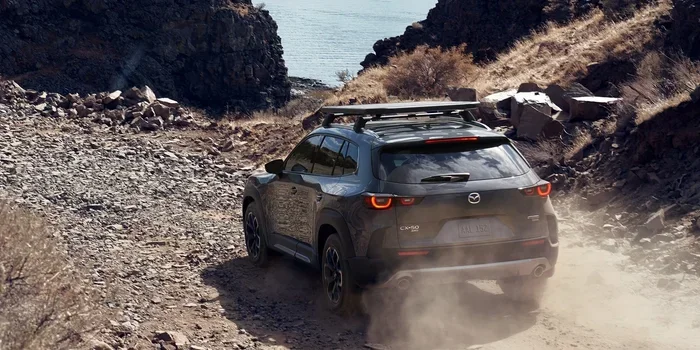
Difference Between CX 30 and CX5 Which Mazda Suits You
The difference between CX 30 and CX5 comes down to size, price, and purpose. The CX-30 is a stylish subcompact SUV built on the Mazda3 platform, while the CX-5 is a larger compact SUV with more room and features. Both offer excellent driving dynamics, but they target different buyers and budgets.
So you are standing in a Mazda dealership or scrolling through configs online, trying to decide between two fantastic SUVs. The difference between CX 30 and CX5 might seem small at first glance. But trust me, it matters a lot depending on your lifestyle, budget, and what you need from a vehicle.
Both the CX-30 and CX-5 belong to Mazda’s SUV family, and both deliver the brand signature driving feel. However, they sit in different segments and serve different needs. The CX-30 is a subcompact crossover that brings sportiness and style in a smaller package. The CX-5 is a compact SUV that offers more space, more features, and a bit more refinement. In this guide, we will break down everything you need to know to make the right choice.
Whether you are a first time car buyer or someone trading up, understanding the CX 30 vs CX5 comparison will save you time, money, and buyer’s remorse. Let us dive in.
Key Takeaways
- Size Matters: The CX-5 is noticeably larger than the CX-30 in both passenger and cargo space.
- Price Gap: The CX-30 starts at a lower price point, making it a budget-friendly option.
- Platform Difference: The CX-30 shares its platform with the Mazda3, while the CX-5 has its own dedicated platform.
- Fuel Economy: The CX-30 tends to deliver slightly better fuel economy due to its smaller size and lighter weight.
- Safety Features: Both models come packed with Mazda i-Activsense safety tech as standard or available.
- Driving Feel: The CX-5 offers a more planted, refined ride, while the CX-30 feels nimble and fun.
- Target Buyers: The CX-30 suits singles or couples, while the CX-5 fits growing families better.
📑 Table of Contents
Overview of the Mazda CX-30
The Mazda CX-30 made its debut as a bridge between the Mazda3 hatchback and the CX-5. It slots below the CX-5 in Mazda’s lineup and targets buyers who want a compact, stylish SUV without the larger footprint. The CX-30 shares its platform with the Mazda3, which gives it a lower ride height and a more car like feel.
Design and Style
Mazda designed the CX-30 with a focus on aesthetics. The CX-30 exterior features sleek lines, a bold front grille, and a sporty stance that turns heads in parking lots. Inside, the cabin feels upscale with soft materials, a sweeping dashboard, and a driver focused layout. The CX-30 interior punches above its price class, offering a premium feel that many competitors struggle to match.
Performance and Powertrain
Under the hood, the CX-30 comes with a 2.5 liter four cylinder engine producing around 186 horsepower. This engine is part of Mazda’s Skyactiv technology family, which focuses on efficiency and responsiveness. You can choose between front wheel drive and all wheel drive. The CX-30 delivers smooth acceleration and confident highway merging. Fuel economy is solid, with the front wheel drive version earning around 25 to 30 miles per gallon depending on the trim.
Who Is the CX-30 For?
The CX-30 is ideal for singles, young couples, or small families who prioritize style and driving enjoyment. It is also a great choice for buyers who want a subcompact SUV with premium features at an accessible price point. If you do not need tons of cargo space and mostly drive alone or with one passenger, the CX-30 hits the sweet spot.
Overview of the Mazda CX-5
The CX-5 has been a cornerstone of Mazda’s lineup since 2012. It is a compact SUV that competes with the Honda CR-V, Toyota RAV4, and Nissan Rogue. The CX-5 sits above the CX-30 in terms of size, features, and price. It is built on Mazda’s dedicated SUV platform, which gives it a more robust and refined character.
Design and Style
The CX-5 design follows Mazda’s Kodo design language, which emphasizes motion and elegance. The body lines are muscular yet refined. The front end features Mazda’s signature large grille with sharp LED headlights that give the CX-5 a commanding presence on the road. Inside, the CX-5 offers a more spacious cabin with higher quality materials and better noise insulation than the CX-30.
Performance and Powertrain
The CX-5 also uses the 2.5 liter Skyactiv four cylinder engine, but it produces the same 187 horsepower as the CX-30 in most trims. However, because the CX-5 is larger and heavier, the driving feel is slightly different. The CX-5 feels more planted and stable at highway speeds. It also offers a available 2.5 liter turbocharged engine in higher trims, delivering up to 256 horsepower for buyers who want more power.
Who Is the CX-5 For?
The CX-5 is perfect for families, road trippers, and anyone who needs more space without sacrificing driving pleasure. It is also a great choice for buyers who want a compact SUV with strong resale value and a reputation for reliability. If you regularly carry passengers or need to haul gear, the CX-5 is the better pick.
CX 30 vs CX5 Size and Space Comparison
One of the most noticeable differences between these two models is size. The CX 30 vs CX5 size comparison tells a clear story about who each vehicle is meant for.
Passenger Space
The CX-30 offers seating for five passengers, but the rear seats feel a bit tight for taller adults on long trips. Legroom and headroom are adequate for most people but not generous. The CX-5, on the other hand, provides noticeably more room in the back seat. Taller passengers will appreciate the extra legroom and the more comfortable seating position.
Cargo Space
Cargo capacity is where the gap really shows. The CX-30 offers around 20 to 27 cubic feet of cargo space behind the rear seats, depending on the trim. The CX-5 provides approximately 30 to 59 cubic feet, which is a significant upgrade. If you frequently pack luggage, sports equipment, or groceries, the CX-5 gives you much more flexibility.
Dimensions
The CX-30 is shorter and narrower, making it easier to park in tight urban spaces. The CX-5 is longer and wider, which can feel cumbersome in crowded city parking lots but offers better stability on highways. Here is a quick side by side look:
- CX-30 length: Around 175 inches
- CX-5 length: Around 179 inches
- CX-30 width: Around 72 inches
- CX-5 width: Around 73 inches
- CX-30 height: Around 60 inches
- CX-5 height: Around 64 inches
These differences might seem small on paper, but they make a real world impact when you are loading groceries or fitting a car seat in the back.
Pricing and Value Comparison
Price is often the deciding factor when buyers compare these two models. The CX 30 price starts lower than the CX-5, which makes it attractive for budget conscious buyers. However, value goes beyond just the sticker price.
Starting Prices
The base CX-30 starts around $23,000 to $24,000 depending on the model year and trim. The base CX-5 starts around $28,000 to $29,000. That is a meaningful gap of several thousand dollars. But keep in mind that the CX-5 comes with more standard features, more cargo space, and a more refined ride.
Trim Levels and Features
Both models offer multiple trim levels, from base to top tier. The CX-30’s higher trims can push close to CX-5 pricing, especially when you add all wheel drive and premium packages. Here are some key points to consider:
- Base models: The CX-30 is cheaper to start.
- Mid trims: The gap narrows as you add features.
- Top trims: The CX-5 offers more standard luxury features at its highest trim level.
- All wheel drive: Available on both, but it adds cost to either vehicle.
When evaluating Mazda CX-30 vs CX-5 value, think about what features matter most to you. The CX-30 delivers strong value in the subcompact segment, while the CX-5 offers better long term value for families and frequent travelers.
Fuel Economy and Efficiency
Fuel economy is another area where the difference between CX 30 and CX5 shows up. Smaller vehicles generally burn less fuel, and the CX-30 follows this trend.
CX-30 Fuel Economy
The front wheel drive CX-30 earns an estimated 25 mpg in the city and 31 mpg on the highway. The all wheel drive version is slightly lower at around 24 mpg city and 30 mpg highway. These numbers are competitive for a subcompact crossover.
CX-5 Fuel Economy
The CX-5 with front wheel drive gets around 25 mpg city and 31 mpg highway, which is very close to the CX-30. The all wheel drive CX-5 drops slightly to about 24 mpg city and 30 mpg highway. The turbocharged CX-5 gets lower fuel economy, typically around 22 mpg combined.
Overall, both vehicles deliver excellent fuel economy for their class. The difference is minimal in real world driving, so do not let fuel economy be your sole deciding factor.
Safety and Technology Features
Mazda takes safety seriously, and both the CX-30 and CX-5 come loaded with advanced driver assistance features. The Mazda i-Activsense suite includes automatic emergency braking, lane departure warning, adaptive cruise control, and blind spot monitoring.
CX-30 Safety
The CX-30 earned a Top Safety Pick+ rating from the Insurance Institute for Highway Safety. Standard safety features include forward collision warning, automatic emergency braking, and lane keep assist. Higher trims add adaptive cruise control and a 360 degree camera system.
CX-5 Safety
The CX-5 also carries the Top Safety Pick+ award. It shares most of the same safety technology but adds a few extras on higher trims, such as traffic sign recognition and a head up display. The CX-5 also offers a more advanced Mazda infotainment system with a larger screen and more connectivity options.
Both vehicles are excellent choices for safety conscious buyers. The CX-5 edges ahead slightly with its additional tech on upper trims, but the CX-30 holds its own in the safety department.
Which One Should You Choose?
Now that we have covered the major differences, let us talk about how to decide. The difference between CX 30 and CX5 really comes down to your personal situation.
Choose the CX-30 if you want a stylish, affordable SUV that is easy to park and fun to drive. It is perfect for urban dwellers, young professionals, or anyone who does not need maximum cargo space. The CX-30 delivers strong value and a premium feel at a competitive price.
Choose the CX-5 if you need more room, more features, and a more refined driving experience. It is the better choice for families, road trippers, and anyone who regularly carries passengers or gear. The CX-5 also holds its value better on the used market, which is a smart long term investment.
Both vehicles represent Mazda at its best. You cannot go wrong with either one. The key is matching the right model to your lifestyle and budget.
Common Mistakes Buyers Make
When comparing these two SUVs, many buyers make avoidable mistakes. Here are a few to watch out for:
- Ignoring total cost of ownership: The CX-30 may cost less upfront, but maintenance, insurance, and fuel costs can add up. Compare the full picture.
- Overlooking cargo needs: A smaller SUV feels great in the showroom but can be frustrating when you need to haul bulky items.
- Skipping test drives: You cannot truly feel the difference between these two models without sitting behind the wheel and driving them yourself.
- Ignoring resale value: The CX-5 tends to hold its value better, which matters if you plan to trade in or sell within a few years.
Avoid these pitfalls, and you will make a confident, informed decision.
Expert Insights
Automotive experts consistently praise both the CX-30 and CX-5 for their driving dynamics. According to reviews from major publications, the CX-5 offers a more polished overall package, while the CX-30 brings a youthful energy that appeals to younger buyers. Both models receive high marks for build quality, interior design, and reliability.
Experts also note that the Mazda CX-30 vs CX-5 debate often comes down to personal preference rather than clear superiority. Each model excels in its own segment, and buyers who prioritize driving enjoyment over raw specs will be happy with either choice.
Quick Tips for Your Decision
- Measure your garage and parking space to ensure the CX-30 or CX-5 fits comfortably.
- Bring your family on the test drive to check rear seat comfort.
- Compare insurance quotes for both models before finalizing your budget.
- Consider your typical driving conditions city versus highway and choose the drivetrain accordingly.
- Read owner reviews to learn about real world reliability and ownership costs.
These simple steps will help you walk into the dealership with confidence and clarity.
Conclusion
The difference between CX 30 and CX5 comes down to size, price, and purpose. The CX-30 is a compact, stylish subcompact SUV that delivers great value and fun driving dynamics. The CX-5 is a larger, more refined compact SUV that offers more space, more features, and better long term value for families. Both are excellent vehicles that represent Mazda’s commitment to quality, design, and driving pleasure.
Take your time, do your research, and most importantly, take both for a test drive. When you find the right match, you will know it. And whichever one you choose, you are getting a fantastic Mazda SUV that will serve you well for years to come.
Frequently Asked Questions
Is the CX-30 smaller than the CX-5?
Yes, the CX-30 is a subcompact SUV while the CX-5 is a compact SUV. The CX-30 is shorter, narrower, and lighter, which makes it easier to maneuver and park in tight spaces.
Which Mazda SUV has better fuel economy, the CX-30 or CX-5?
The CX-30 has a slight edge in fuel economy because it is lighter and smaller. However, the difference is small, and both vehicles deliver excellent mpg for their class.
Is the CX-5 more expensive than the CX-30?
Yes, the CX-5 starts at a higher price point. The base CX-30 is more affordable, but higher trims of the CX-30 can approach CX-5 pricing when fully loaded.
Does the CX-30 have the same engine as the CX-5?
Both models share the same 2.5 liter Skyactiv four cylinder engine in their base forms. The CX-5 also offers a turbocharged 2.5 liter engine in higher trims, which the CX-30 does not have.
Which Mazda SUV is better for families?
The CX-5 is the better choice for families because it offers more passenger space, more cargo room, and additional safety features on upper trims. It is simply more practical for daily family use.
Are both the CX-30 and CX-5 reliable?
Yes, both models are known for strong reliability. Mazda consistently ranks high in reliability surveys, and both the CX-30 and CX-5 have earned solid marks from consumer reports and safety organizations.