2020 Toyota Corolla Maintenance Schedule for Owners
The 2020 Toyota Corolla maintenance schedule keeps your car reliable, safe, and efficient for years. This guide covers every service interval from oil changes to brake inspections. Owners will find clear, actionable steps to stay on top of routine upkeep.
Owning a 2020 Toyota Corolla is a great experience. This car is known for reliability, fuel efficiency, and low cost of ownership. But even the best car needs regular care to keep running smoothly.
A proper 2020 Toyota Corolla maintenance schedule is the key to long-term performance. When you follow the recommended service intervals, you avoid costly repairs down the road. You also keep your car safe and running like new for many years.
This guide breaks down every maintenance task you need to know. From oil changes to brake inspections, you will find everything in one place. Whether you are a new owner or have had your Corolla for a while, this schedule will help you stay organized.
Let us walk through the details together. By the end, you will feel confident about keeping your car in top shape.
Key Takeaways
- Follow the 5,000-mile or 6-month oil change interval to protect your engine and maximize performance.
- Replace brake pads every 30,000 to 70,000 miles depending on driving habits and road conditions.
- Rotate tires every 5,000 to 7,500 miles for even wear and longer tire life.
- Change the air filter and cabin filter annually to maintain air quality and engine efficiency.
- Flush coolant every 100,000 miles or 120 months to prevent overheating and corrosion.
- Inspect the battery and spark plugs regularly to avoid unexpected breakdowns.
- Use synthetic oil for best results in the 2020 Corolla engine.
📑 Table of Contents
Why Following a Maintenance Schedule Matters
Some car owners skip service appointments or ignore warning lights. This might save time now, but it leads to bigger problems later. A Toyota Corolla service interval is designed by engineers who know this vehicle inside and out.
When you stick to the recommended maintenance schedule, you get several important benefits. First, your engine stays well-lubricated and runs efficiently. Second, small issues get caught before they become expensive repairs. Third, your car holds its value better if you keep up with service records.
Prevention Is Always Cheaper Than Repair
Think of maintenance like brushing your teeth. A small daily habit prevents big problems later. The same idea applies to your 2020 Corolla. A simple oil change costs around $50. But a seized engine from neglected oil can cost thousands.
Regular brake inspection is another great example. Catching worn brake pads early means a cheap fix. Waiting too long can damage rotors, which costs much more to replace. The math is simple, stay on top of service and save money.
Safety Should Always Come First
Your Corolla maintenance schedule is not just about the engine. It also covers safety systems like brakes, tires, and lights. A well-maintained car responds better in emergencies. This protects you, your passengers, and everyone on the road.
Oil Change and Engine Care
The engine is the heart of your 2020 Toyota Corolla. Keeping it well-maintained is the single most important thing you can do. The oil change schedule is the foundation of all engine care.
Oil Change Intervals
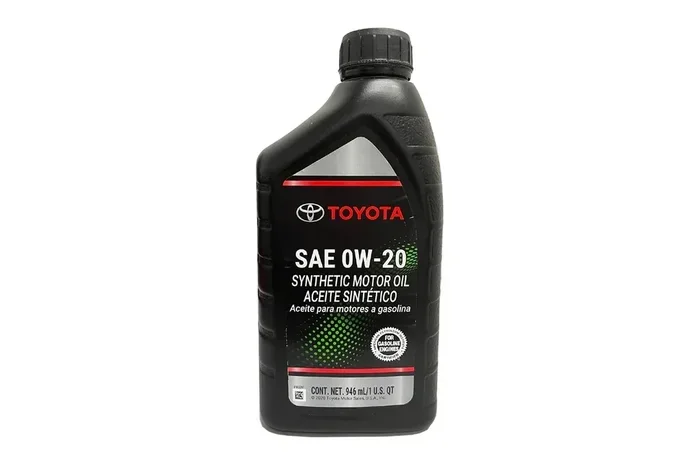
Toyota recommends changing the oil every 5,000 miles or 6 months. This applies whether you use conventional or synthetic oil. However, many experts suggest using synthetic oil for better protection. Synthetic oil lasts longer and handles extreme temperatures better than conventional options.
Here is what to keep in mind for your oil changes:
- Use 0W-20 synthetic oil for the best engine performance.
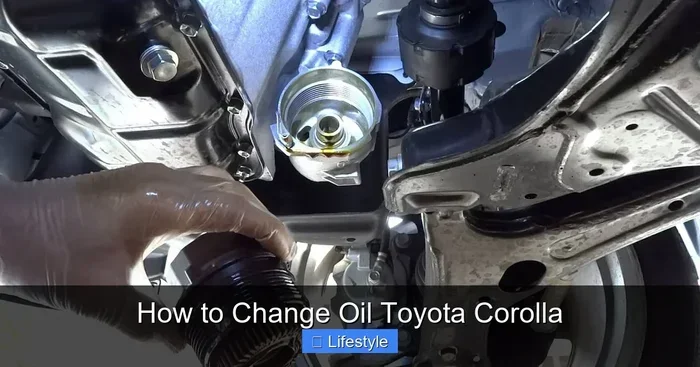
- Replace the oil filter every time you change the oil.
- Check oil level monthly between changes to catch leaks early.
- Do not skip oil changes even if you drive short distances.
Engine Filter and Air Quality
The engine air filter keeps dust and debris out of your combustion chambers. A clogged filter reduces fuel efficiency and engine power. Replace it every 15,000 to 30,000 miles as part of your Toyota Corolla service interval routine.
The cabin air filter works just as hard. It keeps the air inside your car clean and free of allergens. Replace this filter once a year or every 15,000 miles. This is a quick and inexpensive job that makes a big difference in air quality.
Brake System Maintenance
Your brakes are the most important safety feature on your car. The 2020 Toyota Corolla maintenance schedule includes regular brake inspections at every service visit. Understanding how your brake system works helps you know when to take action.
Brake Pads and Rotors
Brake pads wear down over time through normal use. Most owners need to replace brake pads every 30,000 to 70,000 miles. However, this range depends on several factors:
- Driving style — Hard braking wears pads faster.
- Road conditions — Stop-and-go city driving is harder on brakes than highway driving.
- Terrain — Hilly areas cause more brake wear.
- Load weight — Carrying heavy items puts more stress on the brake system.
Listen for warning signs like squealing or grinding noises. If you feel vibration when braking, get your brake inspection done right away. Replacing pads early saves your rotors from expensive damage.
Brake Fluid and Lines
Brake fluid absorbs moisture over time, which reduces braking performance. Toyota recommends replacing brake fluid every 2 years or 20,000 miles. This is a simple fluid swap that keeps your brake system working at full strength.
Also, have your mechanic inspect brake lines for any signs of corrosion or leaks. Catching a small leak early prevents a dangerous brake failure.
Tire Care and Wheel Maintenance
Your tires are the only part of your car that touches the road. Proper tire care improves safety, fuel economy, and ride comfort. The Corolla maintenance schedule includes several tire-related tasks.
Tire Rotation
Tires wear unevenly because of how weight distributes across the car. Rotating your tires every 5,000 to 7,500 miles ensures even wear. This simple step extends the life of your tires and saves you money.
Many owners combine tire rotation with their oil change appointment. This makes it easy to remember and keeps everything on track.
Wheel Alignment and Balancing
Wheel alignment affects how your car handles and how your tires wear. Get a wheel alignment check every 12,000 miles or once a year. Signs that your alignment is off include:
- The car pulls to one side while driving.
- The steering wheel is off-center when driving straight.
- Tires wear more on one edge than the other.
- You feel vibration in the steering wheel at highway speeds.
Balancing your wheels whenever you get new tires prevents uneven wear and improves ride comfort. Do not skip this step, even if it seems minor.
Fluid Checks and Flushes
Your 2020 Corolla relies on several fluids to operate properly. Each fluid has a specific replacement interval that is part of the maintenance reminder system in your car. Here is a breakdown of the key fluids and when to service them.
Coolant System
Coolant keeps your engine from overheating. Toyota uses long-life coolant in the 2020 Corolla, which means you do not need to flush it often. The recommended interval is every 100,000 miles or 120 months. However, check the coolant level regularly to make sure there are no leaks.
Transmission Fluid
Transmission fluid keeps the gears shifting smoothly. For the 2020 Corolla, Toyota recommends checking the transmission fluid at 60,000 miles. The fluid may need replacement around 100,000 miles depending on driving conditions. Always use the correct type of fluid specified in your owner manual.
Power Steering Fluid
The 2020 Corolla uses electric power steering, which means there is no traditional power steering fluid to change. This is one less thing to worry about. However, it is still good to check the system for any unusual noises or stiffness in the steering.
Battery and Electrical System
A dead battery is one of the most common reasons cars fail to start. The 2020 Toyota Corolla maintenance schedule includes periodic battery checks to prevent surprises.
Toyota batteries typically last 3 to 5 years. However, extreme temperatures, short trips, and leaving lights on can shorten battery life. Have your mechanic test the battery during every oil change. This simple check gives you early warning before a failure happens.
Spark Plugs
Spark plugs ignite the fuel-air mixture in your engine. Worn spark plugs cause rough idling, poor fuel economy, and difficulty starting. Replace spark plugs every 60,000 to 100,000 miles depending on the type installed. Iridium spark plugs last longer and perform better than standard copper plugs.
Serpentine Belt
The serpentine belt drives your alternator, power steering, and air conditioning compressor. Inspect this belt every 15,000 miles and replace it if you see cracks or wear. A broken serpentine belt can leave you stranded, so do not ignore this simple inspection.
Quick Tips for Staying on Track
Staying organized with your Corolla maintenance schedule does not have to be hard. Here are some practical tips that real owners use to stay on top of service:
- Set calendar reminders for every 5,000-mile oil change and 15,000-mile service milestone.
- Keep a service log in your glove box or a phone app. Write down every oil change, tire rotation, and inspection.
- Read your owner manual carefully. It has the exact schedule for your specific model and trim.
- Use the maintenance reminder system in your dashboard. Reset it after every service visit.
- Build a relationship with a trusted mechanic. A good shop knows your car and can spot problems early.
- Do not ignore the check engine light. Even if the car seems to run fine, get it diagnosed promptly.
Common Mistakes to Avoid
Even the best intentions can lead to mistakes when caring for your 2020 Corolla. Here are common errors that owners should avoid:
- Skipping oil changes because the car looks fine on the outside. Engine wear happens from the inside out.
- Ignoring the maintenance reminder light on the dashboard. It is there for a reason.
- Using the wrong oil grade can reduce engine efficiency and void your warranty.
- Postponing brake service because you do not hear any noise yet. Brakes wear silently sometimes.
- Neglecting tire pressure checks — underinflated tires reduce fuel economy and wear out faster.
Avoiding these mistakes keeps your car in great shape and your repair costs low. A few minutes of attention today saves hundreds of dollars tomorrow.
Expert Insights on Corolla Ownership
Experienced mechanics and long-time Corolla owners agree on one thing, consistency is everything. The 2020 Toyota Corolla maintenance schedule is straightforward and easy to follow. Unlike some cars that need frequent and expensive service, the Corolla is designed for low-maintenance ownership.
Many owners report driving their Corollas well past 200,000 miles with only routine maintenance. The key is never skipping scheduled services and addressing small issues before they grow. When you invest a little time and money in regular upkeep, your car gives you reliable service for many years.
One mechanic shared this advice, “The Corolla is one of the most forgiving cars on the road. But it still needs its basic maintenance. Oil, filters, brakes, and tires are the foundation. Keep those in good shape and everything else falls into place.”
Conclusion
Following a 2020 Toyota Corolla maintenance schedule is one of the smartest things you can do as a car owner. It protects your investment, keeps you safe, and saves money in the long run. From oil changes to brake inspections, every service task plays an important role in your car’s health.
Use this guide as your go-to reference. Print it out, save it on your phone, or share it with a fellow Corolla owner. The more you know about your car’s needs, the better equipped you are to take care of it.
Your 2020 Corolla was built to last. With the right maintenance routine, it will keep running strong for many miles to come. Start today, stay consistent, and enjoy the peace of mind that comes with a well-maintained vehicle.
Frequently Asked Questions
How often should I change the oil in my 2020 Toyota Corolla?
Toyota recommends an oil change every 5,000 miles or 6 months, whichever comes first. Using synthetic oil can help extend engine protection between changes. Always check your owner manual for the exact specification for your model.
What is included in the 2020 Toyota Corolla maintenance schedule?
The schedule covers oil changes, brake inspections, tire rotations, fluid flushes, spark plug replacement, and filter changes. It also includes battery checks and serpentine belt inspections at recommended intervals. Following this plan keeps your car running reliably for years.
Can I do my own maintenance on a 2020 Toyota Corolla?
Yes, many tasks like oil changes, air filter replacements, and tire rotations are DIY-friendly. However, complex jobs like brake work and transmission service are best left to a professional. Always refer to your owner manual before attempting any repair.
How long do brake pads last on a 2020 Toyota Corolla?
Brake pads typically last between 30,000 and 70,000 miles. Your driving style and road conditions play a big role in pad wear. Listen for squealing sounds and get regular brake inspections to know when replacement is needed.
Does the 2020 Corolla need a timing belt replacement?
The 2020 Corolla uses a timing chain instead of a timing belt. Timing chains are designed to last the life of the engine in most cases. However, have your mechanic inspect it during major service visits to be safe.
How do I reset the maintenance reminder on my 2020 Toyota Corolla?
Press and hold the trip meter reset button on your dashboard. Then navigate to the maintenance menu using the steering wheel controls. Select the service item and confirm the reset. Your owner manual has detailed step-by-step instructions for this process.