What Are the Dangers of Overfilling Oil in Car Engine
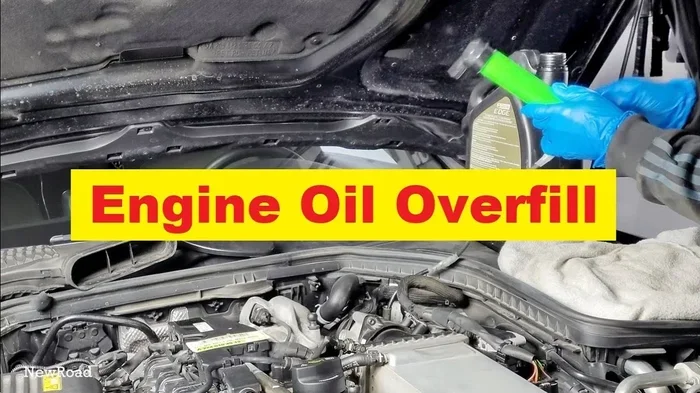
Overfilling oil in car engine can cause severe internal damage, reduced performance, and expensive repairs. When oil levels exceed the recommended limit, it leads to oil foaming, increased crankcase pressure, and poor lubrication. Understanding the risks and symptoms helps you protect your engine and avoid costly mistakes.
You just changed your car’s oil, or maybe you topped it off at a quick-lube shop. Everything seems fine — until you notice something feels off. The engine sounds different. Smoke trails behind you. Or maybe your dashboard lights up with a warning you’ve never seen before.
Here’s the thing most car owners don’t realize: overfilling oil in car engine is one of the most common yet most overlooked mistakes. It happens more often than you’d think. And the damage it causes can be serious — even catastrophic if left unchecked.
In this guide, we’ll walk through exactly what happens when there’s too much oil in your engine. You’ll learn the warning signs, the real risks, how to fix the problem, and most importantly, how to prevent it from happening again. Whether you’re a DIY mechanic or someone who just wants to understand what’s under the hood, this article has everything you need.
Overfilling oil in car engine might sound harmless at first. After all, more oil means more lubrication, right? Wrong. That assumption is dangerously incorrect. Too much oil creates a chain reaction of problems that can shorten your engine’s life and lead to thousands of dollars in repairs.
Key Takeaways
- Engine Damage Risk: Overfilling oil in car engine can cause crankshaft damage, oil leaks, and even engine seizure in severe cases.
- Foaming Is a Major Problem: Excess oil creates air bubbles that reduce lubrication and increase friction inside the engine.
- Recognize the Signs Early: Blue smoke, high oil pressure, and unusual engine noises are key indicators of overfilling.
- Fix It Quickly: Draining the excess oil promptly can prevent long-term damage and save you hundreds in repairs.
- Prevention Is Simple: Always check the dipstick and follow manufacturer oil capacity guidelines to avoid overfilling.
📑 Table of Contents
- What Happens When You Overfill Oil in Car Engine
- Signs That Your Engine Has Too Much Oil
- How Overfilling Oil Damages Engine Components
- Common Causes of Overfilling Oil in Car Engine
- How to Fix an Overfilled Engine
- Preventing Oil Overfill in the Future
- How Much Overfill Is Too Much?
- Can Overfilling Oil Cause a Car to Stall?
- Conclusion
What Happens When You Overfill Oil in Car Engine
The Science Behind Oil Overfill
Your engine needs a precise amount of oil to function correctly. The oil circulates through internal passages, lubricates moving parts, absorbs heat, and carries away contaminants. Every engine is designed with a specific oil capacity — and that number matters a lot.
When you exceed that capacity, the extra oil has nowhere to go. The crankshaft — the large rotating component at the bottom of the engine — starts churning through the excess oil. This creates a phenomenon called oil aeration, also known as oil foaming. Instead of smooth, consistent lubrication, you get pockets of air mixed into the oil.
Foamed oil loses its ability to lubricate properly. The air bubbles compress and expand unpredictably, causing inconsistent oil pressure. Some parts of the engine get too little lubrication, while others get none at all. Over time, this leads to increased friction, overheating, and accelerated wear on critical components.
Increased Crankcase Pressure
Another serious issue caused by overfilling oil in car engine is elevated crankcase pressure. The crankcase is the housing at the bottom of the engine that holds the oil. When there’s too much oil, the crankshaft has less room to rotate without splashing into the oil pool.
This splashing forces oil mist into areas where it shouldn’t be — like the combustion chamber and the crankcase ventilation system. The result is increased pressure inside the crankcase. Over time, this pressure can push past seals and gaskets, causing oil leaks from multiple points around the engine.
Oil Starvation and Lubrication Failure
It might sound contradictory, but having too much oil can actually starve parts of your engine. The foaming effect disrupts the oil pump’s ability to deliver consistent, pressurized oil flow. Critical bearings, camshafts, and timing chains can suffer from oil starvation, meaning they don’t receive the film of oil they need to reduce metal-on-metal contact.
In extreme cases, this leads to engine seizure — a complete lock-up of internal components that usually means a total engine replacement. Nobody wants to face that repair bill.
Signs That Your Engine Has Too Much Oil
Detecting overfilling oil in car engine early can save you from major headaches. The good news is that your car gives you several warning signs. Here’s what to watch for:
Blue or White Smoke from the Exhaust
This is one of the most obvious symptoms. When excess oil enters the combustion chamber, it burns along with fuel. This produces blue or blue-white smoke from the tailpipe. A small amount of smoke might not seem alarming, but persistent blue smoke is a clear signal that something is wrong with your oil levels.
Unusual Engine Sounds
Listen carefully to your engine. If you hear a whining, knocking, or grinding noise, especially during acceleration, it could be a sign of poor lubrication. Foamed oil can’t cushion engine parts the way clean, properly leveled oil can. These sounds often get worse under heavy load or at higher RPMs.
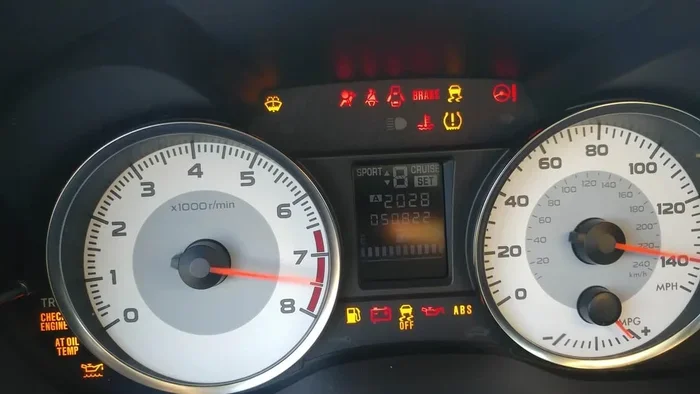
Oil Pressure Warning Light
Modern cars have sensors that monitor oil pressure in real time. If the oil pressure warning light illuminates on your dashboard, don’t ignore it. Overfilling can cause erratic oil pressure readings — sometimes too high, sometimes too low — both of which are harmful.
Oil Leaks and Oil Smell
Excess oil increases pressure on seals and gaskets. Over time, this can cause oil to seep past these barriers. You might notice oil pooling under your car, or you might smell burning oil inside the cabin. Either way, these are strong indicators that your oil level needs attention.
Reduced Engine Performance
An engine running on foamed or improperly lubricated oil will lose power. You might notice sluggish acceleration, rough idling, or decreased fuel efficiency. These subtle changes often go unnoticed at first, but they add up quickly and can signal internal engine stress.
How Overfilling Oil Damages Engine Components
Let’s take a closer look at the specific parts of your engine that suffer when oil levels are too high. Understanding the damage helps you appreciate why staying within the correct oil capacity is so important.
Crankshaft and Connecting Rod Bearings
The crankshaft converts the up-and-down motion of pistons into rotational motion. It relies on a thin film of oil to float on bearings. When overfilling oil in car engine causes foaming, this oil film breaks down. The bearings grind against the crankshaft, wearing them out prematurely. Replacing bearings is expensive, and in severe cases, the crankshaft itself can crack or break.
Cylinder Walls and Pistons
Excess oil can splash onto cylinder walls and get past piston rings into the combustion chamber. This causes carbon buildup on pistons and valves. Carbon deposits reduce engine efficiency, increase emissions, and can cause engine misfires over time.
Oil Pump and Oil Filter
The oil pump is designed to circulate a specific volume of oil. When there’s too much oil in the system, the pump works harder than it should. This extra strain can lead to oil pump failure. Similarly, the oil filter can become overwhelmed by excess contaminants carried in the foamed oil, reducing its effectiveness and potentially allowing debris to circulate through the engine.
Gaskets and Seals
Increased crankcase pressure from overfilling pushes against every gasket and seal in the engine. Valve cover gaskets, oil pan gaskets, and front/rear main seals are all vulnerable. Once these seals fail, you’re looking at oil leaks that not only create a mess but also lead to oil loss — which then creates a whole new set of problems.
Catalytic Converter Damage
When excess oil burns in the combustion chamber, it produces hydrocarbon deposits that flow into the catalytic converter. This component is designed to reduce harmful emissions, but too much oil ash can clog it. A clogged catalytic converter leads to reduced engine performance, increased fuel consumption, and an expensive replacement — these parts can cost $500 to $2,000 or more.
Common Causes of Overfilling Oil in Car Engine
Understanding why overfilling oil in car engine happens is the first step toward preventing it. Here are the most common causes:
Pouring Too Much Oil During a Change
This is the number one cause. When you’re pouring oil from a jug into the engine, it’s easy to lose track of how much you’ve added. A few extra ounces might not sound like much, but even a small overfill can cause problems. Always add oil gradually and check the dipstick frequently.
Misreading the Dipstick
The dipstick is your best friend for checking oil levels, but many people don’t use it correctly. You need to check oil when the engine is cold (or after sitting for a few minutes), the car is on level ground, and the dipstick is wiped clean before reinserting. A quick, sloppy check can give you a false reading.
Adding Oil Without Draining the Old Oil
Some people top off oil without ever changing it. Over time, this leads to a buildup of total fluid volume that exceeds the engine’s capacity. Old oil breaks down and loses its effectiveness, so combining it with new oil only makes the problem worse.
Incorrect Oil Capacity Information
Not all oil fills are the same. Different engines require different amounts of oil. Using the wrong capacity number — perhaps from a generic guide instead of your vehicle’s owner manual — can easily lead to overfilling. Always refer to your specific vehicle’s manual for the exact oil capacity.
Quick-Lube Shop Errors
Drive-through oil change shops service dozens of cars per day. In a busy environment, mistakes happen. An overzealous technician might pour too much oil, or the wrong capacity might be programmed into the service machine. It’s always a good idea to check your oil level after any service.
How to Fix an Overfilled Engine
If you suspect you’ve overfilled your engine, don’t panic. The fix is usually straightforward, but timing matters. Here’s what you should do:
Step 1: Verify the Oil Level
First, confirm that you’re actually overfilled. Park the car on level ground, wait a few minutes for the oil to settle, and pull the dipstick. Compare the reading to the minimum and maximum marks. If the level is above the max line, you have a problem.
Step 2: Drain the Excess Oil
The most effective way to fix an overfill is to drain the excess oil. You can do this by removing the oil drain plug on the oil pan and letting a small amount of oil flow out. Go slowly and check the dipstick frequently. You want to bring the level back to the recommended range — between the minimum and maximum marks.
Alternatively, you can use a suction pump to remove oil from the fill tube without going under the car. This method is less messy and works well for small overfills.
Step 3: Check for Damage
Once you’ve corrected the oil level, pay attention to how the engine runs for the next few days. Listen for unusual noises, watch for smoke, and monitor the oil pressure gauge. If you notice any persistent issues, it’s worth having a mechanic inspect the engine for internal damage.
Step 4: Change the Oil and Filter if Needed
If the excess oil was in the engine for a long time, it may have become heavily contaminated or aerated. In that case, a full oil change with a new oil filter is recommended. Fresh oil restores proper lubrication and helps protect engine components from further wear.
Quick Tips for Handling an Overfill
- Don’t keep driving on overfilled oil for extended periods — even a short drive can cause damage.
- Keep a container ready to catch the drained oil for proper recycling.
- Never try to drive the car to a shop if you notice severe symptoms like heavy smoke or loss of power.
- Document how much oil you drained so you have a record for future maintenance.
Preventing Oil Overfill in the Future
The best way to deal with overfilling oil in car engine is to never let it happen in the first place. Prevention is simple and only takes a few extra minutes.
Always Use the Dipstick
Never add oil without checking the level first. Add oil in small increments — about a quarter of a quart at a time — and recheck the dipstick after each addition. This slow, deliberate approach eliminates guesswork.
Follow Your Owner’s Manual
Your vehicle’s owner manual contains the exact oil capacity for your engine. It also specifies the correct oil viscosity and type. Following these guidelines ensures you’re using the right amount and the right product.
Set a Reminder After Oil Changes
After every oil change, make it a habit to check the oil level a day or two later. This simple step catches overfills before they cause damage. It takes less than two minutes and can save you a lot of money.
Keep Records of Your Maintenance
Maintain a log of your oil changes, including the date, oil type, and amount used. This record helps you track your car’s maintenance history and makes it easier to spot anomalies early.
Don’t Trust “One Size Fits All” Guides
Online oil capacity charts can be helpful, but they’re not always accurate for your specific vehicle model, engine variant, or trim level. Always double-check against the official manual or a trusted dealer resource.
How Much Overfill Is Too Much?
A common question among car owners is how much extra oil is dangerous. The general rule of thumb is that up to half a quart above the maximum mark is usually not a major concern. However, anything beyond that starts to increase the risk of oil foaming, pressure buildup, and lubrication failure. Even a full quart over the recommended level can cause noticeable problems in some engines, especially high-performance or smaller displacement motors where oil capacity is tight.
The safest approach is simple: keep your oil level exactly between the minimum and maximum marks on the dipstick. There is zero benefit to overfilling, and the risks far outweigh any perceived advantage of having extra oil in the system.
Can Overfilling Oil Cause a Car to Stall?
Yes, in severe cases, overfilling oil in car engine can cause stalling. When excess oil floods the cylinders and creates too much resistance, the engine can struggle to maintain combustion. The increased crankcase pressure can also disrupt the air-fuel mixture, leading to rough running and eventual stalling. If your car stalls unexpectedly and you’ve recently changed the oil, check the oil level immediately.
Conclusion
Overfilling oil in car engine is a surprisingly common mistake with potentially serious consequences. From oil foaming and crankcase pressure buildup to crankshaft damage and catalytic converter failure, the risks are real and expensive. The good news is that prevention is easy, and fixing an overfill is usually simple if you catch it early.
Always use the dipstick, follow your owner’s manual, and never add oil without checking the level first. Your engine depends on the right amount of clean oil to run smoothly for years to come. Treat it with care, and it will reward you with reliable performance and a long service life.
Take a few minutes today to check your oil level. It’s one of the simplest things you can do to protect your investment and keep your car running strong. Don’t wait for warning signs to appear — stay proactive and keep your engine properly maintained.
Frequently Asked Questions
Can overfilling oil in car engine cause permanent damage?
Yes, if left unchecked for an extended period, overfilling can cause permanent damage to bearings, the crankshaft, and internal seals. The key is to correct the oil level as soon as you discover the problem and monitor the engine for any unusual symptoms.
How do I know if I put too much oil in my car?
The most common signs include blue or white exhaust smoke, unusual engine noises, oil leaks, and an illuminated oil pressure warning light. Always verify by checking the dipstick with the engine cold and the car parked on level ground.
What should I do if I accidentally overfilled my engine with oil?
Do not continue driving for long distances. Verify the oil level with the dipstick, then drain the excess oil carefully until the level falls within the recommended range on the dipstick. If you’re unsure, have a mechanic assist you.
Is it okay to drive with slightly too much oil?
Driving a short distance with a minor overfill — up to half a quart above the max mark — is usually not dangerous. However, extended driving or significant overfills increase the risk of oil foaming, pressure buildup, and internal component damage.
Does the type of oil matter when overfilling?
Yes, different oils have different viscosities and foaming tendencies. Thinner oils may foam more easily when overfilled, while thicker oils may create more resistance. Regardless of oil type, staying within the manufacturer’s recommended capacity is essential.
How often should I check my oil level to prevent overfilling?
You should check your oil level at least once a month and always after an oil change or any oil addition. Regular checks help you catch overfills early and ensure your engine maintains the proper lubrication level at all times.