Can Two Names Be on an Owners Car Registration Certificate
Yes, two names can absolutely appear on an owners car registration certificate. Joint car registration is common for couples, families, and business partners who share vehicle ownership. This guide covers every state rule, the step-by-step process, costs, and common mistakes to avoid when you co-own a vehicle.
Have you ever wondered if you and someone else can share a car registration? Maybe you bought a vehicle with a spouse, a parent, or a close friend. The question of can two names be on an owners car registration certificate comes up more often than you might think. The short answer is yes. But the full story has some important details you need to know.
Joint car ownership is a smart move for many people. It can simplify insurance, split costs, and make sense for families. But it also comes with shared responsibility. Both people listed on the registration carry equal weight when it comes to legal ownership, renewal, and compliance. This guide walks you through everything you need to know about co-owner car registration in plain, simple terms.
Key Takeaways
- Joint registration is legal: Most states allow two or more names on a vehicle registration certificate.
- Process is straightforward: You typically visit your local DMV or use their online portal to add a co-owner.
- Costs vary by state: Fees for joint registration range from $10 to $75 depending on your location.
- Both owners share responsibility: Each named person is equally liable for the vehicle and its compliance.
- Documentation matters: You will need proof of identity, insurance, and ownership for both parties.
- Removal is also possible: You can remove a name from a joint registration with the proper paperwork.
- State rules differ: Always check your local DMV guidelines before starting the process.
📑 Table of Contents
- What Is a Car Registration Certificate?
- Can Two Names Be on an Owners Car Registration Certificate?
- Why Would You Put Two Names on a Registration?
- How to Add a Second Name to a Car Registration
- State-by-State Differences in Joint Registration
- Common Mistakes People Make with Joint Car Registration
- Removing a Name from a Joint Car Registration
- Frequently Asked Questions
- Final Thoughts
What Is a Car Registration Certificate?
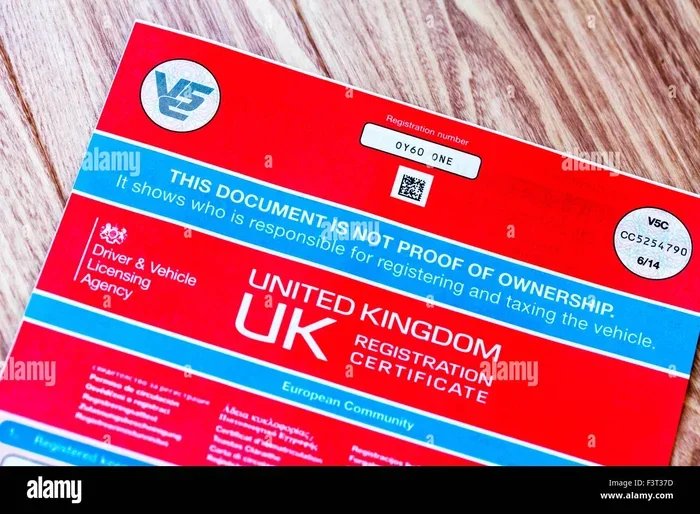
A vehicle registration certificate is an official document issued by your state’s Department of Motor Vehicles. It proves that your car is legally registered to operate on public roads. The certificate lists the owner or owners, the vehicle details, and the registration expiration date. Think of it as the car’s birth certificate.
When you co-own a vehicle, the registration certificate reflects that shared ownership. Both names appear on the document, and both individuals have equal rights to the vehicle. This is different from a car title in some cases, though the two documents often go hand in hand.
Why Does the Registration Certificate Matter?
The registration certificate is not just a piece of paper. Police officers can request it during traffic stops. It is also needed during vehicle inspections and when you sell or transfer the car. If your car registration certificate does not match your ownership status, you could face fines or complications during a sale.
Can Two Names Be on an Owners Car Registration Certificate?
The direct answer is yes. In most U.S. states, you can place two names on a car registration certificate. This is known as joint car registration. Both individuals are listed as owners, and both have equal legal rights to the vehicle. Whether you are married, related, or just friends, the DMV generally allows it.
However, the rules vary by state. Some states treat joint owners as “and” owners, meaning both signatures are needed for transactions. Others treat them as “or” owners, meaning either person can act independently. Understanding this distinction is crucial before you start the process.
How Joint Ownership Works on a Registration
When two names appear on a joint title car, both parties are considered equal owners. Here is how it typically works:
- Both names appear on the registration card.
- Either or both owners can renew the registration, depending on state rules.
- Insurance must cover both owners or list both as named drivers.
- Sales and transfers may require signatures from both parties.
- Liens and loans against the vehicle affect both owners equally.
Before you proceed, confirm your state’s specific rules. A quick call or visit to your local DMV office can save you a lot of headaches later.
Why Would You Put Two Names on a Registration?
There are several practical reasons people choose shared car ownership. Let us look at the most common ones.
Married Couples
Many married couples share vehicles. Putting both names on the car registration certificate makes sense legally and practically. It ensures both spouses have access to the vehicle and can handle registration renewals without complications.
Parents and Young Drivers
Parents often co-register a car with a teenage or young adult driver. This arrangement helps manage insurance costs and gives parents oversight. The young driver gains access to a vehicle while the parent retains shared ownership.
Business Partners
Small business owners sometimes register company vehicles under two names. This ensures that if one partner leaves the business, the vehicle ownership remains clear and undisputed.
Family Members Sharing a Vehicle
In some households, multiple adults share one car. Co-registering the vehicle avoids confusion about who owns it and who is responsible for registration duties.
How to Add a Second Name to a Car Registration
The process to add a name to car registration is not complicated, but it does require specific steps. Here is a general overview of what to expect.
Step 1: Gather Required Documents
Before you visit the DMV, collect the following:
- Current vehicle registration certificate
- Proof of identity for both parties (driver’s license or state ID)
- Proof of ownership (vehicle title or bill of sale)
- Insurance documents showing both names
- Payment for registration fees
Requirements vary by state, so check your local DMV website first. Some states also require a completed application form, which you can often download online.
Step 2: Visit the DMV or Use Online Services
Many states now offer online portals for registration updates. You can co-sign car registration documents digitally in some cases. However, not all transactions can be completed online. Adding a new name often requires an in-person visit, especially if the vehicle has a lien against it.
Step 3: Pay the Registration Fees
Vehicle registration fees for joint ownership are generally the same as single-owner registrations. You might pay a small additional fee for document processing. Typical costs range from $10 to $75 depending on your state and the type of vehicle.
Step 4: Receive Your Updated Certificate
Once processed, you will receive a new vehicle registration certificate with both names listed. Keep this document in a safe place. You will need it for renewals, inspections, and any future sale of the vehicle.
Quick Tips for a Smooth Process
- Call ahead: Confirm document requirements before visiting the DMV.
- Bring originals: Photocopies are often not accepted for identity verification.
- Check insurance first: Make sure your policy covers both owners before you apply.
- Go early: DMV offices are busiest in the morning. Arrive early or book an appointment.
State-by-State Differences in Joint Registration
One of the most important things to understand about car registration requirements is that they differ from state to state. There is no single federal rule governing joint registration. Each state sets its own policies.
States That Allow “And” Ownership
In some states, both names must sign for any transaction involving the vehicle. This means that if one owner wants to sell the car, the other owner must also sign the title. This protects both parties but can slow down transactions.
States That Allow “Or” Ownership
Other states allow “or” ownership, meaning either person can act independently. One owner can renew the registration or sell the vehicle without the other’s signature. This offers more flexibility but can create issues if the owners disagree later.
States with Special Rules
A few states have unique rules around joint ownership. For example, some states require both owners to be present during registration renewal. Others have specific rules for married couples versus unmarried partners. Always verify your state’s DMV registration rules before making any changes.
| State Type | Ownership Style | Both Signatures Required? |
|---|---|---|
| And Ownership States | Joint and equal | Yes, for all transactions |
| Or Ownership States | Flexible, independent | No, either owner can act |
| Married Couple States | Special spousal rules | Varies by state |
To find your state’s specific rules, visit the official DMV website or call their customer service line. Do not rely on information from unofficial sources, as rules can change without notice.
Common Mistakes People Make with Joint Car Registration
Even with good intentions, people make mistakes when handling co-owner car registration. Here are the most common ones and how to avoid them.
Forgetting to Update Insurance
Adding a second name to your registration does not automatically update your insurance policy. You must contact your insurance provider and add the co-owner as a named driver. Failing to do so can void your coverage in the event of an accident.
Assuming Both Owners Can Sell Independently
If your state uses “and” ownership, both parties must agree to a sale. One owner cannot sell the vehicle without the other’s signature. Always clarify ownership terms before purchasing a shared vehicle.
Not Keeping Documents Updated
When you move, change your name, or your insurance changes, you must update your registration. Outdated documents can lead to fines during traffic stops or complications during a vehicle sale.
Ignoring Lienholder Requirements
If there is a loan against the vehicle, the lienholder has a legal interest in the car. Adding a co-owner may require the lienholder’s approval. Always check with your lender before making changes to a financed vehicle’s registration.
Expert Insight
According to DMV experts, the most common issue with joint registration is incomplete documentation. People often forget to bring proof of insurance or assume their existing policy automatically covers the new co-owner. Taking ten extra minutes to gather all documents before your DMV visit can save you multiple trips and weeks of delays.
Removing a Name from a Joint Car Registration
Sometimes you need to remove a name from car registration. This might happen after a divorce, a breakup, or a change in living arrangements. The process is similar to adding a name but comes with additional considerations.
Both parties typically must agree to the removal. You will need a signed release or consent form from the person being removed. The remaining owner then applies for a new registration certificate in their name alone. If the vehicle has a lien, the lienholder must also approve the change.
Some states require a notarized document for name removal. Others allow the process to be completed online. Check your local DMV guidelines to determine the exact steps and fees involved.
Frequently Asked Questions
Can I add someone to my car registration without their physical presence?
In most states, both parties must appear in person at the DMV to add a co-owner. However, some states allow power of attorney or notarized consent forms for situations where one party cannot attend. Check with your local DMV for specific requirements.
Does adding a second name to a registration affect car insurance?
Yes, it can. Adding a co-owner often means your insurance policy needs to be updated to reflect both owners. This may change your premium. Contact your insurance provider before or immediately after updating your registration.
Can two names be on a car registration but only one on the title?
Generally, no. The registration and title should match. If two names are on the registration, they should also be on the title. Mismatched documents can cause problems during inspections, renewals, and sales.
Is there a fee for adding a second name to a car registration?
Most states charge a small processing fee, typically between $10 and $75. The exact amount depends on your state and the type of transaction. Some states do not charge extra for joint registration updates.
What happens if one co-owner wants to sell the car and the other does not?
This depends on your state’s ownership rules. In “and” states, both signatures are required. In “or” states, one owner can sell independently. If there is a dispute, legal mediation may be necessary. Always establish ownership terms before co-registering a vehicle.
Can I remove my name from a joint registration after a breakup?
Yes, but both parties usually must agree. You will need a signed release form and may need to visit the DMV in person. If the vehicle is financed, the lender must also approve the removal. State laws vary, so contact your local DMV for guidance.
Final Thoughts
Can two names be on an owners car registration certificate? Absolutely. Whether you are sharing a vehicle with a spouse, a family member, or a business partner, joint registration is a practical and legal option in most states. The process is straightforward, the fees are manageable, and the benefits of shared ownership are real.
But remember, shared ownership means shared responsibility. Both parties must stay on top of renewals, insurance updates, and compliance requirements. Keep your documents organized and communicate openly with your co-owner about any changes or decisions.
Before you start, take a few minutes to review your state’s specific car registration rules. A quick check with your local DMV can clarify everything from required documents to processing times. With the right preparation, adding a second name to your vehicle registration is a simple process that protects both owners and keeps you on the right side of the law.