What Is the Voltage of a Fully Charged Car Battery
The voltage of a fully charged car battery should read 12.6 volts or higher when the engine is off. A healthy battery shows 13.7 to 14.7 volts while the engine runs, which means your alternator is doing its job. Understanding these numbers helps you avoid unexpected breakdowns and catch battery problems early.
Have you ever turned the key in your ignition and heard nothing but silence? That frustrating moment often points to one culprit: a weak car battery. But here is the thing most people do not realize. The voltage of a fully charged car battery tells you a lot about its health and whether it will start your engine today or leave you stranded.
Knowing what voltage your battery should read can save you time, money, and a lot of stress. Whether you are a DIY car owner or someone who just wants to understand their vehicle better, this guide covers everything you need to know. We will walk through what the numbers mean, how to test your battery, what affects voltage, and when it is time for a replacement.
Let us start with the basics. A standard car battery operates at 12 volts. But a fully charged battery actually reads higher than that. Understanding this simple fact is the first step toward taking control of your vehicle’s electrical health.
Key Takeaways
- 12.6 volts is the magic number: A fully charged car battery at rest should read 12.6V or above.
- Running voltage matters too: Your alternator should push 13.7 to 14.7 volts when the engine is on.
- A simple multimeter test takes minutes: You can check your battery voltage at home with basic tools.
- Temperature and age affect readings: Cold weather and old batteries can lower voltage significantly.
- Below 12.0V means trouble: A resting battery below this level needs charging or replacement soon.
- Regular maintenance saves money: Keeping terminals clean and checking voltage monthly extends battery life.
📑 Table of Contents
- What Is the Normal Voltage of a Fully Charged Car Battery
- How to Test Your Car Battery Voltage
- What Affects Car Battery Voltage
- What Voltage Should a Car Battery Be When Running
- How to Maintain Optimal Battery Voltage
- When to Replace Your Car Battery
- Common Mistakes People Make With Battery Voltage
- Expert Insights on Battery Voltage
- Conclusion
What Is the Normal Voltage of a Fully Charged Car Battery
The voltage of a fully charged car battery is the resting measurement you get when the engine has been off for several hours. This resting state gives you the most accurate picture of your battery’s true charge level. Most standard lead-acid car batteries should read 12.6 volts or higher in this condition.
Here is a quick breakdown of what different voltage levels mean for your battery:
- 12.6V or higher: Fully charged and ready to go.
- 12.4V: About 75% charged. Still okay but worth monitoring.
- 12.2V: Around 50% charged. Your battery needs attention soon.
- 12.0V or below: Discharged or deeply depleted. May not start your car.
These numbers apply to standard 12-volt lead-acid batteries found in most passenger cars, trucks, and SUVs. If you drive a hybrid or electric vehicle, the battery system works differently and requires separate testing methods.
One important thing to remember: the battery voltage reading changes based on what your battery has been doing recently. If you just drove for 30 minutes, the voltage will be higher. If your car sat idle for a week, it will drop. Always test after the battery has rested for at least two hours for the most accurate result.
Why 12.6 Volts Matters
The number 12.6 volts is not random. It represents the electrochemical potential of a fully charged lead-acid cell. Each cell in a standard 12-volt battery produces about 2.1 volts, and six cells combined give you 12.6 volts total. When your battery reads below this, the sulfuric acid electrolyte becomes less concentrated, and the battery’s ability to deliver power drops.
Over time, repeated discharge cycles cause a process called sulfation, where lead sulfate crystals build up on the battery plates. This buildup reduces the battery’s capacity and lowers its resting voltage. Keeping your battery properly charged is the best way to slow this process down.
How to Test Your Car Battery Voltage
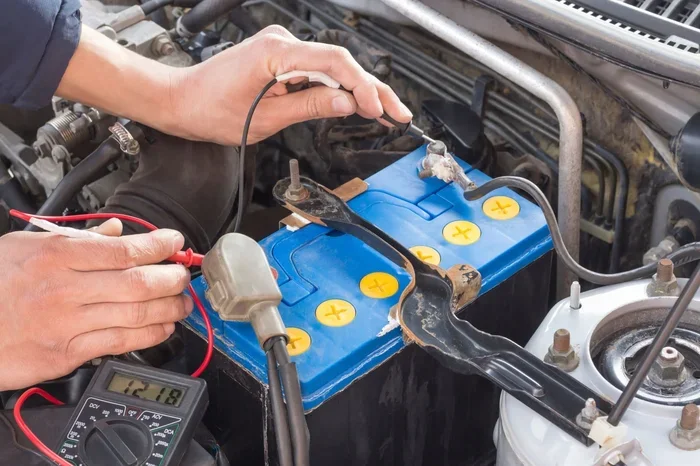
Testing your battery voltage is easier than most people think. You do not need to be a mechanic or own expensive equipment. A basic digital multimeter costs under $20 and gives you accurate readings in seconds.
Follow these simple steps to test your battery at home:
- Turn off your engine and all electrical accessories. Wait at least two hours for the battery to rest.
- Locate your battery under the hood. Identify the positive (+) and negative (-) terminals.
- Set your multimeter to DC voltage (usually marked with a “V” and a straight dashed line).
- Touch the red probe to the positive terminal and the black probe to the negative terminal.
- Read the display. A healthy fully charged battery should show 12.6 volts or higher.
If you do not have a multimeter, many auto parts stores will test your battery for free. They use professional-grade battery testers that check both voltage and cold cranking amps (CCA). This gives you a more complete picture of your battery’s overall health.
Quick Tips for Accurate Testing
- Test your battery in a cool, dry environment for the most reliable reading.
- Clean any corrosion off the terminals before testing. A mixture of baking soda and water works great for this.
- Do not test immediately after driving. Let the battery rest to get a true resting voltage.
- Test monthly during extreme weather seasons, as both heat and cold stress your battery.
What Affects Car Battery Voltage
Several factors can cause your battery voltage to rise or fall. Understanding these helps you interpret your readings correctly and take the right action.
Temperature and Weather
Extreme temperatures are the number one enemy of car batteries. Cold weather slows down the chemical reactions inside the battery, which temporarily lowers voltage readings. On the flip side, intense heat causes fluid evaporation and accelerates internal corrosion. Both conditions reduce your battery’s overall battery lifespan.
In freezing temperatures, a fully charged battery may read slightly below 12.6 volts but should still stay above 12.4 volts. If your reading drops below 12.0 volts in cold weather, your battery is struggling and may fail soon.
Battery Age and Condition
As your battery ages, its ability to hold a full charge diminishes. A new lead-acid battery typically holds 12.6 volts reliably for years. After three to five years, you may notice the resting voltage creeping down even when the battery is fully charged. This gradual decline is normal but signals that replacement is approaching.
Internal plate damage, cracked casings, and loose connections also affect voltage stability. If your multimeter reading fluctuates wildly, there may be a physical problem with the battery itself.
Parasitic Draw and Battery Drain
Even when your car is off, small electrical draws from clocks, alarm systems, and onboard computers slowly drain the battery. This is called parasitic draw and is normal in small amounts. However, a faulty component or aftermarket accessory can cause excessive drain that significantly lowers your battery voltage overnight.
If you frequently find your battery dead in the morning, a parasitic draw test at a repair shop can identify the culprit. Addressing this issue helps maintain optimal battery voltage and extends the time between charges.
What Voltage Should a Car Battery Be When Running
The resting voltage tells you about the battery’s charge level, but the running voltage tells you about your charging system. When your engine is running, the alternator takes over and supplies power to all electrical systems while recharging the battery.
A healthy alternator output should produce between 13.7 and 14.7 volts when measured at the battery terminals with the engine running. Here is what different running voltages indicate:
- 13.7 to 14.7 volts: Normal and healthy. Your alternator is charging the battery properly.
- Below 13.5 volts: The alternator may be undercharging. Your battery could slowly lose power.
- Above 15.0 volts: The voltage regulator may be failing. This can damage your battery and electrical components.
If your running voltage falls outside the normal range, it is worth investigating further. A failing alternator will eventually leave you with a dead battery, even if the battery itself is in good condition.
Voltage Drop Test Explained
A voltage drop test is a more advanced method that checks for resistance in the electrical circuit. Instead of measuring the battery’s total voltage, this test measures the voltage lost across connections and cables. High resistance in cables or corroded terminals can cause significant voltage drops that prevent your battery from charging properly.
You can perform a basic voltage drop test by measuring the voltage at the battery terminals while the engine is running and comparing it to the voltage at the alternator output. A difference of more than 0.5 volts suggests excessive resistance somewhere in the circuit.
How to Maintain Optimal Battery Voltage
Keeping your battery voltage at healthy levels does not require a degree in electrical engineering. A few simple habits can make a huge difference in how long your battery lasts and how reliably it performs.
Regular Voltage Checks
Make it a habit to check your battery voltage reading at least once a month, especially before long trips. A quick test with a multimeter takes less than five minutes and can alert you to problems before they leave you stranded. Set a reminder on your phone or add it to your car maintenance calendar.
Keep Terminals Clean
Corrosion on battery terminals creates resistance that interferes with voltage flow. White or bluish buildup around the terminals is a clear sign of corrosion. You can clean this with a wire brush and a baking soda solution. After cleaning, apply a thin layer of petroleum jelly or dielectric grease to prevent future buildup.
Avoid Short Trips When Possible
Short drives do not give your alternator enough time to fully recharge the battery. If you only drive five to ten minutes at a time, your battery may slowly lose charge over days and weeks. Consider taking a longer drive once a week or using a battery maintainer trickle charger for vehicles that sit idle frequently.
Use a Battery Maintainer
If your car sits unused for extended periods, a battery maintainer or smart charger is a worthwhile investment. These devices automatically monitor battery state of charge and deliver a gentle, consistent charge to keep the battery at optimal voltage without overcharging.
Secure Your Battery
Vibration from driving can damage the internal plates of your battery over time. Make sure your battery is properly secured in its tray with the hold-down clamp tight. Loose batteries not only suffer internal damage but can also shift during driving, potentially damaging electrical connections.
When to Replace Your Car Battery
Even with the best maintenance, every battery eventually reaches the end of its useful life. Recognizing the warning signs early helps you avoid being caught off guard.
Here are clear signals that your battery needs replacement:
- Frequent jump-starts: If you need a jump more than twice in a few months, the battery is failing.
- Low voltage at rest: A resting voltage below 12.4 volts after a full charge indicates the battery cannot hold a full charge anymore.
- Swollen or bloated case: Heat damage causes the battery case to expand. A swollen battery is dangerous and must be replaced immediately.
- Battery age over four years: Most car batteries last three to five years. Plan for replacement around the four-year mark regardless of symptoms.
- Slow engine crank: If your engine turns over slowly when starting, the battery may not have enough power to turn the starter motor quickly.
When it is time for a new battery, choose one with the correct group size and cold cranking amps rating for your vehicle. Your owner’s manual lists the exact specifications. Investing in a quality battery from a reputable brand pays off in reliability and longevity.
Disposing of Old Batteries Responsibly
Car batteries contain lead and sulfuric acid, both of which are hazardous materials. Never throw old batteries in the trash. Most auto parts stores accept used batteries for recycling, often with a core charge refund. Proper recycling keeps toxic materials out of landfills and allows the lead and plastic to be reused in new batteries.
Common Mistakes People Make With Battery Voltage
Even well-meaning car owners sometimes make mistakes that hurt their battery’s performance. Here are the most common errors to avoid.
- Testing right after driving: This gives you a higher reading that does not reflect the battery’s true resting state.
- Ignoring corroded terminals: Corrosion causes false low readings that make you think the battery is worse than it actually is.
- Assuming the alternator is fine: A dead battery is not always the battery’s fault. A failing alternator can mimic battery symptoms.
- Overcharging the battery: Using a charger without automatic shutoff can damage the battery and reduce its lifespan.
- Neglecting the water level: In traditional flooded batteries, low electrolyte levels expose plates and cause irreversible damage.
Avoiding these mistakes keeps your battery health in check and helps you make smarter decisions about maintenance and replacement.
Expert Insights on Battery Voltage
Experienced auto technicians agree that understanding battery voltage is one of the most overlooked aspects of vehicle ownership. A simple voltage check takes seconds but reveals a wealth of information about your electrical system. Many shops now use advanced testing equipment that measures internal battery resistance, providing an even more accurate health assessment than voltage alone.
For vehicles with AGM batteries (absorbent glass mat), the resting voltage target is the same 12.6 volts, but these batteries are more sensitive to overcharging. AGM batteries require smart chargers with specific charging profiles to avoid damage. Always check your battery type before selecting a charger.
Another expert tip: pay attention to the weather forecast. Extreme cold snaps and heat waves both stress batteries. A proactive voltage check before seasonal changes can help you replace a weak battery before it fails you at the worst possible moment.
Conclusion
The voltage of a fully charged car battery is a simple yet powerful indicator of your vehicle’s electrical health. A resting reading of 12.6 volts means your battery is in great shape. Anything below 12.0 volts means it is time to take action. By testing regularly, keeping terminals clean, and watching for warning signs, you can extend your battery’s life and avoid unexpected failures.
Your car battery works hard every day to start your engine and power your electrical systems. Showing it a little attention goes a long way. Grab a multimeter, check your voltage, and take control of your vehicle’s reliability today. A few minutes of effort now can save you hours of frustration later.
Frequently Asked Questions
What voltage indicates a fully charged car battery?
A fully charged car battery should read 12.6 volts or higher when measured with the engine off and the battery at rest for at least two hours. This is the standard resting voltage for a healthy 12-volt lead-acid battery.
Is 12.4 volts enough to start a car?
Yes, 12.4 volts means your battery is about 75% charged and should still be able to start your car. However, you should charge the battery soon and monitor it closely, as the voltage may drop further during cold weather or heavy use.
What should my battery voltage be when the engine is running?
When your engine is running, the alternator should charge the battery to between 13.7 and 14.7 volts. If the reading is below 13.5 volts, your alternator may not be charging properly. If it exceeds 15.0 volts, the voltage regulator may be failing.
Can a fully charged battery still be bad?
Yes, a battery can show a full voltage reading but still be in poor condition. Internal damage, worn plates, or reduced cold cranking amps can make a battery unreliable even when the voltage looks good. A professional load test gives a more complete picture of battery health.
How often should I check my car battery voltage?
Check your battery voltage at least once a month and always before long trips. More frequent checks are wise during extreme weather seasons, as both intense heat and freezing cold put extra stress on your battery.
What causes a car battery to lose voltage quickly?
Common causes include parasitic electrical draws, corroded terminals, old age, extreme temperatures, and a failing alternator. Short trips that do not allow the alternator to fully recharge the battery also contribute to rapid voltage loss over time.