Subaru Gasket Assembly Solutions for Reliable Performance
Subaru gasket assembly solutions are essential for keeping your engine sealed and running smoothly. These kits include head gaskets, oil seals, and coolant seals tailored to your specific Subaru model. Choosing the right gasket set prevents leaks, overheating, and costly engine damage. Whether you prefer OEM or aftermarket parts, proper installation and regular Subaru maintenance make all the difference. This guide covers everything you need to know about selecting, installing, and caring for your gasket assembly.
Your Subaru engine relies on more than just pistons and cylinders. It depends on small but critical parts called gaskets. These thin seals sit between metal surfaces and keep fluids where they belong. Without proper Subaru gasket assembly solutions, your engine can suffer serious damage. A quality gasket set ensures your engine stays sealed and runs smoothly for years to come.
Whether you own a Subaru WRX, Impreza, or any other model, gasket health matters. The Subaru boxer engine has unique design features that demand precise sealing. Heat, pressure, and vibration all stress these components over time. That is why choosing the right engine gasket kit makes such a big difference. In this guide, we walk you through everything you need to know about Subaru gasket assembly solutions that deliver reliable performance.
From understanding what goes into a gasket assembly to learning how to replace one, we have you covered. You will find practical tips, expert insights, and clear advice on every step. Let us dive in and help you keep your Subaru running at its best.
Key Takeaways
- Quality Matters: Always choose OEM or premium aftermarket gasket assembly solutions to ensure a proper seal and long-lasting engine health.
- Know the Warning Signs: White exhaust smoke, coolant loss, and milky oil are clear indicators of gasket failure that need immediate attention.
- Material Choice Is Critical: Multi-layer steel gaskets outperform older composite options, especially for turbocharged Subaru WRX gasket applications.
- Follow Torque Specs: Incorrect bolt tightening is a leading cause of gasket leaks. Always use a torque wrench and follow the proper sequence.
- Preventive Care Saves Money: Regular coolant checks, oil changes, and early leak detection extend the life of every seal in your engine.
- DIY or Professional: Simple gasket replacements can be a DIY job, but head gasket failures and high-mileage engines benefit from expert Subaru repair services.
- Right Fit for Your Model: A Subaru Impreza gasket set differs from a WRX or Forester kit. Always match the parts to your exact engine and year.
📑 Table of Contents
Understanding Subaru Gasket Assembly Solutions
Before you buy or replace anything, it helps to understand what a gasket assembly actually does. Think of it as the glue that holds your engine’s internal sections together. Each gasket seal prevents oil, coolant, and combustion gases from mixing where they should not be.
What Makes Up a Gasket Assembly
A typical engine gasket kit includes several individual gaskets and seals. You will find head gaskets, valve cover gaskets, oil pan gaskets, and more. Each piece has a specific job and fits a particular area of the engine. The gasket material varies too. Some use composite fiber, while others rely on multi-layer steel or rubber compounds.
The right gasket set matches your exact Subaru model and engine type. A 2015 Subaru WRX needs different parts than a 2008 Subaru Impreza. Always check your vehicle specifications before ordering. Using the wrong gasket material can lead to premature failure and costly Subaru repair bills.
Common Subaru Gasket Problems
Even the best gaskets wear out over time. Understanding the warning signs helps you catch problems early. Ignoring these issues can lead to major engine damage and expensive fixes.
Head Gasket Failure Signs
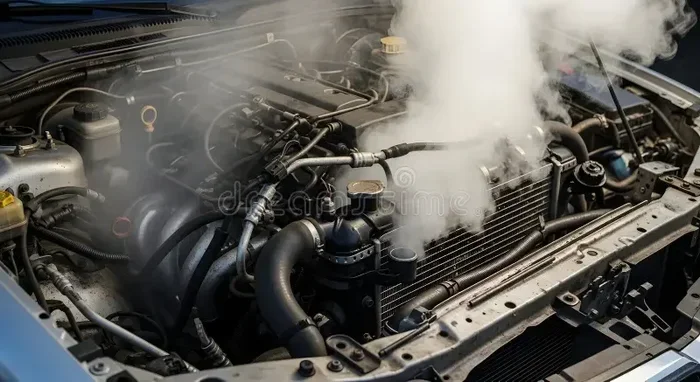
The head gasket is one of the most important seals in your engine. When it fails, coolant can leak into the cylinders or oil passages. Watch for these common signs of a blown head gasket:
- White smoke coming from the exhaust pipe
- Coolant loss without any visible leaks
- Oil that looks milky or frothy
- Engine overheating without an obvious cause
- Bubbles in the radiator or coolant reservoir
If you notice any of these symptoms, stop driving and inspect the cylinder head gasket right away. Continuing to drive with a failed head gasket can warp the engine block and crack the head. Early detection of gasket failure saves you from a full engine rebuild.
Oil Seal and Coolant Leak Issues
Beyond the head gasket, other seals in the assembly can also degrade. The front and rear crankshaft seals prevent oil from leaking out. Coolant seals around the thermostat housing and water passages can also wear down over time.
Small leaks might seem harmless at first. But even a slow coolant leak can cause the engine to overheat. And oil leaks can lead to low oil pressure, which damages bearings and internal components. Regular Subaru maintenance includes checking for these common leak points on your oil seal and gasket surfaces.
Choosing the Right Gasket Assembly for Your Subaru
Not all gasket kits are created equal. The right choice depends on your vehicle, your budget, and how you use your car. Let us look at the main options available for Subaru gasket assembly solutions.
OEM vs Aftermarket Gasket Kits
When shopping for gasket solutions, you will encounter two main categories. OEM kits come directly from the manufacturer or an authorized supplier. Aftermarket kits come from third-party companies.
Both options have their merits. Here is a quick comparison to help you decide:
| Feature | OEM Gasket Kit | Aftermarket Gasket Kit |
|---|---|---|
| Material Quality | Factory-spec multi-layer steel | Varies by brand; often good quality |
| Fit and Finish | Perfect match for your engine | Close match; minor variations possible |
| Price Range | Higher cost | More affordable |
| Warranty | Usually covered under dealer warranty | Varies; check the manufacturer |
| Availability | Dealer or online specialty stores | Widely available online |
For most owners, an OEM gasket set offers peace of mind. The materials and tolerances match exactly what Subaru designed. However, a quality aftermarket gasket from a trusted brand can work just as well at a lower price point. Read reviews and check for certifications before buying any aftermarket gasket product.
Multi-Layer Steel vs Composite Gaskets
The gasket material you choose matters a lot. Multi-layer steel, or MLS, gaskets are now standard in modern Subaru engines. They handle high temperatures and pressure cycles better than older composite gaskets. MLS gaskets use thin steel layers coated with elastomer for a tight seal.
Composite gaskets still work well for older models or lower-stress applications. They are softer and easier to compress during gasket replacement. But they do not last as long under extreme heat. If you run a turbocharged Subaru WRX gasket setup, MLS is the way to go. For classic Subaru Impreza gasket builds on older naturally aspirated engines, composite can still do the job.
Step-by-Step Gasket Replacement Guide
Replacing a gasket assembly is a job many DIYers can handle with the right tools and patience. Here is a general overview of the process for gasket replacement.
Tools You Will Need
Before you start, gather your tools. You will need a torque wrench, gasket scraper, sealant, and the correct torque specs for your engine. A repair manual specific to your Subaru model is also very helpful. Having the right tools prevents damage and ensures a proper seal.
- Torque wrench with the correct socket set
- Plastic gasket scraper (avoid metal to prevent surface damage)
- Engine assembly lube or sealant
- New gasket set matched to your engine
- Service manual or online repair guide for torque specs
- Clean rags and safety gloves
The Replacement Process
Start by removing the components that sit on top of the gasket. This usually means the valve cover, intake manifold, or oil pan depending on which gasket you are replacing. Clean all mating surfaces thoroughly. Any old sealant or debris will prevent the new gasket seal from working properly.
Install the new gasket carefully. Make sure it sits evenly in its groove. Apply sealant only where the manufacturer recommends it. Then reassemble the components and tighten bolts to the correct torque specs in the proper sequence. Subaru maintenance guides provide the exact tightening order for each engine.
After installation, run the engine and check for leaks. Let it reach operating temperature and inspect all connection points. A properly installed gasket should hold for tens of thousands of miles.
Maintenance Tips for Long-Lasting Gaskets
You can extend the life of your gaskets with a few simple habits. Prevention is always cheaper than replacement. These tips will help you get the most out of every engine sealing component.
Quick Tips for Gasket Care
- Check your coolant level regularly and top it off as needed
- Monitor your oil level and change it on schedule
- Watch for any fluid puddles under your parked car
- Replace worn hoses and clamps before they cause pressure loss
- Use the correct coolant type specified for your Subaru model
- Avoid letting the engine overheat, even briefly
- Inspect the thermostat housing seal during routine services
Common Mistakes to Avoid
Many gasket replacement jobs go wrong because of simple errors. One of the biggest mistakes is reusing old gaskets. Even if they look fine, they have already compressed and lost their shape. Always install fresh gaskets from a quality gasket set.
Another common error is incorrect bolt tightening. Over-torquing can warp the mating surface, while under-torquing allows leaks. Always follow the torque specs and tightening sequence from your repair manual. Using a torque wrench is non-negotiable for proper engine sealing.
Some people also skip cleaning the surfaces before installation. Old gasket material left on the surface creates an uneven seal. Take the time to scrape and clean every mating surface thoroughly. This small step saves you from repeat repairs down the road.
When to Seek Professional Help
Not every gasket job is a DIY project. Some Subaru repair tasks require specialized tools and experience. Knowing when to call a professional saves you time, money, and potential engine damage.
Expert Insights
Certified Subaru technicians have access to factory diagnostics and technical service bulletins. They know the common failure points for each model year. If you are dealing with a head gasket failure on a high-mileage engine, professional help is often the smart choice. A shop can also pressure-test the cooling system and check for hidden cracks that a DIYer might miss.
For simpler jobs like a valve cover gasket or oil pan gasket, a confident DIYer can usually handle it. But if you are unsure about any step, do not hesitate to consult a professional. Proper gasket assembly solutions start with the right decision about who does the work.
Regular Subaru maintenance and timely gasket replacements keep your boxer engine running strong. Whether you choose a DIY approach or professional service, the key is using quality parts and following proper procedures. Your Subaru was built to last, and the right gasket assembly plays a big role in that longevity.
Take the time to understand your engine’s sealing needs. Choose the right engine gasket kit for your model. Follow the torque specifications carefully. And never ignore the early warning signs of a failing seal. With the right Subaru gasket assembly solutions, you can enjoy reliable performance for many miles ahead.
Frequently Asked Questions
What are Subaru gasket assembly solutions?
Subaru gasket assembly solutions refer to the complete set of gaskets, seals, and related components designed to seal various engine joints. These kits typically include head gaskets, valve cover gaskets, oil pan gaskets, and crankshaft seals tailored to specific Subaru models and engine types.
How do I know if my Subaru gasket is failing?
Common signs include white exhaust smoke, unexplained coolant loss, milky or frothy oil, and engine overheating. You may also notice fluid puddles under your car or bubbles in the coolant reservoir. If you spot any of these symptoms, inspect your cylinder head gasket and other seals immediately.
Can I replace a Subaru gasket myself?
Yes, simple gasket replacements like valve cover or oil pan gaskets can be done at home with basic tools. However, head gasket replacement is more complex and requires precise torque specs and surface preparation. If you are not confident, it is best to seek professional Subaru repair services.
What is the difference between OEM and aftermarket gasket kits?
OEM kits are made to Subaru’s exact factory specifications and offer a perfect fit. Aftermarket kits come from third-party manufacturers and are often more affordable. A quality aftermarket gasket from a reputable brand can perform just as well, but always check reviews and material specifications before purchasing.
How long do Subaru gaskets last?
Most Subaru gaskets are designed to last 100,000 miles or more under normal driving conditions. However, factors like overheating, poor maintenance, and high-mileage driving can shorten their lifespan. Regular Subaru maintenance and timely fluid changes help extend gasket life significantly.
Why is multi-layer steel better for Subaru gaskets?
Multi-layer steel, or MLS, gaskets handle high temperatures and pressure cycles much better than older composite materials. They are especially important for turbocharged engines like the Subaru WRX gasket setup. MLS gaskets provide a durable, long-lasting gasket seal that resists warping and blowouts under extreme conditions.
=== CONCLUSION ===
Subaru gasket assembly solutions are the foundation of a healthy, long-lasting engine. From choosing the right gasket material to following proper installation procedures, every step matters. Whether you opt for an OEM gasket or a trusted aftermarket option, quality parts and careful installation make all the difference.
Keep an eye out for early warning signs of gasket failure. Stay on top of your Subaru maintenance schedule. And never underestimate the value of a clean mating surface and correct torque specs. Your Subaru boxer engine was engineered to perform, and the right engine gasket kit keeps it running at its best.
Take action today. Inspect your gaskets, replace worn seals, and invest in reliable Subaru gasket assembly solutions. Your engine will thank you with years of dependable, leak-free performance.