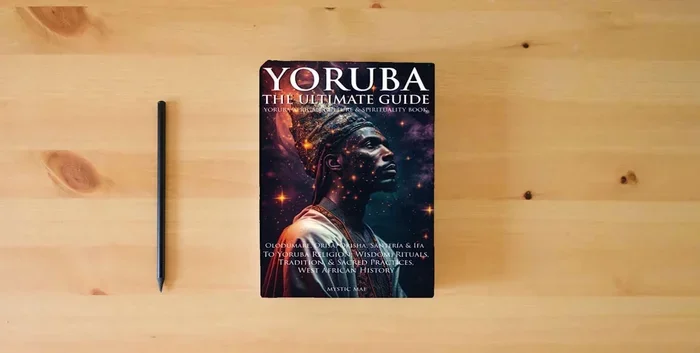
Iwe
Iwe is a Yoruba word that means book or letter. It holds deep cultural importance in West African communities, especially among the Yoruba people. Understanding iwe opens a window into language, tradition, and education in African societies.
If you have ever come across the word iwe and wondered what it means, you are in the right place. Iwe is a fascinating word from the Yoruba language spoken by millions of people in West Africa. It carries meanings that go far beyond a simple translation. In this guide, we will explore everything about iwe, from its basic meaning to its deep cultural roots.
Whether you are a language learner, a culture enthusiast, or just curious, this article breaks it all down. You will learn how iwe fits into Yoruba daily life, education, and tradition. By the end, you will see why this single word holds so much weight in African culture.
Key Takeaways
- What iwe means: Iwe is the Yoruba word for book or letter, used in daily communication and cultural practices.
- Cultural significance: Iwe plays a central role in Yoruba oral tradition, storytelling, and traditional education.
- Language and identity: The word reflects the rich heritage of the Yoruba people and their linguistic traditions.
- Modern relevance: Iwe is still widely used today in Nigeria, Benin, and diaspora communities around the world.
- Educational value: Learning about iwe helps us appreciate African literary traditions and cultural preservation efforts.
- Broader connections: Iwe ties into African literature, Yoruba proverbs, and the oral tradition that shapes West African identity.
📑 Table of Contents
What Does Iwe Mean?
At its core, iwe means book or letter in the Yoruba language. Yoruba is one of the largest languages in Africa, spoken mainly in Nigeria and Benin. The word iwe is part of everyday Yoruba vocabulary. People use it when they talk about reading, writing, and learning.
But iwe is not just a word for a physical object. It represents knowledge, stories, and wisdom passed down through generations. In Yoruba culture, a book is more than paper and ink. It is a vessel of truth and tradition.
Here are some ways iwe is used in Yoruba sentences:
- E wo iwe. — Read the book.
- O kọ iwe. — He or she wrote a letter.
- Iwe re ni. — It is his or her book.
As you can see, iwe works just like the English word “book” or “letter.” It fits into sentences naturally and carries clear meaning. For anyone studying Yoruba language or West African traditions, knowing this word is a great starting point.
The Cultural Importance of Iwe
Iwe is more than a vocabulary word. It is tied deeply to Yoruba identity and heritage. The Yoruba people have a long history of valuing education and storytelling. The word iwe reflects that value.
Iwe and Oral Tradition
Before written books existed, the Yoruba people relied on oral tradition. Elders would pass down stories, history, and lessons through spoken word. When iwe came into use, it became a bridge between spoken stories and written knowledge. A written iwe preserved what oral tradition could not always keep safe.
Today, African storytelling still thrives. People combine the old oral ways with written records. Iwe sits right at that crossroads. It holds both the old and the new.
Iwe in Yoruba Education
In traditional Yoruba education, children learned through mentors and community elders. A young person might receive an iwe as a gift to encourage learning. The act of giving a book carries deep respect in Yoruba culture.
Even now, education remains a top priority in Yoruba communities. Parents often name their children with words that reflect learning. Names related to iwe are common. They show a family’s hope that a child will grow up wise and learned.
Iwe and Yoruba Proverbs
Yoruba proverbs are famous across Africa and beyond. Many proverbs reference iwe to teach lessons about knowledge. For example:
- “Iwe l’eko, iwe l’aye.” — Book is the light, book is life.
- “A kọ iwe l’ofin.” — He who writes on the ground learns slowly.
These proverbs show how much the Yoruba people respect the written word. Iwe is seen as a tool for growth and understanding.
Iwe in Modern Times
The word iwe is still very much alive today. It is used in homes, schools, and markets across Nigeria and Benin. But its reach has also expanded far beyond West Africa.
Iwe in Nigerian Schools
In Nigeria, Yoruba is taught in many schools. Children learn to read and write using Yoruba textbooks and literature. The word iwe appears on every page. It is a familiar sight for students learning their native language.
Some Nigerian schools also teach basic Yoruba to non-native speakers. In these classes, iwe is one of the first words students learn. It gives them a simple entry point into the language.
Iwe in the Diaspora
Millions of Yoruba people live outside of Nigeria and Benin. They are part of the African diaspora in countries like the United States, the United Kingdom, and Canada. In these communities, iwe keeps the language connected.
Yoruba language classes, cultural groups, and online communities all use the word iwe. Parents teach their children Yoruba words at home. Books written in Yoruba help keep the language strong for future generations.
Digital Iwe
The digital age has brought new forms of iwe. E-books, blogs, and social media posts in Yoruba are growing fast. People now share Yoruba stories, lessons, and proverbs online. The word iwe has found a new home in the digital world.
Apps and websites for learning Yoruba also feature iwe prominently. These tools make it easy for anyone, anywhere, to explore the Yoruba language. The meaning of iwe continues to evolve with technology.
Iwe and African Literature
African literature has grown tremendously over the past century. Writers from Nigeria and other West African countries have gained worldwide recognition. Many of them write in English, but some also write in Yoruba. The word iwe appears in their works as a symbol of culture and identity.
Authors like Wole Soyinka and Chinua Achebe explored African life through their writing. Their works often reference traditional Yoruba values, including the importance of iwe. These books helped the world see the depth and beauty of African storytelling.
Today, new Yoruba authors continue this tradition. They write novels, poetry, and children’s books in Yoruba. Each new iwe adds to the rich tapestry of African literature. The word itself becomes a symbol of creativity and cultural pride.
Types of Iwe in Literature
In Yoruba literary tradition, different types of iwe serve different purposes:
- Iwe akoso — A storybook or tale.
- Iwe eko — A learning book or textbook.
- Iwe ifa — A divination book used by Yoruba priests.
- Iwe itan — A history book or chronicle.
Each type of iwe carries its own significance. The ifa book, for example, is sacred. It guides priests in spiritual practices and connects the Yoruba people to their ancestors. These different forms of iwe show how versatile and meaningful the word really is.
Common Mistakes People Make About Iwe
Even people who are interested in Yoruba culture sometimes misunderstand iwe. Here are a few common mistakes to avoid:
- Thinking iwe only means “book.” In Yoruba, iwe can also mean “letter” or even a written document. The meaning depends on context.
- Ignoring the cultural weight. Translating iwe as just “book” misses the deeper meaning. It is tied to wisdom, education, and identity.
- Assuming it is only for Yoruba speakers. Anyone can learn and use the word iwe. It is a beautiful part of African languages that belongs to the world.
- Overlooking its plural forms. In Yoruba, plural words change form. The plural of iwe is iwe too, but context and tone show whether it is singular or plural.
Avoiding these mistakes helps you appreciate iwe more fully. It also shows respect for Yoruba culture and the people who carry it forward.
How to Use Iwe in Everyday Life
If you want to use the word iwe in your own conversations, here are some easy tips:
- Start with simple phrases. Try saying “E wo iwe” (Read the book) or “Iwa iwe re” (His or her book is nice).
- Learn related words. Words like eko (school), akẹkọ̀ọ́ (student), and olùkọ́ (teacher) pair well with iwe.
- Practice with Yoruba media. Watch Yoruba movies, listen to Yoruba music, or read Yoruba blogs. You will see iwe used naturally.
- Connect with Yoruba communities. Online forums, cultural groups, and local organizations are great places to practice.
- Read Yoruba proverbs. Proverbs that mention iwe teach you both language and culture at the same time.
Using iwe in real life makes the word come alive. It shifts from a textbook term to a living part of your vocabulary.
Quick Tips for Remembering Iwe
- Think of “iwe” as “eye-we.” The sound is close to the English word “we.” This makes it easy to remember.
- Picture a book. When you hear or see iwe, imagine a Yoruba book filled with stories and wisdom.
- Use it daily. Even saying “I have an iwe” in a sentence helps lock it into your memory.
- Explore Yoruba culture. Listening to Yoruba music or watching Yoruba films exposes you to iwe in natural settings.
The Future of Iwe
The word iwe is not fading away. It is growing. As more people around the world discover Yoruba language and culture, iwe gains new relevance. Technology, social media, and global connections are helping spread the word.
Yoruba language preservation efforts are strong. Organizations and communities are creating new iwe — both physical books and digital content. These efforts ensure that future generations can continue to use and cherish the word.
The beauty of iwe lies in its simplicity and depth. It is one word that holds centuries of meaning. As long as the Yoruba people and their culture thrive, iwe will remain a powerful symbol of knowledge and identity.
Conclusion
The word iwe carries more weight than most people realize. It means book and letter, but it also stands for wisdom, culture, and tradition. From Yoruba classrooms to digital platforms, iwe continues to shape how people learn and connect.
Understanding iwe gives you a window into Yoruba life and West African heritage. It shows you how language, culture, and education come together in powerful ways. Whether you are a language learner, a cultural explorer, or simply curious, the word iwe has something valuable to offer.
Take what you have learned here and share it. Use the word iwe in a conversation. Explore Yoruba literature and proverbs. The more you engage with this word, the more you will appreciate the rich world it represents.
Frequently Asked Questions
What is the exact meaning of iwe in Yoruba?
Iwe translates to “book” or “letter” in English. In Yoruba culture, it also represents written knowledge and recorded wisdom. The exact meaning depends on the context of the sentence.
Is iwe used only in Nigeria?
No, iwe is used across Yoruba-speaking communities in Nigeria, Benin, and around the world. Yoruba diaspora communities in the US, UK, and other countries also use the word regularly.
Can Iwe refer to a digital book today?
Yes. While iwe traditionally means a physical book or letter, it is now also used to describe digital content. E-books, online articles, and digital documents in Yoruba are all called iwe.
What are some common Yoruba proverbs about iwe?
One popular proverb is “Iwe l’eko, iwe l’aye,” which means “Book is the light, book is life.” Another is “A kọ iwe l’ofin,” meaning “He who writes on the ground learns slowly.” These proverbs highlight the value of iwe in Yoruba thought.
How can I learn more about Yoruba language and iwe?
You can start by taking online Yoruba courses, reading Yoruba children’s books, or joining Yoruba cultural groups. Watching Yoruba movies and listening to Yoruba music also helps you encounter iwe in natural, everyday contexts.
Why is iwe important to Yoruba cultural identity?
Iwe represents the Yoruba people’s deep respect for education, storytelling, and knowledge preservation. It connects modern learning with ancient traditions and oral heritage. The word carries pride, history, and a sense of belonging for Yoruba speakers worldwide.