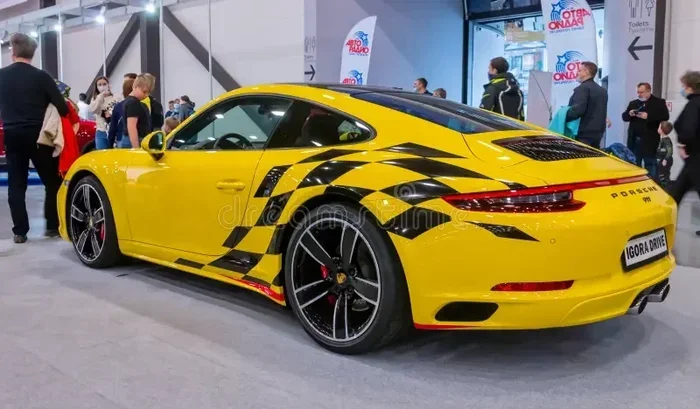
Is Porsche a German Brand
Yes, Porsche is absolutely a German brand. Founded in Stuttgart, Germany, by Ferdinand Porsche in 1931, this luxury sports car manufacturer has deep German roots. The company’s official name is Porsche AG, and its headquarters remain in Stuttgart, Germany today. From the legendary 911 to the Cayenne SUV, every Porsche model reflects German engineering and precision.
Key Takeaways
- Porsche is a German brand: Founded and headquartered in Stuttgart, Germany, with full German roots.
- Ferdinand Porsche started it all: The founder was a German automotive pioneer who designed the original Volkswagen Beetle.
- Headquarters still in Germany: Porsche AG operates from Zuffenhausen, Stuttgart, Germany.
- German engineering standards: Every Porsche car is built with strict German precision and quality control.
- Porsche expanded globally: While German at heart, Porsche now sells cars in over 100 countries worldwide.
- VW Group ownership: Porsche is part of Volkswagen AG, a German automotive giant.
- The Cayenne and Panamera are German-made too: Even SUVs and sedans roll off the German production line.
📑 Table of Contents
- So, Is Porsche a German Brand?
- The Origins of Porsche: A German Story
- Porsche Headquarters: Still in Germany
- German Engineering: The Porsche DNA
- Porsche Models: Built in Germany
- Porsche Ownership and the Volkswagen Group
- Global Presence, German Heart
- Common Mistakes People Make About Porsche
- Expert Insights: Why Porsche Stays True to Its German Roots
- Key Takeaways
- The Bottom Line
So, Is Porsche a German Brand?
The short answer is yes. Porsche is a German brand through and through. But the full story is fascinating. It spans decades, crosses borders, and involves some of the most iconic cars ever built.
When people think of German car brands, names like BMW, Mercedes-Benz, and Audi often come first. Porsche deserves a spot on that list too. This luxury sports car manufacturer has been shaping the automotive world since 1931. And its German identity is stronger than ever.
Let’s dive deep into the history, the headquarters, the engineering philosophy, and everything else that makes Porsche the German brand it is today.
Why This Question Even Matters
You might wonder why anyone would question Porsche’s German roots. After all, the name sounds unmistakably European. But here’s the thing. Porsche has grown into a global powerhouse. Some people see Porsche SUVs on streets in America, China, or the Middle East and assume it’s an American or international brand. That assumption is wrong.
Understanding where a brand comes from matters. It tells you about the design philosophy, the manufacturing standards, and the cultural identity behind every car on the road.
The Origins of Porsche: A German Story
The Porsche origin story begins in Stuttgart, Germany. Ferdinand Porsche, born in 1875 in what is now the Czech Republic, moved to Stuttgart and built his automotive legacy there. In 1931, he founded the Porsche AG design and consulting company.
Ferdinand Porsche was a visionary. He designed the original Volkswagen Beetle before starting his own brand. That connection to German automotive history is huge. The Beetle was a German car for the German people. And Porsche carried that same spirit into the world of luxury sports cars.
Ferdinand Porsche’s Vision
Ferdinand Porsche didn’t just want to build cars. He wanted to build the best cars possible. His approach combined German precision with innovative thinking. This vision became the foundation of everything Porsche does today.
Even during World War II, Porsche worked on German military vehicle designs. After the war, Ferdinand’s son, Ferry Porsche, took the reins. Ferry built the first car to carry the Porsche name. That was the legendary Porsche 356. It was born in Germany, and it set the stage for the 911.
Porsche Headquarters: Still in Germany
One of the strongest pieces of evidence that is Porsche a German brand is the location of its headquarters. Porsche AG is still based in Zuffenhausen, a district in Stuttgart, Germany.
The main Porsche factory sits right there in Stuttgart. This is where the iconic 911 is built. This is where engineers design new models. This is the heart of the brand.
A Tour of the Porsche Factory
The Porsche factory in Zuffenhausen is massive. It covers over 280,000 square meters. Thousands of workers build Porsches there every single day. The factory uses German manufacturing standards that are among the strictest in the world.
Every Porsche 911 rolls off the same German assembly line it has for decades. The process combines robotic precision with skilled human craftsmanship. This blend is pure German engineering.
German Engineering: The Porsche DNA
What makes a car truly “German”? It’s not just about where it’s built. It’s about the engineering philosophy. Porsche embodies every aspect of what people associate with German engineering.
Here’s what sets Porsche apart from other automotive brands:
- Precision: Every part fits perfectly. Tolerances are measured in fractions of millimeters.
- Performance: German car brands prioritize driving dynamics. Porsche takes this to another level.
- Quality control: Each Porsche undergoes rigorous testing before it leaves the factory.
- Innovation: Porsche pioneered technologies like turbocharging and all-wheel drive in sports cars.
- Longevity: Porsches are built to last for decades. A 30-year-old Porsche can still turn heads.
The 911: A Symbol of German Excellence
The Porsche 911 is the most famous sports car in the world. It has been built in Stuttgart since 1964. The rear-engine layout, the distinctive shape, the incredible handling. These are all hallmarks of German car design.
The 911 has evolved over the decades. But it has never lost its German soul. Every generation is still assembled in Zuffenhausen. Every engine is still tuned to Porsche’s exacting standards.
Porsche Models: Built in Germany
Some people assume that Porsche SUVs or sedans might be built elsewhere. That’s not the case. Let’s look at the main Porsche lineup and where each one is made.
| Model | Type | Built In |
|---|---|---|
| Porsche 911 | Sports Car | Zuffenhausen, Stuttgart, Germany |
| Porsche Cayenne | Luxury SUV | Leipzig, Germany |
| Porsche Panamera | Luxury Sedan | Leipzig, Germany |
| Porsche Taycan | Electric Sports Car | Zuffenhausen, Stuttgart, Germany |
| Porsche Macan | Compact SUV | Leipzig, Germany |
| Porsche 718 Boxster/Cayman | Mid-Engine Sports Cars | Zuffenhausen, Stuttgart, Germany |
As you can see, every single Porsche model is manufactured in Germany. The Cayenne and Panamera are built at the Porsche factory in Leipzig, which is also in Germany. None of the production has moved overseas.
Why Leipzig?
Porsche opened its Leipzig factory in 2002. This facility builds the Cayenne, Panamera, and Macan. Leipzig is in Saxony, Germany. The factory represents Porsche’s commitment to keeping all car manufacturing on German soil.
Porsche Ownership and the Volkswagen Group
Here’s an interesting twist. Porsche is now part of the Volkswagen Group. Volkswagen AG, commonly known as VW, is a German company based in Wolfsburg, Germany. So Porsche is owned by another German automotive giant.
This relationship actually strengthens Porsche’s German identity. Both companies share German automotive heritage. They collaborate on technology, platforms, and engineering.
What Does VW Group Ownership Mean?
Being part of the Volkswagen Group gives Porsche access to shared resources. But Porsche maintains its own identity. The brand still operates independently in terms of design, engineering, and branding. The German car manufacturer DNA remains intact.
Some people confuse this ownership structure and wonder if Porsche has become “less German.” That’s simply not true. The brand’s roots, its people, and its production all stay firmly in Germany.
Global Presence, German Heart
Porsche sells cars in over 100 countries. You can find a Porsche dealership in almost every major city worldwide. But this global reach doesn’t change the brand’s German core.
Think of it this way. Coca-Cola is an American brand even though it’s sold everywhere on Earth. Toyota is Japanese even though it builds factories in the United States. Similarly, Porsche is German even though its cars drive on roads around the globe.
Quick Tips: How to Spot a True German Porsche
- Check the build plate. It will say “Made in Germany.”
- Look for the Porsche crest on the steering wheel and grille.
- Visit the Porsche museum in Stuttgart to see the brand’s full history.
- Read the owner’s manual. It’s written with German precision and clarity.
- Notice the fit and finish. German quality shows in every detail.
Common Mistakes People Make About Porsche
There are a few misconceptions that cloud the question of whether Porsche is a German brand. Let’s clear them up.
Mistake 1: Assuming Porsche is American because of its popularity in the US. Porsche has a massive fan base in America. But popularity doesn’t equal origin. The brand was born in Germany and still operates from there.
Mistake 2: Thinking Porsche SUVs aren’t “real” Porsches. Some car purists criticize the Cayenne and Macan. But these models are still designed and engineered in Germany. They carry the Porsche name for a reason.
Mistake 3: Confusing Porsche with other European brands. People sometimes lump Porsche in with Italian or British sports car makers. Porsche is German. Its philosophy, its people, and its production all reflect that.
Mistake 4: Believing Porsche is no longer German because of VW Group ownership. As mentioned, VW Group is itself a German company. Porsche’s German identity is stronger than ever.
Expert Insights: Why Porsche Stays True to Its German Roots
Industry experts consistently point to Porsche as one of the finest examples of German automotive excellence. The brand’s commitment to quality, performance, and innovation is deeply tied to its German heritage.
Oliver Blume, CEO of Porsche, has spoken about the importance of keeping production in Germany. He emphasizes that the Stuttgart and Leipzig factories are where Porsche’s identity lives. Every worker on those floors carries forward a tradition of German craftsmanship.
According to automotive analysts, Porsche’s German precision is what sets it apart from competitors. Brands from Japan, Italy, and America all make excellent cars. But the Porsche driving experience has a distinctly German character. It’s about balance, control, and relentless attention to detail.
The Porsche design language also reflects German values. Clean lines. Functional elegance. No unnecessary clutter. This minimalist approach is a hallmark of German design philosophy across many industries, not just cars.
Key Takeaways
- Porsche is a German brand: Founded and headquartered in Stuttgart, Germany, with full German roots.
- Ferdinand Porsche started it all: The founder was a German automotive pioneer who designed the original Volkswagen Beetle.
- Headquarters still in Germany: Porsche AG operates from Zuffenhausen, Stuttgart, Germany.
- German engineering standards: Every Porsche car is built with strict German precision and quality control.
- Porsche expanded globally: While German at heart, Porsche now sells cars in over 100 countries worldwide.
- VW Group ownership: Porsche is part of Volkswagen AG, a German automotive giant.
- The Cayenne and Panamera are German-made too: Even SUVs and sedans roll off the German production line.
The Bottom Line
So, is Porsche a German brand? Absolutely. Without question. Porsche was founded in Germany, its headquarters are in Germany, every car it builds comes from German factories, and its engineering philosophy is pure German automotive tradition.
Whether you’re looking at a classic 911 or a modern Taycan, you’re looking at a German car. The Porsche origin story is a German story. The Porsche design process is a German process. And the Porsche driving experience is a German experience.
Next time you see a Porsche on the road, remember what it represents. Decades of German precision. A commitment to excellence. And a brand that never forgot where it came from. Porsche isn’t just a German brand. It’s one of the finest examples of what German car manufacturing can achieve.
So the answer is clear. Porsche is German. It has always been German. And it will always be German. That’s something every Porsche fan can take pride in.
Frequently Asked Questions
Why is Porsche considered a German brand?
Porsche is considered a German brand because it was founded in Stuttgart, Germany, in 1931 by Ferdinand Porsche. The company’s headquarters remain in Zuffenhausen, Stuttgart, and every Porsche model is manufactured in Germany, either at the Zuffenhausen or Leipzig factory.
Where is the Porsche headquarters located?
Porsche AG headquarters is located in Zuffenhausen, a district of Stuttgart, Germany. This is also where the iconic 911 and other sports cars are built. The Porsche family and company have maintained their German base since the brand’s founding.
Is the Porsche Cayenne made in Germany?
Yes, the Porsche Cayenne is manufactured at the Porsche factory in Leipzig, Germany. Despite being an SUV, the Cayenne is built with the same German engineering standards as every other Porsche model. It is a fully German-made vehicle.
Who owns Porsche now?
Porsche is owned by Volkswagen AG, which is also a German company headquartered in Wolfsburg, Germany. This ownership structure keeps Porsche firmly within the German automotive ecosystem and strengthens its German identity.
Are all Porsche cars built in Germany?
Yes, all Porsche cars are built in Germany. The sports cars and Taycan are assembled in Zuffenhausen, Stuttgart, while the Cayenne, Panamera, and Macan are built in Leipzig, Germany. No Porsche vehicles are manufactured outside of Germany.
What makes Porsche different from other luxury car brands?
Porsche stands out because of its pure German engineering focus on driving performance and precision. Unlike some luxury brands that prioritize comfort or status, Porsche emphasizes the driving experience. This philosophy is deeply rooted in German automotive culture and has remained consistent since the brand’s founding.
=== CONCLUSION ===
Is Porsche a German brand? The evidence is overwhelming. Porsche was born in Germany, it’s built in Germany, and it’s owned by a German company. The brand’s identity is inseparable from its German roots.
From Ferdinand Porsche’s original vision to the modern factory floors of Stuttgart and Leipzig, everything about Porsche reflects German automotive excellence. Whether you drive a 911, a Cayenne, or a Taycan, you’re experiencing what German car manufacturing does best.
If you’re shopping for a luxury sports car or just curious about the brand, now you know the full story. Porsche is German. It has always been German. And it will continue to be German for generations to come.