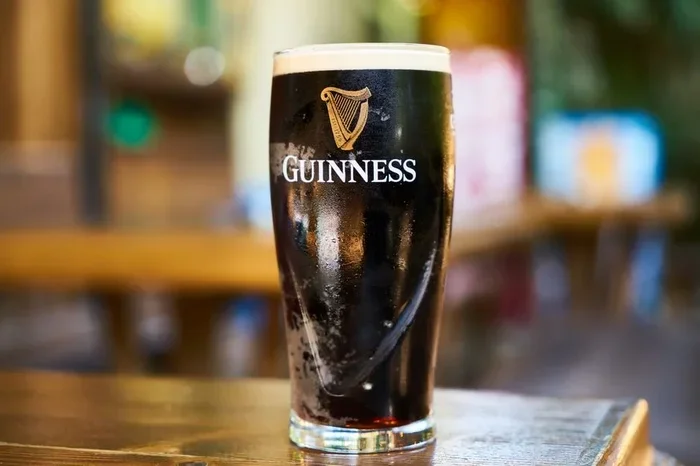
A Complete Guide to Stout Beer and What Makes It Special
Stout beer is a rich, dark ale beloved by beer lovers around the world. This guide covers everything from its fascinating history and diverse styles to flavor profiles, food pairings, and serving tips. Whether you are a beginner or a seasoned craft beer fan, you will find valuable insights into what makes stout beer truly special.
Key Takeaways
- Stout beer has deep historical roots dating back to 18th-century London, evolving from porter into its own iconic style.
- Multiple stout styles exist, including dry stout, imperial stout, oatmeal stout, and milk stout, each with unique characteristics.
- Roasted malt is the key ingredient that gives stout its signature coffee, chocolate, and caramel flavors.
- Stout pairs beautifully with food, especially grilled meats, chocolate desserts, cheese, and smoked dishes.
- Serving temperature matters for unlocking the full flavor profile of any stout beer.
- The craft beer revolution has expanded stout varieties dramatically, with brewers experimenting with bold new ingredients.
- Stout beer is more approachable than many think, with smooth, creamy styles perfect for newcomers to dark beers.
📑 Table of Contents
What Is Stout Beer?
Stout beer is a dark, rich ale that has captured the hearts of beer lovers around the world. Unlike light lagers or pale ales, this style delivers bold flavors and a satisfyingly full body in every glass. When you take your first sip, you will notice roasted malt notes that remind you of coffee, chocolate, or even caramel.
The term “stout” originally described a strong version of another dark beer called porter. Over time, it grew into its own distinct category. Today, brewers across the globe craft this beverage in many different ways. Each variation brings its own personality and character to the glass.
If you are new to dark beers, stout is an excellent place to start. It offers complexity without being intimidating. Even casual drinkers often find themselves drawn to its smooth, creamy texture. The world of dark beer is vast, and exploring it begins with understanding what makes stout so beloved.
Many people assume that all dark beers taste the same. That could not be further from the truth. Stout beer spans a wide range of flavors, from dry and coffee-like to sweet and dessert-inspired. The diversity within this single style is part of what makes it so endlessly interesting.
The History of Stout Beer
How Stout Evolved from Porter
The story of stout begins in 18th-century London. Back then, porter was the most popular beer style among working-class people. It was dark, affordable, and brewed with roasted malts that gave it a rich character. Workers at markets and docks drank porter by the pint to fuel their long days.
Brewers wanted to create a stronger, more robust version of porter. They called it “stout porter” because the word “stout” meant strong or hearty. Over time, the name shortened to just “stout,” and the style took on a life of its own. By the 1800s, stout had spread across Europe and beyond.
Irish brewers, especially those in Dublin, became famous for perfecting the dry stout style. Guinness, founded in 1759, turned this beer into a global icon. For centuries, Guinness has remained the most recognized stout brand in the world. Its iconic dark pint is served in nearly every country.
Stout Beer Goes Global
As trade routes expanded, so did the popularity of stout beer. British sailors and merchants brought the style to every corner of the world. Local brewers adapted the recipe to suit their tastes and available ingredients. This global spread helped create regional variations that still exist today.
In the United States, the craft beer movement of the 1980s and 1990s reignited interest in traditional styles. Small breweries began experimenting with stout, adding new ingredients and pushing the boundaries of flavor. Today, stout is one of the most celebrated styles in the craft beer world.
The craft beer revolution gave brewers freedom to innovate. They were no longer bound by strict tradition. Instead, they used stout as a canvas for creativity. This led to an explosion of new variations that drinkers had never experienced before.
Popular Stout Beer Styles
Not all stouts taste the same, and that is what makes exploring them so fun. Each style brings something different to the table. Here is a closer look at the most popular types you will encounter.
Dry Stout
Dry stout is the classic version most people think of when they hear the word “stout.” It is dark, smooth, and surprisingly light on the palate despite its rich appearance. The best-known example is Guinness Draught, which has become synonymous with this style worldwide.
A dry stout typically has moderate alcohol content, usually between 4% and 6%. It features roasted malt flavors with hints of coffee and a dry, clean finish. The creamy head is one of its most distinctive features. When you pour a pint, watch how the nitrogen creates tiny bubbles that give the head its velvety texture.
Dry stout is often the gateway beer for people exploring dark beers. It is not overly sweet or heavy. The balanced flavor profile makes it easy to drink multiple pints without feeling overwhelmed. Many craft breweries now produce excellent dry stouts alongside the big names.
Imperial Stout
Imperial stout takes everything a regular stout offers and cranks it up significantly. This style originated in Russia when the British wanted a beer that could survive long journeys through cold climates. They brewed it stronger and richer to withstand the harsh conditions.
Today, imperial stout is a favorite among craft beer enthusiasts. It has a higher alcohol content, often ranging from 8% to 12% or more. The flavor profile is intense, with deep notes of chocolate, caramel, dark fruit, and sometimes even licorice. Each sip reveals new layers of complexity.
Imperial stouts are often aged in bourbon barrels, which adds even more depth. The wood imparts vanilla, oak, and whiskey notes into the beer. These barrel-aged versions can be quite expensive but are considered collector’s items in the craft beer community.
Oatmeal Stout
Oatmeal stout is a smoother, creamier variation that uses oats in the brewing process. The oats add a silky texture and a subtle nuttiness that balances the roasted malt flavors. This style is incredibly drinkable and approachable for almost anyone.
Many people consider oatmeal stout the perfect entry point for those who are hesitant about dark beers. It is less bitter than other styles and has a gentle, comforting quality. Breweries like Samuel Smith have helped popularize this style globally over the decades.
The oats also contribute to a fuller mouthfeel. You will notice a weighty, smooth texture that coats your palate. This makes oatmeal stout feel more indulgent than its actual calorie content might suggest.
Milk Stout and Sweet Stout
Milk stout, also called sweet stout, gets its name from the addition of lactose, a milk sugar. The lactose does not ferment, which leaves residual sweetness in the final beer. This creates a dessert-like drinking experience that many people absolutely love.
The sweetness pairs beautifully with roasted malt flavors. You might taste notes of chocolate, toffee, or even vanilla. Milk stout has gained a loyal following among those who enjoy sweeter beer experiences. It is often compared to drinking a liquid chocolate bar.
Some brewers add actual chocolate or cocoa during the brewing process to enhance the sweet, roasted character. The result is a beer that feels like a treat rather than a traditional ale. Milk stout is perfect for sipping slowly after a meal or on a cozy evening at home.
Quick Tips for Exploring Stout Styles
- Start with a dry stout if you are new to dark beers and want a balanced introduction.
- Try an oatmeal stout for a smoother, creamier experience that is easy to enjoy.
- Explore imperial stout when you want bold, intense flavors and higher alcohol content.
- Sample a milk stout if you enjoy sweet, dessert-like drinks with chocolate notes.
- Pour slowly and at the right temperature to build a thick, creamy head on any stout.
What Gives Stout Its Unique Flavor?
The magic of stout beer lies in its ingredients and the brewing process. Every element contributes to the final flavor profile in important ways. Understanding these components helps you appreciate each sip more fully.
The Role of Roasted Malt
The secret to stout’s distinctive taste lies in the malt. Brewers use roasted malts that have been heated at high temperatures. This process creates the dark color and brings out flavors of coffee, chocolate, and toasted bread. Without roasted malt, stout simply would not exist.
Unlike lighter beers that use pale malt as their base, stout relies heavily on these darker grains. The degree of roasting determines how intense the flavor will be. Lightly roasted malts produce subtle notes, while heavily roasted ones create bold, bittersweet characteristics that linger on your palate.
Different types of roasted malt contribute different flavors. Chocolate malt adds cocoa-like sweetness. Black malt provides deep roast bitterness. Roasted barley brings a dry, coffee-like edge. Brewers blend these malts carefully to achieve their desired flavor profile.
Coffee and Chocolate Notes
One of the most beloved aspects of stout beer is its natural resemblance to coffee and chocolate. These flavors are not added artificially. Instead, they emerge from the chemical compounds created when malt is roasted at high temperatures.
Many brewers enhance these notes by adding actual coffee beans or cacao nibs during the brewing process. A coffee stout can taste remarkably like a freshly brewed cup of espresso. Similarly, a chocolate stout delivers rich, cocoa-like sweetness that pairs perfectly with desserts.
The beauty of these flavors is how naturally they occur. You do not need to be a beer expert to appreciate them. If you enjoy coffee or chocolate, there is a good chance you will love a well-made stout. The familiar flavors make dark beer approachable for newcomers.
The Influence of Hops
While malt dominates the flavor profile, hops play an important supporting role. Hops provide bitterness that balances the sweetness of the roasted malt. In a well-made stout, the bitterness should complement rather than overpower the other flavors.
Different hop varieties create different effects. English hops tend to be more floral and earthy, fitting the traditional stout profile. American hops often bring citrusy, piney notes that add a modern twist. The choice of hops varies by brewery and style, adding another layer of complexity to each pint.
Some brewers use very little hops in their stout recipes. This allows the malt character to shine through completely. Others use moderate hop additions to create a more balanced beer with a bit more bite. Both approaches produce excellent results depending on the style.
Best Food Pairings for Stout Beer
Stout beer pairs wonderfully with a wide range of foods. Its bold flavors can stand up to rich, hearty dishes while also complementing sweet desserts. The key is matching intensity and complementing flavors. Here are some of the best pairings to try.
| Food | Stout Style | Why It Works |
|---|---|---|
| Grilled steak or ribs | Dry stout or imperial stout | Smoky flavors complement roasted malt notes |
| Chocolate cake or brownies | Milk stout or imperial stout | Sweetness amplifies chocolate flavors in both |
| Sharp cheddar or blue cheese | Dry stout | Bitterness balances the richness of strong cheese |
| Brisket or pulled pork | Oatmeal stout | Creamy texture contrasts with smoky meat |
| Oysters or mussels | Traditional dry stout | A classic pairing that enhances the briny flavor |
| Vanilla ice cream | Milk stout | Creates a decadent dessert experience |
The general rule for pairing stout with food is to match the intensity of the dish with the intensity of the beer. Rich, bold foods need bold beers. Delicate dishes need lighter styles. When in doubt, let chocolate be your guide, as it almost always works beautifully with stout.
Do not be afraid to experiment. Some of the best food pairings come from unexpected combinations. A spicy chili paired with a coffee stout can be surprisingly delightful. The roasted malt flavors can cool the heat on your palate while the beer’s body stands up to the spice.
Expert Insight
According to many craft brewers, the best food pairing rule for stout is simple: match the intensity. Rich, bold foods need bold beers. Delicate dishes need lighter styles. When in doubt, let chocolate be your guide, as it almost always works with stout. Many brewers also suggest pairing stout with salty foods, as salt enhances the beer’s sweetness and rounds out bitter notes.
Stout Beer Calories and Nutrition
Like all alcoholic beverages, stout contains calories that vary by style and alcohol content. A standard pint of dry stout typically has around 125 to 155 calories. Imperial stouts, being stronger, can contain 250 calories or more per pint. Milk stouts tend to fall somewhere in between due to their residual sweetness.
Many people wonder about the nutritional value of stout beer. It does contain some B vitamins and antioxidants from the roasted malt. Some studies have even suggested that moderate stout consumption may offer certain health benefits due to its antioxidant content. The roasted grains in dark beer contain compounds similar to those found in dark chocolate and coffee.
However, it is important to enjoy stout responsibly. The alcohol content can be significant, especially in imperial and barrel-aged varieties. Always drink in moderation and be mindful of how much you consume. Stout is meant to be savored slowly, not rushed through.
Common Mistakes to Avoid
- Assuming all stouts are high in calories. Dry stouts are actually quite moderate compared to many other beer styles. A standard pint is comparable to a glass of wine.
- Drinking stout too cold. Cold temperatures mute the flavors significantly. Let it warm up slightly for the best experience and full flavor development.
- Ignoring the head. The creamy head on a stout is part of the experience and contributes to the flavor. Do not rush past it or ignore its importance.
- Comparing stout to regular beer. Stout is a different category entirely. Judge it on its own merits rather than measuring it against lighter styles.
How to Store and Serve Stout
Ideal Serving Temperature
Serving temperature matters a lot when it comes to stout. The ideal range is between 45 and 55 degrees Fahrenheit. At this temperature, the flavors open up fully and the creamy texture shines through in every sip.
If you serve stout straight from the refrigerator, it will taste flat and muted. The cold suppresses the roasted malt flavors and makes the beer feel thin. Let it sit at room temperature for about 10 to 15 minutes before pouring. You will notice a dramatic difference in aroma and flavor complexity.
For imperial stouts and barrel-aged varieties, serving at the higher end of the range works best. These beers have more complex flavors that need warmth to fully express themselves. Think of it like serving a fine wine at the right temperature. The extra attention makes a noticeable difference.
Storage Tips
Proper storage keeps your stout fresh and flavorful. Store unopened bottles or cans in a cool, dark place away from direct sunlight. UV light can degrade the quality of beer over time and create unpleasant off-flavors. A cellar or cool basement is ideal if you have one.
Temperature fluctuations can also degrade the quality over time. Try to keep your storage area at a consistent temperature. Avoid places like garages or attics where temperatures swing dramatically with the seasons. Consistency is key for preserving the integrity of your stout beer.
For barrel-aged stouts and high-alcohol imperial varieties, some drinkers prefer to cellar them. Over time, the flavors can mellow and develop additional complexity. These beers can age remarkably well, sometimes improving for years. If you choose to age stout, keep it at a consistent temperature around 55 degrees Fahrenheit and store bottles on their side to keep the cork moist.
The Craft Beer Revolution and Stout’s Rise
The craft beer movement has played a huge role in popularizing stout beer. Small, independent breweries have embraced the style and pushed its boundaries in exciting ways. Today, there are more stout variations available than ever before in history.
Brewers experiment with ingredients like vanilla, chili peppers, maple syrup, coconut, and even bourbon barrel aging. Each creation offers a unique twist on the classic style. This innovation has attracted new fans and kept experienced beer drinkers engaged and curious about what comes next.
Stout has also become a symbol of the craft beer community. Many breweries release limited-edition stouts that become highly sought after. These beers often feature creative labels, unique ingredients, and higher price points that reflect their special nature. Some enthusiasts even trade or collect rare stout bottles like other collectibles.
The rise of stout in the craft beer world has also led to more education and appreciation. Beer festivals often feature stout tastings where drinkers can compare different versions side by side. These events help people develop their palates and discover new favorites. The community around dark beer continues to grow every year.
Whether you prefer a classic dry pint or an experimental barrel-aged creation, there has never been a better time to explore stout beer. The creativity and passion that craft brewers bring to this style ensures that the future of stout is bright and full of surprises.
Conclusion
Stout beer is far more than just a dark drink. It is a rich tradition with centuries of history behind it. From the classic dry stout served at your local pub to the bold imperial variety aged in bourbon barrels, there is a style for every palate and every occasion.
Whether you are pairing it with a hearty meal, enjoying it on a cold evening by the fire, or exploring new breweries in your area, stout offers something truly special. Its complex flavors, creamy texture, and deep heritage make it one of the most rewarding beer styles to explore and appreciate.
So next time you are at a bar or browsing the beer aisle, pick up a stout and give it a try. You might just discover your new favorite drink. The world of dark beer is waiting for you, and stout is the perfect place to begin your journey.
Frequently Asked Questions
What is the difference between stout and porter?
The main difference comes down to the malt used and the strength. Historically, porter was a lighter dark beer, while stout was the stronger version of porter. Today, the lines have blurred, and both terms are used somewhat interchangeably. Generally, stouts tend to be darker, richer, and more full-bodied than porters.
Is stout beer high in calories?
It depends on the style. A standard dry stout has around 125 to 155 calories per pint, which is moderate. Imperial stouts and milk stouts tend to be higher in calories due to their higher alcohol content and residual sugars. For comparison, a regular lager typically has around 100 to 150 calories per pint.
What is the best way to pour a stout?
Pour your stout slowly at a 45-degree angle into a glass. Once the glass is about halfway full, straighten it up and let the creamy head form. This two-part pour technique helps create the signature thick, creamy head that is characteristic of a well-poured stout beer. Patience is key.
Can I age stout beer at home?
Yes, many beer enthusiasts age stout at home, especially imperial stouts and barrel-aged varieties. Store bottles in a cool, dark place at a consistent temperature around 55 degrees Fahrenheit. Over time, the flavors can mellow and develop additional complexity. High-alcohol stouts tend to age the best.
What food goes best with stout beer?
Stout pairs wonderfully with grilled meats, chocolate desserts, sharp cheese, and smoked dishes. The roasted malt flavors complement rich, hearty foods beautifully. If you enjoy chocolate, try pairing it with a milk stout for a decadent experience. Oysters and dry stout is a classic combination that never gets old.
Are there non-alcoholic stout options available?
Yes, the craft beer industry has responded to demand by producing non-alcoholic and low-alcohol stout options. These beers aim to capture the rich, roasted flavors of traditional stout without the alcohol content. They are a great choice for people who want to enjoy the taste of stout without the effects of alcohol.
=== META TITLE ===
Stout Beer Guide: Styles, Types & What Makes It Special
=== URL SLUG ===
/stout-beer-complete-guide