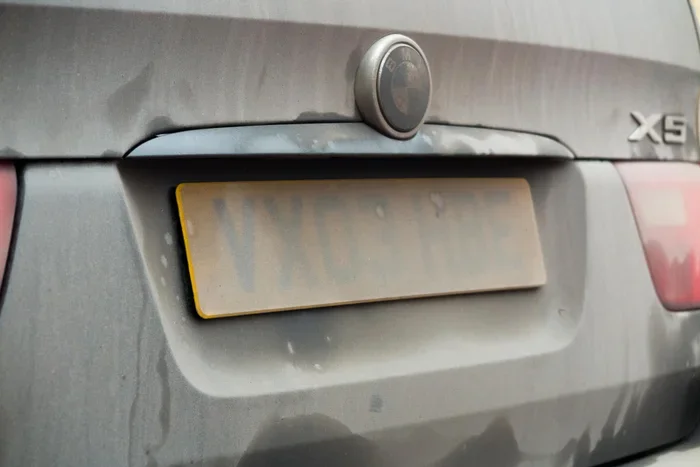
Is It Against the Law Too Buy a Car Without Registartion
Buying a car without registration is not illegal in most states, but driving it without registration is. You can purchase a vehicle and transport it home on a temporary permit or trailer. However, you must register the car within a specific time frame set by your state’s DMV. This guide covers the laws, penalties, and steps to stay on the right side of the law.
This is a comprehensive guide about is it against the law too buy a car without registartion.
Key Takeaways
- Purchasing a car without registration is generally legal: You can buy a vehicle without having it registered in your name yet.
- Driving without registration is illegal: Operating an unregistered car on public roads can lead to fines, tickets, and even towing.
- Every state has its own timeline: Most states give you 30 to 90 days to complete vehicle registration after purchase.
- Temporary permits exist: Many states offer short-term driving permits that let you legally drive a newly purchased car home.
- Penalties vary by state: Fines for driving unregistered can range from $50 to several hundred dollars depending on where you live.
- You need a bill of sale and title: These documents are essential for completing the registration process at your local DMV.
- Insurance still matters: Even without registration, most states require you to have car insurance before driving.
[FEATURED_IMAGE_PLACEHOLDER]
Is It Against the Law To Buy a Car Without Registration?
Have you ever wondered whether buying a car without registration is something you should worry about? Maybe you found an amazing deal on a used vehicle, or a friend is selling their car, and you want to grab it quickly. The thought of registration might feel like a roadblock.
The good news is that purchasing a car without registration is legal in most cases. You are not breaking any law by buying a vehicle that has not yet been registered to you. The issue arises when you try to drive that car on public roads without proper registration.
Many people confuse buying a car with registering and driving it. These are two separate steps. You can own a car without it being registered. But you cannot legally drive it on public streets, highways, or roads until it is registered in your name. Understanding this difference is the first step to staying out of trouble.
This article breaks down the laws, penalties, and practical steps you need to know. Whether you are buying from a dealership or a private seller, this guide has you covered.
Why Do People Buy Cars Without Registration?
There are several reasons someone might buy a car without registration. Sometimes the seller already has the title but has not yet transferred it. Other times, the buyer plans to handle registration after they get the vehicle home.
Here are some common situations:
- Buying from a private seller: The seller may not want to deal with the registration process. They prefer to sell the car as-is and let the buyer handle the paperwork.
- Purchasing a vehicle as a gift: A friend or family member gives you a car, and you plan to register it on your own timeline.
- Buying for storage or parts: Some people purchase cars that will not be driven right away. These vehicles may sit in a garage or be used for restoration projects.
- Temporary ownership: You might buy a car to flip it for profit, and you do not plan to register it in your name long-term.
In all these cases, buying the car itself is not illegal. The legal issue starts when someone tries to drive an unregistered vehicle on public roads.
What the Law Says About Buying a Car Without Registration
Understanding the legal side of vehicle registration can feel confusing. Laws vary from state to state, but the general principles remain similar across the country. Let us break down what the law actually says.
Buying vs. Driving: The Key Distinction
The law makes a clear distinction between owning a car and operating it on public roads. When you buy a car, you are simply entering into a private sale agreement. This is perfectly legal regardless of registration status.
However, once you start the engine and drive on a public road, you enter the realm of vehicle registration laws. Every state requires that cars driven on public roads be registered with the local Department of Motor Vehicles, or DMV. This is a fundamental part of vehicle ownership and road safety regulations.
Think of it this way. Buying a car is like buying a house. You can own a house without living in it immediately. But you cannot occupy a building that does not meet local codes. Similarly, you can own a car without registering it. But you cannot drive it without proper registration and documentation.
State-by-State Registration Requirements
Each state sets its own rules for car registration requirements. While the specifics differ, most states follow a similar pattern. Here are some general guidelines:
- Time frame: Most states require you to register your vehicle within 30 to 90 days of purchase.
- Proof of ownership: You need a valid title or bill of sale to complete registration.
- Identification: A valid driver’s license or state ID is typically required.
- Insurance: Most states require proof of car insurance before you can register a vehicle.
- Inspection: Some states require a vehicle inspection before registration is approved.
For example, California requires registration within 20 days of purchase. Texas gives you 30 days. New York requires registration within 180 days for certain situations. Always check your state’s specific DMV registration rules to avoid penalties.
Can You Transport a Car Home Without Registration?
Yes, in most cases you can transport a newly purchased car without registration. There are a few legal ways to do this:
- Drive it with a temporary permit: Many dealerships provide temporary registration permits. These allow you to drive the car home legally for a short period.
- Use a trailer or flatbed: You can tow the car on a trailer or flatbed truck without registration. Since the car is not being driven on the road, it does not need to be registered.
- Purchase a temporary transit permit: Some states offer short-term permits specifically for transporting newly purchased vehicles.
These options let you move the car legally while you work on completing the full registration process. Always carry the bill of sale and proof of purchase when transporting an unregistered vehicle.
What Happens If You Drive Without Registration?
Driving an unregistered car on public roads is where things get risky. The penalties can be serious, and they vary depending on your location and circumstances.
Potential Penalties for Driving Without Registration
Here is what can happen if you get caught driving an unregistered vehicle:
- Traffic ticket: You will likely receive a citation. Fines for driving without registration range from $50 to $500 or more, depending on the state.
- Vehicle impoundment: In some cases, law enforcement can tow your car. You will then need to pay impound fees on top of any fines.
- Points on your license: Some states add points to your driver’s license for driving unregistered. Too many points can lead to higher insurance rates or even license suspension.
- Increased scrutiny: If you are stopped while driving an unregistered car, officers may look deeper into your situation. This could uncover other issues like lack of insurance or expired registration on another vehicle.
The consequences are not worth the risk. It is always better to complete vehicle registration before hitting the road. Even a short drive to the grocery store without registration can result in a costly ticket.
How Police Handle Unregistered Vehicles
When a police officer pulls you over, they run your license plate through their system. If the vehicle shows as unregistered, you will likely receive a citation on the spot. Some states treat this as a misdemeanor, while others treat it as a civil infraction.
During routine traffic stops, officers also check for car insurance and valid driver’s licenses. If any of these are missing, the situation can escalate quickly. You might face additional fines, vehicle impoundment, or even arrest in extreme cases.
The bottom line is simple. Always make sure your vehicle is registered before you drive it. It protects you legally, financially, and practically.
How to Register a Car After Purchase
Registering a car after purchase is straightforward if you know the steps. Here is a simple guide to help you through the process.
Step-by-Step Registration Process
- Get the title and bill of sale: The seller must provide you with a signed title and a bill of sale. These are the most important documents for registration.
- Get car insurance: Most states require active insurance before you can register a vehicle. Contact your insurance provider and add the new car to your policy.
- Gather identification: Bring a valid driver’s license, proof of residency, and your Social Security number or proof of citizenship.
- Visit your local DMV: Go to your nearest DMV office or check if your state offers online registration.
- Pay the registration fees: Fees vary by state and vehicle type. Expect to pay anywhere from $20 to several hundred dollars.
- Pass inspection if required: Some states require a safety or emissions inspection before registration.
- Receive your registration and plates: Once approved, you will get your registration sticker and license plates.
Following these steps ensures you stay legal and avoid any trouble with local authorities. Keep all your registration documents in the car at all times while driving.
Tips for a Smooth Registration Experience
Registration does not have to be stressful. Here are some tips to make the process easier:
- Call ahead: Check if your DMV requires an appointment. Many offices now use appointment systems to reduce wait times.
- Check online: Several states allow you to complete registration online through their DMV portal. This can save you a trip entirely.
- Bring all documents: Double-check that you have the title, bill of sale, insurance proof, and ID before you go.
- Renew on time: Registration usually expires annually. Set a reminder so you never let it lapse.
Common Mistakes People Make When Buying a Car Without Registration
Even well-meaning buyers make mistakes. Here are some common errors to avoid.
Mistake 1: Assuming the Seller Has Handled Registration
Many buyers assume the seller will take care of everything. In reality, the seller may have already let their registration lapse. It is your responsibility to ensure the vehicle is properly registered in your name.
Mistake 2: Driving on Expired Temporary Permits
Temporary permits have expiration dates. Driving past that date is just as illegal as driving without any registration at all. Always check the expiration date and complete the full registration before it lapses.
Mistake 3: Skipping Insurance
Some people think they do not need insurance if the car is not registered yet. This is a dangerous assumption. Most states require insurance from the moment you take ownership, even if you are not driving the car regularly.
Mistake 4: Not Keeping the Bill of Sale
The bill of sale proves you purchased the vehicle legally. Without it, you may face issues during registration or if law enforcement stops you. Always keep a copy in your glove box.
Mistake 5: Ignoring State-Specific Rules
Every state has different requirements. What applies in California may not apply in Florida. Always research your specific state’s registration laws before buying a car.
Quick Tips for Buying a Car Without Immediate Registration
Here are some practical tips to help you navigate the process smoothly:
- Get a written bill of sale: This protects both you and the seller. Include the purchase price, date of sale, vehicle details, and signatures from both parties.
- Verify the title is clean: Make sure the title has no liens or encumbrances before you pay. A clean title ensures smooth registration later.
- Ask about temporary permits: If buying from a dealership, ask if they offer a temporary driving permit.
- Plan your registration visit: Schedule your DMV visit within the first week of purchase. This keeps you well within the legal time frame.
- Keep all paperwork organized: Use a folder or digital folder to store all purchase and registration documents.
- Check for recalls: Before registering, check if the vehicle has any outstanding recalls. You can do this through the NHTSA website.
Expert Insights on Vehicle Registration Laws
Automotive and legal experts agree on one thing. Registration is not just a formality. It serves a real purpose in maintaining road safety and accountability. Registered vehicles are easier to track, insure, and identify in the event of an accident or crime.
According to legal experts, the most common issue people face is not understanding the timeline. Many states give a grace period after purchase. But that grace period is not indefinite. If you buy a car on the first of the month and your state gives you 30 days, you must register by the end of that month.
Experts also recommend keeping all purchase-related documents for at least one year. This includes the bill of sale, payment receipts, and any correspondence with the seller. These documents can protect you if any disputes arise later.
Insurance professionals add that driving without registration often means driving without proper coverage too. Even if you have insurance, an unregistered vehicle may not be covered in the event of an accident. Always make sure your policy matches your registration status.
Frequently Asked Questions
Can I drive a newly bought car home without registration?
In most cases, yes. You can drive a newly purchased car home if you have a valid bill of sale, proof of insurance, and a temporary permit if required by your state. However, you should complete full registration as soon as possible, typically within 30 days.
What documents do I need to register a car?
You typically need a signed title, bill of sale, proof of insurance, valid identification, and payment for registration fees. Some states also require a vehicle inspection report. Check with your local DMV for a complete list of requirements.
Can I buy a car with a suspended registration?
You can purchase a car even if your previous registration was suspended. However, you cannot drive the vehicle on public roads until you resolve the suspension and complete new registration. Address any outstanding issues with your DMV first.
How long do I have to register a car after purchase?
The timeline varies by state. Most states give you between 20 and 90 days to complete registration. California requires registration within 20 days, while Texas allows 30 days. Always verify the specific rules in your state.
Is it illegal to buy a car and let it sit without registering?
No, it is generally not illegal to buy a car and store it without registering it. However, if you ever want to drive it on public roads, you must register it first. Some states also require registration even for stored vehicles, so check local laws.
What happens if I get pulled over with an unregistered car?
If you are stopped while driving an unregistered vehicle, you will likely receive a traffic citation. Penalties include fines ranging from $50 to $500 or more, and in some cases, your vehicle may be impounded. Repeated offenses can lead to license suspension or additional legal consequences.
Conclusion
Buying a car without registration is not against the law in most situations. You can purchase a vehicle, pay for it, and take ownership without having it registered in your name. The key is understanding the difference between buying and driving.
Once you take that car onto public roads, registration becomes mandatory. Every state has specific vehicle registration laws that you must follow. Failure to comply can result in fines, impoundment, and legal trouble.
The best approach is simple. Buy the car, get your paperwork in order, secure insurance, and complete registration within your state’s required time frame. This keeps you legal, protected, and worry-free.
Whether you are a first-time buyer or a seasoned car shopper, understanding registration rules is essential. Take the time to do it right, and you will enjoy your new vehicle with complete peace of mind. Stay informed, stay compliant, and drive safely.
Frequently Asked Questions
What is is it against the law too buy a car without registartion?
is it against the law too buy a car without registartion is an important topic with many practical applications.