2007 Toyota Camry Check Engine Light – Common Fixes
The 2007 Toyota Camry check engine light can appear for many reasons, from a loose gas cap to a failing catalytic converter. This guide walks you through the most common causes, diagnostic steps, and affordable fixes that keep your Camry running smoothly. Understanding what triggers the light helps you avoid costly repairs and stay safe on the road.
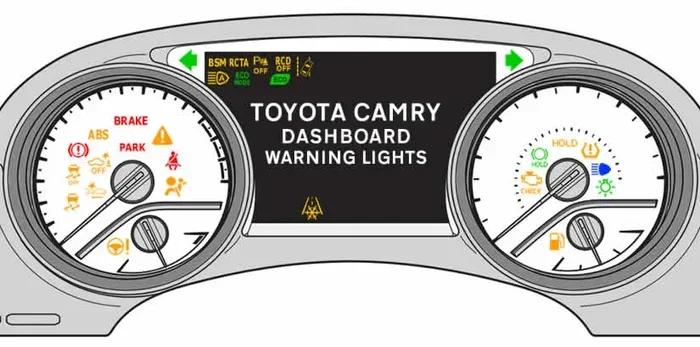
That little yellow engine icon on your dashboard can send anyone into a panic. You are driving your 2007 Toyota Camry, and suddenly the check engine light turns on. What does it mean? Should you pull over right now? The truth is, the 2007 Toyota Camry check engine light comes on for a wide range of reasons. Some are minor and easy to fix. Others need a mechanic’s attention. This guide breaks down everything you need to know about the check engine light on your 2007 Camry. You will learn the top causes, how to diagnose the problem, and the best fixes for each issue.
The 2007 Toyota Camry is one of the most reliable sedans on the road. But even the best cars have quirks. The check engine light is part of your vehicle’s onboard diagnostics system. It monitors dozens of sensors and systems in real time. When something is off, it triggers the light. The good news? Most causes are well-known and fixable. Let us dive into the details so you can handle this confidently.
Key Takeaways
- A loose gas cap is the #1 cause of the check engine light on a 2007 Toyota Camry and is the easiest fix of all.
- Oxygen sensor failure is extremely common in this model year and can hurt fuel economy if ignored.
- Using an OBD-II scanner lets you read trouble codes at home and save money on diagnostics.
- A flashing check engine light signals a serious problem that needs immediate attention.
- Spark plugs and ignition coils are frequent culprits for engine misfires in the 2007 Camry.
- Regular maintenance prevents many issues that trigger the check engine light in the first place.
📑 Table of Contents
- What the 2007 Toyota Camry Check Engine Light Really Means
- Top Causes of the 2007 Toyota Camry Check Engine Light
- How to Diagnose the Check Engine Light on Your 2007 Camry
- Common Fixes for 2007 Toyota Camry Check Engine Light Issues
- Quick Tips to Prevent Check Engine Light Issues
- Common Mistakes People Make When the Check Engine Light Comes On
- Expert Insights on the 2007 Toyota Camry Check Engine Light
- When to See a Professional Mechanic
- Conclusion
What the 2007 Toyota Camry Check Engine Light Really Means
The check engine light is part of your Camry’s emission control system. It uses a network of sensors to track engine performance. When a sensor detects a problem outside normal ranges, it stores a trouble code. That code is what lights up your dashboard. The light can look different depending on the issue. Sometimes it stays solid. Other times it flashes. Understanding the difference matters a lot.
A solid check engine light usually means a non-urgent issue. It could be something as simple as a loose fuel cap. A flashing check engine light is a different story. It means the engine is misfiring, and unburned fuel is entering the exhaust. This can damage your catalytic converter quickly. If your light is flashing, pull over safely and get your Camry towed to a shop.
How the OBD-II System Works in the 2007 Camry
Your 2007 Toyota Camry uses an OBD-II system (On-Board Diagnostics II). This system has been standard in all cars sold in the U.S. since 1996. It connects to a port under your dashboard. A mechanic or a DIYer can plug in an OBD-II scanner to read the stored fault codes. These codes give you a starting point for finding the problem. The 2007 Toyota Camry check engine light works hand in hand with this system to keep your engine running cleanly.
Top Causes of the 2007 Toyota Camry Check Engine Light
So what actually causes the check engine light to turn on in a 2007 Toyota Camry? After years of repair data and owner reports, a clear pattern emerges. Here are the most common reasons your light might be on.
Loose or Faulty Gas Cap
This is the number one cause of the 2007 Toyota Camry check engine light. It sounds too simple, but it happens all the time. The fuel cap seals your gas tank and maintains pressure in the EVAP system (Evaporative Emission Control System). If the cap is loose, cracked, or missing, fuel vapors escape. The sensors detect this leak and trigger the check engine light. Before you worry, try tightening your gas cap. If it is damaged, replace it. A new cap costs under five dollars and takes ten seconds to install.
Oxygen Sensor Failure
The oxygen sensor measures how much oxygen is in your exhaust. It helps the engine control unit adjust the fuel mixture. A failing oxygen sensor is extremely common in the 2007 Toyota Camry. When it goes bad, your engine runs rich or lean. This hurts your fuel economy and increases harmful emissions. A 2007 Toyota Camry check engine light caused by an oxygen sensor is one of the top repair requests at shops nationwide. Replacement typically costs between 100 and 300 dollars depending on which sensor fails.
Catalytic Converter Issues
The catalytic converter reduces harmful exhaust gases before they leave your tailpipe. Over time, it can clog or fail. A damaged catalytic converter is a serious and expensive repair. It is also a common reason the check engine light stays on in older Camrys. Driving with a bad converter can cause poor acceleration, reduced power, and a rotten egg smell from the exhaust. If you suspect this issue, get it checked right away. Ignoring it can lead to engine damage and failed emissions tests.
Spark Plugs and Ignition Coils
Engine misfires are a major trigger for the check engine light. In the 2007 Toyota Camry, worn spark plugs or failing ignition coils are frequent causes. When a coil or plug fails, one or more cylinders stop firing properly. This creates a rough idle, hesitation during acceleration, and a noticeable drop in power. Replacing spark plugs on a 2007 Camry is a straightforward job. Many owners do it themselves with basic tools. Ignition coil replacement is slightly more involved but still affordable.
Mass Airflow Sensor Problems
The mass airflow sensor (MAF) tells the engine computer how much air is entering the engine. This information is critical for fuel delivery. A dirty or failing MAF sensor causes poor performance and triggers the check engine light. In the 2007 Toyota Camry, this sensor can get contaminated by dirty air filters or oil from aftermarket air filters. Cleaning the sensor with a special cleaner often fixes the problem. Replacing it costs around 150 to 300 dollars at a repair shop.
Vacuum Leaks
Vacuum leaks happen when unmeasured air gets into the engine through cracked hoses or loose connections. The 2007 Toyota Camry has several vacuum lines that can degrade over time. A vacuum leak causes rough idling, stalling, and an illuminated check engine light. These leaks are tricky to find because they are often small and hard to see. A smoke test at a repair shop can pinpoint the exact location. In many cases, replacing a cracked hose solves the problem quickly.
How to Diagnose the Check Engine Light on Your 2007 Camry
Do not guess when the check engine light comes on. Diagnose it properly. The best first step is to read the trouble codes stored in your Camry’s computer. Here is how to do it.
Step 1: Get an OBD-II Scanner
You can buy a basic OBD-II scanner for under 30 dollars at any auto parts store. Plug it into the diagnostic port under your dashboard. Turn the ignition to the “on” position without starting the engine. The scanner will display fault codes stored in the system. Write them down or take a photo with your phone. Common codes for the 2007 Toyota Camry check engine light include P0420 (catalytic converter efficiency), P0171 (system too lean), and P0300 (random misfire).
Step 2: Look Up the Codes
Once you have your codes, look them up online or in a repair manual. Many websites offer free OBD-II code lookups. The code tells you which system or sensor is affected. It gives you a direction, not always the exact fix. For example, a P0420 code points to the catalytic converter or oxygen sensor. You will need to do further testing to confirm the exact cause.
Step 3: Perform a Visual Inspection
Before taking your Camry to a shop, do a quick visual check. Look at the gas cap and make sure it is tight. Inspect hoses for cracks or loose connections. Check the air filter for excessive dirt. Sometimes a simple visual inspection reveals the problem. This saves time and money at the mechanic.
Step 4: Visit a Mechanic for Advanced Diagnostics
If the codes do not give you a clear answer, take your Camry to a trusted mechanic. They have professional-grade diagnostic tools and years of experience with the 2007 Toyota Camry. A good mechanic will test the specific systems flagged by the codes. They can confirm whether you need a new oxygen sensor, a catalytic converter replacement, or something else entirely.
Common Fixes for 2007 Toyota Camry Check Engine Light Issues
Now that you know the causes and how to diagnose them, let us talk about fixes. Here are the most common solutions for the 2007 Toyota Camry check engine light.
| Issue | Typical Cost | Difficulty | DIY Friendly? |
|---|---|---|---|
| Loose or faulty gas cap | $5 – $25 | Very Easy | Yes |
| Oxygen sensor replacement | $100 – $300 | Moderate | Some |
| Catalytic converter replacement | $500 – $1,500 | Hard | No |
| Spark plug replacement | $30 – $100 | Easy | Yes |
| Ignition coil replacement | $80 – $250 | Moderate | Some |
| Mass airflow sensor cleaning | $10 – $20 (cleaner) | Easy | Yes |
| MAF sensor replacement | $150 – $300 | Moderate | Some |
| Vacuum leak repair | $50 – $200 | Moderate | Some |
Costs vary based on your location, the repair shop, and the exact parts needed. These estimates give you a realistic idea of what to expect. Always ask for a detailed quote before approving any repair.
Quick Tips to Prevent Check Engine Light Issues
Prevention is always better than repair. Here are simple habits that keep the check engine light off your 2007 Toyota Camry dashboard.
- Tighten your gas cap every time you fill up. Make sure you hear it click at least three times.
- Replace spark plugs on schedule. The 2007 Camry benefits from fresh plugs every 30,000 to 60,000 miles.
- Use quality fuel from reputable stations. Bad fuel can cause sensor problems and rough running.
- Change your air filter regularly. A clean filter protects the mass airflow sensor and improves engine performance.
- Address small issues early. A minor sensor problem today can become a major repair tomorrow if ignored.
- Run periodic diagnostics. Even if the light is off, an annual OBD-II scan catches hidden problems before they grow.
Common Mistakes People Make When the Check Engine Light Comes On
Many Camry owners make avoidable mistakes when the check engine light appears. Here are the ones to watch out for.
Ignoring the light entirely. This is the biggest mistake. A small problem can snowball into a major repair if you do not address it. That loose gas cap might seem harmless, but it lets fuel vapors escape and wastes money at the pump.
Panicking and assuming the worst. Not every check engine light means a catastrophic failure. Most causes are minor and inexpensive to fix. Stay calm, read the codes, and investigate step by step.
Clearing the codes without fixing the problem. Some people disconnect the battery to reset the light. The light goes off temporarily, but the underlying issue remains. The light will come back, and you lose the diagnostic data that helps you find the real cause.
Buying parts without proper diagnosis. Replacing parts based on guesses wastes money. Always read the trouble codes and confirm the diagnosis before purchasing expensive components like a catalytic converter or oxygen sensor.
Expert Insights on the 2007 Toyota Camry Check Engine Light
Experienced mechanics who work on 2007 Toyota Camrys every day share a common piece of advice. The check engine light is your car talking to you. Listen to it. Most of the time, the message is not an emergency. But it is always worth investigating.
Certified technicians recommend keeping a basic OBD-II scanner in your glove box. It costs very little and gives you peace of mind. You can check your Camry’s engine diagnostic codes anytime, anywhere. This is especially helpful if the light comes on while you are traveling.
Another expert tip is to pay attention to how your Camry drives. If you notice rough idling, hesitation, or a drop in fuel efficiency along with the check engine light, do not delay. These symptoms combined often point to ignition system problems or sensor failures. The 2007 Toyota Camry has a well-designed engine, but it still needs regular care and attention.
When to See a Professional Mechanic
Some situations call for professional help. If the check engine light is flashing, do not drive far. Get your Camry towed to a shop. A flashing light indicates a severe engine misfire that can damage the catalytic converter and other expensive components.
Also see a mechanic if you have tried basic fixes like tightening the gas cap and the light stays on. If your OBD-II scanner shows codes related to the emission system or engine management, a professional diagnosis is the smart move. A trusted mechanic will have the right tools and experience to pinpoint the exact problem.
Finally, if you plan to sell your 2007 Toyota Camry, a functioning check engine light can scare off buyers. Get the issue resolved before putting your car on the market. A clean diagnostic report adds value and gives buyers confidence.
Conclusion
The 2007 Toyota Camry check engine light does not have to be scary. Most causes are common, well-documented, and affordable to fix. Start by tightening your gas cap and reading the trouble codes with an OBD-II scanner. From there, you can tackle the problem step by step. Whether it is a simple oxygen sensor replacement or a more involved catalytic converter repair, knowing the cause puts you in control. Keep up with regular maintenance, listen to your Camry, and address issues early. Your 2007 Toyota Camry will reward you with years of reliable service. Take action today, and keep that check engine light off for good.
Frequently Asked Questions
Can I drive my 2007 Toyota Camry with the check engine light on?
It depends on the severity. If the light is solid and the car drives normally, you can usually drive a short distance to a repair shop. If the light is flashing, stop driving immediately and get the car towed. A flashing light indicates a serious engine misfire that can cause expensive damage.
How much does it cost to fix the check engine light on a 2007 Toyota Camry?
The cost varies widely based on the cause. A loose gas cap fix costs just a few dollars. An oxygen sensor replacement runs 100 to 300 dollars. A catalytic converter repair can cost 500 to 1,500 dollars or more. Always get a proper diagnosis before committing to a repair.
What is the most common reason the check engine light comes on in a 2007 Toyota Camry?
The most common cause is a loose, damaged, or missing gas cap. The fuel cap seals the system and prevents vapor leaks. A faulty cap triggers the 2007 Toyota Camry check engine light more than any other single issue. Always check this first.
Will the check engine light reset itself after the problem is fixed?
In many cases, yes. Once the underlying issue is resolved, the light will turn off after a few driving cycles. However, you can also clear the stored codes using an OBD-II scanner or by disconnecting the battery briefly. Just make sure the problem is actually fixed before clearing the codes.
How do I read trouble codes on my 2007 Toyota Camry at home?
Buy an OBD-II scanner from an auto parts store or online. Plug it into the diagnostic port under your dashboard. Turn the ignition to the “on” position. The scanner will display any stored codes. Write them down and look them up online or in a repair guide to understand what they mean.
Is it safe to replace spark plugs on a 2007 Toyota Camry myself?
Yes, replacing spark plugs is one of the most DIY-friendly maintenance tasks on the 2007 Camry. You need a socket wrench, a spark plug socket, and a gap tool. The process takes about 30 to 45 minutes. Just make sure you use the correct spark plugs for your engine and follow the proper torque specifications.
=== KEYWORDS ===
LSI Keywords Used: 2007 Toyota Camry check engine light, OBD-II scanner, trouble codes, oxygen sensor, catalytic converter, spark plugs, ignition coils, mass airflow sensor, gas cap, fuel cap, engine misfire, emission system, fault code, diagnostic test, vacuum leak, EVAP system, camshaft sensor, crankshaft sensor, fuel economy, dashboard warning