Battery Dead Clicking Noise Why It Happens And Fixes
A battery dead clicking noise is a clear sign that your car battery cannot deliver enough power to start the engine. The clicking sound usually comes from the solenoid or starter motor struggling to engage. Common causes include corroded battery terminals, low battery voltage, faulty cables, or a parasitic draw draining power overnight. This guide walks you through the most likely reasons and gives you practical fixes you can do at home or with a quick trip to a mechanic.
You hear it every time you turn the key. A rapid clicking noise comes from under the hood, but the engine refuses to turn over. That sound is frustrating, especially when you are in a hurry. It almost always points to a battery dead clicking noise problem. This is one of the most common issues drivers face with their vehicles every single day.
The good news is that a clicking noise from your battery often has a simple fix. Sometimes it is just a corroded terminal. Other times it signals a deeper problem with your electrical system. Either way, understanding why this happens helps you act fast. Let us look at what causes that annoying sound and how you can fix it yourself.
Key Takeaways
- Corroded terminals are the number one cause of a clicking noise and are easy to clean yourself.
- Low battery voltage prevents the starter motor from engaging, causing rapid clicking.
- A jump start can temporarily fix the problem but does not address the root cause.
- Parasitic draw from electrical devices can drain your battery overnight.
- Regular battery maintenance helps prevent most clicking noise issues.
- If cleaning and jump starting do not work, a battery replacement may be needed.
📑 Table of Contents
What Is a Battery Dead Clicking Noise?
When you turn your ignition key or press the start button, you expect the engine to crank right away. Instead, you hear a rapid clicking sound. That sound is called a battery dead clicking noise. It happens because the battery does not have enough power to fully engage the starter motor. The clicking you hear is actually the solenoid trying to engage. The solenoid is a small switch that sends power to the starter motor. When the battery voltage drops too low, the solenoid clicks but cannot push the starter gear into place. This creates the repeating click-click-click sound you hear.
Not all clicking sounds mean a dead battery. A single click might point to a different problem. But rapid clicking almost always means the battery is too weak to start the engine. Learning to tell the difference can save you time and money. A healthy battery delivers about 12.6 volts when the engine is off. When that number drops, the battery dead clicking noise becomes your car’s warning signal.
The Role of the Starter Motor
The starter motor is the part that actually turns the engine over. It needs a strong burst of electricity from the battery to work. When your battery is healthy, the starter motor spins fast and the engine starts right away. When the battery is weak, the starter motor struggles. It may twitch or click but not spin. This is your car telling you something is wrong with the power supply. The starter motor itself might still be fine. The real issue is usually the battery or the cables connected to it. A battery dead clicking noise often tricks drivers into thinking the starter motor is broken. In most cases, the starter motor is perfectly fine. The battery just cannot deliver the power it needs.
Solenoid Engagement Issues
The solenoid acts like a bridge between the battery and the starter motor. It closes a circuit that sends power where it needs to go. When battery voltage is too low, the solenoid cannot close fully. It opens and closes very fast, creating that rapid clicking sound. Think of it like a light switch that keeps flipping on and off. The light flickers but never turns on fully. That is exactly what happens inside your starter system when the battery cannot hold enough charge. This is why the battery dead clicking noise is so common in older or neglected batteries.
Why Does a Dead Battery Make a Clicking Sound?
Several things can cause your battery to lose power and start clicking. Understanding the root cause helps you choose the right fix. Here are the main reasons a dead battery makes that annoying sound.
Corroded Battery Terminals
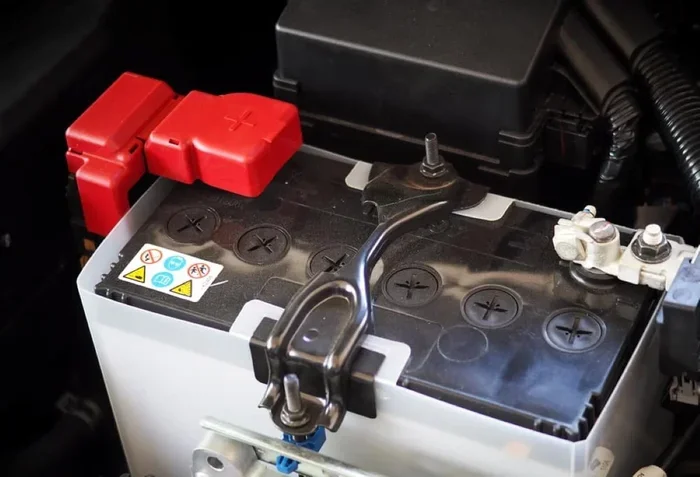
Corrosion is the enemy of a good electrical connection. Over time, a white or blue-green powder builds up on your battery terminals. This buildup blocks the flow of electricity from the battery to the cables. Even if the battery has plenty of charge, the corrosion stops it from reaching the starter. You can often see this corrosion with your own eyes. Look at the top of your battery and the cable connections. If you see a crusty, powdery substance, that is likely the cause of your battery dead clicking noise. Cleaning the terminals is usually a quick and easy fix.
Low Battery Voltage
A healthy car battery should read about 12.6 volts when the engine is off. When the voltage drops below 12 volts, the battery struggles to start the engine. Below 11.5 volts, you will likely hear the clicking noise. Cold weather makes this problem worse. Low temperatures reduce the battery’s ability to deliver power. If you live in a cold climate, your battery works harder during winter months. This is why clicking noises are more common in the colder seasons. A low battery is one of the top reasons for a battery dead clicking noise every winter.
Faulty Battery Cables
The cables that connect your battery to the car’s electrical system can wear out over time. The insulation can crack, and the metal inside can corrode. Damaged cables restrict the flow of electricity just like corroded terminals do. Check your battery cables for any signs of damage. Look for fraying, cracking, or greenish buildup on the metal ends. If the cables look worn, replacing them is a simple fix that often solves the clicking problem completely. Many drivers overlook the cables and focus only on the battery. But bad cables are just as likely to cause a battery dead clicking noise.
Parasitic Draw
A parasitic draw happens when something in your car continues to use battery power after the engine is off. This could be a light left on, a faulty relay, or an accessory that never fully powers down. Over time, a parasitic draw drains the battery completely. You get in your car the next morning and the battery is dead. The clicking noise follows every time you try to start it. Finding and fixing a parasitic draw requires a multimeter test, which a mechanic can do quickly. This is one of the sneakiest causes of a battery dead clicking noise because the battery seems fine one day and dead the next.
How to Fix a Dead Battery Clicking Noise
Now that you know the common causes, let us look at the fixes. Some you can do yourself at home. Others may need a professional touch. Here is a practical guide to stopping that clicking noise for good.
Jump Start Your Battery
The fastest way to deal with a dead battery is a jump start. You need a set of jumper cables and another vehicle with a working battery. Connect the cables in the right order: positive to positive, negative to a metal ground on the dead car. Start the working car first and let it run for a few minutes. Then try starting your car. If the engine turns over, the jump start worked. Drive your car for at least 20 minutes to recharge the battery.
A jump start is not a permanent fix, but it gets you going right away. Here is the correct order every time:
- Connect the red clamp to the positive terminal on the dead battery.
- Connect the other red clamp to the positive terminal on the good battery.
- Connect the black clamp to the negative terminal on the good battery.
- Connect the other black clamp to a metal ground on the dead car, away from the battery.
Quick Tip: Always keep a portable jump starter in your trunk. These small devices can save you from a roadside breakdown. They are affordable and easy to use. A jump starter is one of the best tools to have when a battery dead clicking noise strikes unexpectedly.
Clean the Battery Terminals
If corrosion is the problem, cleaning the terminals often solves it right away. First, disconnect the battery cables. Always remove the negative cable first for safety. Then use a battery terminal cleaner or a mixture of baking soda and water to scrub away the corrosion. A wire brush works great for this job. Scrub both the terminals and the cable ends until the metal shines through. After cleaning, reconnect the cables in reverse order: positive first, then negative.
This simple maintenance task takes about 10 minutes and can prevent many electrical problems. Make it part of your regular battery maintenance routine. Clean terminals ensure a strong connection and help your battery deliver full power every time you turn the key.
Replace the Battery
Sometimes cleaning and jump starting are not enough. If your battery is old or damaged, it needs to be replaced. Most car batteries last between three and five years. If yours is older than that, a new battery is the best solution. When buying a new battery, match the group size and cold cranking amps (CCA) to your vehicle. You can find this information in your car owner’s manual. Installing a new battery is straightforward, but if you are not comfortable doing it yourself, any auto parts store will help for free.
Quick Tip: Have your battery tested at an auto parts store. Most stores offer free battery testing. They can tell you if your battery is still good or if it is time for a battery replacement. Do not wait until your car will not start. Regular testing helps you plan ahead and avoid surprises.
Check the Alternator
The alternator charges your battery while the engine runs. If the alternator is failing, your battery never gets fully recharged. This leads to a weak battery and that dreaded clicking noise. Watch for other signs of a bad alternator. Does the battery warning light come on while driving? Do your headlights dim when you idle? These are clues that the alternator might be the real problem, not the battery itself.
A mechanic can test the alternator with a voltage meter. If the alternator is faulty, replacing it will solve the charging problem and prevent the battery from dying again. A failing alternator is a serious issue because it can damage other electrical parts in your car. Fix it early to avoid bigger repair bills later.
Common Causes and Fixes at a Glance
| Cause | Symptom | Fix |
|---|---|---|
| Corroded Battery Terminals | Clicking noise, slow engine crank | Clean terminals with baking soda solution |
| Low Battery Voltage | Rapid clicking, no engine start | Jump start or battery replacement |
| Faulty Battery Cables | Intermittent clicking, dim lights | Replace damaged cables |
| Parasitic Draw | Battery dead after sitting overnight | Multimeter test and fix the draw |
| Bad Alternator | Battery warning light, dimming headlights | Replace alternator |
When to Replace Your Battery
Knowing when to replace your battery saves you from unexpected breakdowns. A dead battery clicking noise is often the first warning sign. But there are other signs to watch for. If your battery is more than three years old, have it tested regularly. Look for swelling or bloating on the battery case. This is a sign of internal damage. Also pay attention to how long it takes to start the engine. Slow engine cranking means the battery is losing its strength.
Check the battery date code on the case. The letter represents the month and the number represents the year. For example, A3 means January 2023. This helps you track the age and plan for a replacement before you get stranded. Here are the top signs your battery needs replacing:
- The engine cranks slowly when you turn the key.
- The battery warning light appears on your dashboard.
- You need jump starts more than twice a month.
- The battery case looks swollen or cracked.
- The battery is more than four years old.
- Electrical accessories like power windows respond slowly.
Preventing Battery Dead Clicking Noise in the Future
The best way to deal with a battery dead clicking noise is to prevent it from happening in the first place. Regular maintenance goes a long way toward keeping your battery healthy and your engine starting smoothly. Here are some simple steps you can take to avoid future problems:
- Inspect your battery terminals every few months for corrosion or buildup.
- Keep your battery clean and free of dirt and grime on the top of the case.
- Turn off all accessories before shutting off the engine to reduce parasitic draw.
- Drive your car regularly to keep the battery charged through the alternator.
- Use a battery maintainer if your car sits unused for long periods.
- Check the battery voltage with a multimeter at least once a month during cold weather.
- Replace your battery every three to five years before it fails unexpectedly.
These habits take very little time but can add years of reliable service from your battery. A little prevention today saves you from a frustrating morning tomorrow. Think of battery maintenance like brushing your teeth. A small effort every day prevents big problems later.
Expert Insights on Battery Clicking Noise
Experienced mechanics agree that most battery dead clicking noise issues come down to three things: corrosion, age, and electrical drains. A certified automotive technician once shared that about 70 percent of the clicking noise calls he receives are solved by simply cleaning the battery terminals. Another 20 percent are resolved with a jump start and a new battery. The remaining 10 percent point to deeper electrical problems like a failing alternator or a persistent parasitic draw. The lesson is clear. Start with the simplest fix first. Clean the terminals. Check the cables. Then move on to bigger repairs if needed.
Conclusion
A battery dead clicking noise is your car’s way of telling you something is wrong with the power system. It can be caused by corroded terminals, low voltage, faulty cables, or a parasitic draw. The good news is that most causes are easy to identify and fix. Start with the simplest solutions like cleaning the terminals or giving the battery a jump start. If those do not work, it may be time for a battery replacement or an alternator check.
Regular battery maintenance keeps your car reliable and your engine starting every time. Do not ignore that clicking sound. Address it early and you will avoid being stranded with a car that will not start. Take action today and keep your battery in top shape for the road ahead. Your future self will thank you when your car starts without a single click.
Frequently Asked Questions
Can a dead battery cause a clicking noise even after a jump start?
Yes, it can. If the alternator is not charging the battery properly, the battery will drain again quickly. A jump start might get you going temporarily, but the clicking noise can return if the charging system is faulty. Have the alternator and battery both tested to find the real cause.
How long does a car battery last before it starts clicking?
Most car batteries last between three and five years. As the battery ages, its ability to hold a charge decreases. The clicking noise often appears when the battery is near the end of its life. Regular testing helps you replace the battery before it fails completely.
Is it safe to drive with a clicking noise from the battery?
It is not recommended. A clicking noise usually means the battery cannot start the engine. If the battery dies completely while driving, you could lose power steering and brakes. Get the battery checked and fixed as soon as possible to stay safe on the road.
What tools do I need to clean corroded battery terminals?
You need a wrench to loosen the cable clamps, a wire brush or battery terminal cleaner, and a baking soda and water mixture. Wear gloves and safety glasses to protect yourself from battery acid. The whole cleaning process takes about 10 minutes.
Can cold weather cause a battery dead clicking noise?
Yes, cold weather is a common trigger. Low temperatures reduce the chemical reaction inside the battery, lowering its ability to deliver power. Batteries that are already weak often fail in cold weather, leading to that clicking sound when you try to start the car.
How much does a battery replacement cost?
The cost varies depending on the battery size and brand. A standard car battery typically costs between 100 and 250 dollars. Many auto parts stores include free installation with your purchase. The total cost is usually lower than a roadside tow or a repair shop visit.