Why Do Some Nissan CVT Models Come Without a Dipstick
Nissan removed the dipstick from several CVT models to simplify design and reduce user error. Without a dipstick, checking your Nissan CVT transmission fluid requires a different approach. This guide explains the reasons, the models affected, and how to keep your CVT fluid level in check.
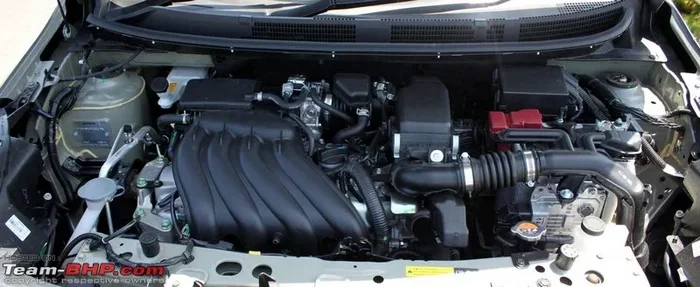
Have you ever popped open the hood of your Nissan and searched for the transmission dipstick? Maybe you looked near the engine bay and found nothing. If you drive a Nissan with a CVT transmission, this is completely normal. Some Nissan CVT models simply do not come with a dipstick. And if you are not expecting that, it can be confusing.
The Nissan CVT or continuously variable transmission is a popular drivetrain found in many Nissan vehicles. It offers smooth acceleration and better fuel economy compared to traditional automatic transmissions. But the lack of a dipstick raises a big question. How do you check or maintain the fluid? In this article, we will walk you through everything you need to know about why do some nissans cvt come without a dipstick. We will cover the reasons, the affected models, and practical steps you can take.
Understanding your Nissan automatic transmission is essential for long-term reliability. Whether you own a Nissan Rogue, Altima, or Sentra, this guide will help you stay on top of transmission fluid maintenance. Let us dive in.
Key Takeaways
- No Dipstick Design: Nissan eliminated the dipstick from certain CVT models to improve accuracy and reduce contamination risks.
- Specialized Checking Method: You need to check CVT fluid through a fill plug on the transmission housing.
- Affected Models: Popular Nissan vehicles like the Rogue, Altima, and Sentra may not have a traditional dipstick.
- Maintenance Matters: Regular transmission fluid change intervals are critical for CVT longevity.
- Professional Help Helps: Many owners choose a dealer or certified mechanic for fluid checks and changes.
- Right Fluid Is Key: Using the wrong Nissan recommended transmission fluid can damage your CVT.
- Warranty Protection: Following proper maintenance helps protect your Nissan CVT warranty coverage.
📑 Table of Contents
Understanding the Nissan CVT Transmission
The Nissan CVT transmission works differently from a standard automatic. Instead of fixed gear ratios, a CVT uses a belt and pulley system. This allows for seamless acceleration without the jerky shifts you feel in traditional automatics. Many drivers love the smooth feel and improved fuel economy that a Nissan CVT provides.
However, CVT transmissions are more sensitive to fluid condition than traditional automatics. The fluid serves multiple roles. It lubricates internal components, cools the transmission, and helps the belt and pulleys grip properly. When the fluid degrades or runs low, the CVT transmission problems can start quickly. Nissan engineers designed the no-dipstick system to help protect the fluid quality and reduce the chance of contamination.
How a CVT Transmission Differs from a Traditional Automatic
A traditional automatic transmission uses a torque converter and a set of planetary gearsets. These components need a certain amount of fluid to operate smoothly. The dipstick in a traditional automatic makes it easy for owners to check the fluid level at home. A CVT transmission has a simpler internal design but relies heavily on precise fluid levels. Even a small amount of wrong fluid or low fluid can cause serious damage. This is one of the main reasons Nissan moved away from the dipstick design.
Why Fluid Quality Matters So Much in a CVT
The belt inside a CVT operates under constant tension. The fluid must maintain specific friction properties to keep the belt from slipping. Over time, heat and wear break down the fluid. Nissan uses a specially formulated CVT transmission fluid that meets exact specifications. Using the wrong fluid or letting old fluid sit too long can lead to premature wear. This is why Nissan transmission maintenance schedules are so important.
Why Nissan Removed the Dipstick from Some CVT Models
The decision to remove the dipstick from certain Nissan CVT models was not random. Nissan made this choice for several practical reasons. Let us look at the main factors behind this design decision.
Reducing User Error During Fluid Checks
One of the biggest problems with traditional dipsticks is user error. Many owners pull the dipstick, wipe it, reinsert it, and pull it out again. But they often misread the level. Some check the fluid when the engine is cold instead of warm. Others overfill the transmission by adding too much fluid. These mistakes can cause real damage to a CVT transmission. By removing the dipstick, Nissan eliminated a common source of error. The fill plug method requires a more precise process, which leads to better results.
Preventing Contamination of CVT Fluid
Every time you remove a dipstick, you expose the transmission to air and potential contaminants. Dust, debris, and moisture can enter the transmission housing. Over time, these contaminants break down the fluid and damage internal components. Without a dipstick, the transmission stays sealed tighter. This helps keep the Nissan recommended transmission fluid clean for longer. For a CVT transmission that depends on precise fluid properties, this is a smart design choice.
Simplifying the Manufacturing Process
From an engineering standpoint, removing the dipstick simplifies the transmission housing design. Fewer openings mean fewer potential leak points. The transmission can be sealed more effectively. This small change adds up over the life of the vehicle. It reduces the chance of fluid leaks and helps maintain proper CVT fluid level without frequent top-offs.
Encouraging Professional Maintenance
Nissan also designed the no-dipstick system to encourage owners to seek professional service. When you cannot check the fluid yourself, you are more likely to visit a dealer or certified mechanic. These professionals have the tools and expertise to check the fluid level correctly. They also know the proper Nissan service interval for fluid changes. This approach helps protect the Nissan CVT warranty and keeps the transmission running smoothly.
How to Check CVT Fluid Without a Dipstick
Not having a dipstick does not mean you cannot check your fluid. It just means the process is a little different. Here is how you check the CVT fluid level on a Nissan without a dipstick.
Step-by-Step Guide to Checking the Fluid Level
First, make sure the vehicle is on a level surface. Start the engine and let it warm up to normal operating temperature. The transmission fluid needs to be warm for an accurate reading. Next, turn the engine off and shift through all the gears. Pause for a few seconds in each position. This cycles the fluid and ensures it fills all passages. Then, shift the gear selector back to Park or Neutral.
Now, locate the fill plug on the transmission housing. On most Nissan CVT models without a dipstick, the fill plug is on the side of the transmission. It looks like a bolt or a small plug. Remove the fill plug carefully. If fluid drips out steadily, the level is correct. If no fluid comes out, the level is low and you need to add more CVT transmission fluid. If fluid pours out, the level is too high.
Tools and Materials You Will Need
- Nissan-approved CVT transmission fluid (check your owner manual for the exact type)
- A socket wrench set to fit the fill plug
- A clean rag or paper towel
- A small funnel for adding fluid
- A lift or jack stands for safe access
When to Seek Professional Help
If you are not comfortable working under your vehicle, that is perfectly fine. Many owners prefer to have a dealer or certified mechanic handle the fluid check. A professional will have the right lift, tools, and experience to do the job quickly and safely. They can also inspect the fluid for signs of contamination or wear. This is a great way to protect your Nissan CVT reliability over the long haul.
Common Nissan CVT Models Without a Dipstick
Not every Nissan vehicle with a CVT lacks a dipstick. The design varies by model year and trim level. Here are some of the most common Nissan CVT models that may not have a transmission dipstick.
Nissan Rogue and Rogue Sport
The Nissan Rogue is one of the brand’s best-selling SUVs. Many model years of the Rogue use a Nissan CVT transmission without a dipstick. If you own a Rogue and cannot find the dipstick, you are not missing anything. The fill plug method is the correct way to check fluid on this vehicle.
Nissan Altima
The Altima has been a staple in Nissan’s sedan lineup for decades. Recent generations of the Altima use the Nissan CVT and typically do not include a dipstick. This applies to most model years from the mid-2010s onward. If you drive an Altima, check your owner manual to confirm the exact design for your year.
Nissan Sentra
The Sentra is another popular Nissan sedan that uses a CVT. Many Sentra models do not have a dipstick for the transmission. The compact size of the Sentra makes it a great commuter car, and the CVT helps deliver excellent fuel economy. Keeping the fluid in good shape is essential for maintaining that efficiency.
Nissan Pathfinder and Murano
Some model years of the Pathfinder and Murano also use a CVT without a dipstick. These larger vehicles put more demand on the transmission. Regular transmission fluid change intervals become even more important for these models. Always refer to your specific owner manual for the recommended maintenance schedule.
Maintenance Tips for Nissan CVT Transmissions
Proper maintenance is the key to a long-lasting Nissan CVT transmission. Without regular care, CVT transmission problems can develop quickly. Follow these tips to keep your transmission in top shape.
Follow the Nissan Service Interval for Fluid Changes
Nissan recommends changing the CVT fluid at specific intervals. For most models, this is around 30,000 to 60,000 miles. However, your driving habits may require more frequent changes. If you drive in stop-and-go traffic, tow heavy loads, or operate in extreme temperatures, consider changing the fluid more often. Sticking to the Nissan service interval helps prevent premature wear and keeps the warranty intact.
Always Use the Correct Fluid Type
Not all transmission fluids are the same. Nissan specifies a particular CVT transmission fluid for its CVT models. Using a generic or incorrect fluid can cause slipping, jerking, or complete transmission failure. Check your owner manual or ask your dealer for the exact fluid part number. Using the right fluid is one of the simplest ways to protect your Nissan CVT reliability.
Watch for Warning Signs of Transmission Problems
Even with proper maintenance, CVT transmission problems can still occur. Watch for these warning signs. A whining or grinding noise during acceleration can indicate low or degraded fluid. Slipping between gears or a delay when shifting is another red flag. Vibrations at highway speeds may also point to transmission issues. If you notice any of these symptoms, have your vehicle inspected right away. Catching problems early can save you from expensive repairs.
Keep the Transmission Cool
Heat is the enemy of any transmission, and CVTs are no exception. If you frequently drive in hot climates or haul heavy loads, consider adding an external transmission cooler. This helps maintain the proper operating temperature and extends the life of the fluid. Keeping the transmission cool is one of the best ways to ensure long-term Nissan CVT reliability.
Quick Tips for Nissan CVT Owners
- Check your owner manual for the exact fluid type and change interval for your specific model.
- Never overfill the transmission. Too much fluid can cause foaming and pressure buildup.
- Always warm up the engine before checking the fluid level.
- Use a clean funnel when adding fluid to prevent contamination.
- Keep records of every fluid change and service visit for warranty purposes.
What Happens When You Ignore CVT Fluid Maintenance
Skipping regular transmission fluid maintenance on a Nissan CVT is a risky move. The consequences can be expensive and serious. Let us look at what can go wrong.
Premature Transmission Wear
Old or contaminated fluid loses its lubricating properties. Internal components like the belt, pulleys, and bearings start to wear faster. Over time, this wear leads to irreversible damage. What might have been a simple fluid change turns into a full CVT transmission replacement.
Slipping and Jerking
Degraded fluid cannot maintain the proper friction levels. This causes the belt to slip inside the pulleys. You may feel a jerking sensation during acceleration or a delay when shifting from Park to Drive. These symptoms are early signs of CVT transmission problems and should not be ignored.
Voiding Your Warranty
Most Nissan CVT warranties require proof of regular maintenance. If you skip fluid changes or use the wrong fluid, Nissan may deny a warranty claim. This means you could be paying for repairs out of pocket. Keeping up with the Nissan service interval protects both your transmission and your wallet.
Costly Repairs Down the Road
A transmission fluid change costs a fraction of what a transmission rebuild or replacement costs. Neglecting basic maintenance can turn a $200 service into a $3,000 to $5,000 repair bill. The choice is clear. Stay on top of your Nissan transmission maintenance and save money in the long run.
Conclusion
So why do some Nissan CVT models come without a dipstick? The answer comes down to design precision and long-term reliability. Nissan removed the dipstick to reduce user error, prevent contamination, and encourage professional maintenance. While it may feel unfamiliar at first, the system works well when you follow the proper steps. Checking your CVT fluid level through the fill plug is simple once you know how.
Whether you drive a Nissan Rogue, Altima, Sentra, or Pathfinder, understanding your Nissan CVT transmission is essential. Use the correct Nissan recommended transmission fluid, follow the service interval, and watch for warning signs. These small efforts go a long way in protecting your investment. A well-maintained CVT transmission will deliver smooth, reliable performance for years to come. Take control of your Nissan automatic transmission health today and enjoy the drive with confidence.
FAQs
Can I add a dipstick to my Nissan CVT if it does not have one?
Technically, you could have one fabricated and installed, but it is not recommended. Nissan designed the no-dipstick system for a reason. Adding a dipstick can compromise the seal and introduce contamination risks. Stick with the fill plug method for accurate and safe fluid checks.
How often should I change the CVT fluid in my Nissan?
Nissan recommends changing the CVT fluid every 30,000 to 60,000 miles, depending on the model and driving conditions. Always check your owner manual for the exact interval. If you drive in harsh conditions, consider changing the fluid more frequently.
What type of fluid does my Nissan CVT require?
Each Nissan CVT model requires a specific type of CVT transmission fluid. Using the wrong fluid can cause serious damage. Check your owner manual or consult your dealer to find the correct fluid part number for your vehicle.
Is it safe to check CVT fluid myself without a dipstick?
Yes, it is safe if you follow the proper procedure. Make sure the vehicle is on a level surface, the engine is warm, and you use the fill plug method. If you are unsure, a dealer or certified mechanic can do it quickly and accurately.
What are the signs of low CVT fluid in a Nissan?
Common signs include slipping during acceleration, jerking or hesitation when shifting, a whining noise, and vibrations at highway speeds. If you notice any of these symptoms, check your CVT fluid level immediately and have the vehicle inspected.
Does removing the dipstick affect the Nissan CVT warranty?
No, removing the dipstick does not affect the warranty. Nissan engineered the no-dipstick design as a factory feature. However, failing to follow the recommended Nissan service interval for fluid changes could void warranty claims related to transmission damage.