Why Is Tyre Pressure Warning On After Getting New Tyres
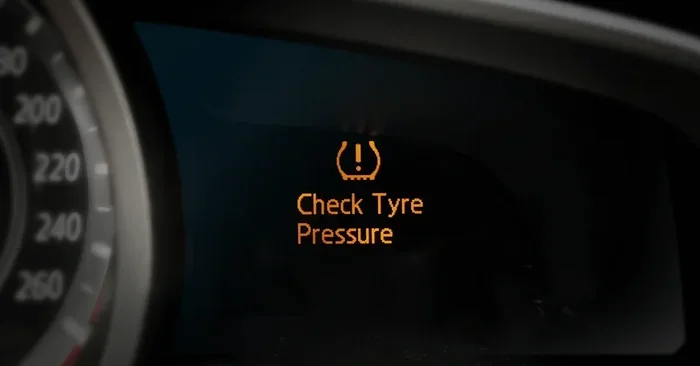
The tyre pressure warning on after getting new tyres is a common concern for drivers. This usually happens because the tyre pressure monitoring system needs recalibration after a new tyre fit. In most cases, a simple TPMS reset or a short drive resolves the issue quickly. Understanding the tyre pressure warning light helps you stay safe and avoid unnecessary trips to the mechanic.
Key Takeaways
- Normal Reset Needed: The tyre pressure warning on after getting new tyres often just means the system needs recalibration.
- Check Pressure First: Always verify your air pressure in tyres matches the recommended level before assuming a fault.
- Reset Is Easy: Most vehicles let you reset the TPMS with a button or a simple driving procedure.
- Sensor Battery Matters: Old sensor batteries can cause false warnings even after new tyre fitting.
- Temperature Plays a Role: Cold weather can trigger the light even when your tyre pressure is correct.
- Know When to Seek Help: Persistent lights may signal a faulty sensor or valve stem issue that needs professional attention.
📑 Table of Contents
- Why Does the Tyre Pressure Warning Come On After Getting New Tyres?
- Common Reasons the Tyre Pressure Warning Stays On
- How to Reset the Tyre Pressure Warning After New Tyres
- When Should You See a Mechanic About the Tyre Pressure Warning?
- Tips to Prevent Future Tyre Pressure Alerts
- Comparison: Direct vs Indirect TPMS Systems
- Common Mistakes People Make After Getting New Tyres
- Key Takeaways
- Conclusion
Why Does the Tyre Pressure Warning Come On After Getting New Tyres?
You just got new tyres. You feel great. Then you start the car and see that dreaded tyre pressure warning on after getting new tyres message on the dashboard. It is frustrating. You just did the right thing by replacing worn tyres, and now your car is telling you something is wrong.
Here is the good news. This is one of the most common experiences drivers have after a tyre change. The tyre pressure warning light does not always mean something is broken. Often, it just means the tyre pressure monitoring system needs a quick reset.
Your car’s TPMS watches the air pressure in each tyre. It uses small sensors inside the valve stem or attached to the wheel. When you get new tyres, the system may lose its reference point. It does not know the new tyres are at the right level yet. So it flashes a warning to let you know.
Think of it like this. You moved to a new house. Your phone does not know your new address yet. It needs a moment to update. The same idea applies to your car after a new tyre fitting. The system needs to relearn the current pressure levels.
How the Tyre Pressure Monitoring System Works
Most modern cars use a direct TPMS. This means each wheel has a small sensor. The sensor measures the actual air pressure inside the tyre. It sends this data to your car’s computer. If the pressure drops below a safe level, the dashboard warning light turns on.
Some older cars use an indirect TPMS. This system does not measure pressure directly. Instead, it watches how fast each wheel spins. A tyre with low pressure has a smaller rolling radius. It spins faster than the others. The system detects this difference and triggers the light.
Both systems can be confused by a fresh set of tyres. The sensors need time to recalibrate. The system needs to recognise the new tyre size and pressure profile. This is why the tyre pressure warning on after getting new tyres shows up so often.
Common Reasons the Tyre Pressure Warning Stays On
Sometimes the light goes away on its own after a few kilometres. Other times, it stays on. Here are the most common reasons the tyre pressure warning light refuses to turn off.
Incorrect Tyre Pressure Levels
This is the number one cause. During the tyre change, the air pressure may have shifted. Maybe the mechanic let out a little air. Maybe the new tyres were stored in a cold warehouse. Cold temperatures lower air pressure. Even a small drop can trigger the warning.
Always check your recommended tyre pressure after a new set goes on. You can find this number on a sticker inside the driver’s door frame. It is also in your owner’s manual. Use a reliable tyre pressure gauge to check each tyre. Do not just trust what the garage told you.
Faulty or Damaged Tyre Pressure Sensor
Each wheel has a sensor that sends data to your car’s computer. These sensors sit inside the valve stem or are mounted on the wheel. They have a limited lifespan. Most last between five and ten years.
If a sensor was already weak before the tyre change, the new tyres can expose the problem. The vibration from driving on fresh rubber can also loosen a sensor slightly. A loose sensor cannot send accurate readings. This causes the tyre pressure warning on after getting new tyres to stay on.
Temperature Changes After the Fit
Air pressure inside a tyre changes with temperature. For every 10 degrees Celsius drop, tyre pressure drops by about one PSI. If you got your new tyres on a warm day and drove home on a cold evening, the pressure may have dipped enough to trigger the light.
This is perfectly normal. It does not mean your tyres are unsafe. But it does mean you should check tyre pressure and adjust if needed. A quick top-up at the petrol station usually fixes this.
Slow Air Leaks Around the Valve Stem
The valve stem is the small metal or rubber piece you use to pump air into the tyre. When a mechanic fits a new tyre, they remove the old valve stem and install a new one. If this was not done correctly, air can slowly leak out.
A tiny leak might not be obvious right away. But over a few days, the pressure drops enough to activate the TPMS. Check for any hissing sounds near the valve stem. You can also apply soapy water to the area and look for bubbles. Bubbles mean air is escaping.
Mismatched Tyre Sizes
If your new tyres are a different size than the old ones, the TPMS may get confused. The system expects a certain rolling circumference. A different tyre size changes how the wheel rotates. The indirect TPMS system is especially sensitive to this.
Always make sure your new tyres match the size recommended by your car manufacturer. Check the sidewall of your old tyres for the size code. Compare it to the new tyres before they go on.
How to Reset the Tyre Pressure Warning After New Tyres
Once you have checked and confirmed your tyre pressure levels are correct, it is time to reset the system. The reset process varies by car brand, but the basic steps are similar.
Using the TPMS Reset Button
Most cars have a dedicated reset button for the TPMS. Here is where to find it and how to use it:
- Location: Look under the steering column, near the gear shift, or inside the glove box. Check your owner’s manual for the exact spot.
- Step 1: Turn the ignition to the “on” position. Do not start the engine.
- Step 2: Press and hold the reset button until the dashboard warning light blinks three times.
- Step 3: Start the engine and let the car idle for about 20 minutes.
- Step 4: The system should recalibrate. The light should turn off.
Driving to Auto-Reset
Some cars reset the TPMS automatically. You just need to drive at a steady speed for about 10 to 15 minutes. The system relearns the current pressure levels and turns off the light on its own.
This method works well if your tyre pressure is correct. If the pressure was low and you topped it up, drive for at least 15 minutes at speeds above 30 km/h. The sensors need consistent data to recalibrate properly.
Using a Diagnostic Tool
If the simple methods do not work, you can use an OBD-II diagnostic tool. These tools plug into the diagnostic port under your dashboard. They communicate directly with your car’s computer.
A diagnostic tool can force a TPMS reset and check for error codes. Many auto parts stores offer this service for free. You can also buy a basic OBD-II scanner for under $30. It is a handy tool to keep in your garage.
Quick Tips for a Smooth Reset
- Always check tyre pressure before resetting. Do not reset with low pressure.
- Reset the system after every tyre change or rotation.
- Keep your owner’s manual handy for model-specific instructions.
- If the light comes back on after resetting, get the sensors checked.
When Should You See a Mechanic About the Tyre Pressure Warning?
Most of the time, the tyre pressure warning on after getting new tyres resolves quickly. But there are situations where you should get professional help.
The Light Comes Back Immediately
If you reset the system and the light turns back on within a day or two, something is wrong. This usually points to a faulty sensor or a real air leak. Do not ignore it. A sensor that fails to communicate with the car’s computer needs replacement.
The Sensor Battery Is Dead
Each TPMS sensor runs on a small battery. These batteries last about five to ten years. When the battery dies, the sensor stops sending data. The car’s computer then shows a TPMS error or a persistent warning light.
If your car is several years old and you just replaced the tyres, the sensor battery may have reached the end of its life. A mechanic can test each sensor and replace the battery or the whole unit if needed.
You See a Flashing Light Instead of a Solid One
A solid tyre pressure warning light usually means low pressure. A flashing light often signals a malfunction in the TPMS system itself. This is a different issue. It could mean a wiring problem, a bad sensor, or a communication error between the sensors and the car’s computer.
Get a flashing TPMS light checked as soon as possible. It will not fix itself and could get worse over time.
Tips to Prevent Future Tyre Pressure Alerts
Once you have fixed the current issue, you want to avoid dealing with this again. Here are some simple habits that keep your TPMS happy and your tyres in great shape.
Check Your Tyre Pressure Monthly
Make it a routine. Once a month, check the air pressure in all four tyres plus the spare. Use a good-quality tyre pressure gauge. Do this when the tyres are cold, meaning the car has been parked for at least three hours.
Keep a small gauge in your glove box. It takes less than five minutes and can save you from unexpected warnings. It also improves fuel economy and tyre life.
Know Your Recommended Pressure
Every car has a recommended tyre pressure level. This number is not the same as the maximum pressure printed on the tyre sidewall. The recommended pressure is what the car manufacturer says is best for your specific model.
You will find it on the driver’s door jamb sticker or in the owner’s manual. Write it down and keep it somewhere you can see it. This one simple habit prevents most pressure-related warnings.
Replace Valve Stems When Fitting New Tyres
Rubber valve stems wear out over time. They can crack or leak. When you get new tyres, ask the mechanic to replace the valve stems at the same time. It is a small cost that prevents slow air leaks and false TPMS warnings.
Keep Your Tyres Properly Inflated in All Seasons
Air pressure drops in cold weather. Check your tyre pressure levels more often during winter. If the temperature drops significantly, you may need to add a bit of air.
In summer, heat can cause pressure to rise. Do not let air out to compensate. The recommended pressure is designed to work across a range of temperatures. Just check it regularly and adjust when needed.
Comparison: Direct vs Indirect TPMS Systems
Understanding which type of tyre pressure monitoring system your car uses helps you troubleshoot faster. Here is a simple comparison.
| Feature | Direct TPMS | Indirect TPMS |
|---|---|---|
| How It Works | Sensor inside each tyre measures pressure directly | Uses wheel speed sensors to detect pressure differences |
| Accuracy | Very accurate, shows exact PSI | Less precise, estimates pressure based on rotation |
| Reset After New Tyres | Usually requires manual reset | Often resets automatically after driving |
| Cost to Replace | Higher, sensors cost $50-$100 each | Lower, no individual sensors to replace |
| Common In | Most cars made after 2007 | Older or budget vehicle models |
Both systems can trigger the tyre pressure warning on after getting new tyres. The reset process is different for each, so check your owner’s manual to know which system your car uses.
Common Mistakes People Make After Getting New Tyres
There are a few mistakes drivers make that cause the tyre pressure warning light to stay on longer than it should. Avoid these and you will save time and hassle.
- Skipping the pressure check: Do not assume the garage set the pressure correctly. Always verify it yourself with a gauge.
- Resetting with low pressure: If you reset the TPMS while a tyre is underinflated, the system stores the wrong baseline. The light will come back on quickly.
- Ignoring the spare tyre: Some cars monitor the spare tyre pressure too. If the spare is low, it can trigger the warning light.
- Driving on underinflated tyres: Low pressure causes uneven wear, reduces fuel efficiency, and increases the risk of a blowout. Always fix low pressure right away.
- Using the wrong tyre size: A tyre that is too large or too small for your wheel confuses the TPMS. Always match the size to your manufacturer’s recommendation.
Expert Insight
According to automotive experts, the tyre pressure warning on after getting new tyres resolves on its own in about 80% of cases. The remaining 20% usually need a manual reset or a sensor check. The key is to act quickly. Do not let the warning light sit for weeks. The longer you ignore it, the more likely a small problem becomes a big one.
Key Takeaways
- The warning is normal: The tyre pressure warning on after getting new tyres is expected and usually easy to fix.
- Check pressure first: Always verify your air pressure in tyres matches the recommended level before resetting.
- Reset the TPMS: Use the reset button, drive for 15 minutes, or use a diagnostic tool to recalibrate the system.
- Inspect sensors and valve stems: A faulty sensor or leaking valve stem can cause persistent warnings.
- Stay proactive: Monthly pressure checks and regular tyre maintenance prevent most alerts.
- Know your system: Whether your car uses direct or indirect TPMS affects how you reset and troubleshoot.
- See a mechanic when needed: Flashing lights, recurring warnings, or dead sensor batteries need professional attention.
Conclusion
Seeing the tyre pressure warning on after getting new tyres can be annoying. But it is almost always a simple fix. In most cases, your tyre pressure monitoring system just needs a moment to recalibrate after the new tyres are fitted.
Start by checking your tyre pressure levels with a gauge. Make sure each tyre matches the recommended tyre pressure for your vehicle. Then reset the system using your car’s built-in reset button or by driving for 15 minutes.
If the light stays on, check the sensors, valve stems, and tyre sizes. A dead sensor battery or a slow air leak could be the culprit. In these cases, a quick visit to the mechanic solves the problem.
Taking care of your tyres after a new set goes on keeps you safe and saves money. Proper tyre inflation improves fuel economy, extends tyre life, and keeps your car handling at its best. So do not ignore that little warning light. Address it quickly, and you will be back on the road with confidence in no time.
Frequently Asked Questions
Why does my car show a tyre pressure warning right after installing new tyres?
The tyre pressure monitoring system needs to recalibrate after a tyre change. During the fit, air pressure may shift slightly, or the system loses its reference point. This triggers the tyre pressure warning light as a precaution. A quick pressure check and reset usually fixes it within minutes.
How long does the tyre pressure warning stay on after getting new tyres?
In most cases, the light turns off after a short drive of 10 to 15 minutes. If your car has a manual reset button, pressing it should clear the warning immediately. If the light stays on for more than a day, check your tyre pressure levels and inspect the sensors for issues.
Can a faulty tyre pressure sensor cause the warning to stay on after new tyres?
Yes. If a sensor was already weak or its battery was dying, the new tyres can expose the problem. Vibration from driving on fresh rubber may also loosen a sensor slightly. A faulty sensor cannot send accurate data to the car’s computer, so the TPMS warning remains active even when pressure is correct.
Do I need to reset the TPMS after every tyre change?
Yes, you should reset the TPMS after every tyre change, rotation, or replacement. The system needs to relearn the current pressure baseline. Skipping the reset often results in the tyre pressure warning on after getting new tyres staying on or coming back unexpectedly.
Is it safe to drive with the tyre pressure warning light on?
If the light is solid and your pressure is correct, it is usually safe to drive a short distance while you reset the system. However, if the light is flashing or you notice actual low pressure, stop and check the tyres. Driving on underinflated tyres increases the risk of a blowout and reduces handling safety.
How much does it cost to replace a tyre pressure sensor?
A single tyre pressure sensor replacement typically costs between $50 and $100 per unit, including labour. Some cars have sensors built into the valve stem, which makes replacement easier. If all four sensors need replacement, the total cost can range from $200 to $400 depending on your vehicle model and sensor type.