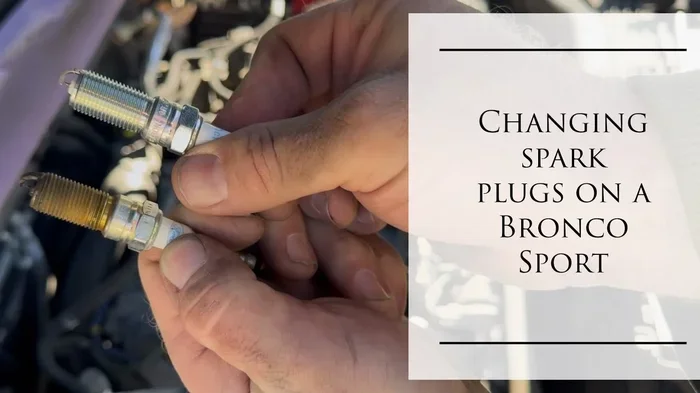
Bronco Spark Plugs The Complete Guide To Better Performance
Bronco spark plugs play a huge role in how your Ford Bronco runs, starts, and performs on and off the road. This guide covers everything you need to know, from choosing the right type to replacing them like a pro. You will learn about different plug types, common problems, and expert tips to keep your engine firing strong.
Your Ford Bronco is built tough. It handles trails, highways, and everything in between. But underneath that rugged exterior, one small component does a lot of heavy lifting. That component is the spark plug. Bronco spark plugs ignite the air-fuel mixture inside your engine cylinders thousands of times every minute. Without working plugs, your Bronco simply will not run.
Whether you own a classic first-generation Bronco or a modern 2024 model, spark plugs affect every part of your driving experience. They influence how your engine starts, how smoothly it idles, and how much power it delivers. Many Bronco owners overlook these tiny parts until something goes wrong. That is a mistake. This guide covers everything you need to know about bronco spark plugs, from types and selection to replacement and troubleshooting.
By the end of this article, you will understand why spark plug quality matters so much for your Ford Bronco. You will also know exactly how to choose the right plugs, when to replace them, and how to get the most out of your engine. Let us dive in.
Key Takeaways
- Right plugs matter: Choosing the correct bronco spark plugs boosts engine power, fuel efficiency, and smooth starts.
- Type selection is key: Copper, platinum, and iridium plugs each offer different benefits for your Bronco’s engine.
- Replacement is simple: With basic tools and our step-by-step guide, you can swap out your spark plugs at home.
- Watch for warning signs: Misfires, rough idling, and poor fuel economy signal it is time to check your spark plugs.
- Gap setting counts: Proper spark plug gap ensures optimal ignition and prevents engine issues down the road.
- Maintenance schedule matters: Regular inspection and timely replacement keeps your Bronco running at its best for years.
📑 Table of Contents
- What Are Bronco Spark Plugs and Why They Matter
- Types of Spark Plugs for Ford Broncos
- How to Choose the Right Bronco Spark Plugs
- Step-by-Step Guide to Replacing Bronco Spark Plugs
- Common Bronco Spark Plug Problems and How to Fix Them
- Expert Tips for Maximizing Spark Plug Performance
- When to Replace Your Bronco Spark Plugs
- Conclusion
What Are Bronco Spark Plugs and Why They Matter
Spark plugs may be small, but they are essential. Each bronco spark plug creates a tiny electrical arc that ignites the fuel and air inside your engine’s combustion chamber. This ignition is what powers your vehicle forward. Without it, your engine is just a heavy piece of metal sitting in your garage.
Every time you turn the key or press the start button, your ignition system sends a high-voltage pulse to the spark plugs. The plug bridges the gap between its center electrode and side electrode with that electrical charge. A spark jumps across, igniting the compressed fuel mixture. Boom. Your engine fires.
Now imagine if that spark is weak, inconsistent, or missing entirely. That is what happens when your spark plugs wear out or are the wrong type for your engine. You might notice rough idling, hesitation during acceleration, or difficulty starting in cold weather. Bronco spark plugs directly impact your engine’s combustion efficiency, which affects power output, fuel consumption, and emissions.
How Spark Plugs Affect Engine Performance
The quality of the spark determines how completely the fuel burns inside each cylinder. A strong, consistent spark burns the fuel-air mixture more completely. This means more power and less wasted fuel. A weak spark leaves unburned fuel going out the exhaust. That wastes gas and increases harmful emissions.
For Ford Broncos, especially those with V8 engines or turbocharged inline-six setups, the demand on spark plugs is significant. High-compression engines need spark plugs that can handle intense heat and pressure. Bronco spark plugs designed for your specific engine model ensure reliable ignition under all conditions, whether you are cruising on the interstate or crawling over rocks.
Types of Spark Plugs for Ford Broncos
Not all spark plugs are the same. Different materials and designs serve different purposes. Understanding the main types helps you make the best choice for your Bronco. Here is a look at the three most common options.
Copper Spark Plugs
Copper-core spark plugs have been around for decades. They use a solid copper core surrounded by a nickel-alloy outer layer. Copper is an excellent conductor of electricity, which means a strong, hot spark. These plugs are affordable and widely available. Many older Ford Broncos came stock with copper spark plugs.
The downside is their shorter lifespan. Copper plugs typically last between 20,000 and 30,000 miles. They also wear faster under high-heat conditions. If you drive an older Bronco with a standard engine, copper plugs can still work great. Just be ready to replace them more often.
Platinum Spark Plugs
Platinum spark plugs use a platinum disc welded to the tip of the center electrode. Platinum withstands much higher temperatures than copper or nickel. It also resists corrosion and erosion far better. This means platinum plugs last longer, typically between 60,000 and 100,000 miles.
Many newer Ford Broncos come equipped with platinum or dual-platinum plugs from the factory. If your Bronco has a modern fuel-injected engine, platinum plugs are often the recommended choice. They offer a good balance of performance, durability, and cost.
Iridium Spark Plugs
Iridium is the hardest and most durable material used in spark plugs. Iridium plugs feature a very thin center electrode made from this precious metal. The thin design focuses the spark energy into a smaller, more precise arc. The result is a cleaner, more efficient burn.
Bronco spark plugs with iridium electrodes offer the longest lifespan, often reaching 100,000 miles or more. They also provide excellent cold-start performance and improved throttle response. The trade-off is a higher price point. But for many Bronco owners, the longevity and performance gains are worth it.
Comparison Table
| Type | Lifespan | Performance | Cost | Best For |
|---|---|---|---|---|
| Copper | 20,000-30,000 mi | Good | Low | Older Broncos, budget builds |
| Platinum | 60,000-100,000 mi | Very Good | Medium | Modern Broncos, daily drivers |
| Iridium | 100,000+ mi | Excellent | High | High-performance Broncos, long-term ownership |
How to Choose the Right Bronco Spark Plugs
Choosing the right spark plugs for your Ford Bronco is not just about picking the most expensive option. Several factors determine the best plug for your specific setup. Let us walk through them.
Check Your Owner Manual First
Your Ford Bronco owner manual is the best starting point. It lists the recommended spark plug type, size, heat range, and gap specification for your engine. Following these guidelines ensures compatibility and keeps your warranty intact if your Bronco is still under coverage.
For example, a 2021 Ford Bronco with the 2.3L EcoBoost engine uses specific bronco spark plugs that differ from what a 1970 Bronco with a 302 V8 would need. Always match the plug to your engine.
Consider Your Driving Style
How you use your Bronco matters. If you use it as a daily commuter on paved roads, platinum or iridium plugs offer great longevity and reliability. If you take your Bronco off-roading, haul heavy loads, or tow a trailer, your engine works harder. In those cases, plugs that handle higher temperatures and stress are important.
Some enthusiasts upgrade to performance spark plugs designed for high-output engines. These plugs feature specialized electrode designs and advanced materials. They support the increased ignition demands of modified or high-compression engines. If your Bronco has aftermarket upgrades like a cold air intake or performance exhaust, consider matching your spark plugs to those changes.
Pay Attention to Spark Plug Gap
The spark plug gap is the tiny distance between the center electrode and the side electrode. This gap determines the strength and consistency of the spark. Too wide, and the ignition coil may not fire the plug reliably. Too narrow, and the spark lacks the energy to ignite the fuel mixture completely.
Always set the gap to the specification listed in your owner manual or on the spark plug packaging. Use a feeler gauge to check the gap before installation. This small step makes a big difference in how your engine runs.
Brand Recommendations
Several brands are trusted by Bronco owners and mechanics alike. NGK, Bosch, Denso, and Autolite all make quality spark plugs for Ford vehicles. NGK is especially popular among Bronco enthusiasts for its wide range of applications and consistent quality. Bosch plugs are known for durability and strong spark performance. When shopping for bronco spark plugs, stick with reputable brands and buy from trusted sellers to avoid counterfeits.
Step-by-Step Guide to Replacing Bronco Spark Plugs
Replacing your spark plugs is one of the most satisfying DIY jobs you can do on a Ford Bronco. It requires minimal tools and basic mechanical knowledge. Here is how to do it right.
Tools You Will Need
- Spark plug socket (typically 5/8 inch or 13mm)
- Ratchet and extension
- Feeler gauge for gap checking
- Compressed air or blow gun
- Anti-seize lubricant
- Dielectric grease
- Torque wrench
Step 1: Let the Engine Cool
Never remove spark plugs from a hot engine. Allow the engine to cool completely before starting. Hot engine components can cause burns, and removing plugs from a warm block can damage the threads.
Step 2: Remove the Ignition Coil or Spark Plug Wire
On modern Broncos, each spark plug has its own ignition coil pack. Unplug the electrical connector and remove the bolt holding the coil in place. Gently pull the coil straight up. On older Broncos with plug wires, simply pull the wire boot off the spark plug. Never yank on the wire itself.
Step 3: Clean the Spark Plug Area
Before removing the old plug, use compressed air to blow any dirt or debris out of the spark plug well. This prevents contaminants from falling into the combustion chamber when you remove the plug. Even a small piece of dirt can scratch the cylinder wall or damage the valve.
Step 4: Remove the Old Spark Plug
Fit the spark plug socket onto the ratchet and turn counterclockwise to loosen the plug. If the plug is stuck, apply a penetrating oil and let it sit for a few minutes. Once loose, carefully remove the plug by hand to avoid dropping it into the engine.
Step 5: Check the Gap on the New Plug
Before installing the new plug, check the gap with a feeler gauge. Slide the correct thickness feeler gauge between the electrodes. Adjust gently if needed. Never bend the side electrode too far, as it can crack or break.
Step 6: Install the New Spark Plug
Hand-thread the new plug into the cylinder head first. This prevents cross-threading, which can cause serious engine damage. Once the plug is snug by hand, use the torque wrench to tighten it to the specification in your manual. Over-tightening can strip the threads or break the plug.
Step 7: Reinstall the Coil or Wire
Apply a small amount of dielectric grease inside the coil boot or wire boot. This helps create a good electrical connection and prevents moisture ingress. Reinstall the coil or wire and secure the connector. Repeat for each spark plug.
Common Bronco Spark Plug Problems and How to Fix Them
Even with the right plugs, problems can still occur. Knowing what to look for helps you catch issues early before they cause bigger damage.
Engine Misfires
A misfire happens when one or more cylinders fail to ignite the fuel-air mixture properly. You will feel it as a rough shake or hesitation during acceleration. Worn or fouled spark plugs are one of the most common causes of engine misfires in Ford Broncos. If your check engine light is flashing and you feel a rough idle, check your bronco spark plugs first.
Rough Idling
If your Bronco shakes or sounds uneven when sitting still, the spark plugs may not be firing consistently. Carbon buildup, oil fouling, or an incorrect gap can all cause rough idling. A quick inspection of the plugs can often reveal the problem.
Poor Fuel Economy
Worn spark plugs burn fuel less efficiently. If you notice you are filling up more often than usual, the plugs could be to blame. Old plugs create incomplete combustion, which means more fuel goes to waste and less power reaches the wheels.
Difficulty Starting
Cold mornings can be tough on spark plugs. If your Bronco struggles to start in cooler weather, the plugs may not be generating enough spark. This is especially common with aging copper plugs or plugs that have fouled over time.
Oil Fouling
Oil fouling happens when oil leaks past the valve seals or piston rings and coats the spark plug electrode. This creates a black, greasy residue on the plug tip. Oil-fouled plugs cannot create a reliable spark. If you notice oil on your plugs, address the underlying oil leak before replacing the plugs.
Carbon Buildup
Carbon deposits form on spark plugs from short trips, rich fuel mixtures, or low-quality fuel. A black, powdery coating on the electrodes signals carbon buildup. This buildup weakens the spark and reduces engine efficiency. Regular replacement prevents this problem.
Expert Tips for Maximizing Spark Plug Performance
A few extra steps can help you get the most out of your bronco spark plugs and keep your engine running strong for years.
Replace Spark Plugs in Sets
Always replace all spark plugs at the same time. Mixing old and new plugs creates inconsistent ignition across cylinders. This leads to rough running and uneven wear. A full set replacement ensures all cylinders fire equally.
Use Anti-Seize Compound Wisely
Applying a thin layer of anti-seize compound to the spark plug threads makes future removal easier. However, use it sparingly. Too much anti-seize can cause the plug to install too loosely, which leads to overheating and potential engine damage.
Inspect Ignition Coils and Wires
When you are replacing your spark plugs, take a moment to inspect the ignition coils and plug wires. Cracked insulation, corrosion on connectors, or damaged coils can cause the same symptoms as bad plugs. Replacing worn ignition components alongside your plugs ensures the entire ignition system works at its best.
Keep a Maintenance Log
Record the date and mileage each time you replace your spark plugs. This helps you track plug life and plan future maintenance. It also comes in handy if you ever sell your Bronco, as a complete service history adds value.
Consider a Spark Plug Tester
A spark plug tester is a small, affordable tool that lets you check if a plug is firing correctly without installing it. You can use it to test old plugs before discarding them or verify that new plugs are working properly. This simple tool is a great addition to any Bronco owner’s garage.
When to Replace Your Bronco Spark Plugs
Knowing when to replace your spark plugs prevents problems before they start. While the exact interval depends on the plug type and your driving conditions, here are some general guidelines.
- Copper plugs: Replace every 20,000 to 30,000 miles
- Platinum plugs: Replace every 60,000 to 100,000 miles
- Iridium plugs: Replace every 100,000 miles or more
These are general ranges. Your actual replacement interval may vary based on driving conditions. If you frequently drive in stop-and-go traffic, tow heavy loads, or operate in extreme temperatures, your plugs may wear faster. Inspect your plugs regularly and replace them at the first sign of wear.
Also pay attention to the symptoms discussed earlier. If you notice misfires, rough idling, poor fuel economy, or hard starting, do not wait for the mileage interval. Check your bronco spark plugs right away. Catching a worn plug early prevents it from causing more serious engine damage like catalytic converter failure or cylinder wall scoring.
Replacing your spark plugs is one of the simplest and most cost-effective maintenance tasks you can perform. A fresh set of quality bronco spark plugs can restore lost power, improve fuel economy, and make your Bronco feel like new again. Do not underestimate these small but mighty components.
Conclusion
Bronco spark plugs are far more important than their small size suggests. They are the heartbeat of your engine, creating the spark that powers every drive. From choosing the right plug type to performing your own replacement, understanding your spark plugs gives you more control over your Bronco’s performance and reliability.
Whether you stick with factory-recommended plugs or upgrade to iridium for longer life and better performance, the key is staying proactive. Check your plugs regularly, watch for warning signs, and replace them on schedule. Your Bronco will reward you with smoother starts, stronger acceleration, and better fuel economy for miles to come.
Take care of your spark plugs, and your Bronco will take care of you. Simple maintenance like this is what keeps a Ford Bronco running strong for decades.
Frequently Asked Questions
How often should I replace bronco spark plugs?
Replacement intervals depend on the plug type. Copper plugs typically last 20,000 to 30,000 miles. Platinum plugs can go 60,000 to 100,000 miles. Iridium plugs often last 100,000 miles or more. Always check your owner manual for the recommended interval for your specific Bronco model and engine.
Can I use any spark plug in my Ford Bronco?
No, you should always use the spark plug type and heat range recommended for your specific engine. Using the wrong plugs can cause poor performance, engine damage, or void your warranty. Check your owner manual or consult a trusted mechanic to find the correct bronco spark plugs for your vehicle.
What causes spark plugs to fail prematurely?
Several factors can shorten spark plug life. Oil fouling from engine leaks, carbon buildup from short trips, overheating from an incorrect plug heat range, and using low-quality fuel all contribute to premature wear. Driving in extreme conditions like high heat or heavy dust can also accelerate plug degradation.
Is it hard to replace spark plugs on a Ford Bronco?
Replacing spark plugs on a Ford Bronco is one of the easier DIY maintenance tasks. You need a spark plug socket, ratchet, and a few basic tools. The process typically takes about 30 to 60 minutes depending on your Bronco model and engine configuration. No advanced mechanical skills are required.
What is the difference between single platinum and double platinum spark plugs?
A single platinum plug has a platinum disc on the center electrode only. A double platinum plug has platinum on both the center and side electrodes. Double platinum plugs are often used in waste-spark ignition systems where the spark jumps between two plugs simultaneously. Both types last longer than standard copper plugs and provide reliable performance for your Bronco.
Can bad spark plugs damage my Bronco engine?
Yes, neglected spark plugs can cause serious engine problems. Prolonged use of worn plugs can lead to catalytic converter damage, increased carbon buildup in the combustion chamber, and even engine misfires that stress other components. Regular inspection and timely replacement of your bronco spark plugs prevents these costly repairs.