What Is A Recommended Rear Tint Percentage For Your Car
The recommended rear tint percentage for most cars falls between 15% and 35%, depending on your needs and local laws. A rear tint percentage of 20% offers a great balance of privacy, heat rejection, and style. Always check your state tint laws before choosing a shade, since legal tint limits vary widely across the country.
Key Takeaways
- Rear tint percentage affects privacy, heat, and legality: choosing the right shade is about balancing all three factors.
- 20% tint is the most popular choice for rear windows, offering excellent privacy and heat rejection.
- State laws vary significantly, so always verify your local legal tint limits before installation.
- Carbon and ceramic films provide the best performance for heat rejection and UV protection.
- Factory tint is usually around 15-20% VLT, which can guide your aftermarket tint choice.
- Professional installation ensures a bubble-free finish and longer-lasting results.
📑 Table of Contents
Understanding Rear Tint Percentage
When you talk about car window tinting, the rear tint percentage is one of the most important numbers to know. It tells you how much light passes through your rear windows. The lower the number, the darker the tint. This simple fact shapes everything from your comfort on sunny drives to whether you pass a roadside inspection.
Most drivers search for the recommended rear tint percentage because they want a clear answer. But the truth is, the right number depends on what you value most. Do you want maximum privacy? Better heat rejection? Or just a sleek look for your vehicle? Each goal points to a different shade.
What Does Tint Percentage Mean?
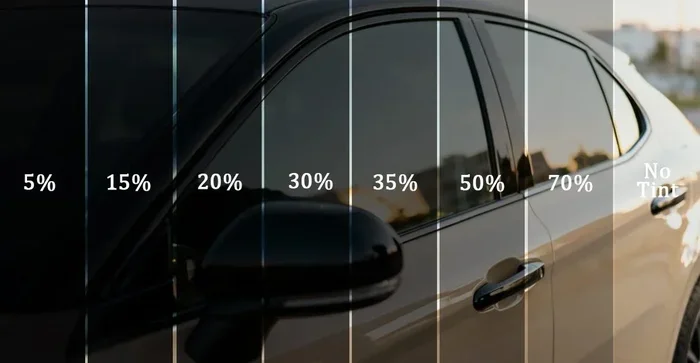
The tint percentage refers to Visible Light Transmission, or VLT. This is the amount of light that passes through the window film. A 5% tint lets through only 5% of light, making it very dark. A 50% tint lets through half the light, which is much lighter. For rear windows, most people choose a shade between 15% and 35%. This range gives you a dark, stylish look without going too dark for safe driving.
How Is Tint Percentage Measured?
Tint film manufacturers measure VLT using specialized tools. They shine a light through the film and measure what comes out the other side. The result is the tint percentage printed on the film roll. When you buy aftermarket tint film, the VLT is always listed on the packaging. This number helps you compare different products and choose the right one for your car.
Why Rear Tint Percentage Matters
Choosing the right rear tint percentage is not just about looks. It affects your daily driving experience in several real ways. From blocking harmful rays to keeping your car cooler, the right tint shade makes a noticeable difference.
Privacy and Security
A darker rear tint percentage gives you and your passengers more privacy. You can talk, change clothes, or store belongings out of sight. This is especially helpful if you often have valuables in the back seat. Many parents and pet owners prefer a darker shade for added security. A privacy tint also makes it harder for others to see inside your car, which can reduce the risk of break-ins.
Heat Rejection and UV Protection
One of the biggest benefits of car window tinting is heat rejection. A good rear tint percentage blocks a large portion of solar heat from entering your vehicle. This keeps the interior cooler and reduces the need for heavy air conditioning. Quality tint films also block up to 99% of harmful UV rays. This protects your skin and helps prevent interior fading on your seats and dashboard. Over time, this can save you money on repairs and replacements.
Glare Reduction
Driving with too much sunlight or headlight glare can be dangerous. The right rear tint percentage reduces glare reduction significantly. This makes long drives more comfortable and helps you stay focused on the road. Less squinting means less eye fatigue, which is a real safety benefit on highway trips.
Legal Rear Tint Limits By State
Before you choose a rear tint percentage, you must know your local state tint laws. Every state has different rules about how dark your rear windows can be. Ignoring these laws can lead to tickets, fines, and even having to remove your tint.
Common State Regulations
Most states allow rear windows to be tinted darker than front windows. For example, many states permit a rear tint percentage as low as 5% on the back side and rear windshield. However, some states like California and New York require a minimum VLT of 70% on all windows. Here are some common examples:
- California: Rear windows must have at least 70% VLT.
- Texas: Rear windows can be any darkness if the front side windows allow more than 25% light.
- Florida: Rear windows can be tinted to 15% VLT or darker.
- New York: All windows must allow more than 70% VLT.
- Illinois: Rear windows can be tinted to 35% VLT or darker.
Medical Exemptions
Some states offer medical exemptions for darker tint. If you or a passenger has a condition that makes you sensitive to sunlight, you may qualify for a darker rear tint percentage than the standard limit. You will typically need a doctor’s letter and a special permit from your state’s DMV. Always check with your local authorities to understand the process.
Best Tint Film Types for Rear Windows
Not all tint film types are the same. The film you choose affects the look, performance, and durability of your rear tint percentage. Here is a breakdown of the most popular options.
Carbon Tint Film
Carbon tint film is one of the most popular choices for rear windows. It does not fade over time like cheaper dyed films. Carbon film provides excellent heat rejection and a matte black finish that looks sleek on any vehicle. It blocks a good amount of solar heat without interfering with cell phone or GPS signals. For most drivers, carbon film at a 20% rear tint percentage is the sweet spot.
Ceramic Tint Film
Ceramic tint film is the premium option. It offers the highest level of heat rejection and UV protection available. Ceramic film does not contain any metal, so it does not block electronic signals. This means your radio, Bluetooth, and phone signals stay strong. The downside is cost. Ceramic tint is more expensive than carbon or dyed options, but it delivers the best long-term performance for your rear tint percentage investment.
Dyed Tint Film
Dyed tint film is the most budget-friendly option. It uses a dye layer to absorb heat and reduce light transmission. Dyed film looks good when first installed, but it tends to fade and bubble over time. For a temporary or low-cost solution, dyed film works fine. However, for a lasting rear tint percentage that looks great for years, carbon or ceramic is a better choice.
| Film Type | Heat Rejection | Durability | Signal Interference | Price Range |
|---|---|---|---|---|
| Carbon | High | Excellent | None | $$ |
| Ceramic | Very High | Excellent | None | $$$ |
| Dyed | Moderate | Fair | None | $ |
| Metallic | High | Good | Yes | $$ |
How to Choose the Right Rear Tint Percentage
Now that you understand the basics, it is time to pick the right rear tint percentage for your car. This decision should be based on your priorities, your local laws, and your driving habits. Here is a practical guide to help you decide.
Factors to Consider
Start by asking yourself a few questions. What matters most to you? Is it privacy, comfort, style, or staying within legal tint limits? Write down your top priorities. This simple exercise makes the decision much easier. Also consider your climate. If you live in a hot, sunny area, you will benefit more from a lower rear tint percentage that blocks more heat. If you live in a cooler climate, you might prefer a lighter shade.
Matching Tint to Your Needs
Here are some common scenarios to help you choose:
- Maximum privacy: Choose a 15-20% rear tint percentage. This is dark enough to prevent anyone from seeing inside.
- Best heat rejection: Go with 20% or lower. The darker the film, the more solar heat it blocks.
- Subtle style: A 30-35% tint gives a nice look without being too dark. This is a popular choice for first-time tint buyers.
- Factory tint match: Many cars come with a factory rear tint percentage of around 15-20%. Matching this with aftermarket film keeps a consistent look.
Common Mistakes When Choosing Rear Tint
Even experienced car owners make mistakes when selecting a rear tint percentage. Avoiding these pitfalls saves you time, money, and headaches.
Skipping Local Law Research
This is the number one mistake drivers make. Tint laws differ not just by state but sometimes by county or city. A rear tint percentage that is perfectly legal in one area could get you pulled over in the next. Always research your specific location before you commit to a shade. When in doubt, choose a lighter tint and stay on the safe side.
Choosing the Cheapest Option
Budget matters, but the cheapest tint film often leads to problems. Low-quality films fade, bubble, and peel within a year or two. They also provide poor UV protection and heat rejection. Investing in a quality film from a reputable brand pays off in the long run. Look for films with strong warranties and proven performance records.
Ignoring Professional Installation
DIY tint kits are tempting, but they rarely match the results of professional tint installation. Air bubbles, dust particles, and uneven edges are common with DIY jobs. A professional installer has the tools, experience, and clean environment to apply your rear tint percentage flawlessly. This ensures the film lasts longer and looks better from day one.
Quick Tips for Rear Tint Care
Once your rear tint percentage is installed, proper care keeps it looking great for years. Follow these simple tips to protect your investment.
- Wait 48 hours before rolling down your windows after installation. This lets the adhesive fully cure.
- Use a soft microfiber cloth to clean the tinted windows. Avoid abrasive cleaners or rough sponges.
- Avoid ammonia-based glass cleaners. They can break down the tint film over time. Use a mild, ammonia-free cleaner instead.
- Park in shaded areas when possible. This reduces solar heat exposure and helps the film last longer.
- Inspect your tint annually for peeling, bubbling, or fading. Catching problems early makes repairs easier and cheaper.
Conclusion
Choosing the right rear tint percentage is a decision that affects your comfort, privacy, and safety every time you drive. The recommended rear tint percentage for most vehicles falls between 15% and 35%, with 20% being the most popular and versatile choice. Whether you prioritize heat rejection, UV protection, or a sleek look, there is a tint percentage that fits your needs perfectly.
Always remember to check your local state tint laws before making a final decision. Choose a quality tint film type like carbon or ceramic for the best long-term results. And invest in professional tint installation to ensure a flawless, bubble-free finish. With the right rear tint percentage, your car will look better, stay cooler, and give you the privacy you deserve. Take your time, do your research, and enjoy the ride.
Frequently Asked Questions
Is 20% rear tint legal in all states?
No, legal tint limits vary by state. Some states allow 20% tint on rear windows, while others require a higher VLT. Always check your specific state and local regulations before choosing a rear tint percentage.
Can I tint my rear windows darker than my front windows?
In most states, yes. Rear tint percentage rules are often more relaxed than front window rules. However, some states have uniform tint laws that apply to all windows. Research your local state tint laws to be sure.
What is the best tint percentage for privacy?
A rear tint percentage of 15-20% offers excellent privacy. This range is dark enough to prevent people from seeing inside your car while still allowing enough light for safe driving. Carbon tint and ceramic tint films work best for privacy and performance.
Does rear tint affect visibility at night?
Darker tint darkness can reduce visibility at night, especially on poorly lit roads. If you frequently drive at night, consider a lighter rear tint percentage like 30-35%. This gives you some privacy and glare reduction without significantly impacting night vision.
How long does rear tint last?
Quality aftermarket tint film can last 10-15 years with proper care. Carbon and ceramic films are the most durable. Dyed films may need replacement after 3-5 years. Regular cleaning with soft cloths and ammonia-free products helps extend the life of your rear tint percentage.
Can I tint my rear windows myself?
Yes, DIY tint installation kits are available, but they are challenging to get right. Professional installers produce cleaner, longer-lasting results. For the best rear tint percentage outcome, especially with premium films like ceramic, professional installation is strongly recommended.