How Towing Works A Simple Complete Step By Step Guide
How towing works involves connecting a vehicle to a tow truck using specialized equipment like flatbeds, wheel lifts, or tow dollies. This guide walks you through every step of the towing process from roadside breakdown to safe transport. You will learn about different towing methods, essential safety practices, common mistakes, and how to choose a reliable towing service. Understanding towing basics helps you stay safe and prepared during any roadside emergency.
Have you ever been stranded on the side of the road with a dead battery or a flat tire? That moment can feel overwhelming. But here is the good news. How towing works is actually much simpler than most people think. Once you understand the basics, you feel more confident and prepared for any roadside situation.
This guide breaks down the entire towing process step by step. You will learn about the different types of tow trucks, the equipment used, and what happens from the moment you call for help to when your vehicle reaches its destination. Whether you are a new driver or just curious about roadside recovery, this article has you covered.
Key Takeaways
- Towing connects a disabled vehicle to a tow truck using equipment like flatbeds, wheel lifts, or tow dollies depending on the situation.
- The towing process follows clear steps including assessing the vehicle, choosing the right equipment, securing the load, and transporting safely.
- Towing safety is critical and involves using safety chains, proper hitching, and following weight limits to prevent accidents.
- Common towing mistakes include overloading and improper attachment which can damage both vehicles and create dangerous road conditions.
- Choosing the right towing service matters for reliability, fair pricing, and ensuring your vehicle arrives at its destination undamaged.
- Flat towing, flatbed towing, and wheel-lift towing are the three main methods, each suited for different vehicle types and situations.
- Knowing what to do during a breakdown reduces stress and keeps you and your vehicle safe until help arrives.
📑 Table of Contents
What Is Towing and Why Do You Need It?
Towing means pulling one vehicle behind another using a specialized truck called a tow truck. It is a common roadside service that helps drivers move disabled vehicles safely. You might need towing after a breakdown, an accident, or when your car simply will not start.
Towing exists for a few important reasons. First, it removes disabled vehicles from dangerous spots on the road. Second, it transports your car to a repair shop or your home. Third, it helps during emergencies when your vehicle cannot move under its own power. Without towing services, millions of drivers would be stuck on highways and back roads every single day.
Most people encounter towing at least once in their driving life. A flat tire, an empty gas tank, or a mechanical failure can happen to anyone. Knowing how towing works ahead of time means you will not panic when the moment comes. You will know what to expect and how to stay safe.
When Do You Typically Need Towing?
There are many situations where towing becomes necessary. Here are the most common reasons drivers call for roadside assistance:
- Engine failure or overheating on the road
- Flat tires that cannot be changed safely
- Dead batteries with no jumper cables available
- Accidents that leave the vehicle undrivable
- Running out of fuel in a remote area
- Transmission problems that prevent safe driving
- Lockouts where the keys are inside the vehicle
Each of these situations calls for professional towing help. The right service will arrive quickly and handle your vehicle with care.
Types of Towing Equipment and Methods
Not all towing is the same. Different vehicles and situations require different equipment. Understanding the main towing methods helps you know what to expect when the tow truck arrives.
Flatbed Tow Trucks
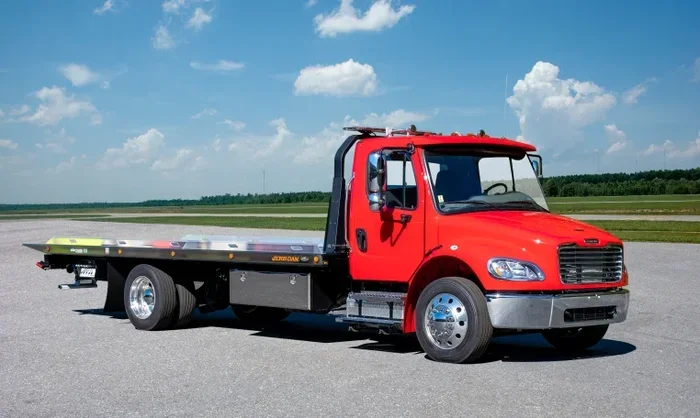
A flatbed tow truck has a long, flat platform at the back. The entire vehicle drives or is winched onto this platform. The wheels are completely off the ground during transport. This is the safest method for most cars and SUVs. Flatbed towing prevents wear on the transmission and avoids dragging the vehicle on the road.
Flatbed trucks are ideal for luxury cars, all-wheel-drive vehicles, and cars with automatic transmissions. Many mechanics prefer flatbed towing because it minimizes the risk of damage.
Wheel-Lift Tow Trucks
A wheel-lift tow truck uses a large metal yoke that fits under the front or rear wheels. The truck then lifts those wheels off the ground while the other wheels remain on the road. This method is faster and more affordable than flatbed towing.
Wheel-lift trucks are commonly used for roadside assistance calls. They work well for two-wheel-drive vehicles. However, they are not recommended for all-wheel-drive or luxury vehicles because lifting only two wheels can cause drivetrain damage.
Tow Dollies
A tow dolly is a small trailer with two wheels. The front wheels of the towed vehicle sit on the dolly while the rear wheels stay on the road. Tow dollies are popular for flat towing or recreational vehicle towing during road trips.
Tow dollies work best for front-wheel-drive vehicles. They are compact and easy to store. Many RV owners use them to tow a secondary car behind their motorhome.
Flat Towing (All-Four-Wheels-Down)
Flat towing means pulling a vehicle with all four wheels on the ground. This method requires a tow bar that connects the two vehicles. Flat towing is common among RV enthusiasts who want to bring a car along for the journey.
Not all vehicles can be flat towed. Check your owner’s manual first. Some transmissions and drivetrains can suffer serious damage if towed with all wheels on the ground.
Step-by-Step: How the Towing Process Works
Now that you know the equipment, let us walk through the actual towing process. Understanding each step makes the experience less stressful and more predictable.
Step 1: Assess the Situation
The first step happens before the tow truck even arrives. You need to assess your situation safely. Pull over to a flat, stable surface away from traffic. Turn on your hazard lights. Set up warning triangles or flares if you have them.
Check what went wrong. Is it a flat tire? A dead battery? An engine issue? Knowing the problem helps the tow truck driver prepare the right equipment. Stay with your vehicle if it is safe to do so, especially on busy roads.
Step 2: Call for Roadside Assistance
Next, call a towing service or your roadside assistance provider. Give them your exact location. Describe the problem clearly. Let them know the type of vehicle you have and its approximate weight.
Most towing services arrive within 30 to 60 minutes, depending on your location. During this wait time, stay visible and stay safe. Stand away from the road and never stand between your vehicle and the tow truck when it arrives.
Step 3: The Tow Truck Arrives and Connects
When the tow truck arrives, the driver will assess your vehicle and choose the best towing method. They will explain what they plan to do before starting the connection process.
For flatbed towing, the driver lowers the platform and either drives your vehicle onto it or uses a winch. For wheel-lift towing, the driver places the yoke under the wheels and lifts them carefully. For flat towing, the driver attaches a tow bar between the two vehicles.
Always watch the connection process and ask questions if anything seems unclear. A good tow truck driver will welcome your questions.
Step 4: Secure the Vehicle for Transport
Once the vehicle is connected, the driver secures it for the journey. This includes attaching safety chains, checking the brakes, and making sure nothing is loose. Safety chains are a critical part of towing because they serve as a backup if the primary connection fails.
The driver will also make sure your steering wheel is locked and the parking brake is engaged. For flatbed towing, all wheels should be fully on the platform and secured with straps.
Step 5: Transport to the Destination
With everything secured, the tow truck begins transport. The driver follows all traffic laws and drives carefully to avoid sudden movements. Towing a vehicle changes the truck’s handling, so experienced drivers adjust their speed and braking accordingly.
The destination might be a repair shop, your home, or a storage facility. Most towing services allow you to choose the destination within local regulations. Once you arrive, the driver will carefully disconnect the vehicle and you can inspect it for any issues.
Step 6: Payment and Documentation
After the vehicle is delivered, you will pay for the service. Most towing companies accept cash, credit cards, and insurance claims. Ask for a receipt that includes the details of the service and the total cost.
Keep this documentation for your records. It can be helpful for insurance claims or if any damage occurs during transport. Always inspect your vehicle before and after towing to document its condition.
Towing Safety Tips You Must Know
Towing safety is not something to take lightly. A improperly towed vehicle can become a danger on the road. Follow these essential safety tips every time you tow or ride in a towed vehicle.
- Never exceed the towing capacity of the tow truck or your vehicle. Every vehicle has a maximum weight limit listed in the owner’s manual.
- Always use safety chains as a backup connection between the vehicles.
- Make sure all lights are connected so the towed vehicle’s brake lights and turn signals work.
- Drive at a moderate speed and avoid sudden braking or sharp turns.
- Check all connections before moving and recheck them after a short distance.
- Use mirrors and spotters when backing up or turning with a towed vehicle.
- Follow local towing regulations which vary by state and country.
Safety chains deserve special mention. They are the last line of defense if the primary tow connection fails. Cross the chains under the trailer tongue to prevent the load from hitting the ground. Always leave enough slack for turning but not so much that the chains drag.
Common Towing Mistakes to Avoid
Even experienced drivers make towing mistakes. Knowing what to avoid saves time, money, and vehicles from unnecessary damage.
Mistake 1: Ignoring Towing Capacity
Every vehicle and tow truck has a weight limit. Exceeding this limit strains the engine, brakes, and transmission. It can also cause accidents. Always check the towing capacity before hitching up.
Mistake 2: Skipping Safety Chains
Some drivers skip safety chains to save time. This is a dangerous shortcut. Safety chains prevent a detached vehicle from becoming a hazard on the road. Always attach them properly before every tow.
Mistake 3: Using the Wrong Towing Method
Not every vehicle can be towed the same way. Towing an all-wheel-drive vehicle with a wheel lift can destroy the drivetrain. Always confirm the correct method for your specific vehicle type.
Mistake 4: Improper Weight Distribution
Uneven weight distribution during towing causes swaying and loss of control. Make sure the load is balanced and centered on the tow platform or trailer.
How to Choose the Right Towing Service
Not all towing companies are the same. Choosing the right service makes a big difference in your experience and the safety of your vehicle.
What to Look For in a Towing Company
- 24/7 availability for emergency roadside help
- Clear pricing with no hidden fees
- Licensed and insured operators
- Positive customer reviews and ratings
- Multiple service options including flatbed, wheel-lift, and motorcycle towing
- Quick response times in your local area
Before you need a tow truck, research local services and save their numbers in your phone. This way, you are prepared when an emergency happens. Ask friends, family, or coworkers for recommendations too. Personal referrals are one of the best ways to find a trustworthy towing service.
Questions to Ask Before Hiring
When you call a towing company, ask these important questions:
- What is your total cost including any fees?
- What type of equipment do you use for my vehicle type?
- How long will the tow take?
- Can I choose the destination?
- Do you accept my insurance?
Asking these questions upfront protects you from surprises and ensures a smooth towing experience.
Key Takeaways
How towing works is a straightforward process that involves connecting a disabled vehicle to a tow truck using the right equipment and safety measures. The process follows clear steps from assessment to transport to delivery. Knowing the different towing methods like flatbed, wheel-lift, tow dolly, and flat towing helps you understand what to expect when you need help.
Towing safety should always come first. Use safety chains, respect weight limits, and choose the right method for your vehicle. Avoid common mistakes like ignoring towing capacity or skipping safety checks.
Choosing a reliable towing service ensures your vehicle arrives safely at its destination. Look for licensed, insured companies with clear pricing and good reviews. Keep their number saved in your phone so you are always prepared.
Next time you face a roadside emergency, you will know exactly what to expect. Understanding how towing works gives you confidence and helps you make smart decisions when it matters most. Stay safe on the road and always be prepared for the unexpected.
Frequently Asked Questions
What does a tow truck do?
A tow truck pulls or carries a disabled vehicle from one location to another. It uses specialized equipment like flatbeds, wheel lifts, or tow bars to transport the vehicle safely without causing additional damage.
How long does a typical towing job take?
A standard roadside towing call usually takes between 30 and 60 minutes from start to finish. The wait time for the tow truck to arrive depends on your location and the service provider. The actual transport time varies based on the distance to the destination.
Is flat towing safe for all vehicles?
No, flat towing is not safe for every vehicle. Some transmissions and drivetrains can suffer serious damage when all four wheels are on the ground. Always check your vehicle owner’s manual before choosing flat towing as your method.
How much does professional towing cost?
Towing costs vary based on distance, vehicle type, and the time of day. Most basic roadside tows range from $75 to $200. Emergency or long-distance towing can cost more. Always ask for a price estimate before the service begins.
What should I do immediately after a breakdown?
After a breakdown, pull over to a safe location away from traffic. Turn on your hazard lights and set up warning triangles if available. Call a towing service and stay visible and safe while waiting for help to arrive.
Can I tow my own vehicle?
Yes, you can tow your own vehicle if you have the proper equipment and follow all safety guidelines. You need the right hitch, safety chains, brake connections, and mirrors. Always check local towing regulations before attempting to tow your own vehicle.