BMW Thermal Oil Level Sensor Everything You Need to Know
A BMW thermal oil level sensor keeps your engine running safely by monitoring both oil levels and temperature in real time. Understanding how this sensor works helps you catch problems early and avoid costly engine damage. This guide covers everything from warning signs and replacement costs to maintenance tips for BMW thermal oil level sensor systems.
Your BMW is a precision machine, and every component plays a role in keeping it running smoothly. One part that often goes unnoticed until something goes wrong is the BMW thermal oil level sensor. This small but mighty device monitors your engine oil level and temperature, ensuring your engine stays properly lubricated at all times.
If you have ever seen an oil warning light on your dashboard, you know how alarming it can be. The thermal oil level sensor BMW systems are designed to prevent those scary moments by giving you early warnings. In this guide, we will walk you through everything you need to know about how these sensors work, what happens when they fail, and how to keep yours in top shape.
Whether you drive a BMW 3 Series, 5 Series, or an X model, understanding your BMW oil level sensor can save you time, money, and a lot of headaches. Let us dive in.
Key Takeaways
- BMW Thermal Oil Level Sensor Function: Monitors both oil level and temperature to protect your engine from damage.
- Common Failure Signs: Dashboard warnings, erratic readings, and oil leaks are key indicators of a failing sensor.
- Replacement Cost: Expect to pay between $150 and $400 depending on your BMW model and labor costs.
- DIY Possible: With basic tools, many BMW owners can replace the sensor themselves in under an hour.
- Regular Maintenance Matters: Keeping up with BMW oil changes extends sensor life and prevents issues.
- Model-Specific Variations: Different BMW engines use slightly different sensor designs and placements.
📑 Table of Contents
What Is a BMW Thermal Oil Level Sensor?
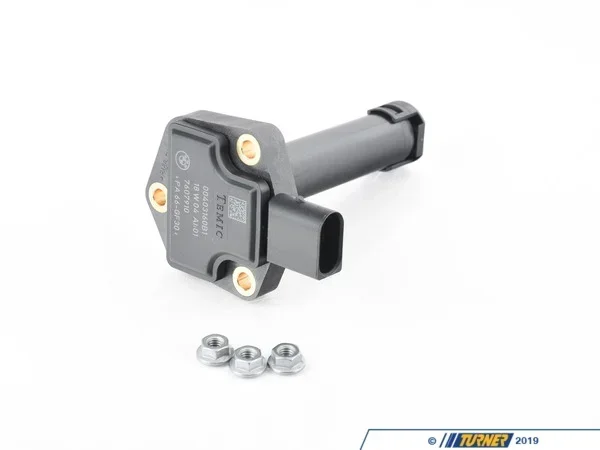
The BMW thermal oil level sensor is a device installed in your engine oil pan or oil circuit. Its main job is to measure two things at once: the amount of oil in your engine and the temperature of that oil. This dual-function design is what sets it apart from a basic oil level switch.
BMW uses thermal sensing technology because it gives a more accurate and real-time reading of your engine oil status. Instead of just telling you that oil is low, the thermal oil sensor can detect changes in viscosity caused by temperature shifts. This means your BMW engine management system gets a complete picture of your oil health.
How It Works
Inside the sensor, there is a thermal element that reacts to changes in oil temperature and level. When the oil level drops or the temperature rises beyond a safe range, the sensor sends a signal to the BMW dashboard or the engine control unit (ECU). The ECU then decides whether to trigger a warning light or adjust engine performance to protect itself.
Think of it like a guard watching over your engine 24/7. If the BMW engine oil gets too hot or too low, the sensor acts fast to alert you. This is especially important during cold starts or long highway drives where oil conditions change rapidly.
Why BMW Uses Thermal Sensors
BMW engineers chose thermal sensors for a few smart reasons. First, they are more reliable than simple float-based sensors. Second, they can detect problems before they become serious. Third, they integrate well with the BMW iDrive system and onboard diagnostics.
Many modern BMW models use engine oil monitoring systems that rely on thermal data. This includes models with the BMW N55 engine, BMW N20 engine, and B-series engines. The BMW oil level sensor BMW design has evolved over the years, but the core purpose remains the same: keep your engine safe.
How Does the Thermal Oil Level Sensor Work?
Understanding the inner workings of your BMW thermal oil level sensor helps you appreciate why it matters. The sensor uses a combination of thermal resistance and float or capacitive technology to measure oil conditions.
The Science Behind Thermal Detection
Thermal sensors work by measuring the heat conductivity of the oil. Oil conducts heat differently when it is full versus when it is low. When the oil level drops, the sensor detects a change in temperature at its tip. Similarly, when the oil gets too hot, the thermal element sends a different signal. The BMW ECU interprets these signals and responds accordingly.
This is why thermal oil level monitoring is so effective. It does not just rely on a simple on-off switch. Instead, it provides continuous data that helps your BMW make smart decisions about engine performance and protection.
Integration with BMW Engine Management
Your BMW engine management system depends on accurate data from the BMW oil level sensor. When the sensor reports that oil levels are low, the system may reduce engine power to prevent damage. It may also log a fault code that you can read with a BMW diagnostic tool.
This integration means that the BMW thermal oil level sensor does more than just trigger a warning light. It actively helps protect your engine from running dry or overheating. That is a big job for a small component.
Signs Your BMW Thermal Oil Level Sensor Is Failing
Like any electronic component, the BMW thermal oil level sensor can wear out over time. Recognizing the early signs of failure can save you from bigger engine problems down the road.
Dashboard Warning Lights
The most obvious sign is an oil pressure or oil level warning light on your dashboard. If you see the red oil can symbol or the yellow oil level indicator, do not ignore it. These lights mean the BMW oil warning light system has detected a problem with your oil level or pressure.
Sometimes the light stays on constantly. Other times it flickers, especially when the engine is cold or after a long drive. Both patterns suggest a potential issue with the thermal oil sensor BMW system.
Common Symptoms of a Failing Sensor
Here are the most common signs that your BMW oil level sensor is going bad:
- Inaccurate oil level readings on the iDrive display or dashboard gauge.
- Oil warning light stays on even after you have topped up the oil.
- Erratic temperature readings that do not match actual engine conditions.
- Oil leaks around the sensor housing or oil pan area.
- Reduced engine performance or limp mode activation without clear cause.
- Hard starting especially when the engine is cold.
If you notice any of these symptoms, it is worth getting your BMW oil sensor replacement checked by a qualified mechanic or with a BMW diagnostic tool. Catching the problem early can prevent engine damage.
BMW Models and Engines That Use Thermal Oil Level Sensors
BMW has used thermal oil level sensors across a wide range of models and engines. Understanding which BMW you have and what sensor it uses can help you find the right replacement part and service approach.
Popular BMW Engines with This System
The BMW N55 engine and BMW N20 engine are two of the most common powerplants that use thermal oil level sensors. These turbocharged engines rely heavily on accurate oil monitoring because they run at higher temperatures and pressures than naturally aspirated engines.
Other BMW engines that use this technology include the B48, B58, N54, and M54 engines. Whether you drive a BMW 3 Series (E90, F30), BMW 5 Series (F10), BMW X3, or BMW X5, there is a good chance your vehicle has a thermal oil sensor BMW system installed.
Model-Specific Variations
Different BMW models may have the sensor located in different places. Some models have the sensor on top of the oil pan, while others mount it on the side of the oil circuit. The BMW oil level sensor BMW E90 models, for example, use a slightly different design than the newer F-series and G-series models.
Here is a quick comparison of common BMW models and their thermal oil level sensor BMW setups:
| BMW Model | Engine | Sensor Location | Common Issue |
|---|---|---|---|
| 3 Series (E90) | N52, N55 | Top of oil pan | Sensor seal leaks |
| 3 Series (F30) | N20, B48 | Side of oil circuit | Electrical connector failure |
| 5 Series (F10) | N55, B58 | Oil pan bottom | False low-level readings |
| X3 (F25) | N20, N55 | Top of oil pan | Oil level sensor corrosion |
| X5 (F15) | N55, B58 | Oil pan side | Connector water damage |
Knowing your specific model and engine helps you find the right BMW oil sensor replacement part and avoid unnecessary guesswork.
Replacing Your BMW Thermal Oil Level Sensor
If your BMW thermal oil level sensor has failed or is giving inaccurate readings, replacement is often the best solution. The good news is that this is a relatively straightforward repair, and many DIY enthusiasts can handle it at home.
Step-by-Step Replacement Guide
Here is a simplified overview of how to replace your BMW oil level sensor:
- Locate the sensor. Refer to your BMW service manual for the exact location on your specific model. It is usually found on or near the oil pan.
- Prepare the vehicle. Make sure the engine is cool and the car is on a level surface. Drain or reduce the oil level slightly if needed for access.
- Disconnect the electrical connector. Unplug the wiring harness that connects to the sensor. Use care not to damage the connector pins.
- Remove the old sensor. Use the appropriate socket or wrench to unscrew the sensor from the oil pan. Be gentle to avoid damaging the oil pan threads.
- Install the new sensor. Thread the new BMW oil level sensor into place by hand first, then tighten it with a wrench to the manufacturer’s torque specification.
- Reconnect the electrical connector. Make sure it clicks into place securely.
- Check for leaks. Start the engine and let it run for a few minutes. Check the sensor area for any oil leaks.
- Reset the oil level sensor. Use a BMW diagnostic tool or the iDrive system to reset the oil level reading. This ensures accurate readings going forward.
Cost and DIY vs Professional
The cost of a BMW oil sensor replacement varies depending on your model and where you go for service. The sensor itself typically costs between $30 and $100. If you take it to a dealer or independent shop, labor charges can add $100 to $300 more, bringing the total to around $150 to $400.
For those who prefer a DIY approach, the replacement is quite manageable if you have basic mechanical skills and the right tools. The entire process usually takes less than an hour. Just make sure you have the correct part number for your specific BMW model.
Quick Tips
- Always use a genuine BMW or high-quality aftermarket sensor to ensure accurate readings.
- Apply a thin layer of clean oil to the new sensor O-ring before installation to prevent leaks.
- Keep a BMW diagnostic tool handy to clear fault codes after replacement.
- Check the oil level manually with the dipstick after replacing the sensor to confirm accuracy.
Maintenance Tips to Keep Your Sensor Working
Prevention is always better than cure. Taking care of your BMW thermal oil level sensor can extend its lifespan and keep your engine protected.
Quick Tips for Sensor Longevity
- Change your BMW oil regularly. Fresh oil keeps the sensor tip clean and free from sludge buildup. Follow BMW oil change intervals for your specific model.
- Use the right oil grade. Always use the BMW-recommended oil viscosity for your engine. Wrong oil can affect sensor accuracy and engine performance.
- Check for leaks periodically. Inspect the sensor housing and surrounding area during routine oil checks. Early leak detection prevents sensor failure.
- Avoid extreme driving conditions when possible. Repeated short trips and extreme heat put extra stress on the BMW oil level sensor and the engine oil itself.
Common Mistakes to Avoid
Here are some mistakes BMW owners often make that can damage the thermal oil level sensor:
- Ignoring warning lights. If the oil warning light comes on, address it immediately. Driving with low oil can destroy the sensor and the engine.
- Overfilling the oil. Too much oil can cause pressure buildup and damage the sensor seal. Always fill to the correct level.
- Using cheap aftermarket parts. Low-quality sensors may give inaccurate readings or fail prematurely. Invest in a reliable part.
- Skipping diagnostic checks. Even after replacing the sensor, use a BMW diagnostic tool to confirm the system is working properly.
Expert Insights
BMW technicians recommend checking your BMW oil level sensor as part of every major service interval. A simple diagnostic scan can reveal early signs of sensor degradation before it causes a breakdown. Many experienced BMW mechanics also suggest keeping a log of your oil level readings over time. This makes it easier to spot gradual changes that might indicate a failing sensor.
One BMW master technician shared this insight: “The thermal oil level sensor BMW systems are very reliable, but they are not immune to wear. Regular oil changes and prompt attention to warning lights are the best ways to keep everything working smoothly.”
Conclusion
The BMW thermal oil level sensor is a small but critical component in your BMW engine management system. It keeps your engine protected by monitoring oil levels and temperature in real time. From the BMW N55 to the BMW N20 and beyond, these sensors play a vital role in engine health.
By understanding how the sensor works, recognizing the signs of failure, and following proper maintenance practices, you can keep your BMW oil level sensor functioning reliably for years to come. Whether you choose a DIY replacement or professional service, staying proactive about your BMW engine maintenance will pay off in the long run.
Take the time to learn about your BMW’s thermal oil level sensor today. Your engine will thank you tomorrow.
Frequently Asked Questions
What does a BMW thermal oil level sensor do?
The BMW thermal oil level sensor monitors both the oil level and the temperature of your engine oil. It sends this data to the BMW engine management system, which uses it to protect the engine and trigger warning lights if something is wrong.
How much does it cost to replace a BMW oil level sensor?
The total cost for a BMW oil sensor replacement typically ranges from $150 to $400. The sensor part itself costs between $30 and $100, while labor at a shop adds $100 to $300. DIY replacement can save you the labor cost entirely.
Can I drive my BMW with a faulty oil level sensor?
It is not recommended. A faulty BMW oil level sensor may give inaccurate readings, which means your engine could be running low on oil without you knowing. This can lead to serious engine damage over time. Have it checked and replaced as soon as possible.
Which BMW models use thermal oil level sensors?
Most modern BMW models use thermal oil level sensors, including the 3 Series (E90, F30), 5 Series (F10), X3 (F25), X5 (F15), and many others. Engines like the N55, N20, B48, and B58 all commonly feature this type of sensor.
How do I reset the BMW oil level sensor after replacement?
You can reset the sensor using a BMW diagnostic tool or through the iDrive system in newer models. Simply navigate to the vehicle status menu, select the oil service option, and follow the prompts to reset the reading after you have topped up or changed the oil.
How often should I check my BMW thermal oil level sensor?
There is no fixed schedule for checking the sensor itself, but you should have it inspected during every BMW oil change or major service. Using a BMW diagnostic tool to read sensor data is a quick way to confirm everything is working correctly.