How Far Can You Drive an Overheating Car Before It Breaks
You should never drive far when your car is overheating. Most experts agree that continuing to drive an overheating car can cause catastrophic engine damage within just a few miles. Understanding the warning signs and acting quickly can save you thousands in engine repair costs and keep you safe on the road.
You are driving down the road, and suddenly you notice something wrong. The temperature gauge on your dashboard is climbing. Maybe you see steam curling up from under the hood. Your heart starts racing. You wonder, how far can you drive an overheating car before something really bad happens?
The honest answer might surprise you. The truth is that driving an overheating car even a short distance can lead to expensive engine damage. What feels like a minor inconvenience can turn into a major breakdown in just minutes. In this article, we will walk you through exactly what happens when your engine overheats, how far you can safely go, and what you should do right now to protect your vehicle.
Whether you are stuck on the highway or dealing with a slow climb on the temperature gauge, this guide will give you the confidence to make the right call. No more guessing. No more panic. Just clear, practical advice you can use immediately.
Key Takeaways
- Driving an overheating car is risky: Even a short distance can cause severe engine damage like a blown head gasket or engine seizure.
- Watch for early warning signs: A rising temperature gauge, steam from the hood, and unusual smells all signal trouble.
- You typically have a very short window: Most cars can only be driven 1-2 miles before serious problems start.
- Immediate action matters: Pull over safely, turn off the engine, and call for a tow truck if needed.
- Prevention is key: Regular coolant checks and cooling system maintenance can prevent overheating entirely.
- Repair costs vary widely: A simple fix like a thermostat replacement costs far less than rebuilding a seized engine.
📑 Table of Contents
- What Happens When Your Car Overheats
- Warning Signs Your Engine Is Too Hot
- How Far Can You Really Drive?
- What Causes a Car to Overheat
- What to Do When Your Car Starts Overheating
- How to Prevent Overheating in the Future
- How Much Does Overheating Repair Cost?
- Common Mistakes People Make With Overheating Cars
- When to Call a Professional
- Conclusion
What Happens When Your Car Overheats
Your car engine runs at very high temperatures. It needs a cooling system to stay within a safe range. When that system fails, the engine temperature rises fast. And when it rises, bad things start happening fast too.
The Science Behind Engine Heat
Your engine creates enormous heat during combustion. The cooling system uses coolant (also called antifreeze) to absorb that heat and carry it away through the radiator. A water pump moves the coolant through the engine block. A thermostat regulates the flow so the engine stays at the right temperature.
When any part of this system fails, the heat has nowhere to go. The metal parts inside the engine start expanding. The oil breaks down. Components warp and weaken. Within minutes, the damage can become permanent.
Common Types of Engine Damage from Overheating
Here are the most common problems that happen when you keep driving a hot engine:
- Blown head gasket: The seal between the engine block and cylinder head fails. This allows coolant and oil to mix, and combustion gases to leak. A blown head gasket repair can cost anywhere from $1,000 to $2,000 or more.
- Warped cylinder head: Excessive heat causes the cylinder head to warp. This leads to poor compression and loss of engine power.
- Engine seizure: In the worst case, the metal parts expand so much that the engine seizes completely. The pistons weld themselves to the cylinder walls. At that point, you are looking at a full engine replacement.
- Cracked engine block: Extreme heat can cause cracks in the engine block itself. This is one of the most expensive repairs a car owner can face.
- Damaged radiator: The radiator itself can crack or develop leaks under extreme pressure from overheating.
Each of these problems can sideline your vehicle for days or even weeks. The repair bills add up fast. That is why understanding how far you can drive an overheating car is so important.
Warning Signs Your Engine Is Too Hot
Most cars give you plenty of warning before things go from bad to worse. The key is knowing what to look for. Catching the signs early gives you the best chance to prevent serious engine damage.
The Temperature Gauge
Your dashboard temperature gauge is your first line of defense. Most cars have a normal range in the middle of the gauge. If the needle starts climbing toward the red zone, that is a clear signal. Do not ignore it. Do not assume it will cool down on its own.
Steam or Smoke from the Hood
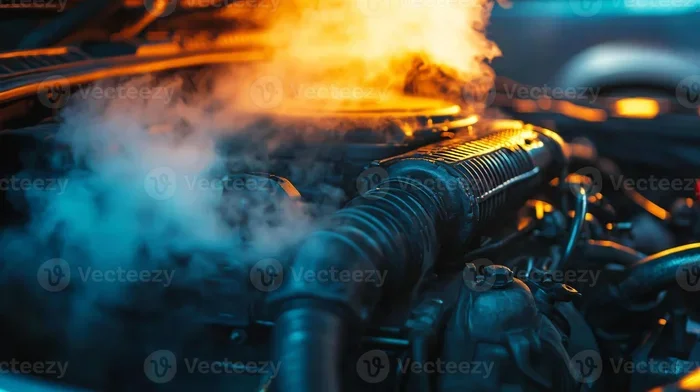
Seeing steam or smoke coming from under the hood is one of the most obvious overheating symptoms. This usually means coolant is leaking and hitting hot engine parts. It can also mean the radiator cap has failed. Either way, you need to pull over safely as soon as possible.
Unusual Smells
Your nose can tell you a lot about what is going on under the hood. A sweet, syrupy smell often means coolant is leaking. A burning, oily smell might mean engine oil is breaking down. Both are serious warnings that your cooling system is not working properly.
Other Warning Signals
- Coolant warning light: Many modern cars have a specific light for low coolant levels.
- Heater blowing cold air: If the heater suddenly stops working, it can mean the coolant level is too low.
- Thumping or knocking sounds: These noises can indicate that the engine is running too hot and parts are expanding.
- Reduced engine power: A hot engine may lose power or run roughly as a protective measure.
If you notice any of these warning signs, do not keep driving. Pull over, turn off the engine, and assess the situation. Continuing to drive puts your engine at serious risk.
How Far Can You Really Drive?
This is the question everyone wants answered. The truth is there is no single magic number. How far you can drive depends on several factors. But the general rule is simple: the less you drive, the better.
Factors That Determine How Far You Can Go
Several things affect how much distance you have before serious damage occurs:
- The outside temperature: Driving on a hot summer day makes overheating worse much faster than a cool day.
- Traffic conditions: Stop-and-go traffic causes more overheating than steady highway driving because the engine does not get enough airflow.
- The cause of overheating: A small coolant leak gives you more time than a completely failed water pump.
- The age and condition of your car: Older vehicles with worn components tend to overheat faster.
- What you are doing with the engine: Heavy acceleration or towing makes the engine work harder and generate more heat.
Realistic Distance Estimates
Here is what most mechanics and automotive experts agree on:
- 1 to 2 miles: This is the safest maximum distance for most vehicles. After this point, the risk of significant damage rises sharply.
- Up to 5 miles (in rare cases): If the overheating is caught very early and the temperature gauge is only slightly elevated, you might get a few extra miles. But this is a gamble.
- More than 5 miles: This is extremely risky. You are very likely to cause serious and expensive damage to your engine.
The bottom line is that you should treat any overheating situation as an emergency. The desire to reach your destination is not worth the risk of a roadside breakdown or a totaled engine.
What Causes a Car to Overheat
Understanding the root causes of overheating helps you prevent it from happening in the first place. Here are the most common reasons a car overheats:
Low Coolant Level
This is the number one cause of overheating. Coolant leaks can happen from worn hoses, a faulty radiator cap, a leaking water pump, or a cracked radiator. When the coolant level drops too low, the engine cannot stay cool.
Faulty Thermostat
The thermostat controls the flow of coolant through the engine. If it gets stuck closed, the coolant cannot circulate. The engine heats up rapidly, and you have a serious problem on your hands.
Water Pump Failure
The water pump is the heart of the cooling system. It pushes coolant through the engine block and radiator. When it fails, the coolant stops moving, and heat builds up fast.
Radiator Problems
A clogged or damaged radiator cannot release heat properly. This can happen from old coolant, debris buildup, or physical damage from road hazards.
Broken Fan or Fan Clutch
The cooling fan pulls air through the radiator when you are driving slowly or sitting in traffic. If the fan motor or fan clutch fails, the engine can overheat even at low speeds.
Head Gasket Issues
A failing head gasket can cause overheating in two directions. It can allow coolant to leak out, and it can let combustion gases enter the cooling system. Both scenarios lead to overheating.
What to Do When Your Car Starts Overheating
Knowing what to do in the moment can make all the difference. Here is a step-by-step guide to follow when your temperature gauge starts climbing.
Step 1: Turn Off the Air Conditioning
This might sound counterintuitive, but turning off the A/C reduces the load on the engine. It helps the engine cool down a little faster.
Step 2: Turn On the Heater
This is one of the best quick tricks for overheating fix situations. Crank the heater to full blast. It pulls heat away from the engine and into the cabin. It might make you uncomfortable, but it can buy you precious time.
Step 3: Pull Over Safely
Find a safe place to stop as soon as possible. Turn off the engine and let the car sit. Do not open the hood immediately. The system is under pressure, and you could get burned by hot coolant or steam.
Step 4: Wait and Assess
Give the engine at least 15 to 20 minutes to cool down. Watch the temperature gauge. Once it drops to a normal range, you can carefully open the hood and check the coolant level.
Step 5: Call for Help if Needed
If the engine is still hot after 20 minutes, or if you see visible leaks, do not try to drive again. Call a tow truck and have the car taken to a trusted mechanic. Trying to push through an overheating situation is one of the most common common mistakes car owners make, and it often leads to devastating engine damage.
Quick Tip: Keep a gallon of distilled water in your trunk during summer months. If you are stranded and low on coolant, adding water temporarily can help you get to a safe spot. But do not drive far with just water. Get to a mechanic as soon as possible.
How to Prevent Overheating in the Future
The best way to deal with an overheating car is to never let it happen in the first place. Regular maintenance goes a long way toward keeping your cooling system healthy and your engine running smoothly.
Regular Coolant Checks
Check your coolant level at least once a month. Look for leaks under your parked car. If you notice any puddles, especially bright green, orange, or pink fluid, get it checked right away.
Flush and Replace Coolant
Over time, coolant loses its effectiveness. Most manufacturers recommend flushing and replacing the coolant every 30,000 to 50,000 miles. Check your owner’s manual for the specific recommendation for your vehicle.
Inspect Hoses and Belts
Look at the hoses that carry coolant through the engine. Check for cracks, swelling, or soft spots. Inspect the belts that drive the water pump for wear and proper tension.
Watch the Temperature Gauge
Make it a habit to glance at your temperature gauge during every drive. Catching a slow climb early gives you time to address the problem before it becomes a major issue.
Keep the Radiator Clean
Debris like leaves, bugs, and dirt can block airflow through the radiator. Periodically clean the front of the radiator to keep air flowing freely.
Address Small Problems Quickly
If you notice a small coolant leak or a slightly rising temperature gauge, do not ignore it. Small problems become big, expensive problems fast. Addressing issues early is the best way to avoid a costly engine repair bill.
How Much Does Overheating Repair Cost?
The cost of fixing an overheated engine depends entirely on the damage. Here is a rough breakdown of what you might expect to pay:
| Repair | Estimated Cost | Severity |
|---|---|---|
| Thermostat replacement | $150 – $300 | Low |
| Water pump replacement | $300 – $750 | Medium |
| Radiator repair or replacement | $300 – $900 | Medium |
| Head gasket replacement | $1,000 – $2,000 | High |
| Cylinder head repair | $500 – $1,500 | High |
| Engine replacement | $3,000 – $7,000+ | Critical |
As you can see, the cost difference between a small fix and a full engine replacement is enormous. That is why taking overheating symptoms seriously from the start is so important.
Common Mistakes People Make With Overheating Cars
There are several things car owners do that make overheating situations worse. Here are the mistakes you should avoid:
- Continuing to drive: This is the biggest mistake. Pushing through an overheating episode almost always leads to more damage.
- Opening the radiator cap immediately: The cooling system is pressurized. Opening the cap too soon can cause hot coolant to spray out and burn you.
- Adding cold water to a hot engine: Pouring cold water into a superheated engine can cause the engine block to crack due to thermal shock.
- Ignoring the check engine light: Modern cars give you plenty of warning. Ignoring those warnings is a recipe for disaster.
- Delaying repairs: Putting off even small cooling system repairs can lead to a chain reaction of failures and a much bigger bill down the road.
Expert Insight: According to automotive professionals, most overheating-related engine failures are completely preventable. Regular maintenance and prompt attention to warning signs can save you from the most expensive repairs. If your car shows any sign of overheating, treat it as urgent, not optional.
When to Call a Professional
Sometimes the problem is beyond a quick fix. You should call a professional mechanic if:
- The temperature gauge stays in the red zone even after you pull over and let the car cool down.
- You see steam or fluid leaking from under the hood.
- The engine makes unusual knocking or tapping sounds.
- Your car stalls and will not restart after cooling down.
- You have driven the car while it was overheating and want a professional inspection.
A qualified mechanic can perform a thorough inspection of the cooling system, including pressure testing the radiator, checking the water pump, and inspecting the head gasket. This kind of diagnostic work can catch problems early and save you from unexpected breakdowns.
Remember, a tow truck ride is always cheaper than a new engine. When in doubt, get professional help. Your wallet and your safety will thank you.
Conclusion
The answer to how far can you drive an overheating car is not a long one. In most cases, you should not drive more than a mile or two. Every extra minute on a hot engine increases the risk of permanent damage. The best approach is to pull over safely, turn off the engine, and call for help if needed.
Understanding the warning signs, knowing what causes overheating, and taking preventive steps can keep your car running smoothly and your repair bills low. Do not gamble with your engine. Treat overheating as the serious issue it is, and your car will thank you for years to come.
Stay proactive. Stay safe. And the next time your temperature gauge starts climbing, you will know exactly what to do.
Frequently Asked Questions
Can I drive 5 miles with an overheating car?
It is not recommended. Even a few extra miles can cause serious engine damage like a blown head gasket or warped cylinder head. The risk increases significantly after the first mile or two. Pull over and call for a tow truck instead of pushing your luck.
What should I do immediately when my car starts overheating?
Turn off the air conditioning, turn on the heater to full blast, and pull over safely. Turn off the engine and wait at least 15 to 20 minutes for the engine to cool down. Do not open the hood immediately due to pressurized steam and hot coolant.
How much does it cost to fix an overheating car?
The cost depends entirely on the damage. A simple thermostat replacement might cost $150 to $300, while a full engine replacement can exceed $5,000. The key takeaway is that early intervention saves you a lot of money. Do not ignore the signs.
Can low coolant cause my car to overheat?
Yes, absolutely. Low coolant is the most common cause of overheating. Coolant leaks from worn hoses, a faulty radiator cap, or a damaged water pump can all lead to low levels. Check your coolant regularly and top it off with the correct type of coolant for your vehicle.
Is it safe to add water to an overheating engine?
Only after the engine has cooled down completely. Adding cold water to a hot engine can cause the block to crack from thermal shock. If you must add water in an emergency, let the engine cool for at least 30 minutes first, and add it slowly.
How can I prevent my car from overheating?
Regular maintenance is the best prevention. Check your coolant level monthly, flush and replace coolant as recommended by your manufacturer, inspect hoses and belts for wear, and keep the radiator clean. Addressing small issues early prevents them from becoming major problems.