Why Your Mazda 6 Car Stop Is Important and How to Fix It
Your Mazda 6 car stop system is the most important safety feature in your vehicle. Understanding how it works and knowing when something goes wrong can save your life. This guide covers everything from brake pad wear to ABS problems, with clear fixes anyone can follow. Keep reading to learn how to keep your Mazda stopping safely.
Key Takeaways
- Your Mazda 6 car stop system depends on several parts working together: brake pads, rotors, calipers, fluid, and sensors.
- Ignoring brake warning signs can lead to expensive repairs: squealing, vibrations, or a soft pedal all need attention fast.
- Regular brake maintenance saves money: replacing pads early prevents rotor damage and keeps costs low.
- DIY brake jobs are possible for simple tasks: pad swaps and fluid changes are beginner-friendly with the right tools.
- Brake fluid flushes matter more than most owners realize: old fluid absorbs moisture and reduces stopping power.
- Your driving habits affect brake life: aggressive driving wears pads faster than gentle, anticipatory braking.
📑 Table of Contents
- Why Your Mazda 6 Car Stop System Is So Important
- Common Mazda 6 Brake Problems and Warning Signs
- How to Fix Common Mazda 6 Brake Issues
- How to Maintain Your Mazda 6 Brakes for Longevity
- How Much Does Mazda 6 Brake Repair Cost?
- When to See a Professional for Mazda 6 Brake Repair
- Final Thoughts on Your Mazda 6 Car Stop System
Why Your Mazda 6 Car Stop System Is So Important
Let us start with something simple. Your Mazda 6 car stop system is the one feature that can mean the difference between a close call and a tragedy. Every single time you turn the key and drive, you trust your brakes to work. No other system in your car matters more when it comes to keeping you and your family safe.
The Mazda 6 has been a popular sedan for years. It offers a smooth ride, great fuel economy, and solid build quality. But all of that means nothing if the brakes fail. Your brake system includes pads, rotors, calipers, fluid, lines, and sensors. Each part plays a role in bringing your car to a safe stop. When even one part wears out, your stopping distance increases, and your safety drops.
Many drivers take their brakes for granted. They do not think about them until something sounds wrong or feels off. That is a dangerous habit. The good news is that understanding your Mazda 6 braking system helps you catch problems early. It also helps you know when a trip to the mechanic is urgent and when you can wait.
In this guide, we will walk you through everything you need to know. We will cover why your brakes matter, what goes wrong, how to spot the warning signs, and exactly how to fix common issues. Whether you are a DIY mechanic or someone who just wants to understand their car better, this article has you covered.
How the Mazda 6 Brake System Works
Your Mazda 6 uses a disc brake system on all four wheels. When you press the brake pedal, brake fluid pushes through the lines to each caliper. The caliper then squeezes the brake pads against the rotors. This friction slows your wheels down and brings the car to a stop. It is a simple but brilliant design that has worked the same way for decades.
The ABS (Anti-lock Braking System) adds another layer of safety. It prevents your wheels from locking up during emergency stops. This lets you steer while braking hard, which can save your life on wet or icy roads. The ABS uses sensors at each wheel to monitor speed. If a wheel starts to lock, the system pulses the brakes rapidly. You will feel the pedal vibrate when this happens, and that is completely normal.
Understanding this basic process helps you troubleshoot problems. If your brake pedal feels spongy, it might mean air in the lines. If your car pulls to one side when braking, a caliper might be sticking. The more you know about how the system works, the better equipped you are to handle issues.
Common Mazda 6 Brake Problems and Warning Signs
Your Mazda 6 will tell you when something is wrong with the brakes. The trick is knowing what to listen for and what to look for. Here are the most common problems Mazda 6 owners face with their car stop system.
Squealing or Grinding Noises
A high-pitched squeal when you brake is usually the first sign of worn brake pads. Mazda 6 models come with a brake wear indicator. This is a small metal tab that touches the rotor when the pad material gets thin. It makes that annoying squeal to warn you. Do not ignore it.
If you hear a grinding sound, the pads are completely worn through. Now metal is grinding against metal. This damages your rotors and makes repairs much more expensive. Grinding means you need to replace pads immediately and likely resurface or replace the rotors too.
Soft or Spongy Brake Pedal
A brake pedal that feels soft or sinks to the floor is a serious warning sign. This usually means air has entered your brake lines. Brake fluid is hydraulic, which means it needs to be completely liquid to transfer pressure. Even a small air bubble reduces the force reaching your calipers.
A soft pedal can also point to a brake fluid leak. Check under your car for any fluid puddles. Brake fluid looks like clear or slightly yellowish liquid. If you see any, do not drive the car. Get it towed to a shop. A leak in the brake system can lead to complete brake failure.
Brake Pedal Vibration
When you press the brake pedal and feel a vibration, your rotors are likely warped. Warped rotors happen from heat buildup over time. They can also occur after a tire change or if a lug nut was not torqued properly. The vibration usually gets worse at higher speeds and during hard braking.
Warped rotors do not always need full replacement. A mechanic can resurface the rotors if they are still thick enough. However, if the rotors are below the minimum thickness specification, you will need new ones. Always ask your mechanic to measure the rotor thickness before deciding.
Brake Warning Light on the Dashboard
Your Mazda 6 has a brake warning light on the dashboard. It looks like a circle with an exclamation point inside. If this light comes on, do not ignore it. It could mean your parking brake is engaged, your brake fluid is low, or there is a serious issue with the ABS system.
Check your brake fluid reservoir first. It is located near the back of the engine bay. If the fluid level is low, top it off with the correct DOT fluid for your Mazda 6 model year. But remember, low fluid usually means your pads are worn down or there is a leak. Get it checked out by a professional if the light stays on.
How to Fix Common Mazda 6 Brake Issues
Now that you know what can go wrong, let us talk about how to fix it. Some brake repairs are simple and can be done at home. Others require a professional mechanic. Here is a breakdown of common fixes for your Mazda 6 car stop system.
Replacing Brake Pads
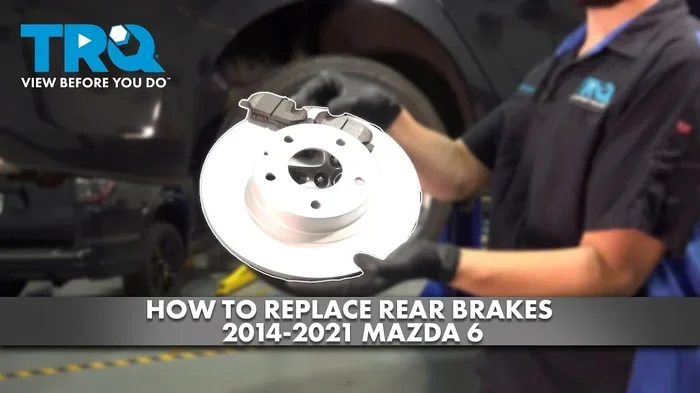
Replacing brake pads is the most common brake repair. It is also one of the easiest jobs you can do yourself if you have basic tools. Here is a quick overview of the process.
- Lift the car with a jack and secure it on jack stands.
- Remove the wheel by loosening the lug nuts.
- Remove the caliper bolts and carefully pull the caliper off the rotor.
- Slide out the old brake pads from the caliper bracket.
- Compress the caliper piston using a C-clamp or piston tool.
- Insert the new pads and reassemble everything in reverse order.
- Bolt the wheel back on and lower the car.
Always apply brake grease to the back of the pads and the caliper contact points. This prevents squealing and ensures smooth movement. After installing new pads, pump the brake pedal a few times before driving. This seats the pistons against the new pad material.
Flushing Brake Fluid
Brake fluid is hygroscopic, which means it absorbs moisture from the air over time. Moisture in your brake fluid lowers its boiling point. This can cause brake fade during hard driving or even brake failure in extreme cases. Flushing the fluid removes old, contaminated fluid and replaces it with fresh fluid.
Most manufacturers recommend a brake fluid flush every two years. However, if you drive in a humid climate or tow heavy loads, you might want to do it more often. The process involves opening a bleeder valve at each caliper and letting old fluid flow out while new fluid enters the system. You need a helper for this job, or you can use a one-person bleeding kit.
Resurfacing or Replacing Rotors
If your rotors are warped but still thick enough, resurfacing them is a cost-effective fix. A mechanic mounts the rotors on a lathe and shaves off a thin layer to create a smooth, flat surface. This restores proper contact with the brake pads and eliminates vibration.
However, rotors have a minimum thickness stamped on them. If resurfacing would take them below that limit, you must replace them. New rotors are not expensive, especially compared to the cost of a rotor failure at highway speed. Always have your mechanic check the thickness before deciding.
Fixing a Sticking Caliper
A sticking caliper causes your car to pull to one side when braking. It also leads to uneven pad wear. Sometimes the fix is as simple as cleaning and lubricating the caliper slides. Other times, the caliper piston seal is damaged and the entire caliper needs replacement.
You can try freeing a stuck caliper slide yourself. Remove the caliper, spray the slides with brake cleaner, and apply high-temperature brake grease. If the piston itself is stuck, a professional rebuild or replacement is the safer option. Driving with a stuck caliper can cause uneven rotor wear and reduced stopping power.
How to Maintain Your Mazda 6 Brakes for Longevity
Prevention is always better than repair when it comes to your Mazda 6 brake system. Regular maintenance keeps your car stopping safely and saves you money in the long run. Here are the best practices for extending the life of your brakes.
Inspect Your Brakes Regularly
Get your brakes inspected at least once a year. Many tire shops and quick-lube places offer free brake inspections. They will measure your pad thickness, check the rotors, and look for leaks. Even if nothing seems wrong, regular inspections catch small problems before they become big ones.
Between inspections, pay attention to how your car feels when you brake. Any change in feel, sound, or performance is worth investigating. Catching a problem early often means a cheaper repair and less downtime.
Drive Smoothly and Anticipate Stops
Your driving style has a huge impact on brake wear. Aggressive driving with hard braking wears pads and rotors much faster than gentle, anticipatory driving. Try to look ahead and coast to stops whenever possible. This not only saves your brakes but also improves your fuel economy.
Here are some simple driving tips that reduce brake wear:
- Maintain a safe following distance so you can brake gently.
- Avoid riding your brakes on downhill slopes.
- Use engine braking by downshifting on hills.
- Do not speed up then brake hard repeatedly.
- Keep a steady, moderate speed in city traffic.
Use Quality Brake Parts
Not all brake pads and rotors are created equal. Cheap parts might save money upfront but wear out faster and can cause noise or vibration. OEM (Original Equipment Manufacturer) parts are designed specifically for your Mazda 6 and offer the best balance of performance and longevity.
Aftermarket parts from reputable brands like Brembo, Akebono, or EBC are also excellent choices. When shopping for parts, look for certifications and customer reviews. Avoid the cheapest options you find online, especially for safety-critical components like brakes.
Keep Your Brake Fluid Fresh
Brake fluid does not get enough attention from most Mazda 6 owners. But it is essential for proper brake operation. Old fluid absorbs moisture and becomes less effective. A fresh brake fluid flush every two years ensures your system works at peak performance.
You can check your brake fluid level and color yourself. Healthy brake fluid is clear or light amber. If it looks dark brown or black, it is time for a change. This is a very inexpensive service that makes a big difference in brake feel and safety.
How Much Does Mazda 6 Brake Repair Cost?
Cost is always a concern when it comes to brake repair. The good news is that Mazda 6 brake jobs are generally affordable compared to many other vehicles. Here is a rough breakdown of what you can expect to pay.
| Repair | Parts Cost | Labor Cost | Total Estimate |
|---|---|---|---|
| Brake Pad Replacement | $50 – $120 | $80 – $150 | $130 – $270 |
| Rotor Resurfacing | $15 – $30 per rotor | $20 – $40 per rotor | $70 – $140 for all four |
| Rotor Replacement | $30 – $60 per rotor | $40 – $80 per rotor | $140 – $280 for all four |
| Brake Fluid Flush | $20 – $40 | $60 – $100 | $80 – $140 |
| Caliper Replacement | $80 – $200 per caliper | $100 – $200 per caliper | $180 – $400 per caliper |
These are estimates and can vary based on your location, model year, and whether you use OEM or aftermarket parts. Always get a quote from a trusted mechanic before committing to a repair. And remember, the cheapest option is not always the best when it comes to safety.
When to See a Professional for Mazda 6 Brake Repair
Some brake repairs are perfect for DIY beginners. Others are best left to the professionals. Here are situations where you should definitely see a mechanic.
If you notice a burning smell after braking hard, pull over safely and let the car cool down. Burning smells can indicate a seized caliper or overheated brakes. Continuing to drive in this condition can cause a fire. This is an emergency situation that requires professional attention.
Any time you hear a loud bang or feel a sudden loss of braking power, stop driving immediately. These symptoms can indicate a catastrophic brake failure. Have the car towed to a repair shop. Do not attempt to drive it, even a short distance.
Also see a professional if your brake warning light stays on after you check the fluid level. A persistent light usually points to a sensor issue, a system fault, or a deeper problem that needs diagnostic equipment to identify. Most auto parts stores will read the codes for free.
Final Thoughts on Your Mazda 6 Car Stop System
Your Mazda 6 car stop system is one of the most important features of your vehicle. It keeps you safe every time you get behind the wheel. Taking care of your brakes through regular inspection, timely repairs, and smart driving habits pays off in both safety and savings.
Do not wait for something to go wrong. Stay proactive. Listen to your car, watch for warning signs, and address brake issues the moment they appear. A few hundred dollars spent on brake maintenance today can prevent a much larger repair bill tomorrow and, more importantly, keep you and your loved ones safe on the road.
Whether you handle the work yourself or trust a professional, the key is to never neglect your brakes. They are the one system in your car that you cannot afford to ignore. Take care of your Mazda 6 brakes, and they will take care of you every time you need to stop.
Frequently Asked Questions
How often should I replace the brake pads on my Mazda 6?
Brake pad life varies depending on driving habits and conditions. Most Mazda 6 owners replace pads every 30,000 to 70,000 miles. If you drive in heavy traffic or use aggressive braking, expect the lower end of that range. Listen for squealing sounds as your first indicator that pads need replacing.
Can I drive my Mazda 6 with the brake warning light on?
No, you should not drive with the brake warning light on. This light indicates a potential problem with your braking system that could compromise your safety. Check the brake fluid level first, and if it is normal, have the car towed to a mechanic for diagnosis.
How do I know if my Mazda 6 rotors need replacing?
Warped or worn rotors cause vibration in the brake pedal and uneven pad wear. A mechanic can measure rotor thickness with a micrometer to determine if resurfacing or replacement is needed. If the rotor is below the minimum thickness specification, replacement is required for safety.
Is it safe to mix old and new brake fluid?
It is not recommended to mix old and new brake fluid. Old fluid has absorbed moisture and has a lower boiling point. Mixing it with fresh fluid reduces the overall quality of the new fluid. Always fully flush the system and replace with fresh fluid for optimal brake performance.
Why does my Mazda 6 brake pedal go to the floor?
A brake pedal that sinks to the floor usually indicates air in the brake lines or a fluid leak. Both are serious issues that affect your ability to stop. Check the fluid level and look for leaks under the car. If the fluid is low, do not drive the vehicle and seek professional help immediately.
How long does a brake fluid flush take on a Mazda 6?
A brake fluid flush typically takes about 30 to 45 minutes at a shop. If you are doing it yourself, plan for about an hour including cleanup time. It is a straightforward process that requires a helper, fresh DOT 4 brake fluid, and a clear hose to bleed each caliper.
=== CONCLUSION ===
Your Mazda 6 car stop system deserves your attention and care. From the brake pads and rotors to the fluid and ABS sensors, every component works together to keep you safe. Understanding how the system works, recognizing warning signs early, and staying on top of maintenance are the best things you can do as a Mazda 6 owner.
Whether you choose to handle simple repairs like pad replacements yourself or leave complex work to a trusted mechanic, the goal is the same: keep your brakes in top shape. Do not wait for a problem to become an emergency. Take action now, follow the tips in this guide, and enjoy the confidence that comes with knowing your Mazda 6 will stop when you need it to.