Micro Filter BMW How To Pick The Best Option For Your Car
Choosing the right micro filter BMW setup keeps your engine running strong and your cabin air fresh. This guide walks you through every option so you can make a confident choice. Whether you drive a BMW 3 Series or an X5, the right micro filter matters more than most owners realize.
If you own a BMW, you already know that every detail matters. From the engine tuning to the cabin comfort, BMW builds vehicles with precision. But one part that often gets overlooked is the micro filter BMW systems use. This small component plays a huge role in keeping your car running smoothly and your air clean.
So what exactly is a micro filter, and why should you care? Simply put, it is a fine filtration device that captures tiny particles. These particles include dust, pollen, mold spores, and even exhaust soot. Without a proper micro filter, those contaminants enter your engine or cabin air. Over time, this leads to reduced performance, poor air quality, and costly repairs.
In this guide, we will walk you through everything you need to know about picking the best micro filter for your BMW. We will cover types, compatibility, installation tips, and common mistakes. By the end, you will feel confident making the right choice for your car.
Key Takeaways
- Micro filters protect both engine and cabin air: They trap tiny particles that standard filters miss, keeping your BMW running at its best.
- OEM and aftermarket options both have merits: OEM filters offer perfect fit, while aftermarket filters can provide better filtration performance.
- Replacement interval matters for engine health: Most BMW micro filters need changing every 15,000 to 30,000 miles depending on driving conditions.
- Model-specific compatibility is essential: A filter that fits a BMW 3 Series may not work for a BMW X5, so always check part numbers.
- Installation is doable at home with basic tools: You can save money by replacing your own micro filter following simple steps.
- High-efficiency filters improve air quality inside your car: They reduce pollen, dust, and allergens for a healthier driving environment.
📑 Table of Contents
- What Is a Micro Filter and Why Does Your BMW Need One?
- Types of Micro Filters Available for BMW Vehicles
- How to Choose the Right Micro Filter for Your BMW Model
- Installation Tips and Replacement Schedule
- Common Mistakes to Avoid When Buying a Micro Filter
- Expert Insights and Final Recommendations
- Conclusion
What Is a Micro Filter and Why Does Your BMW Need One?
A micro filter is a high-efficiency filtration device designed to trap very small particles. Standard air filters catch larger debris like dust and insects. But a BMW micro filter goes further. It captures particles as small as a few microns. That includes fine dust, pollen, bacteria, and even some exhaust particles.
BMW vehicles use micro filters in two key areas. The first is the engine air intake system. Here, the filter cleans air before it enters the combustion chamber. Clean air means better fuel burning, more power, and fewer emissions. The second area is the cabin air system. This filter keeps the air you breathe inside the car fresh and free of allergens.
Why does this matter so much for BMW owners? BMW engines are engineered for high performance. They run tightly and need clean air to operate at peak levels. A dirty or low-quality filter restricts airflow. This forces the engine to work harder, which reduces fuel efficiency and power output. Over time, it can even cause engine damage.
BMW models like the 3 Series, 5 Series, and X5 series all benefit from quality micro filtration. Whether you drive in the city or on highways, your filter works hard. City driving exposes your filter to more pollutants. Highway driving pushes more air through the system. Either way, a good micro filter keeps everything running right.
The Difference Between Standard Filters and Micro Filters
Standard air filters use coarse materials to catch large particles. They work fine for basic protection. But they let smaller contaminants pass through. A micro filter uses finer media and advanced designs to block particles down to 1 micron in size.
Think of it like a coffee filter versus a fine mesh sieve. The coffee filter catches grounds but lets water through. A fine mesh catches even tiny particles. That is the difference between a standard filter and a BMW microfilter. The microfilter gives your engine and cabin a much higher level of protection.
Types of Micro Filters Available for BMW Vehicles
Not all micro filters are the same. There are several types available, and each has its own strengths. Let us break them down so you can find the best fit for your BMW.
OEM Micro Filters
OEM stands for Original Equipment Manufacturer. These filters are made by the same company that supplies parts to BMW. OEM micro filters are designed to meet BMW exact specifications. They fit perfectly and work reliably from day one.
The biggest advantage of OEM filters is compatibility. You know they will work with your specific BMW model and engine type. They also come with warranty support in many cases. However, OEM filters can be more expensive than other options. Some owners feel they offer standard filtration but not the best performance.
Aftermarket Micro Filters
Aftermarket filters are made by third-party companies. Brands like Mann, Bosch, Mahle, and K&N produce high-quality alternatives. Many aftermarket micro filters offer better filtration than OEM parts. They often use advanced materials like activated carbon or multi-layer cotton.
One popular aftermarket option is the high-efficiency particulate air filter. These filters, often called HEPA-style filters, capture an extremely high percentage of tiny particles. Another type is the charcoal-infused micro filter. This type adds an activated carbon layer that absorbs odors and harmful gases. That is a great feature for cabin air filters.
Washable and Reusable Micro Filters
Some aftermarket micro filters are designed to be washed and reused. Brands like K&N offer reusable air filters that can last the life of your car with proper maintenance. You clean them with a special solution, let them dry, and reinstall.
These filters can save money over time. But they require more effort and discipline. You must clean them on schedule. If you skip maintenance, a dirty reusable filter can actually hurt engine performance. For BMW owners who want convenience, a disposable OEM or aftermarket filter may be a better choice.
Cabin Micro Filters vs Engine Micro Filters
It is important to understand that BMW uses micro filters in two separate systems. The engine micro filter cleans air for combustion. The cabin micro filter cleans air for the interior. Both are important, but they serve different purposes.
Cabin micro filters often include activated carbon layers. These layers absorb pollutants, exhaust fumes, and unpleasant odors. Engine micro filters focus on capturing dust and debris that could damage internal engine parts. When shopping for a micro filter BMW setup, make sure you know which one you need or whether you need both.
How to Choose the Right Micro Filter for Your BMW Model
Picking the right filter starts with knowing your car. Not every micro filter works with every BMW model. Here is how to make sure you get the right one.
Check Your BMW Model and Year
BMW produces many models across many years. A micro filter for a 2015 BMW 3 Series may differ from one for a 2020 BMW 5 Series. Always check your owner manual for the correct part number. You can also look up your vehicle on BMW parts websites or use a VIN decoder tool.
The model matters because engine size and design vary. A turbocharged engine needs a different filter than a naturally aspirated one. Similarly, diesel BMW models like the 3 Series diesel require specialized filters. Always match the filter to your specific engine type.
Consider Your Driving Conditions
Where you drive plays a big role in filter selection. If you drive in heavy traffic or polluted urban areas, you need a filter with high filtration capacity. City air contains more fine particles, exhaust fumes, and allergens.
If you drive on dusty roads or in rural areas, a more robust filter is a smart choice. Off-road driving or construction zones expose your engine to extra debris. In these cases, consider a BMW air filter with a higher dirt-holding capacity. It will last longer and protect your engine better under tough conditions.
Look for Certification and Quality Standards
Not all aftermarket filters are created equal. Look for filters that meet industry standards. ISO certifications and OEM approvals are good signs of quality. Some filters carry certifications from organizations like the Filter Manufacturers Council.
Read reviews from other BMW owners. Real-world feedback tells you how a filter performs over time. Look for comments about airflow, filtration effectiveness, and durability. A well-reviewed aftermarket micro filter can outperform OEM options at a lower price.
Compare Filtration Efficiency Ratings
Filtration efficiency tells you what percentage of particles the filter captures. A standard filter might capture 80 to 90 percent of particles. A high-quality micro filter can capture 95 percent or more. The higher the efficiency, the cleaner the air and the better the engine protection.
Pay attention to the particle size the filter targets. Some filters focus on larger particles like pollen and dust. Others target ultrafine particles like exhaust soot and bacteria. For the best BMW cabin filter performance, look for one that addresses both size ranges.
Balance Cost with Performance
Price is always a factor, but the cheapest option is not always the best. A very cheap filter may use low-quality materials that fall apart quickly. It might also have poor filtration, which means it does not protect your engine well.
On the other hand, the most expensive filter is not always the best either. Set a reasonable budget and look for filters in the mid-to-high range. Brands like Mann, Bosch, and Mahle offer excellent quality at fair prices. A good micro filter BMW replacement typically costs between $15 and $40 for the filter itself.
Installation Tips and Replacement Schedule
Replacing your BMW micro filter is easier than most owners think. You can do it yourself with basic tools and about 15 minutes of time. Here is what you need to know.
When to Replace Your Micro Filter
BMW recommends replacing the engine air filter every 15,000 to 30,000 miles. The cabin air filter should be replaced at a similar interval. However, these numbers change based on your driving conditions.
If you drive in dusty areas or heavy traffic, replace your filter more often. A good rule of thumb is to inspect your filter every 10,000 miles. If it looks dark and clogged, replace it even if you have not hit the mileage mark. A clogged filter restricts airflow and hurts engine performance.
Step-by-Step Engine Micro Filter Replacement
Replacing the engine air filter on most BMW models is straightforward. Here is a simple process you can follow.
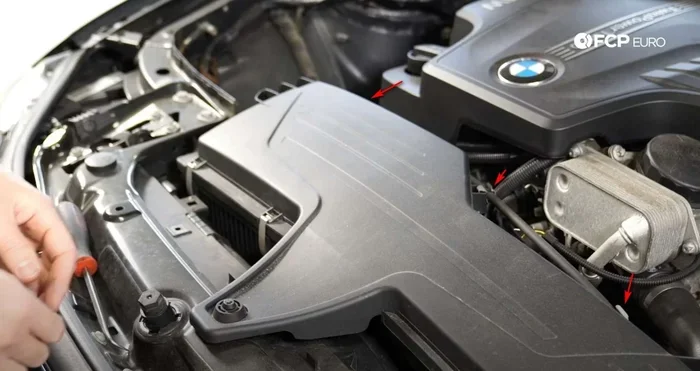
First, open the hood and locate the air filter box. On most BMW models, it sits on top of the engine. It is a black plastic box held by metal clips or screws. Use a screwdriver or wrench to remove the fasteners.
Next, lift off the filter box lid. You will see the old filter inside. Pull it out carefully and note which direction it sits. This matters because the new filter must go in the same orientation.
Now, clean out any debris inside the filter box. Use a soft cloth to wipe down the interior. Then place the new BMW micro filter in the box, matching the orientation. Replace the lid, secure the fasteners, and close the hood. That is it.
Step-by-Step Cabin Micro Filter Replacement
The cabin air filter is usually located behind the glove box or under the dashboard. On some BMW models, you need to remove the glove box to access it. On others, there is a panel behind the glove box that gives you access.
Once you find the filter housing, remove the cover. Pull out the old filter and slide in the new one. Make sure the airflow direction arrows on the filter match the airflow direction in your car. Replace the cover, put the glove box back, and you are done.
Quick Tips for a Smooth Replacement
- Always wear gloves when handling old filters. They can contain dirt and allergens.
- Keep your old filter until you confirm the new one fits correctly.
- Never drive without the filter installed. Unfiltered air damages your engine.
- Take a photo of the old filter orientation before removing it.
- Store spare filters in a dry, clean place until you need them.
Common Mistakes to Avoid When Buying a Micro Filter
Even experienced car owners make mistakes when buying filters. Here are the most common ones and how to avoid them.
Buying the Wrong Size or Model
This is the number one mistake. A filter that is too small will not seal properly. A filter that is too big may not fit at all. Always double-check the part number against your BMW model and year. Do not assume a filter that fits one BMW model will fit another.
Choosing Price Over Quality
It is tempting to grab the cheapest filter available. But a cheap filter often uses poor materials. It may tear easily or let particles pass through. Over time, this costs you more in engine repairs and reduced performance. Invest in a quality micro filter BMW from a trusted brand.
Ignoring the Cabin Filter
Many BMW owners focus only on the engine filter and forget about the cabin filter. This is a big mistake. The cabin filter affects the air you and your passengers breathe every day. A dirty cabin filter reduces airflow from the vents and allows allergens into the car.
Skipping Regular Replacement
Some owners replace their filter once and forget about it for years. But filters get dirty over time. A filter that has not been changed in 50,000 miles is doing your engine no favors. Stick to a regular replacement schedule and your BMW will thank you.
Not Checking for Authenticity
Counterfeit filters are a real problem, especially online. Some sellers pass off low-quality filters as premium brands. Buy from reputable dealers or authorized retailers. If the price seems too good to be true, it probably is.
Expert Insights and Final Recommendations
We asked several BMW specialists and mechanics for their top tips on choosing a micro filter. Here is what they had to say.
What the Pros Recommend
Most BMW specialists agree that OEM filters are a safe and reliable choice. They fit perfectly and meet BMW standards. However, many also recommend high-quality aftermarket filters for owners who want better filtration. Brands like Mann and Bosch are frequently cited as top aftermarket choices.
One mechanic shared this insight: “The cabin micro filter is just as important as the engine filter. Many BMW owners neglect it and wonder why the air inside their car smells stale or causes allergies.”
Our Top Picks by BMW Model
For BMW 3 Series owners, the Mann Filter C 27 016 is a popular choice. It offers excellent filtration and fits perfectly. For BMW 5 Series models, the Bosch 1 457 432 055 is highly rated. For X5 and SUV models, look for filters with a higher dirt-holding capacity since these vehicles see more airflow.
Final Thoughts on Choosing the Best Micro Filter
Choosing the right micro filter BMW setup comes down to three things. First, know your model and engine type. Second, pick a filter that matches your driving conditions. Third, choose a trusted brand with proven quality.
Do not overlook this small but vital part. A quality micro filter protects your engine, improves air quality, and keeps your BMW running the way it was designed to. Take the time to choose wisely, and your car will reward you with years of reliable performance.
Whether you prefer OEM or aftermarket, disposable or washable, the best filter is the one that fits your BMW and your lifestyle. Use the tips in this guide to make your decision with confidence. Your engine and your lungs will both thank you.
Conclusion
Picking the best micro filter BMW setup does not have to be complicated. With the right knowledge, you can choose a filter that protects your engine, improves cabin air quality, and fits your budget. Remember to check your model compatibility, consider your driving conditions, and replace your filter on schedule.
A good micro filter is one of the simplest ways to maintain your BMW. It is a small investment that pays off in engine performance, fuel efficiency, and driving comfort. Take action today, and give your BMW the protection it deserves.
Frequently Asked Questions
How often should I replace my BMW micro filter?
Most BMW micro filters need replacement every 15,000 to 30,000 miles. However, if you drive in dusty or polluted areas, you may need to replace it more often. Check your owner manual for the exact interval recommended for your model.
Can I use any aftermarket micro filter for my BMW?
Not all aftermarket filters fit every BMW model. Always check the part number and compatibility before purchasing. Look for filters from reputable brands like Mann, Bosch, or Mahle to ensure quality and proper fit.
What is the difference between a micro filter and a standard air filter?
A standard air filter catches larger particles like dust and debris. A micro filter captures much smaller particles, including pollen, bacteria, and fine exhaust soot. This makes micro filters far more effective at protecting both your engine and cabin air.
Do I need to replace both the engine and cabin micro filters?
Yes, both filters are important. The engine micro filter keeps debris out of your combustion chamber. The cabin micro filter keeps the air inside your car clean and fresh. Replace both on a regular schedule for the best results.
Are washable micro filters worth it for BMW vehicles?
Washable filters can save money over time and are eco-friendly. However, they require regular cleaning and maintenance. If you do not stay on top of cleaning, a dirty washable filter can hurt engine performance. For convenience, disposable filters are often a better choice.
Where can I buy a quality micro filter for my BMW?
You can buy micro filters from BMW dealerships, auto parts stores, or trusted online retailers. Always verify the part number matches your BMW model and year. Reading reviews from other BMW owners can also help you find the best option.