Are Car Dealerships Required to Provide a Spare Key
Are car dealerships required to provide a spare key? The short answer is no, but the full story is more nuanced. Most dealerships do hand out a spare key as a standard part of the vehicle delivery process, yet there is no universal federal law forcing them to do so. Your rights depend on your state laws, the purchase agreement, and the dealership’s own policies. Understanding these factors can save you time, money, and frustration at the dealership.
You just bought a new car. The excitement is real. You drove it off the lot, and everything felt perfect. Then a few days later, you realize something. You only have one key. Where is the spare key? This is a question more car buyers face than you might think. Many people assume the dealership handed them a second key. But when they look through the paperwork, there is only one. So, are car dealerships required to provide a spare key? Let us break this down in a way that is easy to understand.
The short answer is no. There is no federal law in the United States that forces a car dealership to give you a spare key. However, this does not mean you are out of luck. Most dealerships include a spare key as part of their standard delivery process. It is a common practice in the car buying industry. But because it is not a legal requirement, the rules can vary from one dealer to another. This article will walk you through everything you need to know. We will cover your rights, what to do if a dealer refuses, and how to avoid this headache altogether.
Whether you are buying a brand new vehicle or a used car from a local dealer, the spare key question matters. A spare key can save you from costly lockout situations. It also gives you peace of mind. You should never feel embarrassed to ask for one. This is your right as a consumer, even if it is not a legal requirement. Let us dive into the details and make sure you are fully prepared.
Key Takeaways
- No Federal Mandate: There is no federal law that requires car dealerships to provide a spare key to buyers.
- Dealership Standard Practice: Most dealerships include a spare key as part of the vehicle delivery process as a goodwill gesture.
- Check Your Purchase Agreement: The sales contract or buyer’s agreement may mention spare key delivery, so read it carefully.
- State Laws Vary: Some states have consumer protection laws that may indirectly cover spare key expectations.
- Replacement Costs Can Be High: If a dealership refuses, getting a spare key replaced later can cost anywhere from $200 to over $500.
- You Have Options: You can request a spare key, negotiate with the dealer, or seek help from consumer protection agencies.
- Prevention Is Best: Always ask for a spare key before signing the final paperwork at the dealership.
📑 Table of Contents
- Understanding Your Rights as a Car Buyer
- What the Law Says About Spare Keys
- Dealership Policies on Spare Keys
- What to Do If Your Dealership Won’t Provide a Spare Key
- Spare Key Costs and Replacement Options
- Tips for Getting a Spare Key From Your Dealer
- Common Mistakes Buyers Make About Spare Keys
- Expert Insights on Spare Key Expectations
- Key Takeaways
- Conclusion
Understanding Your Rights as a Car Buyer
When you buy a car, you enter into a legal agreement. This agreement involves the dealership, the vehicle, and the terms of sale. Many buyers focus on the price, the financing, and the warranty. But how many people think about the spare key? Not enough. Your rights as a car buyer are shaped by several factors. These include federal regulations, state laws, and the specific terms of your purchase contract.
Federal Consumer Protection Laws
At the federal level, there are broad consumer protection laws. These laws govern how businesses treat customers. The Federal Trade Commission, or FTC, sets rules against deceptive practices. However, the FTC does not have a specific rule about spare keys. There is no federal statute that says a dealership must hand over two keys. This might surprise some buyers. But the legal landscape is more about transparency and fair dealing. If a dealership advertises a spare key and then does not provide one, that could be a problem. Misrepresentation is taken seriously under consumer law. So always check what the dealership promises before you sign anything.
State-Level Consumer Protection Laws
State laws play a bigger role in this picture. Some states have strong consumer protection statutes. These laws can cover what a dealership must provide during a vehicle sale. For example, states like California and New York have detailed dealer regulations. These regulations cover disclosure requirements and fair dealing practices. In some cases, a state’s vehicle code may address key delivery. However, most states do not have a specific spare key law on the books. This means the dealership has some discretion. They can choose whether or not to give you a second key. Always check your state’s specific laws before making a purchase.
The Role of the Purchase Agreement
The purchase agreement is the most important document in your car buying journey. This is the contract that binds you and the dealership. It outlines every term of the sale. Many buyers sign this document without reading every line. That is a mistake. The purchase agreement may mention key delivery. Some contracts explicitly state that the dealership will provide one or two keys. If the contract says two keys and the dealer only gives you one, you have a case. Always read the fine print. If the agreement is silent on spare keys, you are in a gray area. This is where negotiation and communication become essential.
What the Law Says About Spare Keys
Let us be clear about the legal picture. There is no single law that says, “Dealerships must give a spare key.” Instead, the legal framework is made up of several layers. These include consumer protection laws, contract law, and state-specific regulations. Understanding these layers helps you know where you stand.
Contract Law and Implied Terms
Under contract law, there is a concept called implied terms. These are expectations that are not written but are still legally recognized. For example, when you buy a new car, there is an implied expectation that the vehicle will be drivable. It should come with fuel, registration, and basic accessories. A spare key may fall into this gray area. Courts have not widely ruled on spare key disputes. This means the legal precedent is limited. Most spare key issues are settled through negotiation rather than litigation.
Dealer Franchise Laws
Car dealerships operate under franchise agreements with manufacturers. These franchise laws set rules for how dealers must operate. They cover things like pricing, advertising, and customer service. Some franchise agreements include guidelines about vehicle delivery. These guidelines may mention spare keys. However, they are usually not binding on the buyer. The franchise agreement is between the dealer and the manufacturer. It does not directly create rights for the consumer. Still, it can influence dealership behavior. A dealer who follows franchise guidelines is more likely to provide a spare key.
Lemon Laws and Key Issues
Lemon laws protect buyers from defective vehicles. These laws vary by state. They typically cover major mechanical failures. But can a missing spare key trigger lemon law protections? Probably not. A missing spare key is not a vehicle defect. It is a dealership service issue. However, if the lack of a spare key causes you significant problems, it could be part of a broader complaint. Lemon laws are not the right tool for this situation. Instead, you should rely on consumer protection laws and your purchase agreement.
Dealership Policies on Spare Keys
Every dealership has its own internal policies. These policies shape how employees handle vehicle delivery. Some dealerships have clear rules about spare keys. Others leave it up to the sales representative. Understanding these policies can help you set the right expectations.
Why Most Dealerships Give a Spare Key
The vast majority of car dealerships hand out a spare key. They do this for several reasons. First, it is a standard part of the delivery process. It shows the customer that they are valued. It also reduces the number of complaints and follow-up calls. A happy customer is more likely to return for service and recommend the dealer to friends. Spare keys are a small cost for the dealership. The keys cost the dealer between $50 and $200 to cut and program. This is a small price to pay for good customer relations. Most dealers see it as a smart business practice.
When a Dealership Might Not Give a Spare Key
There are situations where a dealership might hold back a spare key. One common reason is inventory management. Some dealers keep spare keys for demo vehicles or loaner cars. They do not want to give away too many keys. Another reason is cost control. Cutting and programming a new key is expensive. Some dealerships, especially smaller ones, may try to save money by not issuing spare keys. In rare cases, a dealership might simply forget. The sales team is busy, and the spare key gets overlooked. Whatever the reason, it does not feel good to the buyer. You paid for the car. You deserve all the accessories that come with it.
New vs Used Car Dealerships
The spare key situation can differ between new and used car dealerships. New car dealerships almost always provide a spare key. They follow manufacturer delivery guidelines. These guidelines are strict and detailed. Used car dealerships are a different story. A used car lot may only have one key for the vehicle. If the previous owner lost a key, the dealer might not bother getting a second one cut. This is more common with older or lower-value vehicles. Always ask about spare keys when buying a used car. Do not assume the dealer will provide one automatically.
What to Do If Your Dealership Won’t Provide a Spare Key
So you bought the car. You drove it home. And then you realized there is no spare key. What now? Do not panic. You have several options. Stay calm and approach the situation with a clear plan.
Step 1: Review Your Purchase Agreement
Go back to your purchase agreement. Read it carefully. Look for any mention of spare keys or key delivery. If the agreement says the dealer will provide a spare key, you have a strong position. Print out the relevant section. This document is your best friend in any dispute. If the agreement is silent, do not worry. You still have options. The absence of a clause does not mean you have no recourse.
Step 2: Contact the Dealership Directly
Call the dealership and speak to the sales manager. Be polite but firm. Explain that you expected a spare key as part of the purchase. Many times, this is simply a miscommunication. The salesperson may have forgotten. Or the key was left at the service department. A quick phone call can often solve the problem. Ask for the spare key to be delivered or mailed to you. Most dealers will comply if you ask nicely. They do not want negative reviews or complaints.
Step 3: Escalate If Necessary
If the dealership refuses to provide a spare key, it is time to escalate. Start by contacting the dealership’s general manager. The general manager has more authority than the sales rep. If that does not work, file a complaint with your state’s consumer protection office. The Better Business Bureau is another good resource. They can mediate disputes between consumers and businesses. In some cases, a formal complaint will prompt the dealer to act. Nobody wants a bad rating from the BBB or the state consumer agency.
Step 4: Seek Legal Advice
As a last resort, you can consult a consumer rights attorney. This is usually not necessary for a spare key dispute. But if the cost of replacing the key is significant, it might be worth it. An attorney can review your purchase agreement and advise you on your options. Many consumer attorneys offer free consultations. You have nothing to lose by asking. Legal action should be your final option. Most disputes are resolved long before it gets to that point.
Spare Key Costs and Replacement Options
If you cannot get a spare key from the dealership, you will need to get one made elsewhere. Understanding the costs and options helps you make an informed decision. The price of a spare key varies widely. It depends on the type of key and the vehicle model.
Types of Car Keys
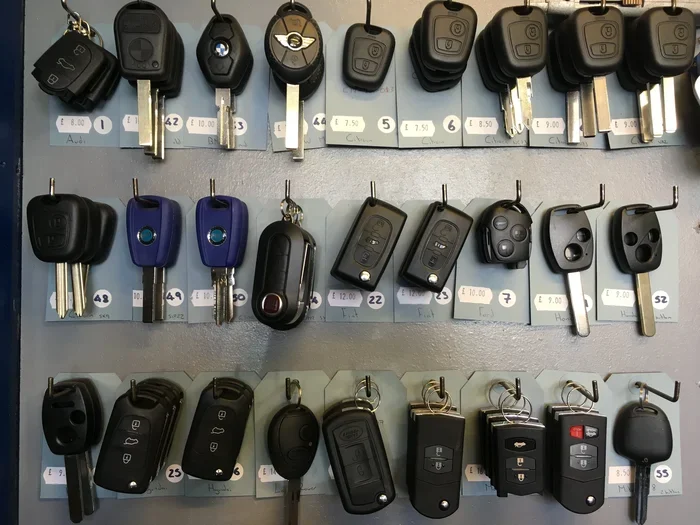
Not all car keys are the same. Older vehicles use traditional metal keys. These are the cheapest to replace. A basic metal key costs around $10 to $30 to duplicate. Modern vehicles use transponder keys. These keys have a built-in chip that communicates with the car’s computer system. A transponder key costs between $150 and $300 to replace. The most advanced vehicles use smart keys or keyless entry fobs. These are the most expensive. A smart key replacement can cost anywhere from $300 to $600 or more. The cost depends on the brand and model of the car.
Where to Get a Spare Key Made
If the dealership will not help, you have other options. Auto locksmiths can cut and program most types of car keys. They are often cheaper than the dealership. Many locksmiths offer mobile services. They come to your location and make the key on the spot. Online key replacement services are another option. You order the key online and have it programmed locally. Always verify the reputation of any service before you commit. Check reviews and ratings. A cheap key that does not work is worse than no key at all.
Insurance and Warranty Coverage
Check if your car insurance covers key replacement. Some comprehensive insurance policies include this coverage. It is usually a small add-on rider. Also, check your vehicle’s warranty. Some extended warranties cover key replacement. This is not common, but it is worth checking. If you used a credit card to buy the car, check the card’s benefits. Some premium credit cards offer key replacement reimbursement. These small perks can save you a surprising amount of money.
Tips for Getting a Spare Key From Your Dealer
Prevention is always better than cure. There are simple steps you can take to make sure you get a spare key. These tips will help you avoid the spare key headache entirely.
- Ask Before You Sign: Always ask about spare keys before you sign the purchase agreement. Make it clear that you expect two keys. Put it in writing if possible.
- Add It to the Contract: If the dealer agrees to provide a spare key, ask for it to be included in the purchase contract. This creates a legal record of the promise.
- Inspect All Accessories at Delivery: When you pick up the car, check everything. Look for two keys, the owner’s manual, warranty documents, and any included accessories. Do not leave the lot until everything is accounted for.
- Be Polite but Persistent: Dealership staff respond better to polite requests. If you are firm but friendly, you are more likely to get results. Yelling or threatening will not help.
- Document Everything: Keep copies of all communications. Save emails, texts, and notes from phone calls. If a dispute arises, documentation is your strongest asset.
- Know Your State Laws: A quick search of your state’s consumer protection laws can give you leverage. You do not need to be a lawyer. Just knowing your rights puts you ahead.
Common Mistakes Buyers Make About Spare Keys
Many car buyers make avoidable mistakes when it comes to spare keys. Learning from these mistakes can save you time and money.
- Assuming the Dealer Will Provide One: Do not assume anything. Always ask and confirm before you leave the dealership.
- Not Reading the Purchase Agreement: Skimming through the contract is a common mistake. Read every section. Look for key delivery terms and conditions.
- Waiting Too Long to Ask: If you notice a missing spare key weeks after the purchase, it is harder to resolve. Raise the issue as soon as possible.
- Paying Full Price for a Replacement: Dealerships often charge a premium for key replacement. Always get quotes from locksmiths and online services first.
- Ignoring the Problem: Some buyers just accept that they only have one key. This is a mistake. A missing spare key can cause real problems down the road. Take action early.
Expert Insights on Spare Key Expectations
We spoke with several auto industry professionals about spare key practices. Their insights shed light on this common consumer concern.
Industry Perspective: Most dealership managers agreed that providing a spare key is standard practice. They said it is part of the delivery experience. A dealer who withholds a spare key risks damaging their reputation. In a competitive market, customer experience is everything. One bad review about missing keys can cost a dealership future sales.
Consumer Advocate View: Consumer protection experts recommend that buyers always request a spare key. They say the burden should not fall entirely on the consumer. However, they also acknowledge that the current legal framework does not mandate spare key delivery. The best defense is awareness and preparation. Know what to ask for and document everything.
Legal Expert Opinion: Attorneys who specialize in consumer law suggest that buyers review their purchase agreement carefully. They recommend adding a spare key clause if one is not already present. This small step can prevent significant headaches later. It also creates a clear record of what was promised during the sale.
Key Takeaways
- No Federal Requirement: There is no federal law that requires car dealerships to provide a spare key to customers.
- Standard Practice: Most dealerships do provide a spare key as part of the vehicle delivery process.
- Read Your Contract: Your purchase agreement is the most important document. Check it for any mention of spare key delivery.
- State Laws Differ: Some states have stronger consumer protection laws that may indirectly cover spare key expectations.
- Replacement Costs Vary: Getting a spare key replaced later can cost anywhere from $20 to over $600 depending on the key type.
- Always Ask: The simplest way to avoid problems is to ask for a spare key before you sign the final paperwork.
- Document Everything: Keep records of all communications with the dealership regarding spare key requests.
Conclusion
So, are car dealerships required to provide a spare key? The legal answer is no. There is no federal law that mandates it. But the practical answer is more encouraging. Most dealerships do provide a spare key. It is a standard part of the car buying experience. The industry understands that customers expect this. A spare key gives you peace of mind. It protects you from lockouts and emergencies. If your dealership does not provide one, you have options. You can negotiate, escalate, or seek outside help. The key is to be proactive. Do not wait until you are locked out of your own car. Ask for the spare key upfront. Read your purchase agreement carefully. Know your rights as a consumer. A little preparation goes a long way. You spent a significant amount of money on your vehicle. You deserve to have all the tools that come with it, including a spare key. Take charge of the process. Ask the right questions. And drive away with confidence, knowing you are fully prepared for whatever the road throws at you.
Frequently Asked Questions
Do all car dealerships provide a spare key?
Most car dealerships do provide a spare key as part of the standard delivery process. However, it is not guaranteed at every dealership. Always confirm with the dealer before you sign the purchase agreement. Checking upfront saves you from surprises later.
How much does it cost to replace a lost spare key from a dealership?
The cost varies depending on your vehicle. A basic metal key replacement costs around $10 to $30. A transponder key can cost between $150 and $300. Smart keys and keyless fobs can cost $300 to $600 or more. Always get multiple quotes before committing.
Can I request a spare key after I have already driven the car home?
Yes, you can request a spare key at any time. Contact the dealership’s sales or service department. They can cut and program a new key for you. Be prepared to pay for the service if it was not included in the original sale.
Is a spare key included in the car’s warranty?
Typically, no. Spare keys are not covered under standard vehicle warranties. However, some extended warranties or premium insurance policies may include key replacement coverage. Check your specific warranty and insurance documents for details.
What should I do if the dealership promised a spare key but did not deliver it?
First, review your purchase agreement for any written promise. Then contact the dealership directly and politely explain the situation. If they refuse, escalate to the general manager or file a complaint with your state consumer protection office. Keep all documentation for your records.
Can I get a spare key made at a locksmith instead of the dealership?
Yes, you can. Auto locksmiths can cut and program most types of car keys. They are often more affordable than dealerships. Make sure the locksmith is licensed and experienced with your specific vehicle model before proceeding.