When Does a Toyota Corolla Hybrid Switch to Gas Power
When does a Toyota Corolla Hybrid switch to gas? The answer depends on your battery level, driving speed, and power demands. The Toyota Corolla Hybrid uses a smart hybrid powertrain that seamlessly alternates between electric and gas modes. Understanding these triggers helps you maximize fuel economy and get the best performance from your vehicle.
When does a Toyota Corolla Hybrid switch to gas? This is one of the most common questions asked by hybrid car buyers and current owners alike. The Toyota Corolla Hybrid uses a smart hybrid powertrain that seamlessly alternates between electric and gas power. Understanding exactly when this switch happens helps you maximize fuel economy and get the most out of your vehicle. In this guide, we break down the triggers, conditions, and driving habits that affect power mode changes.
The Toyota Corolla Hybrid is designed to use electric power first. The electric motor handles low-speed driving, light loads, and gentle acceleration. But there are clear moments when the gas engine takes over. Knowing these moments gives you better control over your fuel efficiency and overall driving experience.
The Toyota Corolla Hybrid uses a clever system called Toyota Hybrid Synergy Drive. This system combines an electric motor, a gas engine, and a power-split device to deliver smooth and efficient power. The battery pack stores energy recovered during driving. This energy is then used to power the electric motor when conditions allow.
The heart of the system is the Atkinson cycle engine. This type of engine is designed for maximum fuel efficiency rather than raw power. It works hand in hand with the electric motor to deliver the right amount of power at the right time. The hybrid system constantly monitors battery level, speed, and driver input to decide which power source to use.
When you start the car, the electric motor engages first. The gas engine stays off during startup and low-speed maneuvers. This is why the Corolla Hybrid can perform short trips entirely on electric power. The electric-only driving mode is perfect for neighborhood drives and short commutes.
When does a Toyota Corolla Hybrid switch to gas? Several factors determine this moment. The hybrid system is always working behind the scenes to balance power and efficiency. Here are the main triggers that cause the gas engine to engage.
The most common trigger is a low hybrid battery charge. When the battery level drops below a certain threshold, the gas engine kicks in to recharge it. This is a normal and expected behavior. The system prioritizes keeping the battery at an optimal level for electric assist.
High-speed driving is another major factor. When you reach highway speeds, the gas engine typically takes over. The electric motor alone cannot provide enough power for sustained high speeds efficiently. The gas engine provides the extra push needed for highway driving and passing.
Heavy acceleration also triggers gas engine engagement. If you press the pedal hard, the hybrid system combines both the electric motor and gas engine for maximum electric assist. This is called “power boost” mode. It gives you quick acceleration when you need it most.
Here is a quick comparison of common driving scenarios and when the gas engine typically engages:
| Driving Scenario | Electric Mode? | Gas Engine Engages? |
|---|---|---|
| Starting the car | Yes | No |
| Low-speed city driving | Yes | Rarely |
| Moderate acceleration | Yes | Sometimes |
| Highway cruising at 65+ mph | Sometimes | Yes |
| Hard acceleration or passing | Partial | Yes |
| Low battery state | No | Yes (to recharge) |
| Cold weather start | Limited | Yes (engine warm-up) |
| Uphill driving | Partial | Yes (extra power needed) |
This table gives you a general idea. Actual behavior may vary based on driving conditions and battery health.
Several driving conditions can trigger the gas engine to turn on. Understanding these helps you plan your trips better and save fuel.
City driving is where the Corolla Hybrid shines. Stop-and-go traffic is perfect for electric-only driving. The regenerative braking system recharges the battery every time you slow down. This means you can often drive through city streets without using any gas at all.
Highway driving is different. At steady speeds above 60 mph, the gas engine usually takes over. The electric motor is not as efficient at sustaining high speeds. The gas engine provides consistent power and recharges the battery at the same time.
Cold weather is another factor. In low temperatures, the hybrid system may use the gas engine to warm up the powertrain. The battery also becomes less efficient in cold conditions. This means you may see more gas engine usage during winter months.
Using accessories like air conditioning can also affect power mode. The AC system draws energy from the engine. In hot weather, you may notice the gas engine running more often to power the AC and recharge the battery simultaneously.
Quick Tips: To maximize electric mode, try these simple habits. Pre-cool your car while it is still plugged in if you have a charger. Use cruise control on highways for steady power use. Avoid sudden bursts of acceleration when possible. These small changes add up to big fuel savings over time.
The biggest mistake drivers make is aggressive acceleration. Flooring the pedal forces the gas engine to engage every time. Smooth, gradual acceleration keeps you in electric mode longer. It also reduces wear on the hybrid powertrain.
Another common mistake is ignoring the hybrid battery charge indicator. If you constantly drain the battery without giving it time to recharge, the gas engine will run more often. The system needs a healthy battery level to prioritize electric mode.
Overlooking tire pressure is a hidden issue. Underinflated tires create more rolling resistance. This forces the engine to work harder and use more fuel. Check your tire pressure regularly to keep the fuel efficiency at its best.
Common Mistakes: Here are three habits that keep the gas engine running more than needed. First, aggressive driving with hard braking and rapid acceleration. Second, ignoring the hybrid display that shows battery and power mode status. Third, carrying heavy loads on the roof rack, which increases drag and energy use.
Expert Insights: Hybrid engineers recommend a simple approach. Think of the Corolla Hybrid as a system, not just an engine. The electric motor and gas engine work together. Your job is to give them the best conditions to do so. Smooth driving, proper maintenance, and awareness of your surroundings all contribute to better fuel economy.
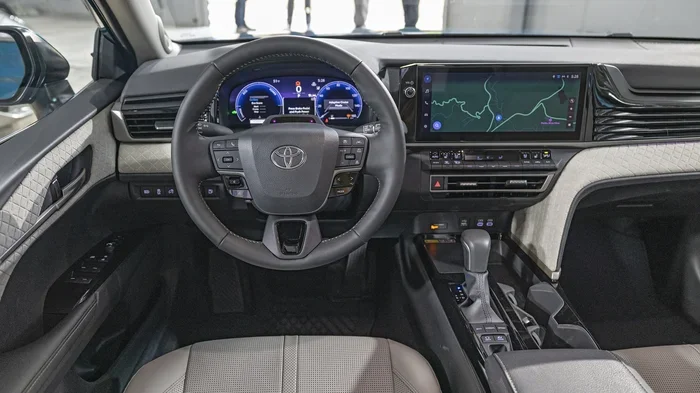
The best way to understand when your car switches modes is to watch the hybrid display. Most Corolla Hybrid models show a real-time power flow diagram. You can see when the electric motor is active and when the gas engine engages. This visual feedback helps you adjust your driving style.
Regenerative braking is one of the smartest features of the Toyota Corolla Hybrid. When you lift off the accelerator or press the brake, the electric motor reverses direction. It becomes a generator that converts kinetic energy back into electrical energy. This energy recharges the battery pack.
The more you use regenerative braking, the more electric-only driving you can enjoy. Light braking in city traffic keeps the battery topped up. This means fewer trips where the gas engine needs to kick in for recharging.
Quick Tips: Use the “B” mode on your transmission when driving downhill. This increases regenerative braking and helps recharge the battery. It also reduces wear on your brake pads. A simple shift that pays big dividends in fuel efficiency.
Keeping your hybrid system well-maintained is essential for optimal performance. Regular maintenance ensures the gas engine and electric motor work together smoothly. Here are a few habits that help your Corolla Hybrid last for years.
Follow the recommended maintenance schedule. This includes checking the hybrid battery health, inspecting the braking system, and changing engine oil at the right intervals. A well-maintained hybrid powertrain delivers better fuel economy and smoother power transitions.
Keep an eye on your miles per gallon readings. The Corolla Hybrid display shows real-time and average fuel economy. If you notice a drop, it may signal a problem. Early detection prevents bigger issues down the road.
Expert Insights: Long-time hybrid owners report that the Toyota Corolla Hybrid becomes more intuitive over time. You start to feel when the gas engine engages and when it stays off. This awareness naturally leads to smoother driving and better fuel savings. Many owners say they never want to go back to a traditional gas-only car.
The Toyota Corolla Hybrid is an excellent choice for drivers who want great fuel economy without sacrificing performance. Understanding when it switches to gas power gives you an edge. You can make informed decisions about your driving style and get the most from every tank of fuel.
The key is to work with the system, not against it. Smooth driving, proper maintenance, and awareness of your conditions all help the hybrid system do its job. The electric motor handles most of your daily driving. The gas engine steps in when needed, providing reliability and extra power.
When does a Toyota Corolla Hybrid switch to gas? The answer is not a single moment. It is a dynamic process that happens throughout every drive. The smart hybrid powertrain constantly evaluates conditions and makes split-second decisions. Your role is simple, drive smoothly and let the system work.
By following the tips in this guide, you can enjoy longer electric-only ranges and better overall fuel efficiency. The Toyota Corolla Hybrid is designed to be efficient, practical, and enjoyable. With a little knowledge and the right driving habits, you will get the most out of every mile.
Key Takeaways
- Electric-first design: The Corolla Hybrid starts in electric mode and uses the gas engine only when needed.
- Battery level matters: A low hybrid battery pack triggers gas engine engagement to recharge.
- Speed plays a role: Highway driving and high speeds typically cause the gas engine to kick in.
- Regenerative braking helps: Braking recharges the battery, extending electric-only driving range.
- Cold weather affects performance: Low temperatures can increase gas engine usage and reduce electric-only time.
- Gentle driving saves fuel: Smooth acceleration and steady speeds keep you in electric mode longer.
- Maintenance is key: Regular care keeps the hybrid system running efficiently for years.
Frequently Asked Questions
Can you drive a Toyota Corolla Hybrid on gas only?
Yes, you can. The Corolla Hybrid can run on the gas engine alone if the battery is low or if conditions demand it. However, the system is designed to use both power sources together for the best fuel economy. Driving on gas only all the time is not ideal and will reduce your overall efficiency.
Does the Corolla Hybrid charge the battery while driving?
Yes, it does. The regenerative braking system and the gas engine both help recharge the hybrid battery pack while you drive. This is one of the biggest advantages of a hybrid. You never need to plug it in for basic charging, though a plug-in option can extend electric-only range even further.
How long can you drive in electric-only mode?
It depends on your driving conditions. In city traffic at low speeds, you can drive several miles on electric power alone. At higher speeds or under heavy load, the gas engine engages sooner. Gentle driving and maintaining a healthy battery level help extend your electric-only driving range.
Is it bad to let the hybrid battery run low?
Occasionally is fine, but making a habit of it is not ideal. A consistently low battery forces the gas engine to run more often to recharge. This reduces your fuel efficiency and puts extra strain on the hybrid system. Try to keep the battery level in the healthy range for best performance.
Does the Corolla Hybrid switch to gas on the highway?
Yes, it usually does. Highway driving at speeds above 60 mph typically triggers the gas engine to engage. The electric motor is not as efficient at sustained high speeds. The gas engine provides steady power and also helps recharge the battery during highway cruising.
How often does the gas engine run in a Corolla Hybrid?
It varies based on your driving style and conditions. City drivers may use the gas engine less frequently than highway drivers. Cold weather, heavy loads, and aggressive driving all increase gas engine usage. On average, the hybrid system optimizes power use so the gas engine runs only when needed.
=== CONCLUSION ===
Understanding when does a Toyota Corolla Hybrid switch to gas gives you an advantage as a driver. The Toyota Corolla Hybrid is built with a smart hybrid powertrain that balances electric and gas power seamlessly. Your battery level, driving speed, acceleration habits, and weather conditions all play a role in this switch.
The key takeaway is simple, drive smoothly and let the system work for you. Use gentle acceleration, take advantage of regenerative braking, and keep your battery level healthy. These habits maximize your fuel economy and extend your electric-only driving range.
The Toyota Corolla Hybrid is a practical, efficient, and rewarding vehicle. Whether you commute through city traffic or cruise on the highway, the hybrid system adapts to your needs. With the knowledge you have gained from this guide, you are now equipped to get the most out of every drive. Apply these tips, watch your fuel efficiency improve, and enjoy the benefits of smart hybrid technology every time you hit the road.