How Much Battery Does It Take Just To Start Your Car
how much battery just starting car is an essential topic that provides valuable insights.
Key Takeaways
- Understanding how much battery just starting car: Provides essential knowledge
📑 Table of Contents
- How Much Battery Power Do You Really Need to Start a Car?
- What Happens Inside Your Car When You Turn the Key?
- Cold Weather and Battery Performance
- Common Reasons Your Car Battery Might Not Be Enough
- How to Test Your Battery’s Starting Power
- Tips to Keep Your Battery Strong for Starting
- How Long Does a Battery Last After a Jump Start?
- Key Takeaways
How Much Battery Power Do You Really Need to Start a Car?
The short answer is simpler than you might think. A standard car battery needs about 400 to 600 amps to turn over the engine and get it running. This happens in just a few seconds. But the full picture involves more than just amps.
When you turn your ignition, the starter motor draws a huge surge of power. This power creates the mechanical force needed to crank the engine. Once the engine starts, the alternator takes over and recharges the battery. The whole process depends on your battery being in good condition.
Voltage Matters More Than You Think
Most car batteries are rated at 12 volts. But here is the key detail. A healthy battery should read about 12.6 volts when the engine is off. When you start the car, voltage can drop temporarily to around 10 volts. If it drops below that, your car may not start.
Think of it like water pressure in a hose. If the pressure drops too low, nothing comes out. The same idea applies to your battery. Battery voltage for starting a car needs to stay above a critical threshold to work reliably.
What Are Cranking Amps and Why Do They Matter?
You have probably seen the term CCA on battery labels. CCA stands for Cold Cranking Amps. This measures how many amps a battery can deliver at 0 degrees Fahrenheit for 30 seconds without dropping below 7.2 volts.
Here is why CCA matters so much. Cold weather makes your engine oil thicker. A thicker engine is harder to turn over. That means your battery needs to work even harder in winter. A battery with low CCA may struggle or fail in cold conditions.
- Standard CCA rating: 400 to 800 amps for most passenger cars
- Cold weather CCA needs: Higher ratings for freezing climates
- Hot weather CCA needs: Lower ratings are usually fine
What Happens Inside Your Car When You Turn the Key?
Understanding the car starting process helps you appreciate what your battery goes through every time you start the engine. It is a quick but complex sequence of events.
Step 1: The Ignition Signal
When you turn the key or press the start button, an electrical signal travels from the ignition switch to the starter motor. This signal tells the battery to release its stored energy. The entire process begins in milliseconds.
Step 2: The Starter Motor Engages
The starter motor receives a large burst of electrical current from the battery. This current creates a magnetic field that spins the starter gear. The gear then meshes with the engine’s flywheel to begin turning the crankshaft.
Step 3: The Engine Fires Up
Once the crankshaft turns, the engine begins its combustion cycle. Fuel and air mix, spark plugs ignite, and the engine starts running. At this point, the alternator kicks in and begins recharging the battery. The whole sequence takes about three to five seconds.
The amount of energy needed to start a car depends on several factors. Engine size, temperature, and battery condition all play a role. A smaller engine needs less power. A larger engine needs more. This is why trucks and SUVs often require batteries with higher CCA ratings.
Cold Weather and Battery Performance
Cold weather is the number one enemy of car batteries. When temperatures drop, chemical reactions inside the battery slow down. This reduces the battery’s ability to deliver power quickly. Starting a car in cold weather demands more from the battery than any other condition.
How Cold Weather Affects Battery Power
At 32 degrees Fahrenheit, a battery loses about 35 percent of its strength. At 0 degrees Fahrenheit, it can lose up to 60 percent. This means a battery that works fine in summer might fail completely in winter.
This is where cold cranking amps become essential. A battery rated for high CCA will perform much better in freezing temperatures. If you live in a cold climate, choosing a battery with the right CCA rating is critical.
Tips for Cold Weather Battery Care
- Keep your battery fully charged during winter months
- Use a battery blanket or heater in extreme cold
- Have your battery tested before winter arrives
- Replace batteries older than three to five years
- Check terminals for corrosion and clean them regularly
Common Reasons Your Car Battery Might Not Be Enough
Even a new battery can fail to start your car if certain conditions are present. Understanding these common issues helps you avoid frustrating situations.
Parasitic Drain
Parasitic battery drain happens when electrical components draw power even when the car is off. Your clock, alarm system, and onboard computer all use small amounts of power. Normally, this is not a problem. But if a component malfunctions, the drain can be significant.
Over time, parasitic drain can weaken your battery enough to prevent starting. If your car sits unused for several days, the battery may not have enough charge left.
Old or Degraded Battery
Car batteries do not last forever. Most last between three and five years. As a battery ages, its capacity decreases. The plates inside wear down, and the chemical reaction becomes less efficient.
An old battery might still power your lights and radio. But it may not have the burst power needed to start the engine. This is why regular battery testing is so important, especially as your battery ages.
Faulty Alternator
The alternator recharges your battery while you drive. If the alternator fails, the battery takes over all the electrical load. This drains the battery quickly. A failing alternator can leave you stranded with a dead car battery even on a short trip.
Corroded Battery Terminals
Corrosion on battery terminals creates resistance in the electrical connection. This resistance reduces the amount of power that reaches the starter motor. Even a fully charged battery may fail to start if the terminals are badly corroded.
Cleaning terminals is a simple fix. A mixture of baking soda and water can dissolve corrosion. A wire brush makes quick work of it. This small maintenance step can save you from unexpected starting problems.
How to Test Your Battery’s Starting Power
Testing your battery is easier than most people think. You do not need to be a mechanic to get accurate results. A few simple tools can tell you everything you need to know.
Using a Multimeter
A multimeter measures voltage, which tells you the battery’s state of charge. Set your multimeter to DC voltage and touch the probes to the battery terminals.
- 12.6 volts or higher: Battery is fully charged
- 12.4 volts: Battery is about 75 percent charged
- 12.2 volts: Battery is about 50 percent charged
- Below 12.0 volts: Battery needs charging or replacement
Load Testing
A load test simulates the actual conditions of starting your car. It measures how well the battery performs under a heavy electrical load. Auto parts stores often offer free load testing. This is the best way to know if your battery has enough power to start your engine.
CCA Testing
Some advanced testers measure actual CCA output. This tells you how much cold cranking amps your battery can really deliver. If the reading is below the battery’s rated CCA, it is time to consider a replacement.
Tips to Keep Your Battery Strong for Starting
Taking care of your battery extends its life and ensures reliable starts. A few simple habits make a big difference.
Drive Your Car Regularly
Short trips do not give the alternator enough time to fully recharge the battery. If you only drive five to ten minutes at a time, the battery may never reach a full charge. Try to take longer drives when possible to keep the battery healthy.
Turn Off Accessories Before Starting
Headlights, radio, and heated seats all draw power. When you start the car, these accessories compete with the starter motor for power. Turning them off before starting reduces the load on the battery and helps ensure a strong start.
Keep the Battery Clean and Secure
A loose battery vibrates during driving. This can damage the internal plates and reduce performance. Make sure the battery is securely mounted. Also, keep the top of the battery clean and free of dirt and moisture.
Invest in a Battery Maintainer
If you have a car that sits unused for long periods, a battery maintainer is a smart investment. It keeps the battery at full charge without overcharging. This is especially helpful for seasonal vehicles or backup cars.
Know When to Replace
Even with perfect care, batteries eventually wear out. If your car is slow to crank or you notice dimming lights, these are signs of a weakening battery. Replacing it proactively saves you from being stranded.
How Long Does a Battery Last After a Jump Start?
A jump start can get your car running again, but it does not fully recharge the battery. The alternator only provides a partial charge during a short drive. For the battery to reach full capacity, you need to drive for at least 30 minutes.
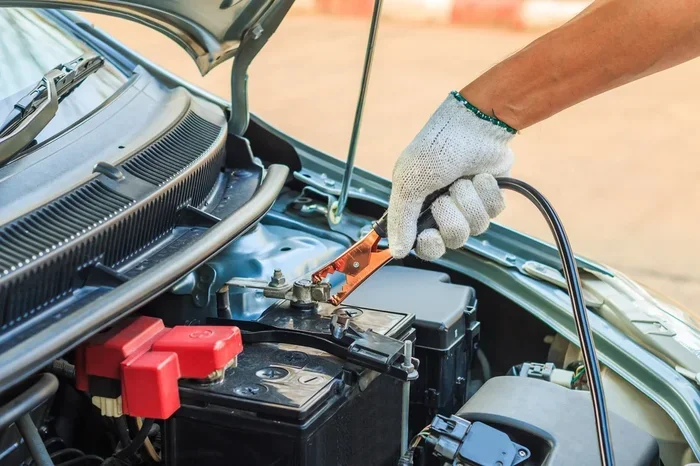
If your battery needed a jump start, have it tested as soon as possible. A battery that requires frequent jump starts is likely nearing the end of its life. Replacing a weak battery before it completely fails keeps you from getting stuck unexpectedly.
When to Replace vs. Recharge
Not every battery problem requires a replacement. If your battery simply drained from leaving lights on, a full recharge may restore it. But if the battery is old or has been deeply discharged multiple times, replacement is the safer choice.
A battery load test gives you a clear answer. If the battery cannot hold a charge under load, it is time for a new one. Investing in a quality replacement battery ensures reliable starting power for years to come.
Key Takeaways
- Starting your car requires 400 to 600 amps: This burst of power happens in just a few seconds and is the hardest task your battery faces.
- Voltage should stay above 10 volts during cranking: A healthy 12-volt battery maintains enough power to turn the engine over reliably.
- Cold Cranking Amps (CCA) are critical in winter: Cold weather reduces battery strength significantly, so higher CCA ratings matter in freezing climates.
- Parasitic drain and corrosion are common culprits: These issues can weaken even a relatively new battery and prevent starting.
- Regular testing keeps you ahead of problems: Using a multimeter or getting a load test helps you catch weak batteries before they fail.
- Simple habits extend battery life: Driving regularly, turning off accessories before starting, and keeping terminals clean all help maintain strong starting power.
- Replace batteries every three to five years: Even well-maintained batteries degrade over time and lose their ability to deliver the power needed to start your car.
Frequently Asked Questions
How many amps does it take to start a car?
Most cars need between 400 and 600 amps to start. The exact number depends on engine size, temperature, and battery condition. Smaller engines need less power, while larger engines require more.
What voltage is needed to start a car?
A healthy battery should read at least 12.6 volts when the engine is off. During cranking, voltage can drop to around 10 volts. If it drops below that, your car may not start reliably.
Can a low battery still start a car?
Yes, a partially charged battery can sometimes start a car. But it will struggle, especially in cold weather. A low battery also puts extra stress on the alternator and starter motor, which can cause further damage over time.
How do I know if my battery has enough CCA?
Check the CCA rating on your battery label. Compare it to the recommended rating for your vehicle. You can also get a CCA test done at most auto parts stores. If the actual output is below the rated CCA, the battery needs replacement.
Does cold weather really kill car batteries?
Cold weather does not kill batteries directly, but it does reduce their ability to deliver power. At freezing temperatures, a battery can lose up to 60 percent of its strength. This makes starting much harder and increases the risk of failure.
How long should a car battery last?
Most car batteries last between three and five years. Driving habits, climate, and maintenance all affect battery life. Regular testing helps you know when it is time for a replacement before you are left stranded.
=== CONCLUSION ===
How much battery just starting car requires is a fascinating topic that every driver should understand. Your battery delivers a powerful burst of energy every time you start the engine. This burst demands between 400 and 600 amps and relies on healthy voltage and strong CCA ratings.
Cold weather, old batteries, corroded terminals, and parasitic drain can all reduce your starting power. Regular testing and simple maintenance habits go a long way in keeping your battery reliable. Understanding battery power for starting your car empowers you to make smart decisions about maintenance and replacement.
Take a few minutes to check your battery today. Test its voltage, inspect the terminals, and know its age. These small steps can save you from the hassle of a dead battery on a busy morning. Your car works hard for you every day. Giving it a healthy battery is the least you can do to keep it running strong.