How Often Should You Use a Quick Detailer for Best Results
Using a quick detailer between washes keeps your car looking fresh without a full detailing session. You should apply it every 1–2 weeks for daily-driven vehicles, or monthly for garage-kept cars. This guide covers the ideal frequency, technique, and mistakes to avoid for best results.
A quick detailer is one of the most versatile tools in any car enthusiast’s kit. It delivers instant gloss, removes light dust, and adds a layer of paint protection without the effort of a full wash. Yet many owners wonder how often they should reach for the bottle. Using it too little leaves the car looking dull, while overusing it can build up residue and attract more dirt.
This guide breaks down the ideal frequency for every driving situation. You will learn how your daily habits, weather, and existing paint protection change the equation. I will share step-by-step application tips, common mistakes, and a simple comparison of the quick detailer versus other popular products. By the end, you will know exactly when and how to use a quick detailer for a showroom shine all year long.
Whether you drive to work every day or keep your car garaged, the right routine makes a huge difference. Let us explore the best schedule for your vehicle.
Key Takeaways
- Use it every 1–2 weeks: Daily drivers benefit from a quick detailer application every one to two weeks to maintain gloss and remove light dust.
- Match frequency to your environment: Cars parked outdoors or driven in rainy, dusty conditions need more frequent applications than garage-kept vehicles.
- Always pre-rinse first: Never apply a quick detailer to a dirty surface; rinse off loose grit to avoid swirl marks.
- Less is more: Overapplying leaves residue and streaks. A light mist on a clean microfiber towel works best.
- It complements, not replaces, a wash: A quick detailer is a maintenance tool, not a substitute for a proper wash with a wash mitt and pH-neutral soap.
- Check your existing protection: Cars with ceramic coatings or wax may need less frequent use because the hydrophobic layer repels dirt longer.
📑 Table of Contents
- What Is a Quick Detailer and Why It Matters
- How Often Should You Use a Quick Detailer for Best Results
- Factors That Determine Your Ideal Usage Frequency
- Step-by-Step Guide to Using a Quick Detailer Correctly
- Common Mistakes That Ruin Your Results
- Quick Detailer vs. Other Products: When to Use What
- Conclusion: Make the Quick Detailer Part of Your Routine
What Is a Quick Detailer and Why It Matters
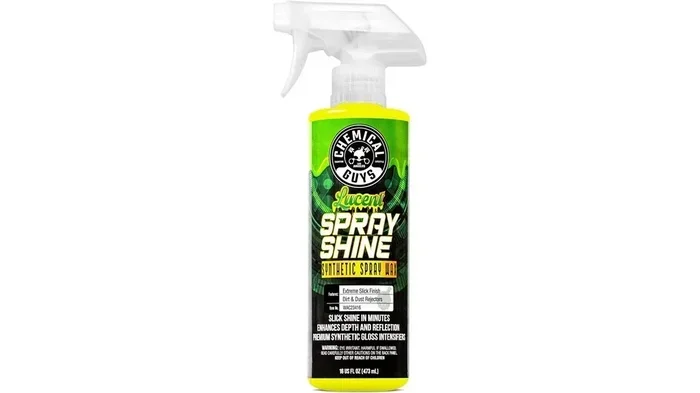
A quick detailer, also called a detailing spray, is a lightweight spray formula designed to refresh your car’s paint between washes. It contains lubricants and polymers that fill in minor swirl marks and create a slick, hydrophobic surface. Unlike a full wash that removes bonded contaminants, a quick detailer lifts loose dust and adds gloss instantly.
How It Works on Your Car’s Paint
When you spray a quick detailer onto the paint, the solution embeds itself into the top layer of the clear coat. The polymers bond temporarily, creating a smooth, water-repellent surface. This is why rain beads off so beautifully after application. The lubrication also allows a microfiber towel to glide over the paint, trapping dirt without scratching.
Why It Is Different from a Full Wash
A maintenance wash uses a wash mitt, pH-neutral soap, and a two-bucket method to remove dirt and grime. A quick detailer does not strip away oxidation or embedded contaminants. It is a cosmetic enhancement tool, not a cleaning solution. Think of it as a moisturizer for your car’s paint, while a wash is the deep cleanse.
How Often Should You Use a Quick Detailer for Best Results
The short answer is every one to two weeks for most cars. But the perfect interval depends on how and where you drive. Let us look at the different scenarios so you can find your ideal rhythm.
The General Rule of Thumb
For a car driven daily on public roads, a quick detailer application every seven to fourteen days keeps the paint looking fresh. This frequency removes the fine dust that settles overnight and restores the hydrophobic layer. If your car starts to look dull by day three, you may need to shorten the interval.
Weekly vs. Monthly Use
Weekly use is ideal for cars that sit outside or are driven on unpaved roads. Monthly use works well for garage-kept vehicles that are only driven on clean highways. Here is a simple breakdown:
- Daily driver, outdoor parking: Every 5–7 days
- Daily driver, garage parking: Every 10–14 days
- Weekend cruiser, garage kept: Once a month
- Show car or collector: Before every outing
Seasonal Considerations
Spring and fall bring pollen and tree sap, which can dull the paint faster. In summer, UV rays and heat bake dust onto the surface. Winter introduces road salt and grime. During these high-exposure seasons, you might need to use a quick detailer every five days instead of every two weeks. Adjust your schedule with the weather.
Factors That Determine Your Ideal Usage Frequency
Not all cars are the same. Several factors influence how quickly your paint loses its protection and shine. Understanding these helps you tailor the schedule.
Daily Driving Exposure
If your commute takes you through construction zones, under trees, or near industrial areas, your car collects more contaminants. A quick detailer can neutralize the early signs of fallout before they etch into the paint. The more exposed you are, the more often you should apply it.
Garage-Kept vs. Street-Parked
A car parked in a climate-controlled garage stays cleaner longer. Dust and moisture settle on outdoor cars overnight. If you park outside, consider a weekly quick detailer session. Indoor cars can stretch to three weeks between applications.
Weather and Seasonal Factors
Rain leaves water spots that a quick detailer can help prevent. High humidity slows drying and invites mineral deposits. Dry, dusty climates create a film that dulls the paint fast. In any extreme weather, shorten the interval between uses.
Existing Paint Protection
A car with a fresh ceramic coating or a quality wax layer repels dirt much better. The hydrophobic barrier means dust slides off easily. If you have a ceramic coating, you might only need a quick detailer once a month for maintenance. A car with no protection will benefit from bi-weekly applications.
Quick Tips for Finding Your Sweet Spot
Start with a two-week schedule. After that, inspect the paint under bright light. If you see a dull film or water no longer beads, it is time for another application. Keep a log of your detailing sessions to track what works best for your car.
Step-by-Step Guide to Using a Quick Detailer Correctly
Even the best product can cause damage if applied wrong. Follow these steps to get a flawless, streak-free finish every time.
What You Will Need
- A high-quality quick detailer spray
- Two clean microfiber towels (one for wiping, one for buffing)
- A spray bottle if you prefer to dilute
- A foam cannon or rinseless wash solution if you are doing a light clean first
The Proper Application Method
Start by rinsing the car with water to remove loose dirt. Never spray a quick detailer on a dusty surface. The grit will act like sandpaper and create swirl marks. Once the paint is damp but not dripping, spray the product onto a microfiber towel, not directly onto the paint. Wipe in straight lines, following the panel edges. Then flip the towel to a clean side and buff the surface to a high gloss.
Quick Tips for Flawless Results
- Work in the shade to prevent the product from drying too fast.
- Use a separate towel for each panel to avoid reintroducing dirt.
- Apply light pressure; the lubricant does the work.
- For extra protection, use a quick detailer that contains SiO2 or carnauba wax.
Comparison Table: Quick Detailer vs. Other Maintenance Tools
| Product | Best For | Frequency | Level of Protection |
|---|---|---|---|
| Quick Detailer | Dust removal, gloss boost, light water spot prevention | Every 1–2 weeks | Low to medium |
| Spray Wax | Adding a sacrificial layer of gloss | Every 2–4 weeks | Medium |
| Rinseless Wash | Light cleaning when water is scarce | Every 1–2 weeks | Low (cleans and protects) |
| Ceramic Coating Boost | Replenishing hydrophobic top-up | Every 1–3 months | High |
Common Mistakes That Ruin Your Results
Avoiding these errors will save you from swirl marks, streaks, and wasted product.
Applying It to a Dirty Car
The most common mistake is spraying a quick detailer on a car that has not been rinsed. Even a thin layer of dust creates abrasive contact. Always rinse or use a rinseless wash first.
Using the Wrong Towel
A plush, plush microfiber towel is essential. Avoid old t-shirts or abrasive chamois. The towel must be clean and free of grit. Wash your microfiber towels after every use with a pH-neutral detergent.
Overapplying the Product
More is not better. A heavy spray leaves a sticky residue that attracts dust. Use two to three sprays per panel, then wipe with a clean towel. Less product means a cleaner, glossier finish.
Ignoring Water Spots
If water spots have already formed, a quick detailer alone will not remove them. You need a dedicated water spot remover or a light clay bar treatment first. Using a quick detailer on etched spots can make them more visible.
Expert Insight from Professional Detailers
Many professional detailers recommend the “towel method” for a reason. Spray the product onto the towel, not the car. This gives you control over how much product touches the paint. It also prevents overspray on plastic trim and glass. If you follow this simple habit, your quick detailer will last longer and deliver better results.
Quick Detailer vs. Other Products: When to Use What
A quick detailer is not the only option for maintaining your car’s appearance. Knowing when to use each product saves time and money.
Quick Detailer vs. Spray Wax
A spray wax adds a thicker layer of gloss and sacrificial protection. It is ideal for a car that needs a cosmetic upgrade before a weekend event. A quick detailer is better for everyday maintenance because it is lighter and does not build up. Use a spray wax once a month, and a quick detailer in between.
Quick Detailer vs. Rinseless Wash
A rinseless wash actually cleans the paint by suspending dirt in a lubricating solution. A quick detailer does not clean; it only refreshes. If your car has visible mud or bird droppings, use a rinseless wash first, then follow up with a quick detailer for shine.
Quick Detailer vs. Ceramic Coating Maintenance
A ceramic coating provides months of protection. A quick detailer designed for ceramic coatings can top up the hydrophobic layer without damaging the underlying cure. Never use a quick detailer that contains solvents or silicones on a fresh ceramic coating, as it can degrade the bond.
Conclusion: Make the Quick Detailer Part of Your Routine
A quick detailer is the fastest way to bring back your car’s shine between washes. For most owners, applying it every one to two weeks is the sweet spot. Adjust the frequency based on your parking situation, driving environment, and existing paint protection. Always rinse first, use a clean microfiber towel, and apply light, even passes.
By avoiding the common mistakes of overapplication and dirty surfaces, you will keep your paint safe and glossy for years. The quick detailer is not a replacement for a proper wash; it is the perfect complement. Start your routine today, and you will notice the difference the next time you walk up to your car.
Keep a bottle in your garage or trunk, and make it a habit. Your car will thank you with a mirror-like finish that turns heads.
Frequently Asked Questions
Can I use a quick detailer on a car that has not been washed in a month?
No. A quick detailer is not a cleaner. If you have not washed the car in a month, there is likely a layer of bonded dirt and grime. Rinse the car thoroughly or perform a rinseless wash first. Applying a detailing spray on a dirty surface will only smear the contaminants and create swirl marks.
Will a quick detailer replace my wax or ceramic coating?
No. A quick detailer adds a temporary layer of gloss and mild protection. It does not replace the long-lasting barrier of a wax or ceramic coating. Think of it as a top-up that refreshes the existing protection and fills in minor swirl marks between full applications.
How much product should I use per panel?
Use two to three light sprays per panel, or spray onto your microfiber towel first. Overapplying leaves a sticky residue that attracts dust. A little goes a long way, especially with high-quality products that are formulated to be economical.
Can I use a quick detailer on hot paint in direct sunlight?
It is best to avoid it. Heat causes the product to dry too quickly, leaving streaks and residue. Work in a shaded area or in a garage. If you must detail in the sun, work on one small section at a time and buff immediately.
Is a quick detailer safe on matte or satin finishes?
Only if the product is labeled safe for matte finishes. Standard quick detailers contain gloss-enhancing polymers that can darken or alter the texture of a matte paint. Always check the label and test on a hidden area first.
What is the difference between a quick detailer and a quick coat?
A quick coat is a more heavy-duty product that often contains stronger polymers or SiO2 for added protection and hydrophobicity. A quick detailer is lighter, designed for frequent use and simple dust removal. Use a quick coat when you want a more robust barrier, and a detailing spray for everyday refresh.