Can You Use Soapy Water Instead of Clay Lubricant at All
Yes, you can use soapy water instead of clay lubricant in a pinch, but it is not ideal for regular use. Soapy water lacks the slickness and protection that proper clay lubricant provides, which can lead to paint damage if you are not careful. This guide covers everything you need to know about soapy water as a clay lubricant substitute and what works best for your car detailing routine.
You are knee-deep in a car detailing session. The clay bar is in your hand, and you are ready to decontaminate the paint. Then it hits you. You forgot the clay lubricant. Panic sets in. You glance at the bucket of soapy water nearby and wonder, “Can I just use that?”
This is a question that comes up often in auto detailing forums and Facebook groups. People get caught mid-job all the time. The good news is that soapy water can work in a pinch. The bad news is that it is not a great long-term solution. Let us dive deep into this topic and cover everything you need to know.
Whether you are a weekend warrior or a seasoned detailer, understanding how lubricants work with detailing clay is essential. Your paint surface is delicate, and using the wrong lubricant can cause real damage. So let us get into it.
Key Takeaways
- Soapy water works in emergencies: It can help you glide a clay bar over paint when you have no other option.
- It lacks lubrication quality: Soapy water does not provide the same slick surface as a dedicated clay lubricant spray.
- Risk of paint damage: Without proper lubrication, you may create swirl marks or mar the paint surface.
- Better alternatives exist: Products like quick detailers and dedicated clay lubes work far better.
- Technique matters: How you use soapy water makes a big difference in the outcome.
- Regular use is not recommended: Stick to proper detailing clay lubricants for best results.
- Know your paint type: Some paint finishes are more sensitive and need proper lubrication.
📑 Table of Contents
- What Is a Clay Lubricant and Why Does It Matter?
- Can You Use Soapy Water Instead of Clay Lubricant?
- How to Use Soapy Water Safely for Claying
- Better Alternatives to Soapy Water
- Common Mistakes When Using Soapy Water for Claying
- Expert Insights on Clay Lubricant Substitutes
- Key Takeaways
- Frequently Asked Questions
- Conclusion
What Is a Clay Lubricant and Why Does It Matter?
Before we talk about soapy water, let us understand what a clay lubricant actually does. When you run a clay bar or clay mitt over your car’s paint, it picks up bonded contaminants. These include things like industrial fallout, tar spots, and overspray. The lubricant creates a slippery barrier between the clay and the paint.
This barrier is critical. Without it, the clay would drag across the surface and create scratches. Think of it like this. You would not rub sandpaper on your car bare-handed. The lubricant is the protective layer that keeps everything safe.
A proper clay lubricant spray is designed to be slick and gentle. It allows the clay to glide smoothly. It also helps the clay pick up contaminants more effectively. Most detailing clay kits come with a recommended lubricant for a reason. The manufacturer tested it. They know it works with their product.
How Does Soapy Water Compare?
Soapy water is not designed for this purpose. It has some lubricating properties, but they are limited. Regular car wash soap creates suds and helps lift dirt. That is its job. But when you use it as a clay lubricant substitute, the results are mixed at best.
Soapy water can work for light contamination. If your car just needs a basic surface decontamination, it might get the job done. But for heavy fallout or stubborn tar, soapy water falls short. The lack of slickness means more friction. More friction means more risk to your paint.
Can You Use Soapy Water Instead of Clay Lubricant?
The short answer is yes. The longer answer is, it depends. Let us break this down so you know exactly what you are getting into.
Using soapy water as a clay lubricant alternative is possible. But you need to understand the trade-offs. Here is what happens when you swap out a proper lubricant for soapy water.
First, the reduced slickness means you have to apply more pressure. More pressure equals more chance of marring the paint. Second, soapy water dries faster than dedicated lubricants. A fast-drying surface creates more friction as you work. Third, soap residue can build up on the paint. This residue can interfere with the clay bar technique and leave a filmy layer behind.
That said, if you are in a bind, soapy water will not destroy your car. Just be gentle. Use light pressure and keep the surface wet. Work in small sections and dry each area quickly after claying.
When Soapy Water Makes Sense
There are a few situations where using soapy water makes sense:
- Emergency situations: You are mid-detailing and ran out of lubricant.
- Light contamination: The paint only needs a basic pass with the clay.
- Budget constraints: You do not have a dedicated clay lubricant on hand.
- Quick touch-ups: You just need to remove a few small spots of contamination.
In these cases, soapy water is a reasonable option. Just do not make it a habit.
When You Should NOT Use Soapy Water
There are also times when soapy water is a bad idea:
- Heavy contamination: If the paint has a lot of embedded fallout or tar, you need proper lubrication.
- Soft or single-stage paint: Older paint finishes are more vulnerable to scratches.
- Ceramic coated or wrapped surfaces: These surfaces need specific care and proper lubricants.
- Valuable or classic cars: If the paint is irreplaceable, use only the best products.
In these scenarios, a proper clay lubricant is a must. Do not risk your paint for a shortcut.
How to Use Soapy Water Safely for Claying
If you have decided to go ahead with soapy water, there is a right way and a wrong way to do it. Here is a step-by-step guide to minimize risk.
Step 1: Use the Right Soap. Not all soaps are created equal. Use a mild car wash soap that is pH-neutral. Avoid harsh dish soaps. Dish soap strips wax and sealants. It can also dry out the paint over time. A good automotive soap will be gentle and safe for your finish.
Step 2: Mix It Properly. Do not make the solution too sudsy. A light lather is all you need. Too many bubbles can actually reduce the lubrication. Mix just enough soap to create a thin, slippery solution.
Step 3: Keep the Surface Wet. This is the most important rule. Never let the clay drag across a dry surface. Reapply the soapy water frequently. Work in small sections, about 2 feet by 2 feet. This keeps the area manageable and wet.
Step 4: Use Light Pressure. Let the clay do the work. Do not press hard. If you feel resistance, add more soapy water. The clay should glide effortlessly across the paint.
Step 5: Wipe and Dry Each Section. After claying a section, wipe it down with a microfiber towel. Remove all soap residue. Then dry it thoroughly. This prevents water spots and soap buildup.
Quick Tips for Using Soapy Water
- Use warm water. It helps the soap dissolve better and creates a slicker solution.
- Keep extra towels handy. You will need them to wipe and dry each section.
- Check the clay frequently. Soap residue can build up on the clay and reduce its effectiveness.
- Rinse the clay often. Clean it in a bucket of plain water to remove trapped contaminants.
- Work in the shade. Direct sunlight can cause the soapy water to dry too quickly.
Better Alternatives to Soapy Water
If soapy water is not ideal, what should you use instead? There are several clay lubricant alternatives that work better and are easy to find.
Quick Detailers
A quick detailer spray is one of the best substitutes for a dedicated clay lubricant. Quick detailers are designed to be slick and safe for paint. They provide excellent lubrication for claying. Many detailers use quick detailers as their go-to clay lubricant. Products like Meguiar’s Quick Detailer or Chemical Guys Speed Wipe work great for this purpose.
Dedicated Clay Lubricants
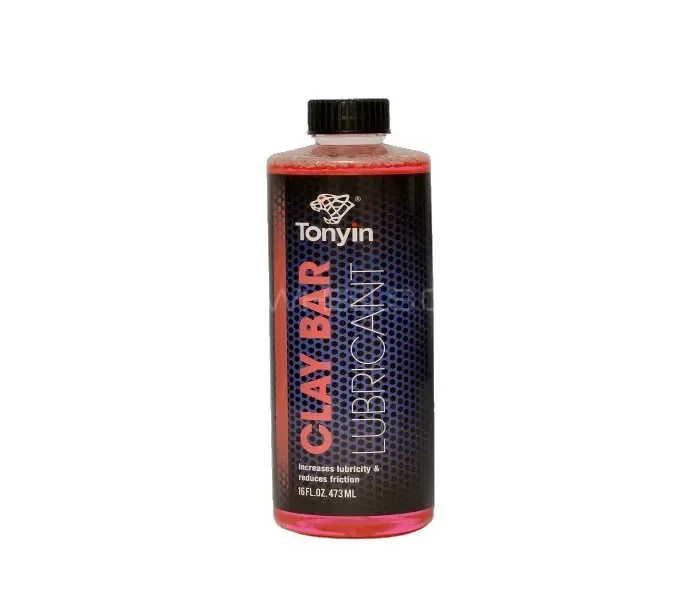
Of course, the best option is always a dedicated clay lubricant spray. These products are specifically formulated for use with detailing clay. They provide the perfect amount of slickness. They also contain ingredients that protect the paint during the claying process. Brands like Mothers, Poorboy’s, and Gyeon all make excellent options.
DIY Clay Lubricant Recipes
Some car enthusiasts like to make their own clay lubricant at home. A popular DIY recipe is a mix of water and a few drops of baby shampoo. This creates a gentle, slippery solution that works well for claying. Another option is mixing water with a quick detailer. These homemade options are cheaper than store-bought lubricants and work surprisingly well.
Comparison Table: Soapy Water vs Other Lubricants
Here is a quick comparison of common clay lubricant options:
| Lubricant Type | Slickness | Paint Safety | Cost | Best For |
|---|---|---|---|---|
| Soapy Water | Low | Moderate | Very Low | Emergency use only |
| Quick Detailer | High | High | Low to Medium | Regular claying |
| Dedicated Clay Lube | Very High | Very High | Medium | Professional results |
| DIY Baby Shampoo Mix | Medium | High | Very Low | Budget-friendly option |
| Water Only | Very Low | Low | Free | Not recommended |
As you can see, soapy water ranks low on the list. It is better than nothing, but it is not the best choice for your paint.
Common Mistakes When Using Soapy Water for Claying
Even with the best intentions, people make mistakes when using soapy water for clay bar treatment. Here are the most common ones to avoid.
Mistake 1: Using Too Much Pressure. Soapy water does not provide the same glide as a proper lubricant. This tempts people to press harder. Pressing harder is the fastest way to create swirl marks and mar the paint. Keep your pressure light and let the product do the work.
Mistake 2: Letting the Surface Dry. Soapy water evaporates faster than dedicated lubricants. If the surface dries while you are working, you risk scratching the paint. Keep reapplying and never let the area dry out.
Mistake 3: Using the Wrong Soap. Not all soaps are safe for paint. Abrasive dish soaps or soaps with degreasers can strip wax and damage the finish. Stick to a gentle pH-neutral car wash soap.
Mistake 4: Skipping the Rinse After Claying. Soap residue left on the paint can cause problems later. It can interfere with wax application or sealant bonding. Always rinse and dry thoroughly after claying.
Mistake 5: Reusing Dirty Soapy Water. As you clay, contaminants get washed into the water. If you keep using the same dirty water, you are essentially rubbing grime back onto the paint. Use clean soapy water and change it frequently.
Expert Insights on Clay Lubricant Substitutes
We spoke with several professional auto detailers about their thoughts on using soapy water for claying. Here is what they had to say.
Most professionals agree that soapy water is a last resort. “I only use soapy water if a customer is in a pinch and I have nothing else,” says one experienced detailer. “I am very gentle, and I make sure to rinse and dry thoroughly afterward.”
Another expert adds, “The real issue is not just lubrication. It is about the additives in a proper clay lubricant. Those products contain polymers and lubricants that protect the paint. Soapy water just does not have that.”
The consensus among professionals is clear. Soapy water works in an emergency. But for regular paint correction and surface decontamination, always use a proper lubricant. Your paint will thank you for it.
Key Takeaways
- Soapy water can work in a pinch: It provides some lubrication for clay bar treatment when you have no other option.
- It is not ideal for regular use: The lack of slickness increases the risk of paint marring and swirl marks.
- Quick detailers are a better substitute: They provide far better lubrication and are safe for all paint types.
- Always use light pressure: This is even more important when using soapy water as a clay lubricant alternative.
- Keep the surface wet: Never let soapy water dry on the paint while claying.
- Use the right soap: A mild, pH-neutral automotive soap is the safest choice for soapy water claying.
- Invest in a proper lubricant: A dedicated clay lubricant spray is inexpensive and gives the best results for car detailing.
Frequently Asked Questions
Can soapy water damage my car paint during claying?
Soapy water itself will not damage paint if used correctly. The risk comes from the lack of proper lubrication. Without enough slickness, the clay can drag and create swirl marks. Use light pressure, keep the surface wet, and rinse thoroughly afterward to avoid any issues.
What is the best homemade clay lubricant?
A mix of water and a few drops of baby shampoo is one of the best homemade options. Another popular choice is diluting a quick detailer with water. Both options provide better lubrication than plain soapy water and are safe for your paint surface.
Can I use dish soap and water for clay lubricant?
It is not recommended. Most dish soaps are too harsh for automotive paint. They can strip wax, dry out the finish, and leave residue. If you must use soap, stick to a mild, pH-neutral car wash soap designed for automotive use.
How often should I clay my car?
Most car detailers recommend claying 1 to 2 times per year. If you regularly park outdoors or in areas with heavy contamination, you may need to clay more often. Always use a proper lubricant to protect the paint during each session.
Will soapy water work for a clay mitt instead of a clay bar?
Yes, soapy water can work with a clay mitt just as it would with a clay bar. The same rules apply. Keep the surface wet, use light pressure, and rinse the mitt frequently. A clay mitt is actually more forgiving than a clay bar, so soapy water is a slightly safer option with it.
What happens if I clay without any lubricant at all?
Claying without lubricant is one of the worst things you can do for your paint. Dry claying creates friction, heat, and micro-scratches. It can permanently damage the clear coat. Always use a lubricant, whether it is a dedicated product, a quick detailer, or soapy water in an emergency.
Conclusion
So, can you use soapy water instead of clay lubricant? Yes, you can. But should you? In most cases, no. Soapy water is a viable emergency option when you are stuck mid-detailing and have nothing else. It provides just enough lubrication to get the job done without causing major damage.
However, for the best results and the safest paint correction, always use a dedicated clay lubricant or a high-quality quick detailer. These products are designed specifically for surface decontamination and will protect your paint while delivering a smooth, flawless finish.
The clay bar technique is an important part of any car detailing routine. Do not let a lack of proper lubricant stop you from doing it right. Keep a bottle of clay lubricant spray in your detailing kit at all times. Your paint will stay looking great for years to come. And if you ever find yourself in a soapy water situation, now you know exactly how to handle it safely.