Best Oil Additive for Cold Starts and Engine Protection
Finding the best oil additive for cold starts can save your engine from serious damage during winter months. Cold weather thickens oil, reduces flow, and increases wear on vital engine parts. This guide covers top-rated additives, how they work, and what to look for when choosing the right one for your vehicle.
Every winter, millions of car owners face the same frustrating problem. You turn the key, and the engine cranks slowly. The oil has turned thick and sluggish. Inside your engine, metal parts are grinding against each other with little to no lubrication. This is the dangerous moment of a cold start.
The best oil additive for cold starts solves this problem. It keeps your oil flowing smoothly even when temperatures drop below freezing. In this guide, we will explore how these additives work, which ones perform best, and how to pick the right one for your vehicle. Whether you drive a sedan, truck, or SUV, this information will help you protect your engine all winter long.
Key Takeaways
- Cold starts cause the most engine wear: Thick oil fails to lubricate properly, leading to increased friction and long-term damage.
- The best oil additive for cold starts improves oil flow: It reduces viscosity at low temperatures so your engine gets immediate protection.
- Not all additives are equal: Look for anti-wear compounds, detergents, and thermal stability when choosing a product.
- Synthetic-based additives work best in freezing conditions: They maintain performance across a wide temperature range.
- Regular use prevents sludge buildup: Quality additives keep engine internals clean and functioning efficiently.
- Compatibility matters: Always check that the additive works with your engine type and existing oil.
📑 Table of Contents
- Why Cold Starts Are So Hard on Your Engine
- What Makes the Best Oil Additive for Cold Starts
- Top Oil Additives for Cold Weather Performance
- How to Choose the Right Additive for Your Engine
- Common Mistakes People Make with Oil Additives
- Expert Tips for Maximum Engine Protection in Winter
- Key Takeaways
- Conclusion
Why Cold Starts Are So Hard on Your Engine
Most engine wear happens during cold starts. Studies show that up to 70% of engine wear occurs in the first few minutes after ignition. When you start a cold engine, the oil sits at the bottom of the oil pan. It is thick, slow, and has not yet reached all the moving parts.
What Happens Inside Your Engine During a Cold Start
When temperatures drop, conventional oil becomes like molasses. It loses its ability to flow quickly. The pump struggles to push it through narrow passages. Critical components like the camshaft, crankshaft, and bearings sit dry for precious seconds. Those seconds add up over time.
Here are the main problems cold starts create:
- Increased friction: Thick oil cannot form a proper lubricating film between metal surfaces.
- Slow oil circulation: It takes longer for oil to reach the valve train and cylinder walls.
- Higher fuel consumption: A cold engine burns more fuel because it runs inefficiently.
- Sludge buildup: Condensation mixes with old oil, creating harmful deposits inside the engine.
- Increased emissions: A cold engine produces more pollutants until it reaches operating temperature.
The good news is that a quality engine oil treatment can dramatically reduce these risks. Additives contain special compounds that keep oil thin and flowing at low temperatures. They also provide a protective layer on metal surfaces, even before the oil fully circulates.
What Makes the Best Oil Additive for Cold Starts
Not every oil supplement for winter is created equal. Some products are barely effective. Others genuinely transform how your engine handles freezing temperatures. Understanding what to look for helps you make a smart choice.
Key Ingredients to Look For
The most effective cold-start additives contain specific ingredients designed for low-temperature performance. Here is what you should look for on the label:
- Viscosity modifiers: These polymers help oil maintain a consistent thickness across different temperatures. They prevent oil from becoming too thick in the cold.
- Anti-wear agents: Zinc and phosphorus compounds form a protective barrier on metal surfaces. This barrier reduces wear during those critical first seconds of a cold start.
- Detergents and dispersants: These keep sludge and deposits from forming. They clean engine internals and prevent harmful buildup.
- Pour point depressants: These chemicals lower the temperature at which oil solidifies. They keep oil fluid even in extreme cold.
- Antioxidants: These prevent oil from breaking down due to heat and oxidation. They extend the life of your oil.
How Cold Weather Oil Viscosity Works
Oil viscosity refers to how easily oil flows. In cold weather, high viscosity means thick, slow oil. The best oil additive for cold starts reduces the effective viscosity at low temperatures. This means oil reaches the engine components faster after ignition.
Think of it like honey in your kitchen. Honey straight from the refrigerator is thick and sticky. But warm honey flows easily. An additive does the same thing for your engine oil. It helps the oil stay “warm” and fluid even when the outside temperature is freezing.
Top Oil Additives for Cold Weather Performance
Let us look at some of the best products available for cold-start protection. Each product has unique strengths, so you can choose based on your needs and budget.
Comparison Table: Top Oil Additives for Cold Starts
- Product A – Slick 50 Engine Treatment: Uses PTFE-based formula for superior lubrication. Works well in temperatures as low as -40°F. Reduces startup wear significantly. Best for gasoline engines.
- Product B – STP Oil Treatment: Contains anti-wear compounds and viscosity improvers. Affordable and widely available. Good for both gasoline and diesel engines.
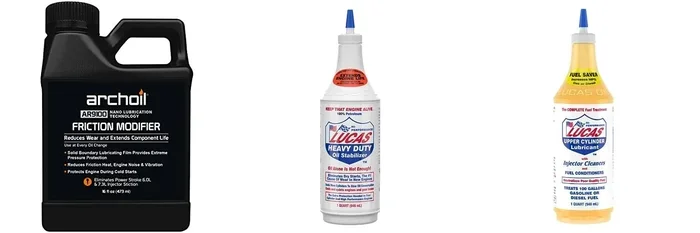
- Product C – Lucas Oil Heavy Duty Oil Stabilizer: Synthetic-based formula. Excellent thermal stability. Reduces oil consumption and extends oil change intervals. Great for older engines.
- Product D – Archoil AR9100: Multi-purpose additive with friction modifiers. Works well in extreme cold. Popular among diesel truck owners.
- Product E – Liqui Moly Hydraulic Additive: German-engineered formula. Excellent pour point depression. Ideal for European vehicles and cold climates.
Best Overall Pick
For most drivers, a synthetic oil additive that combines viscosity modifiers with anti-wear compounds offers the best all-around protection. Look for products that specifically advertise cold-start performance and low-temperature flow. Reading real user reviews helps you find products that deliver consistent results in freezing conditions.
Best Budget Option
You do not need to spend a fortune to get good cold-start protection. Many affordable oil performance enhancers work well for everyday driving. The key is consistency. Using a budget additive regularly is better than using a premium product once in a while.
How to Choose the Right Additive for Your Engine
Choosing the right engine protection additive depends on several factors. Your vehicle type, driving conditions, and existing oil all play a role.
Consider Your Engine Type
Gasoline engines and diesel engines have different needs. Diesel engines often run higher compression and produce more soot. They benefit from additives with strong detergent properties. Gasoline engines may prioritize friction reduction and anti-wear protection.
If you own a high-mileage engine, look for additives that reduce oil consumption and condition seals. Older engines tend to burn oil and develop leaks. A good additive can help minimize these issues during cold weather.
Match the Additive to Your Oil
Not all additives work well with all oils. If you use full synthetic oil, choose a synthetic-compatible additive. If you use conventional oil, look for products designed to enhance mineral-based oils. Mixing incompatible products can reduce performance or cause deposits.
Check the Temperature Rating
Always check the product’s effective temperature range. If you live in an area where temperatures regularly drop below -20°F, you need an additive rated for extreme cold. Products with good thermal stability oil additive properties maintain their effectiveness across a wide range.
Quick Tip: Before adding any new additive, drain and replace your oil with a fresh, high-quality option. The additive works best in clean oil. Mixing old, degraded oil with a new additive reduces effectiveness.
Common Mistakes People Make with Oil Additives
Even with the best intentions, many car owners make mistakes when using oil additives. Avoiding these errors helps you get the most benefit from your product.
Using Too Much Additive
More is not always better. Overdosing an additive can actually harm your engine. Excess additives can alter the oil’s chemical balance, reduce its effectiveness, and even damage engine seals. Always follow the manufacturer’s recommended dosage.
Ignoring Oil Change Intervals
Additives are not a substitute for regular oil changes. They enhance your oil’s performance, but they cannot replace worn-out oil. Skipping oil changes leads to sludge buildup and increased engine wear, regardless of what additives you use.
Buying Based on Price Alone
The cheapest additive on the shelf may not provide adequate protection. Look for products with proven formulations and positive reviews. A cold climate lubricant that costs a bit more often delivers far better results in freezing weather.
Using Additives in New Engines
Modern engines with low mileage usually do not need additional additives. The manufacturer’s recommended oil is already formulated to provide excellent protection. Adding unnecessary additives to a new engine can void the warranty or cause compatibility issues.
Expert Tips for Maximum Engine Protection in Winter
Beyond choosing the right additive, a few simple habits make a big difference in cold-weather engine health.
Let the Engine Warm Up Gently
After a cold start, give your engine 30 to 60 seconds before driving. This allows the oil flow in cold weather to reach all critical components. Avoid revving the engine immediately. Gentle driving during the first few minutes helps warm the oil gradually.
Store Your Vehicle Indoors When Possible
Garaging your car during winter dramatically reduces cold-start stress. A warmer engine starts more easily, and the oil circulates faster. If you do not have a garage, consider using a engine block heater in extreme cold.
Monitor Your Oil Level Regularly
Cold weather can cause oil to thin and burn off slightly. Check your oil level at least once a month during winter. Low oil levels mean the engine runs dry in critical areas, leading to accelerated wear.
Use Winter-Grade Oil
Pair your additive with the right oil weight. In freezing climates, a 0W-20 or 5W-30 synthetic oil combined with a quality additive provides excellent cold-start protection. The low “W” number indicates good performance in cold temperatures.
Address Oil Leaks Promptly
Cold weather can worsen existing oil leaks. Rubber seals and gaskets become brittle in freezing temperatures. If you notice oil spots under your car or a drop in oil level, address the issue immediately. Leaks reduce the amount of oil available for lubrication.
Key Takeaways
- Cold starts cause the most engine wear: Thick oil fails to lubricate properly, leading to increased friction and long-term damage.
- The best oil additive for cold starts improves oil flow: It reduces viscosity at low temperatures so your engine gets immediate protection.
- Not all additives are equal: Look for anti-wear compounds, detergents, and thermal stability when choosing a product.
- Synthetic-based additives work best in freezing conditions: They maintain performance across a wide temperature range.
- Regular use prevents sludge buildup: Quality additives keep engine internals clean and functioning efficiently.
- Compatibility matters: Always check that the additive works with your engine type and existing oil.
Conclusion
Investing in the best oil additive for cold starts is one of the simplest and most affordable ways to protect your engine. Winter conditions put tremendous stress on your vehicle, but the right additive makes a real difference. It keeps oil flowing, reduces wear, and helps your engine start reliably even on the coldest mornings.
Remember to choose an additive that matches your engine type, oil brand, and climate conditions. Follow the dosage instructions and never skip regular oil changes. Combine your additive with smart winter driving habits, and your engine will thank you for years to come.
Take action today. Pick a quality engine oil treatment from our recommendations, and give your car the protection it deserves before the next cold snap hits. Your engine will start easier, run smoother, and last longer with the right oil additive for cold starts in your routine.
Frequently Asked Questions
What is the best oil additive for cold starts?
The best oil additive for cold starts is one that contains viscosity modifiers, anti-wear agents, and pour point depressants. Products like Slick 50, STP Oil Treatment, and Lucas Oil Heavy Duty Stabilizer are popular choices. Look for additives specifically formulated for low-temperature performance and compatible with your engine type.
How does an oil additive help with cold starts?
Oil additives reduce the viscosity of oil at low temperatures, allowing it to flow faster to critical engine components. They also create a protective film on metal surfaces, reducing friction during the first few seconds after ignition. This significantly reduces cold-start wear and extends engine life.
Can I use oil additives with synthetic oil?
Yes, most quality oil additives are compatible with synthetic oil. In fact, pairing a synthetic oil with a synthetic-compatible additive often delivers the best cold-start protection. Always check the product label to confirm compatibility with your specific oil type.
How often should I use an oil additive?
Most additives are designed to be used with every oil change. Follow the manufacturer’s instructions for dosage and frequency. Using an additive consistently provides ongoing protection against cold-start wear and sludge buildup throughout the year.
Are oil additives worth the cost?
Yes, especially if you live in a cold climate or drive a high-mileage vehicle. A quality additive costs a small fraction of what an engine repair would cost. It provides affordable insurance against cold-start wear, improved fuel economy, and longer engine life.
Will an oil additive fix an engine that already has wear?
Additives can reduce further wear and improve engine performance, but they cannot reverse existing damage. If your engine already has significant wear, an additive can help prevent it from getting worse. For serious engine problems, consult a professional mechanic for proper diagnosis and repair.