Can You Start Your Car When You Have Low Oil Pressure
The short answer is yes, you can start your car even when you have low oil pressure, but doing so can be dangerous. Low oil pressure means the engine isn’t getting enough lubrication, which can lead to serious and costly repairs. In this article, you will learn what happens when you start a car with low oil pressure, the common causes, warning signs, and exactly what to do to protect your engine.
You turn the key, and the oil pressure warning light glows on your dash. Your heart sinks. You wonder, can you start your car when you have low oil pressure? The honest answer is yes, the engine will turn over. But the real question is whether you should. Starting a car with low oil pressure is like running a marathon without water. The engine might move for a few seconds, but the lack of lubrication can cause irreversible harm. In this guide, we will walk through exactly what happens, why it happens, and what you should do right now to protect your car.
Many drivers ignore the oil pressure light until it is too late. They assume the car will be fine for a few more miles. That assumption can lead to a seized engine and a repair bill that runs into thousands of dollars. Understanding the basics of oil pressure takes only a few minutes, and it can save you from a major breakdown. Let us break it down in simple terms.
Key Takeaways
- You can start the car, but it is risky: Starting with low oil pressure can cause engine wear and damage within seconds.
- Check the oil level first: The most common cause is simply low oil. A quick dipstick check can save your engine.
- Watch the oil pressure warning light: If it stays on or flashes, do not drive. Turn the key off immediately.
- Cold starts can show temporary low pressure: Thick, cold oil takes a moment to circulate, but persistent low pressure is a problem.
- Never ignore the issue: Driving with low oil pressure can lead to engine seizure and a full replacement.
- Seek professional help if needed: If the oil level is full and the light stays on, a mechanic should inspect the oil pump and sensor.
📑 Table of Contents
What Is Oil Pressure and Why Does It Matter?
How Oil Pressure Works
Your engine has hundreds of moving metal parts. Pistons, crankshafts, and camshafts all spin at high speed. Without oil, these metal parts would grind against each other and weld together in seconds. The oil pump pushes motor oil through passages inside the engine block. This creates pressure that forces oil to every critical surface. Oil pressure is the measure of how hard that oil is being pushed. Think of it like blood pressure for your car. Just as your body needs blood to flow smoothly, your engine needs oil to flow steadily.
The Role of the Oil Pump and Oil Pressure Sensor
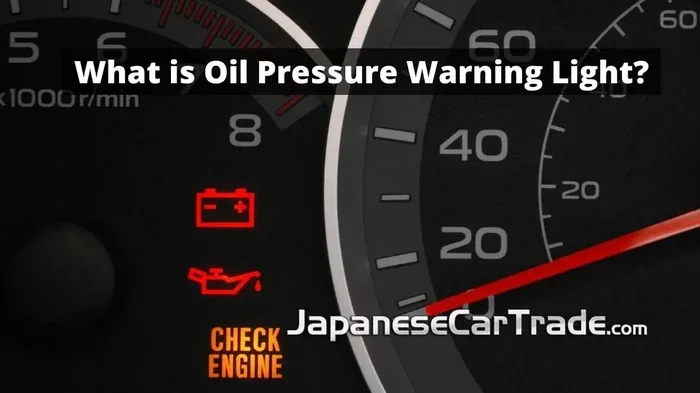
The oil pump is the heart of the system. It draws oil from the oil pan and pushes it through the filter and into the engine. The oil pressure sensor monitors this pressure and sends a signal to your dashboard. If the pressure drops below a safe level, the oil pressure warning light turns on. This light is your early warning system. It tells you something is wrong before you hear a loud knock or feel a loss of power. Never treat this light as a minor annoyance.
Can You Start Your Car When You Have Low Oil Pressure?
The Short Answer
Can you start your car when you have low oil pressure? Yes, the starter motor will crank the engine. The car will turn over just like it normally does. However, starting the engine does not mean it is safe to drive. The moment the engine fires, the crankshaft and other moving parts begin to spin. If there is not enough oil pressure, metal-on-metal contact starts immediately. This can cause micro-welds, scoring, and heat buildup. Within a few seconds, you could cause permanent engine damage that no mechanic can fully fix.
What the Oil Pressure Light Means
The oil pressure light is not the same as the check engine light. It specifically indicates a problem with oil pressure, not oil level. Sometimes the light comes on because the oil level is low. Other times, it points to a failing oil pump or a clogged oil passage. When you see this light, do not ignore it. Even if the car starts and sounds fine at first, the damage may already be happening inside. A quick check of the oil level and pressure can save you from a much bigger headache.
| Condition | Can You Start? | Risk Level | What to Do |
|---|---|---|---|
| Low oil pressure with oil level full | Yes, but do not drive | High | Turn off the engine and call a mechanic |
| Low oil pressure with oil level low | Yes, but only to add oil | Medium | Add the correct oil type, then check pressure |
| Oil pressure light flashes then goes off | Do not start | Critical | Check for leaks and oil pump failure |
| Normal oil pressure after a few seconds | Safe to drive | Low | Monitor the light and get an oil change |
This table shows that even if the car starts, the risk depends on the underlying cause. Low oil pressure is never normal, and you should always find the root cause.
What Happens If You Start a Car With Low Oil Pressure?
Engine Wear and Damage
When you start the engine with low oil pressure, the oil does not reach the bearings, cam lobes, and cylinder walls properly. These parts are designed to float on a thin film of oil. Without that film, metal touches metal. The friction creates heat and tiny metal particles. Over time, the bearings wear out, the cylinders score, and the engine loses compression. You might hear a ticking or knocking sound. That noise means the damage has already started. Continuing to drive in this condition can lead to a complete engine seizure, where the pistons weld to the crankshaft. At that point, you are looking at a full engine replacement.
Warning Signs to Watch For
Before you turn the key, pay attention to these warning signs. The oil pressure warning light is the most obvious one. Other signs include:
- A grinding or ticking noise from the engine bay
- The oil pressure gauge reading below the normal range
- A burning oil smell inside or outside the car
- Reduced engine power or hesitation when accelerating
- The engine running hotter than usual
If you notice any of these symptoms, do not try to drive the car. Turn the ignition off and check the oil. Even if the car starts, these signs mean the lubrication system is failing.
Quick Tips to Avoid Engine Damage
Here are a few simple habits that can protect your engine:
- Check your oil level every two weeks, especially before long trips.
- Change your oil and filter at the intervals recommended by the manufacturer.
- Use the correct oil viscosity for your climate and engine type.
- Never ignore the oil pressure light, even if it goes away after a few seconds.
- Keep an eye on your oil pressure gauge if your car has one.
Common Causes of Low Oil Pressure When Starting
Low Oil Level
The most common reason for low oil pressure is simply not enough oil. Oil breaks down over time and burns off slightly during normal operation. If you have not checked your oil in a while, the level may be dangerously low. A low oil level means the oil pump has to work harder to draw oil from the pan. When the engine is cold, the oil is thicker and does not flow as easily. This can cause a temporary drop in pressure at startup. However, if the level is critically low, the pressure will remain low even after the engine warms up. Always use the dipstick to check the level before you start the car.
Faulty Oil Pressure Sensor or Oil Pressure Switch
Sometimes the oil pressure is actually fine, but the sensor gives a false reading. The oil pressure sensor is a small electrical device that measures pressure and sends data to the dashboard. If it fails, it can trigger the warning light even when everything is normal. On older cars, this part is called an oil pressure switch. A mechanic can test the sensor with a mechanical gauge to see if the reading is accurate. Replacing a faulty sensor is usually inexpensive and quick.
Oil Pump Failure
The oil pump is responsible for creating the pressure that circulates oil through the engine. If the pump fails, oil pressure drops to zero or near zero. Pump failure can happen due to wear, lack of maintenance, or contamination. Metal shavings from worn engine parts can clog the pump screen and starve the engine of oil. This is a serious problem that requires immediate attention. If you suspect a failing oil pump, do not start the car. Tow it to a repair shop.
Oil Viscosity and Condition
Oil viscosity refers to how thick or thin the oil is. High-quality oil maintains its viscosity across a wide temperature range. Over time, oil breaks down and becomes thinner, especially if it has not been changed. Thin oil cannot maintain proper pressure, particularly when the engine is cold. Using the wrong oil viscosity for your vehicle can also cause low oil pressure issues. Always refer to your owner manual for the recommended oil weight and change schedule.
How to Diagnose Low Oil Pressure Before Starting
Check the Oil Level with the Dipstick
Before you even turn the key, pull out the dipstick. Wipe it clean, reinsert it fully, and then pull it out again to read the level. The oil should be between the minimum and maximum marks. If it is at or below the minimum mark, do not start the car. Add the correct type of oil until it reaches the full mark. Wait a few minutes after adding oil to let it settle into the oil pan, then check again. This simple step can resolve low oil pressure caused by a low oil level.
Use an Oil Pressure Gauge
If you have access to a mechanical oil pressure gauge, you can get an accurate reading. Remove the oil pressure sensor or switch and thread the gauge into the port. Start the engine and watch the pressure. At idle, most engines should read between 20 and 30 psi. When you rev the engine, the pressure should increase. If the pressure stays low even with the engine warm, you have a real problem. This test helps you determine whether the issue is with the oil level, the sensor, or the pump itself.
Inspect for Oil Leaks
Look under the car for fresh oil spots on the ground. Check around the oil pan, oil filter, and valve cover gaskets. A leak can cause the oil level to drop slowly over time, leading to low oil pressure. Even a small leak can become a big problem if it goes unnoticed. If you find a leak, have it repaired before you drive the car again.
What to Do If You Have Low Oil Pressure
Quick Steps to Take Right Now
If your car has low oil pressure when you try to start it, follow these steps:
- Turn the ignition off immediately if the oil pressure light stays on.
- Check the oil level using the dipstick.
- If the oil is low, add the correct oil type in small increments.
- Wait two minutes after adding oil, then recheck the level.
- Start the car and watch the oil pressure light. If it goes off within a few seconds, the problem may be resolved.
- If the light stays on, do not drive. Call for a tow to a trusted mechanic.
When to Call a Mechanic
Sometimes adding oil is not enough. If the oil level is full and the oil pressure warning light remains on, you need professional help. A mechanic can inspect the oil pump, oil pressure sensor, and internal passages. They can also check for worn engine bearings that might be causing the pressure drop. Ignoring the problem will only make it worse and increase the repair cost. A timely visit to the shop can often prevent a full engine replacement.
Common Mistakes to Avoid
Many drivers make mistakes when faced with low oil pressure. Here are some to avoid:
- Assuming the light will turn off on its own: It rarely does. The light is a serious warning.
- Topping off with the wrong oil type: Mixing oil viscosities can cause more problems.
- Driving to the nearest gas station: Even a short drive with low pressure can cause scoring inside the engine.
- Ignoring the oil change reminder: Old oil loses its ability to maintain proper pressure.
- Using additives as a fix: Additives cannot repair a failing oil pump or worn bearings.
Expert Insight: The Hidden Cost of Ignoring Oil Pressure
Experienced mechanics often say that a seized engine is one of the most preventable failures in car ownership. The oil pressure system is designed to protect the engine from the moment you turn the key. When you ignore the warning signs, you are essentially gambling with thousands of dollars in repair costs. A new oil pump or sensor costs a few hundred dollars. A new engine can cost several thousand. The choice is clear: pay attention to the oil pressure light and act quickly.
Can you start your car when you have low oil pressure? Yes, but you should not. The safest approach is to check your oil level, address any leaks, and never drive when the oil pressure light is on. By understanding how your oil pressure system works and responding quickly to warnings, you can keep your engine healthy for years to come. Treat your oil pressure system with respect, and it will return the favor by keeping your car running smoothly.
Frequently Asked Questions
What happens if I start my car with low oil pressure?
Starting the car with low oil pressure can cause immediate wear on engine bearings and other moving parts. The metal components grind against each other without proper lubrication, which can lead to scoring, overheating, and eventually a seized engine. Even a few seconds of running under these conditions can cause permanent engine damage.
Can low oil pressure fix itself?
Sometimes a temporary drop in pressure happens when the oil is cold and thick. Once the engine warms up, the oil thins out and pressure returns to normal. However, if the oil pressure warning light stays on after the engine is warm, the problem will not fix itself. You need to check the oil level, look for leaks, or have a mechanic inspect the oil pump and sensor.
How do I know if my oil pressure sensor is bad?
A faulty oil pressure sensor can give false readings, causing the warning light to come on even when pressure is normal. You can test this by connecting a mechanical oil pressure gauge to the engine. If the mechanical gauge shows normal pressure but the dashboard light remains on, the sensor is likely the problem. Replacing the sensor is usually a quick and affordable repair.
Is it safe to drive with the oil pressure light on?
No, it is not safe. The oil pressure light means your engine is not getting enough lubrication. Driving in this condition can cause catastrophic engine damage within minutes. If the light comes on while you are driving, pull over safely, turn off the engine, and call for assistance. Do not continue to the next exit.
What oil should I use if I have low oil pressure?
Always use the oil viscosity recommended by your vehicle manufacturer. Using oil that is too thin can cause low pressure, while oil that is too thick can cause poor circulation at cold starts. Check your owner manual for the correct grade. If you are unsure, a mechanic can help you select the right oil viscosity for your engine and climate.
How often should I check my oil level to prevent low pressure?
You should check your oil level at least once a month and before any long road trips. Regular checks help you catch leaks or oil consumption early, before low oil pressure becomes a serious issue. Keeping your oil at the proper level is one of the simplest and most effective ways to protect your engine.