Do You Put Car Oil In When The Engine Is Hot Or Cold
Do you put car oil in when hot or cold? The answer depends on your goal and your car’s condition. Adding oil to a warm engine gives you a more accurate reading and smoother flow, while adding oil to a cold engine is safer if you are just topping up. Most mechanics agree that checking and adding oil when the engine is slightly warm offers the best balance of safety and accuracy. This guide breaks down everything you need to know about engine oil temperature and how to protect your car.
Have you ever popped the hood and wondered, do you put car oil in when hot or cold? It is a question that trips up many car owners. You might see your oil level low and feel unsure about what to do next. Should you wait for the engine to cool down? Can you just pour it in right away? The truth is, engine oil temperature matters more than most people think.
Adding oil at the wrong temperature can lead to inaccurate readings, messy spills, or even engine damage over time. Whether you are doing a full engine oil change or simply topping up, understanding how hot oil vs cold oil behaves makes a big difference. In this guide, we will walk through everything you need to know. By the end, you will feel confident about when and how to add oil to your car safely.
Car maintenance does not have to be complicated. With the right knowledge, you can handle simple tasks like checking and adding oil without visiting a mechanic every time. Let us dive in and clear up the confusion once and for all.
Key Takeaways
- Warm engine is best: Adding oil when the engine is slightly warm gives the most accurate dipstick reading and helps oil flow smoothly.
- Cold oil works for top-ups: If you are just adding a small amount, cold engine oil is safe and convenient.
- Never add oil to a scorching hot engine: Let the engine cool for at least 5-10 minutes to avoid burns and inaccurate readings.
- Check your owner manual: Always follow the manufacturer recommendations for oil type, capacity, and change intervals.
- Use the right oil: Match your motor oil viscosity to what your car needs for proper engine lubrication.
- Don’t overfill: Overfilling can cause oil pressure problems and damage engine parts over time.
- Regular oil checks matter: Making car maintenance a habit saves you from costly repairs down the road.
📑 Table of Contents
Understanding Engine Oil and Temperature
Before we answer the big question, it helps to understand how motor oil viscosity changes with temperature. Oil is not a fixed substance. It thickens when cold and thins when hot. This behavior directly affects how oil moves through your engine.
Why Oil Viscosity Matters
When your engine is cold, oil sits thick and sluggish in the oil reservoir. It does not flow well, which means your engine parts do not get proper engine lubrication right away. That is why many cars use a conventional oil or synthetic oil blend designed to warm up gradually.
As the engine heats up, the oil thins out. It flows faster and reaches all the moving parts more effectively. This is why oil temperature plays a role in how you should handle your oil level checks and top-ups.
How Hot Oil Behaves Differently
Hot oil is thin and runs easily. It flows out of the oil drain plug quickly during a change and moves smoothly through the engine. But hot oil also presents risks. It can cause burns if you touch it accidentally. And it gives a false dipstick reading because it has not settled yet in the oil reservoir.
This is the main reason many people ask, do you put car oil in when hot or cold. The answer comes down to safety, accuracy, and what you are trying to accomplish.
Should You Add Oil When the Engine Is Hot?
The short answer is yes, but with caution. Adding oil to a warm engine is generally safe and often recommended. Here is why.
Benefits of Adding Oil to a Warm Engine
When your engine is warm, the oil has reached its normal oil flow rate. It has circulated fully and settled into the oil reservoir. This gives you a more accurate dipstick reading when you check the level.
Warm oil also flows more easily into the engine. It does not resist entering the oil filter or coat the internal passages as slowly as cold oil would. This makes the top-up process smoother and faster.
Most manufacturer recommendations suggest checking and adding oil when the engine is warm but not scalding hot. A good rule of thumb is to wait about 5 to 10 minutes after turning off the engine. This gives the oil time to settle while still being warm enough to flow freely.
Risks of Adding Oil to a Very Hot Engine
If you have just driven for a long time at high speeds, the engine oil can be extremely hot. Adding oil in this state is not ideal. Here are the risks:
- Burn risk: Hot oil and engine parts can cause serious burns if you are not careful.
- Inaccurate readings: The oil has not settled, so your dipstick reading will be off.
- Oil splashing: Thin, hot oil can splash and make a mess, potentially getting on hot engine parts and creating smoke.
- Oil foaming: Pouring cold oil into a very hot engine can cause temporary foaming, which affects oil pressure.
The key takeaway here is that warm is good, but scorching hot is not. Let your engine cool down a bit before you add more oil.
Should You Add Oil When the Engine Is Cold?
Adding oil to a cold engine is perfectly safe. In fact, many people prefer to do their engine oil change when the engine is cold because it feels less risky. But there are trade-offs you should know about.
When Cold Oil Works Well
If you are simply topping up a small amount of oil, a cold engine is fine. The oil will mix with the existing oil as the engine warms up and begins to circulate. This is a common approach for people who check their oil level in the morning before starting the car.
Cold oil is also safer to handle. There is no risk of burns, and you do not need to wait for the engine to cool down. If you are in a rush or just need to add a quarter quart, going with a cold engine is a practical choice.
Limitations of Adding Cold Oil
However, cold oil has some downsides:
- Poor flow: Thick, cold oil does not move as easily into the engine passages.
- Inaccurate dipstick reading: Cold oil sits at the bottom of the oil reservoir and has not fully settled, which can give a misleading dipstick reading.
- Delayed lubrication: The engine will not get proper engine lubrication until the oil warms up and thins out.
So while adding oil to a cold engine is safe, it is not always the most accurate or efficient method. Save the cold approach for quick top-ups and use the warm method for more precise checks.
The Best Time to Add Oil: Hot or Cold?
Now that we have covered both scenarios, let us answer the question directly. Do you put car oil in when hot or cold? The best approach depends on what you are doing.
For Topping Up
If your oil level is just slightly low and you need to add a small amount, you can do it with a cold engine. Just make sure the car is on level ground and you are not in a hurry. Pour slowly and let the oil settle before checking again with the dipstick.
For a Full Oil Change
If you are doing a complete engine oil change, warming up the engine first is better. Run the car for about 5 minutes, then turn it off and wait another 5 to 10 minutes. The oil will be warm enough to flow out easily through the oil drain plug but cool enough to handle safely.
Quick Comparison Table
- Topping up with cold engine: Safe, convenient, but less accurate readings.
- Topping up with warm engine: More accurate readings, better flow, slightly more caution needed.
- Full oil change with warm engine: Best method for draining old oil and replacing the oil filter.
- Full oil change with cold engine: Safe but slower oil drainage and harder to remove all old oil.
For most people, the sweet spot is a warm engine. It gives you the best of both worlds: safe handling and accurate results.
How to Check Your Oil Level the Right Way
Checking your oil level is the first step before adding any oil. If you do not know how much oil is already in there, you cannot add the right amount. Here is the proper way to do it.
Step-by-Step Oil Check Process
- Park your car on a flat surface and turn off the engine.
- Wait at least 5 minutes if the engine was warm, or check in the morning before starting if the engine is cold.
- Open the hood and locate the oil dipstick. It usually has a brightly colored handle.
- Pull the dipstick out and wipe it clean with a paper towel or rag.
- Reinsert the dipstick fully, then pull it out again.
- Look at the oil marks on the dipstick. The oil should fall between the minimum and maximum lines.
- If the oil is below the minimum line, it is time to add more.
Always refer to your manufacturer recommendations for the correct oil specification and oil capacity for your vehicle. Using the wrong oil can affect engine wear and engine lubrication over time.
Quick Tips for Accurate Readings
- Always check oil on a level surface to avoid false readings.
- Do not check oil immediately after driving. Wait at least 5 minutes.
- Use the same method each time for consistency.
- Check your oil pressure light on the dashboard. If it comes on, address it immediately.
Common Mistakes People Make When Adding Oil
Even experienced car owners make mistakes when adding oil. Here are the most common ones and how to avoid them.
Overfilling the Engine
One of the biggest mistakes is adding too much oil. Overfilling causes the oil to foam, which reduces its ability to lubricate properly. Excess oil can also put pressure on engine seals and gaskets, leading to leaks. Always add oil in small increments and check the dipstick reading after each addition.
Using the Wrong Oil Type
Not all oils are the same. Using the wrong motor oil viscosity can harm your engine. Some cars need synthetic oil while others work fine with conventional oil. Check your owner manual or the oil specification stamped on the oil cap under the hood.
Ignoring the Oil Filter
During an engine oil change, always replace the oil filter at the same time. A clogged filter restricts oil flow rate and can cause serious engine wear. The filter is inexpensive, and skipping it can lead to costly repairs.
Forgetting to Check for Leaks
After adding oil, always look under the car for any signs of leaking. A loose oil drain plug or a worn oil filter seal can cause oil to drip out. Catching leaks early saves you from low oil level problems later.
Expert Tips for Safe Oil Top-Ups
Here are some practical tips from experienced mechanics to help you add oil safely and effectively.
1. Let the Engine Cool Slightly
You do not need to wait hours, but give the engine 5 to 10 minutes after turning it off. This brings the oil temperature down to a safe level while keeping the oil thin enough to pour easily.
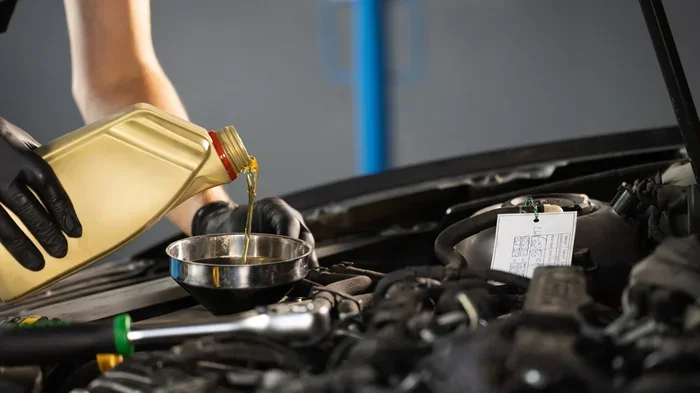
2. Use a Funnel
A simple funnel prevents spills and keeps oil off your engine bay. Oil spills on hot engine parts can create smoke and unpleasant smells. A funnel makes the process clean and mess-free.
3. Add Oil in Small Amounts
Do not pour in a large amount all at once. Add about a quarter quart at a time, wait a minute, and then check the dipstick reading. This prevents overfilling and gives you control over the process.
4. Keep Records
Track your oil changes and top-ups in a notebook or phone app. This helps you stay on top of your car maintenance schedule and catch any unusual oil consumption early.
5. Follow Manufacturer Recommendations
Every car is different. Always follow the manufacturer recommendations for oil type, viscosity, and change intervals. These guidelines are designed to keep your engine running smoothly for years.
Conclusion
So, do you put car oil in when hot or cold? The best answer is to aim for a warm engine when possible. Warm oil flows better, gives more accurate readings, and makes the whole process smoother. But if you need to top up with a cold engine, that is perfectly safe too. Just go slowly, use the right oil, and always double-check your dipstick reading after adding.
Engine oil temperature is an important part of car maintenance, but it does not have to be intimidating. With the tips in this guide, you can handle oil checks and top-ups with confidence. Remember to follow your manufacturer recommendations, use the correct motor oil viscosity, and never skip your oil filter replacement. Your engine will thank you with better performance and longer life.
Take a few minutes today to check your oil level and make sure everything is in good shape. Small habits like this are what keep your car running reliably for years to come.
Frequently Asked Questions
Can I add oil to my car while the engine is running?
It is not recommended to add oil while the engine is running. The engine parts are moving, and there is a risk of spilling oil onto hot components. Always turn off the engine and wait a few minutes before adding oil. This keeps you safe and gives you a more accurate reading.
How long should I wait after driving to add oil?
Wait at least 5 to 10 minutes after driving before adding oil. This gives the oil time to cool down slightly and settle back into the oil reservoir. A short wait ensures a safer process and a more accurate dipstick reading.
What happens if I overfill my engine with oil?
Overfilling causes the oil to foam, which reduces its lubricating ability. Excess oil can also increase oil pressure and push past seals, causing leaks. If you overfill, drain the excess oil carefully or have a mechanic remove it to protect your engine.
Does the type of oil matter when adding?
Yes, the type of oil matters a lot. Always use the oil specification recommended by your car manufacturer. Using synthetic oil instead of conventional oil, or the wrong motor oil viscosity, can affect engine lubrication and increase engine wear over time.
Should I change oil or just top it up?
If your oil level is low but the oil looks clean, a top-up is fine. But if the oil is dark, gritty, or has not been changed in a while, a full engine oil change with a new oil filter is the better choice. Regular changes keep your engine running at its best.
Can adding cold oil damage a hot engine?
Adding cold oil to a hot engine will not cause immediate damage, but it can cause temporary foaming and affect oil pressure. The temperature difference may also make the oil splash more. To avoid these issues, let the engine cool for a few minutes before adding oil.