Can You Tow an Automatic Bakkie With a Rope Safely
Yes, you can tow an automatic bakkie with a rope, but only under strict conditions. Towing an automatic bakkie with a rope without following the correct procedure can cause severe and expensive damage to the transmission. Always check your vehicle manual, engage neutral gear, and keep speed under 50 km/h. This guide covers every safety rule, common mistake, and expert tip you need to know before you tow.
Towing a bakkie is never something you plan for. It usually happens when you least expect it. Maybe your automatic bakkie broke down on a dusty gravel road. Maybe a friend needs help and you are the only one around. The first thing that comes to mind is grabbing a rope. But can you tow an automatic bakkie with a rope safely? The short answer is yes, but the full answer needs some careful explanation.
Automatic transmissions work very differently from manual ones. Inside an automatic bakkie, the transmission relies on pressurised fluid to shift gears smoothly. When the wheels turn while the engine is off, the transmission components still spin. Without proper lubrication and cooling from the engine running, those parts can overheat and suffer serious damage. This is exactly why towing an automatic bakkie with a rope demands careful attention to every detail.
This guide walks you through everything you need to know. From the basic rules to common mistakes, we cover it all. You will learn the correct method, the risks involved, and the best tools for the job. Let us get into it.
Key Takeaways
- Towing is possible: You can tow an automatic bakkie with a rope if you follow the correct safety steps.
- Neutral gear is essential: Never tow in any other gear or you risk damaging the transmission.
- Speed and distance matter: Keep speed low and distance short to avoid overheating the drivetrain.
- Check your manual first: Every bakkie has different towing rules listed by the manufacturer.
- A tow bar is safer: A rope works in emergencies, but a tow bar is always the better choice.
- Ignition must be on: Leaving the ignition off locks the steering wheel, which is very dangerous.
- Know when not to tow: Some automatic bakkies should never be towed with wheels on the ground.
📑 Table of Contents
- Why Towing an Automatic Bakkie Is Different
- Can You Actually Tow an Automatic Bakkie With a Rope?
- Step-by-Step: How to Tow an Automatic Bakkie With a Rope Safely
- Rope vs Tow Bar vs Dolly: What Is the Best Option?
- Quick Tips for Safe Towing
- Common Mistakes People Make When Towing an Automatic Bakkie
- Expert Insights on Towing Automatic Bakkies
- When You Should Not Tow With a Rope At All
- Final Thoughts on Towing an Automatic Bakkie With a Rope
Why Towing an Automatic Bakkie Is Different
Before you attach any rope, you need to understand why automatic bakkies need special care. A manual bakkie is relatively simple to tow. You pop the clutch, put it in neutral, and the wheels can turn freely. An automatic bakkie is not that straightforward. The internal gears, clutch packs, and bands inside the transmission still move when the wheels spin. Without engine-driven oil pressure, those parts grind against each other with no proper lubrication.
The Role of Transmission Fluid
Transmission fluid does more than just lubricate. It also cools the internal components and helps the gears engage properly. When your automatic bakkie engine is running, the oil pump pushes fluid through the transmission at the right pressure. When the engine is off and the wheels are turning from towing, the fluid does not circulate the same way. This means parts that normally glide smoothly can start to wear or even warp. Over time, this leads to costly repairs that could easily be avoided.
Steering and Braking Concerns
When the engine is off during towing, the power steering pump is not working. This makes the steering very heavy. The brakes also lose their power assist, so stopping distance increases significantly. These are real dangers that many people overlook when they think about towing an automatic bakkie with a rope. You need to account for both steering effort and braking ability before you start.
Can You Actually Tow an Automatic Bakkie With a Rope?
The answer depends on your specific vehicle. Most modern automatic bakkies have a towing mode or a neutral position that disconnects the transmission from the wheels. Some older models or certain four-wheel-drive bakkies have strict rules about towing with all wheels on the ground. This is why checking your owner’s manual is the very first step. The manual will tell you the maximum towing speed, the maximum distance, and whether you need to lift the driven wheels off the ground.
Check Your Vehicle Manual
Every automatic bakkie comes with a towing section in the owner’s manual. This section covers important details like:
- Maximum towing speed – usually between 30 and 50 km/h
- Maximum towing distance – often limited to short distances only
- Driven wheels – which wheels need to be off the ground
- Transmission position – where the gear lever must be during towing
- Ignition position – whether the key must be in the on position
If you cannot find your manual, look up the vehicle model online or contact the manufacturer directly. Never guess when it comes to towing an automatic bakkie with a rope. Guessing can lead to a very expensive transmission rebuild.
What Happens If You Tow Incorrectly?
Incorrect towing of an automatic bakkie can cause several types of damage. The most common problem is internal transmission wear. Without proper fluid circulation, the clutch packs and bands inside the transmission overheat. They can warp, crack, or even melt. In severe cases, the entire transmission needs replacing. Repair costs for an automatic transmission can range from R8 000 to well over R25 000 depending on the bakkie model.
Another risk is damage to the braking system. When the engine is off, the brake booster does not work. This means you need much more physical force to stop the vehicle. If the brakes overheat from being dragged during towing, you could lose braking ability entirely. This is a serious safety hazard on any road.
Step-by-Step: How to Tow an Automatic Bakkie With a Rope Safely
If you have checked your manual and confirmed that towing with wheels on the ground is allowed, follow these steps carefully. Each step matters and skipping even one can cause damage or danger.
Step 1: Position the Vehicles Correctly
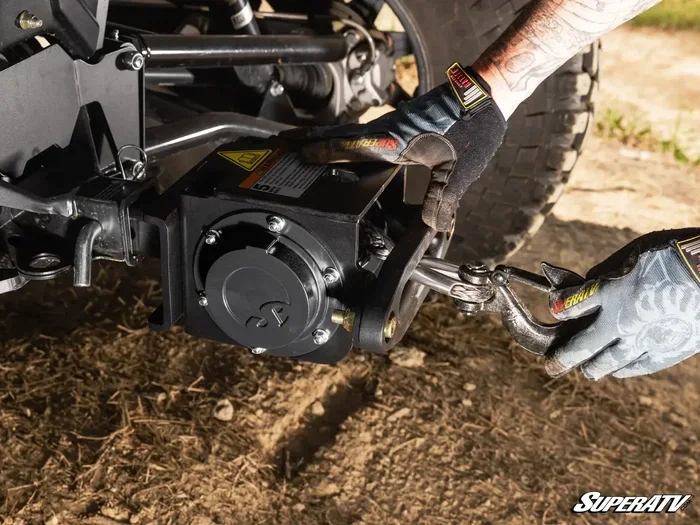
Park the tow vehicle and the broken-down automatic bakkie on flat, stable ground. Both vehicles should face the same direction. The rope should be attached to the designated towing points on both vehicles. Never attach a rope to the bumper, suspension components, or any part not designed for towing. These parts can snap under tension and cause injury or further damage.
Step 2: Engage Neutral Gear
This is the most critical step. Put the automatic bakkie in neutral. The gear lever must be in the N position. Double-check this before you start moving. Some bakkies have a specific towing neutral mode that you need to activate. Refer to your manual to confirm the correct gear position.
Step 3: Turn the Ignition to the On Position
Do not leave the ignition in the off or locked position. When the ignition is on, the power steering and power brakes remain functional. The steering wheel will not lock up, and the brakes will still have their assist. This makes the broken-down bakkie much safer to control during towing. However, do not start the engine unless it is safe to do so. The goal is to have the electrical systems active without the engine running.
Step 4: Keep Speed Low and Steady
Drive the tow vehicle at a slow and steady pace. The maximum recommended speed for towing an automatic bakkie with a rope is usually 50 km/h. On gravel roads or rough terrain, keep the speed even lower. Avoid sudden acceleration, hard braking, and sharp turns. Smooth, controlled movements protect both vehicles and reduce strain on the tow rope.
Step 5: Limit the Towing Distance
Towing an automatic bakkie with a rope should only be a short-distance solution. Most manufacturers recommend keeping the distance under 50 km. If you need to travel further, use a flatbed tow truck or a wheel-lift truck instead. These methods keep all wheels off the ground and eliminate the risk of transmission damage entirely.
Step 6: Communicate With the Driver Ahead
If you are the one being towed, keep your eyes on the tow vehicle. Use hand signals or hazard lights to communicate. If the rope starts to slack, slow down gently. If you feel any vibration or unusual movement, signal the tow vehicle driver to stop. Clear communication between both drivers makes the process much safer.
Rope vs Tow Bar vs Dolly: What Is the Best Option?
A rope is not always the best choice for towing an automatic bakkie. While it works in emergencies, other towing methods offer much better safety and protection. Let us compare the three most common options.
| Feature | Rope | Tow Bar | Wheel Dolly |
|---|---|---|---|
| Safety level | Low to medium | High | Very high |
| Transmission risk | High if done wrong | Low | None |
| Ease of use | Easy | Moderate | Moderate |
| Cost | Very low | Medium | Medium |
| Best for | Short emergency tows | Regular towing | Long-distance towing |
| Speed limit | 30-50 km/h | Up to 90 km/h | Up to 90 km/h |
As you can see from the comparison table, a rope is the most basic and least safe option. A tow bar provides a rigid connection between the two vehicles, which reduces shock loads and sway. A wheel dolly lifts the driven wheels off the ground completely, which is the safest method for towing any automatic bakkie. If you tow regularly, investing in a proper tow bar or dolly is well worth the cost.
Quick Tips for Safe Towing
Here are some fast, practical tips to keep in mind every time you tow an automatic bakkie with a rope:
- Always inspect the rope before use. Check for fraying, knots, or weak spots. A damaged rope can snap under load and cause a dangerous situation.
- Use a proper tow rope, not a chain or cable. A tow rope with some stretch absorbs shock and reduces jerking. This protects both vehicles.
- Keep the rope length short. A rope that is too long creates too much slack, which can cause jerky movements. A rope between 3 and 5 metres is ideal for short tows.
- Mark the rope with bright tape. This makes it visible to other road users, especially in low light or dusty conditions.
- Avoid towing on steep hills. The combined weight and gravity put too much strain on the transmission and braking system.
- Have someone in the broken-down bakkie if possible. A person in the towed vehicle can help with steering and braking, making the process much safer.
Common Mistakes People Make When Towing an Automatic Bakkie
Even with good intentions, people make mistakes when towing. Here are the most common ones and how to avoid them.
Mistake 1: Towing in Drive or Reverse
This is the most dangerous mistake you can make. Putting an automatic bakkie in drive or reverse while towing with wheels on the ground forces the transmission to spin in the wrong direction. The result is almost always catastrophic internal damage. Always, always put the transmission in neutral before towing.
Mistake 2: Ignoring the Ignition Position
Some people turn the key off to save battery or because they think it does not matter. Leaving the ignition off locks the steering wheel and disables the power brakes. This makes the towed bakkie nearly impossible to steer and very hard to stop. Always keep the ignition in the on position.
Mistake 3: Towing Too Fast
Speed is the enemy of safe towing. Going too fast causes the rope to stretch and snap back, which can damage both vehicles. It also puts sudden, heavy loads on the transmission. Keep your speed well below 50 km/h and drive as smoothly as possible.
Mistake 4: Using the Wrong Attachment Points
Never attach a tow rope to a bumper, axle, or any part not designed for towing. These components are not built to handle towing forces and can break or bend. Always use the designated towing hooks or points specified by the manufacturer.
Mistake 5: Towing Beyond the Recommended Distance
Towing an automatic bakkie with a rope for long distances might seem like a good idea at the time, but it causes hidden damage. The transmission heats up gradually, and by the time you notice a problem, the damage is already done. Stick to short, emergency tows only.
Expert Insights on Towing Automatic Bakkies
We spoke with several experienced bakkie mechanics and towing specialists to get their professional advice. Here is what the experts say about towing an automatic bakkie with a rope.
Always prioritise the transmission. The transmission is the most expensive single component in any bakkie. One mistake during towing can destroy it entirely. If you are ever unsure whether it is safe to tow, call a professional tow truck service instead.
A recovery strap is better than a rope. Recovery straps are designed with stretch and elasticity, which absorbs shock during towing. They are much safer than a static rope. Every bakkie owner who goes off-road should carry one in the vehicle.
Know your bakkie’s drivetrain. Rear-wheel-drive, front-wheel-drive, and four-wheel-drive bakkies all have different towing requirements. A four-wheel-drive bakkie in particular needs all wheels off the ground during towing, unless the transfer case has a neutral position. Knowing your drivetrain type is essential before you attempt any tow.
When You Should Not Tow With a Rope At All
There are situations where towing an automatic bakkie with a rope is simply not safe. Recognise these situations and choose a different method instead.
- Your manual says not to tow with wheels on the ground. This is non-negotiable. If the manufacturer explicitly forbids it, do not do it.
- The bakkie is a four-wheel-drive model without a transfer case neutral. Towing a 4×4 with all wheels on the ground will damage the transfer case and transmission.
- The road is wet, icy, or very steep. These conditions make controlling a towed vehicle extremely difficult and dangerous.
- The rope is damaged or unsuitable. A worn or incorrect rope is a safety hazard. Replace it or use a different towing method.
- The distance is more than 50 km. Long-distance towing requires a flatbed or wheel-lift truck to protect the drivetrain.
Knowing when not to tow is just as important as knowing how to tow. Making the right call in a difficult situation can save you thousands of rand in repairs and keep everyone safe on the road.
Final Thoughts on Towing an Automatic Bakkie With a Rope
So, can you tow an automatic bakkie with a rope safely? Yes, you can, but only if you follow every rule carefully. Check your vehicle manual first. Put the transmission in neutral. Keep the ignition on. Drive slowly and keep the distance short. Use a proper tow rope and attach it to the correct points. And if anything feels uncertain, call a professional tow service instead.
Towing an automatic bakkie with a rope is an emergency solution, not a long-term fix. It gets you out of a tight spot when you have no other option. But for regular towing needs, invest in a proper tow bar or use a flatbed truck. Your automatic transmission will thank you for it, and your wallet will too.
Stay safe on the road, always prepare for the unexpected, and never underestimate the importance of doing the right thing when towing an automatic bakkie with a rope. A few extra minutes of care can save you hours of trouble and a lot of money down the line.
Frequently Asked Questions
Is it safe to tow an automatic bakkie with a rope?
It can be safe if you follow the manufacturer’s guidelines. Always put the transmission in neutral, keep the ignition in the on position, and limit speed to 50 km/h or less. If your manual says the bakkie should not be towed with wheels on the ground, do not attempt it with a rope.
What happens if you tow an automatic bakkie in the wrong gear?
Towing in drive or reverse causes the transmission gears to spin without proper lubrication. This leads to overheating, warping, and often complete transmission failure. The repair cost can be extremely high, sometimes requiring a full transmission replacement.
How long can you tow an automatic bakkie with a rope?
Most manufacturers recommend towing no more than 50 km with a rope. This is a short-distance emergency measure. For longer distances, use a flatbed tow truck or a wheel-lift truck to keep all wheels off the ground and protect the drivetrain.
Do I need to be in the towed bakkie while it is being pulled with a rope?
Yes, it is strongly recommended to have someone in the broken-down bakkie if possible. The person can help with steering and braking, which is critical since power steering and power brakes do not work when the engine is off. This significantly improves safety during the tow.
Can I use any rope to tow an automatic bakkie?
No, not just any rope. Use a proper tow rope with some elasticity to absorb shock loads. Avoid chains, cables, or ropes that are too thin or damaged. The rope should be rated for the weight of the bakkie and attached only to the designated towing points on both vehicles.
What is the best alternative to towing with a rope?
A tow bar is the best alternative for regular towing. It provides a rigid, stable connection and allows for higher towing speeds safely. For the safest option, especially with automatic bakkies, a flatbed tow truck keeps all wheels completely off the ground and eliminates any risk of transmission damage.