Could Toyota Tire Pressure Sensor Show Wrong Pressure
Yes, a Toyota tire pressure sensor can display incorrect readings for a short time before returning to normal. This is often caused by temperature changes, sensor battery issues, or minor electrical glitches. Understanding the root cause helps you avoid unnecessary trips to the dealer and keep your Toyota tires in great shape.
Key Takeaways
- Temperature swings are the most common reason for temporary wrong pressure readings.
- TPMS sensor battery life typically lasts 5-10 years and can cause intermittent errors.
- Sensor reset procedures are simple and often fix the problem at home.
- Road debris and tire sealants can interfere with sensor accuracy.
- Regular tire maintenance including Tire Armor treatments helps prevent false alerts.
- Ignoring the TPMS light too long can lead to safety risks and uneven tire wear.
- Professional diagnostics are recommended if the problem persists beyond a few days.
📑 Table of Contents
- Could Toyota Tire Pressure Sensor Show Wrong Pressure?
- What Is the TPMS and How Does It Work?
- Common Reasons for Temporary Wrong Pressure Readings
- How to Diagnose the Problem Yourself
- When Should You Actually Worry?
- How to Fix the TPMS Light After a False Alarm
- Expert Tips for Long-Term TPMS Health
- Common Mistakes People Make With TPMS Warnings
- Final Thoughts
Could Toyota Tire Pressure Sensor Show Wrong Pressure?
If you are driving your Toyota and suddenly see the tire pressure light flicker on and then go off, you are not alone. Many Toyota owners experience this exact situation. The tire pressure monitoring system, or TPMS, is designed to keep you safe. But sometimes it throws a false alarm. This can leave you scratching your head and wondering what is really going on with your tires.
The short answer is yes. A Toyota tire pressure sensor can absolutely show wrong pressure for a short time and then go back to normal. This happens more often than most people think. In this article, we will walk you through every reason this might happen, what you can do about it, and when it is time to see a mechanic. We will also share simple tips to keep your TPMS working properly and your Toyota tires in great shape.
Let us dive right in. Your dashboard warning light does not always mean danger. Sometimes it is just a small hiccup in the system. Understanding this can save you time, money, and a lot of stress.
What Is the TPMS and How Does It Work?
Before we get into the reasons for false readings, let us quickly understand how the system works. Every Toyota model built after 2007 comes with a TPMS sensor installed in each wheel. These tiny sensors sit inside the tire, attached to the valve stem. They measure the air pressure inside the tire and send data to your car’s computer.
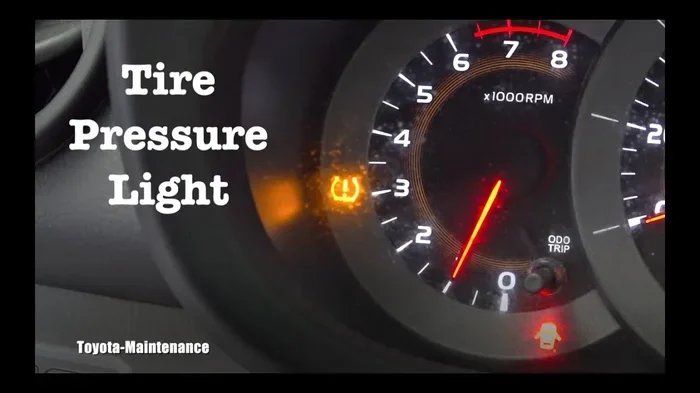
When the pressure drops below the recommended level, your dashboard lights up. This is your warning sign. But here is the thing. The system is sensitive. It can pick up on tiny changes that do not actually pose a real problem.
The sensors use batteries that typically last between 5 and 10 years. When the battery weakens, the sensor may send erratic signals. This is one of the top reasons you might see a tire pressure light flash on briefly and then disappear.
Direct vs. Indirect TPMS Systems
Toyota uses two types of TPMS systems. Direct TPMS has a physical sensor inside each tire. Indirect TPMS uses the wheel speed sensors from your anti-lock braking system. Both systems can produce temporary false readings. Direct TPMS is more common in newer Toyota models. It gives precise pressure numbers. Indirect TPMS estimates pressure based on how fast each wheel spins. Either system can confuse you with a brief warning light.
Common Reasons for Temporary Wrong Pressure Readings
There are several reasons your Toyota TPMS might show incorrect pressure for a short time. Let us go through each one so you know what to look for.
1. Temperature Changes
This is the number one cause of temporary false readings. When the outside temperature drops quickly, the air inside your tires contracts. This causes the pressure to decrease temporarily. Your TPMS picks up on this drop and triggers the warning light. But once the tires warm up from driving, the pressure goes back to normal and the light turns off.
This is very common in fall and winter months. A cool morning drive can set off the light even when your tires are perfectly fine. The same thing can happen in reverse during hot summer days. Heat causes the air to expand, which can sometimes trigger a high-pressure reading briefly.
To avoid confusion, check your tire pressure when the tires are cold. This means the car has been parked for at least three hours. Use a good tire pressure gauge to get an accurate reading. Compare it to the recommended PSI listed on the driver side door jamb.
2. Sensor Battery Weakness
Every TPMS sensor runs on a small battery. Over time, this battery loses its charge. When the battery gets low, the sensor may start sending inconsistent data to your car’s computer. You might see the pressure reading jump around or show a completely wrong number for a few minutes before settling back down.
Most Toyota TPMS sensors last about 5 to 10 years. If your vehicle is getting older, a weak battery is a very likely culprit. Replacing the sensor battery or the entire sensor unit is a quick fix. Many auto parts stores carry compatible replacements. You can also apply a Tire Armor sealant to protect the valve stem area and extend sensor life.
3. Minor Air Leaks
A tiny puncture or a slow leak can cause the pressure to dip just enough to trigger the light. Then as you drive, the sealant inside the tire or the natural elasticity of the rubber might seal the small hole temporarily. This makes the pressure go back to normal and the light turns off.
Check your tires visually for any nails, screws, or sharp objects embedded in the tread. Even a small stone can create a tiny hole that leaks air slowly. If you notice the light coming on after driving over debris, inspect all four tires carefully.
4. TPMS Sensor Reset Needed
Sometimes the system just needs a reset. After you check and adjust your tire pressure, the sensor may not automatically update the reading. You need to manually reset the TPMS. This tells the system that the current pressure is correct and it should clear the warning.
Most Toyota models have a TPMS reset button located under the steering column. Consult your owner manual for the exact location and steps. Resetting the system is quick and easy. It solves the problem in many cases where the sensor was showing wrong pressure temporarily.
5. Electrical Interference
Believe it or not, electronic interference can mess with your TPMS readings. Other vehicle systems, aftermarket electronics, or even a nearby cell tower can cause brief signal disruptions. This is rare, but it does happen. The sensor might send a garbled signal that shows an incorrect pressure reading for a few seconds before correcting itself.
If you recently installed new electronics in your vehicle, consider whether they might be interfering with the TPMS antenna or module. Moving the antenna or removing the new device can sometimes solve the issue.
How to Diagnose the Problem Yourself
You do not need to be a mechanic to figure out if your TPMS is giving false readings. Here is a simple step-by-step process you can follow at home.
Step 1: Check the tire pressure with a manual gauge when the tires are cold. Write down the PSI for each tire.
Step 2: Compare your readings to the recommended pressure found on the driver door jamb or in the owner manual.
Step 3: If all tires are at the correct pressure, start the car and see if the light stays on or goes off after a few minutes.
Step 4: If the light stays on, try the TPMS reset procedure. Drive for a few miles and see if the light returns.
Step 5: If the problem continues, inspect each tire for visible damage or embedded objects. Check the valve stems for cracks or leaks.
Step 6: If none of these steps work, it is time to visit a trusted mechanic or Toyota dealership for a professional diagnosis.
Quick Diagnostic Checklist
- Verify all tire pressures with a manual gauge.
- Look for visible damage to the tire sidewall or tread.
- Inspect valve stems for cracks or loose cores.
- Check if the TPMS light comes on only in cold weather.
- Note if the light appears after driving over rough roads.
- Check how old your TPMS sensors are (5-10 year lifespan).
- Try a TPMS system reset.
When Should You Actually Worry?
Not every TPMS warning means something is broken. But there are times when you should pay close attention. If the tire pressure light stays on continuously for more than a few minutes after startup, do not ignore it. A consistently lit light usually means there is a real pressure problem.
Here are some signs that point to a genuine issue rather than a temporary glitch:
- The light stays on even after you reset the system.
- You can see the tire is visibly deflated or bulging.
- You feel vibration or pulling to one side while driving.
- The pressure reading on your dashboard shows a very low number.
- The light comes on every time you start the car.
If you notice any of these signs, stop safely and check your tires. Driving on underinflated tires can reduce fuel efficiency, cause uneven tread wear, and even lead to a blowout. Keeping your Toyota tires properly inflated is one of the simplest ways to stay safe on the road and save money on gas.
Protecting Your TPMS Sensors
Prevention is always better than repair. You can take simple steps to keep your TPMS sensors working accurately for years. Start by keeping your tires properly inflated at all times. Check the pressure at least once a month. Use a quality tire gauge and do not rely only on the dashboard display.
Another great tip is to use a tire sealant or protective coating around the valve stem area. Products like Tire Armor help protect the sensor and valve stem from road debris, moisture, and corrosion. This simple step can extend the life of your TPMS sensors and reduce the chance of false readings.
Also, avoid using cheap tire inflator cans that contain liquid sealant. These can damage the TPMS sensor from the inside. If you need a temporary fix for a slow leak, use a portable air compressor instead. It is safer for both your tires and the sensor.
How to Fix the TPMS Light After a False Alarm
If you have confirmed that your tire pressure is actually correct and the light is still on, here are the best ways to fix it.
Option 1: Drive It Off. Sometimes simply driving the car for 10 to 15 minutes at normal speed allows the sensors to recalibrate. The light may turn off on its own.
Option 2: Manual Reset. Locate the TPMS reset button under the steering wheel. Press and hold it until the dashboard light blinks three times. Start the car and drive for 20 minutes to let the system relearn the current pressure levels.
Option 3: Check the Sensor Battery. If the light keeps coming back, the sensor battery may be dying. A mechanic can test each sensor and replace the weak ones. This usually costs between $50 and $100 per sensor.
Option 4: Replace the Sensor. For older Toyota models, replacing the entire TPMS sensor might be the best option. New sensors come with fresh batteries and provide accurate readings again.
Option 5: Scan for Error Codes. A mechanic can use an OBD-II scanner to read any error codes stored in the TPMS module. This helps pinpoint the exact sensor or system component that is failing.
Expert Tips for Long-Term TPMS Health
Keeping your tire pressure monitoring system in top shape is easier than you think. Follow these expert tips to avoid false alarms and keep your Toyota running safely.
Tip 1: Always use the correct tire size recommended for your Toyota model. Wrong tire sizes can affect the TPMS calibration.
Tip 2: Rotate your tires every 5,000 to 7,000 miles. This helps the sensors wear evenly and last longer.
Tip 3: Keep a tire pressure gauge in your glove box. Checking pressure manually once a month catches problems early.
Tip 4: Clean the valve stems regularly. Dirt and grime can build up and affect sensor accuracy. A quick wipe with a damp cloth keeps things working smoothly.
Tip 5: Address TPMS warnings promptly. Even if the light goes off on its own, get the tires checked. A small issue today can become a big problem tomorrow.
Understanding Seasonal TPMS Behavior
Many Toyota owners notice the TPMS light behaves differently in winter versus summer. This is completely normal and expected. Cold weather causes air pressure inside tires to drop by about 1 PSI for every 10-degree Fahrenheit decrease in temperature. So if you set your tire pressure to 35 PSI in the summer and the temperature drops 30 degrees, your pressure could read 32 PSI. That is enough to trigger the light.
The same thing works in reverse during hot weather. Pressure rises, and in rare cases, it can trigger a high-pressure warning. This is usually temporary and resolves once the tires adjust to the ambient temperature.
The best practice is to set your tire pressure to the recommended PSI when the tires are cold. This gives you the most accurate baseline and reduces the chance of false TPMS warnings throughout the year.
Common Mistakes People Make With TPMS Warnings
There are a few mistakes that Toyota owners frequently make when dealing with TPMS warnings. Avoiding these can save you time and money.
- Ignoring the light completely. Even if it goes off quickly, get the tires checked. A brief warning can indicate a slow leak developing.
- Overinflating the tires to clear the light. This is dangerous and can cause poor handling and uneven tire wear.
- Resetting the system without checking the actual pressure. This just clears the warning without fixing the root cause.
- Using the wrong tire size. Non-OEM tire sizes can confuse the TPMS system and trigger false readings.
- Delaying sensor replacement. A dying sensor battery will eventually fail completely. Replace it before it leaves you without TPMS protection.
By avoiding these common mistakes, you keep your Toyota safe, your tires lasting longer, and your TPMS working accurately. A little attention goes a long way when it comes to tire pressure maintenance.
Final Thoughts
So, could a Toyota tire pressure sensor show wrong pressure for a short time and then go back to normal? Absolutely. In most cases, it is a harmless temporary issue caused by temperature changes, sensor battery weakness, or a minor air leak. The key is to stay calm, check your actual tire pressure, and take the right steps to address the problem.
Regular maintenance and a little attention to detail can keep your TPMS working properly and your Toyota running safely. Whether it is a simple reset, a battery replacement, or just a seasonal adjustment, you now have the knowledge to handle it with confidence. Keep your tires properly inflated, protect your sensors, and enjoy the peace of mind that comes with a well-maintained vehicle.
Remember, the TPMS is your car’s way of looking out for you. Treat it with care, and it will keep you safe on every journey. Stay proactive, stay informed, and your Toyota tires will thank you for it.
Frequently Asked Questions
Why does my Toyota tire pressure light come on and then go off?
This usually happens due to temperature changes or a brief sensor glitch. Cold weather can temporarily lower tire pressure enough to trigger the light. Once the tires warm up from driving, the pressure normalizes and the light turns off. It is a common and usually harmless occurrence.
How do I reset the TPMS light on my Toyota?
Locate the TPMS reset button under the steering column. Press and hold it until the dashboard light blinks three times. Start the engine and drive for about 20 minutes. The system will recalibrate and the light should stay off. Refer to your owner manual for model-specific instructions.
Can a low battery in the TPMS sensor cause false readings?
Yes, absolutely. TPMS sensors run on small batteries that last 5 to 10 years. As the battery weakens, the sensor may send inconsistent or incorrect pressure data. This often results in brief false warnings that resolve on their own. Replacing the sensor battery or unit fixes the issue.
Is it safe to drive with the TPMS light on for a short time?
It is generally safe if the light turns off quickly and your tire pressure is actually correct. However, if the light stays on continuously, you should pull over and check your tires. Driving on significantly underinflated tires can be dangerous and cause tire damage.
How often should I check my Toyota tire pressure manually?
You should check your tire pressure at least once a month and before any long trips. Use a reliable tire pressure gauge and compare readings to the recommended PSI on the driver door jamb. Regular checks help catch slow leaks early and keep your TPMS accurate.
What is the lifespan of a Toyota TPMS sensor?
Most TPMS sensors last between 5 and 10 years depending on driving conditions and battery quality. Harsh weather, road debris, and poor valve stem maintenance can shorten the lifespan. Using protective products like Tire Armor can help extend sensor life and prevent premature failure.