ESP Bas Light Dodge Common Causes and How to Fix It
The ESP BAS light on a Dodge vehicle signals a problem with your electronic stability program or brake assist system. This warning can appear for many reasons, from a faulty wheel speed sensor to a low brake fluid level. Understanding the common causes and knowing how to fix the ESP BAS light can save you time, money, and keep your Dodge safe on the road.
If you are driving your Dodge and suddenly see a warning light pop up on your dashboard, it can feel unsettling. One of the most common lights that Dodge owners encounter is the ESP BAS light. This small icon might look harmless, but it points to a real issue with your vehicle’s stability and braking systems. Ignoring it is not a good idea. In this guide, we will walk you through everything you need to know about the ESP BAS light Dodge problem, including what it means, why it comes on, and exactly how to fix it.
Whether you drive a Dodge Ram, a Dodge Charger, or any other Dodge model, the ESP BAS light shows up when something is wrong with your electronic stability control or brake assist system. These systems work together to keep your vehicle stable, especially during sudden stops or slippery road conditions. When the light turns on, your safety features are not working at full capacity. That is why understanding the ESP BAS warning light and knowing how to address it matters so much.
Key Takeaways
- ESP BAS Light Meaning: The light warns of a fault in your Dodge’s stability control or brake assist systems.
- Common Causes: Faulty wheel speed sensors, low brake fluid, bad steering angle sensors, and ABS module issues top the list.
- Easy Fixes: Some problems resolve with a simple reset or fluid top-off, while others need part replacement.
- Safety First: Driving with the ESP BAS light on reduces your vehicle’s ability to stabilize during slippery conditions.
- Prevention: Regular brake maintenance and timely sensor checks help prevent the light from returning.
- Professional Help: Some issues require a mechanic with proper diagnostic tools to resolve correctly.
📑 Table of Contents
- What Does the ESP BAS Light Mean on a Dodge?
- Common Causes of ESP BAS Light on Dodge Vehicles
- How to Diagnose the ESP BAS Warning Light
- Step-by-Step Fixes for ESP BAS Light on Dodge
- Preventing the ESP BAS Light from Coming Back
- When to See a Mechanic for ESP BAS Light Issues
- Key Takeaways for Dodge Owners
- Frequently Asked Questions
What Does the ESP BAS Light Mean on a Dodge?
The ESP BAS light on a Dodge dashboard represents two safety systems working together. ESP stands for Electronic Stability Program, and BAS stands for Brake Assist System. Together, they help your vehicle maintain control during emergency maneuvers, sharp turns, and slippery road surfaces.
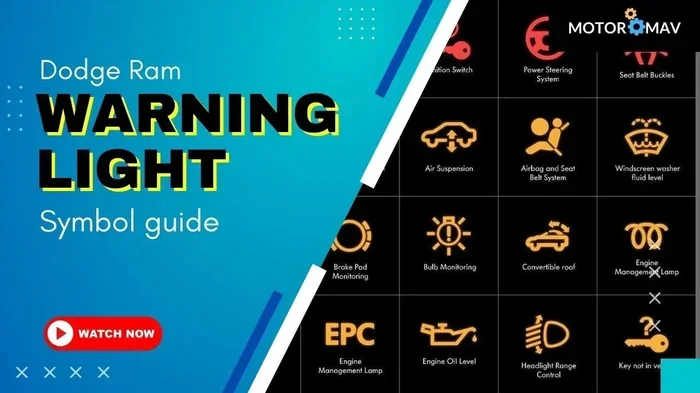
When the ESP BAS dashboard light illuminates, it means the vehicle’s computer has detected a malfunction in one or both of these systems. The light usually looks like a car with squiggly lines underneath it. It may stay on constantly or flash intermittently. Either way, it is telling you that something needs attention.
Here is the important part. When this light is on, your Dodge may not respond the same way during critical driving moments. The stability control malfunction could mean less grip on wet roads, longer stopping distances, or reduced cornering stability. That is why it is smart to address the issue as soon as you notice it.
How ESP and BAS Work Together
Your Dodge uses a network of sensors to monitor wheel speed, steering angle, yaw rate, and lateral acceleration. The ESP system uses this data to detect when the vehicle is starting to skid or slide. The BAS system then applies extra braking force to help you stop quickly. When either system has a fault, the ESP BAS light Dodge warns you that protection is reduced.
Common Causes of ESP BAS Light on Dodge Vehicles
So, what triggers the ESP BAS warning light? There are several reasons this light can come on in a Dodge vehicle. Some causes are simple and easy to fix. Others require more involved repairs. Let us look at the most common culprits.
Faulty Wheel Speed Sensors
The most frequent reason for the ESP BAS light to come on is a bad wheel speed sensor. These sensors monitor how fast each wheel is spinning. When one sensor fails or gets dirty, it sends incorrect data to the vehicle’s computer. The system cannot properly assess stability, so it triggers the warning light.
Wheel speed sensors can fail due to dirt buildup, wire damage, or normal wear over time. On Dodge Rams especially, these sensors are exposed to road debris and salt, which can speed up deterioration.
Low Brake Fluid Level
Your Dodge’s brake assist system relies on adequate brake fluid to operate correctly. When the fluid level drops too low, the system detects a problem and turns on the ESP BAS light. A slow brake fluid leak or worn brake pads can cause the level to drop over time.
If you notice the light along with a soft or spongy brake pedal, low fluid is likely the cause. Check your brake fluid reservoir under the hood. If it is below the minimum line, topping it off may resolve the issue.
Bad Steering Angle Sensor
The steering angle sensor tells your Dodge’s computer where the front wheels are pointed. If this sensor malfunctions, the ESP and BAS systems cannot work properly. A faulty steering angle sensor is a common cause of the ESP BAS light Dodge issue, especially after a steering column repair or alignment.
ABS Module Problems
The ABS module controls anti-lock braking and works closely with both ESP and BAS. When the ABS module has an internal fault or electrical issue, the ESP BAS warning light often follows. ABS module failures can happen due to moisture intrusion, corroded connectors, or general age-related wear.
Faulty Power Steering Pressure Switch
On some Dodge models, a bad power steering pressure switch can trigger the ESP BAS light. This switch monitors the pressure in the power steering system. When it fails, the computer may interpret it as a stability issue and activate the warning light.
Wiring and Electrical Issues
Sometimes the problem is not a single part. Damaged wiring, corroded connectors, or a blown fuse can all cause the ESP BAS dashboard light to come on. Electrical gremlins can be tricky to track down, but they are a real possibility if no single sensor or component appears faulty.
How to Diagnose the ESP BAS Warning Light
Before you start replacing parts, it is smart to properly diagnose the issue. A correct diagnosis saves you money and prevents unnecessary part swaps. Here is how to approach it.
Use an OBD-II Scanner
The best first step is to use an OBD-II scanner to read the trouble codes stored in your Dodge’s computer. These codes tell you exactly which sensor or system triggered the fault. You can buy a basic scanner for under $30 or visit an auto parts store that offers free code reading.
Common trouble codes related to the ESP BAS light Dodge issue include codes for wheel speed sensors, steering angle sensors, and ABS module faults. Write down the codes and look them up to understand what they mean.
Visual Inspection
After scanning for codes, do a visual inspection of the brake system. Check the brake fluid level, look for leaks around the brake lines, and inspect the wiring harnesses connected to the sensors. Sometimes a loose connector or a corroded wire is all it takes to trigger the light.
Check for Recent Repairs
Have you recently had work done on your Dodge? Steering alignments, brake jobs, or suspension repairs can sometimes disturb sensors or connectors. If the light appeared after a repair, that is a strong clue about the cause.
Step-by-Step Fixes for ESP BAS Light on Dodge
Once you know what is causing the ESP BAS light, you can take steps to fix it. Here are the most common solutions, ordered from simplest to most complex.
Fix 1: Reset the Light After Repair
If you have already fixed the underlying issue, the light may not turn off on its own. Use your OBD-II scanner to clear the trouble codes. In many cases, this will turn off the ESP BAS dashboard light. If the problem was temporary, the light should stay off.
Fix 2: Top Off Brake Fluid
If the cause is low brake fluid, simply refilling the reservoir may do the trick. Use the correct brake fluid type for your Dodge model, which is usually DOT 3 or DOT 4. Fill to the full line, start the vehicle, and check if the light goes off.
Fix 3: Replace a Faulty Wheel Speed Sensor
If the OBD-II scanner shows a wheel speed sensor code, you will likely need to replace the sensor. On most Dodge models, the wheel speed sensor is located near the wheel hub or rear axle. The replacement process involves removing the old sensor, cleaning the mounting area, and installing a new one.
Wheel speed sensors are relatively affordable, usually costing between $20 and $80 for the part. If you are comfortable working under the vehicle, this is a repair you can do at home with basic tools.
Fix 4: Replace the Steering Angle Sensor
A bad steering angle sensor requires replacement and recalibration. The sensor is usually mounted on the steering column. After installing a new sensor, you may need to perform a calibration procedure using a diagnostic tool. Some Dodge models allow you to recalibrate by turning the steering wheel lock to lock with the ignition on.
Fix 5: Repair or Replace the ABS Module
ABS module issues are more serious and often more expensive. If the module has internal damage, it may need to be rebuilt or replaced entirely. A new ABS module can cost several hundred dollars, and labor adds to the total. In some cases, a repair shop can rebuild the module for less money.
Fix 6: Fix Wiring and Electrical Connections
If the problem is electrical, trace the wiring harness connected to the affected sensor or module. Look for frayed wires, loose connectors, or corrosion. Repairing or replacing damaged wiring can resolve the ESP BAS light Dodge issue without replacing expensive components.
Preventing the ESP BAS Light from Coming Back
Once you have fixed the ESP BAS warning light, you want to keep it off. Prevention is always better than repair. Here are some tips to help you avoid future problems.
- Check brake fluid regularly: Inspect the fluid level and condition every few months. Top it off as needed and watch for leaks.
- Keep sensors clean: Wheel speed sensors can get clogged with mud and road grime. Clean them during routine vehicle washes or brake services.
- Address warning lights promptly: Do not ignore dashboard lights. The sooner you diagnose and fix an issue, the less damage it can cause.
- Follow your Dodge maintenance schedule: Regular maintenance keeps all systems, including stability control and brake assist, working properly.
- Drive carefully in rough conditions: Harsh driving on potholed roads or through deep water can damage sensors and wiring over time.
When to See a Mechanic for ESP BAS Light Issues
Some fixes are simple and doable at home. But there are times when you should let a professional handle the repair. If you have checked the brake fluid, scanned for codes, and the light still will not go off, it is time to see a mechanic. Similarly, if the OBD-II scanner shows an ABS module fault or a complex wiring issue, professional diagnosis is the safest route.
Also, if you notice other symptoms along with the ESP BAS light, such as a grinding noise when braking, a pulling sensation to one side, or a complete loss of braking power, stop driving and get the vehicle towed. These signs point to a serious brake system problem that needs immediate attention.
Cost Estimates for Common Repairs
Repair costs for the ESP BAS light Dodge issue vary depending on the cause. Here is a rough breakdown to help you budget.
- Brake fluid top-off: $10 to $20 for fluid, usually free if you do it yourself.
- Wheel speed sensor replacement: $100 to $250 including parts and labor.
- Steering angle sensor replacement: $150 to $350 depending on the Dodge model.
- ABS module repair or replacement: $300 to $1,000 or more, depending on the extent of damage.
- Wiring repair: $50 to $200 depending on the complexity of the electrical issue.
These are general estimates. Actual costs depend on your specific Dodge model, the repair shop’s labor rates, and the availability of parts. Always get a quote before committing to a major repair.
Key Takeaways for Dodge Owners
The ESP BAS light is your Dodge’s way of telling you that its safety systems need attention. Whether the cause is a simple low brake fluid level or a more complex ABS module failure, addressing the issue promptly keeps you and your passengers safe. Use an OBD-II scanner to diagnose the problem, follow the repair steps that match the cause, and take preventive measures to avoid future issues. A little attention to your vehicle’s warning lights goes a long way in keeping your Dodge running strong and safe on every road you travel.
Frequently Asked Questions
Can I still drive my Dodge with the ESP BAS light on?
You can drive short distances with the ESP BAS light on, but it is not recommended. Your vehicle’s stability control and brake assist systems are compromised, which means you have less protection during emergency maneuvers or on slippery roads. Get the issue diagnosed and fixed as soon as possible.
How much does it cost to fix the ESP BAS light on a Dodge?
The cost depends on the root cause. Simple fixes like topping off brake fluid cost very little. Replacing a wheel speed sensor typically runs $100 to $250. More complex repairs like an ABS module replacement can cost $300 to $1,000 or more. Always get a professional estimate before proceeding.
Will the ESP BAS light reset itself after fixing the problem?
In many cases, the light will turn off after the repair is complete and you drive the vehicle for a short distance. However, sometimes you need to manually clear the trouble codes with an OBD-II scanner. If the underlying issue is not fully resolved, the light will come back on again.
What is the difference between ESP and BAS on a Dodge?
ESP, or Electronic Stability Program, helps prevent your Dodge from skidding or sliding during sharp turns or sudden maneuvers. BAS, or Brake Assist System, detects emergency braking and applies maximum braking force. Both systems share sensors and work together, which is why a fault in either one triggers the combined ESP BAS warning light.
Can a dead battery cause the ESP BAS light to come on?
Yes, a weak or dying battery can cause voltage fluctuations that confuse the vehicle’s computer and trigger the ESP BAS dashboard light. If the light appeared after your battery died or you jumped your vehicle, the electrical system may need to stabilize. Try driving the vehicle for a while and see if the light turns off.
How often should I check my brake fluid to prevent ESP BAS light issues?
It is a good habit to check your brake fluid level once a month and inspect it during every oil change. Low brake fluid is one of the most common causes of the ESP BAS light Dodge problem, and regular checks help you catch the issue early before it triggers a warning light or causes brake problems.