Toyota Corolla Check Engine Light Causes And Simple Fixes
The Toyota Corolla check engine light can come on for many reasons, from a loose gas cap to a faulty oxygen sensor. Understanding what triggers this warning helps you take action quickly and avoid costly repairs. This guide covers the most common Toyota Corolla check engine light causes and gives you simple, step-by-step fixes you can try yourself. We also share expert tips on when to see a mechanic and how to prevent future problems.
You are driving your Toyota Corolla down the road, and suddenly a yellow light shaped like an engine pops up on your dashboard. Your heart sinks. What does it mean? Is your car about to break down? The truth is, a Toyota Corolla check engine light can come on for dozens of reasons. Some are tiny problems you can fix in minutes. Others need a mechanic’s attention. Either way, knowing what to look for makes all the difference.
This guide walks you through every common Toyota Corolla check engine light cause. We also share simple fixes you can do at home without spending a lot of money. Whether you are a beginner or a seasoned car owner, you will find practical advice here. Let us get into it and help you turn off that annoying light once and for all.
Key Takeaways
- Loose gas cap: The most common and easiest fix for a Toyota Corolla check engine light.
- Oxygen sensor failure: A frequent cause that affects fuel economy and emissions in your Toyota Corolla.
- Spark plug issues: Worn or fouled spark plugs can trigger the check engine light and cause engine misfires.
- Catalytic converter problems: A serious issue that needs prompt attention to avoid expensive repairs.
- DIY diagnosis: An OBD-II scanner lets you read error codes at home and save money on diagnostics.
- Flashing light = urgent: A flashing check engine light means stop driving and get help immediately.
- Prevention works: Regular maintenance keeps your Toyota Corolla running smooth and the warning light off.
📑 Table of Contents
- What Does the Toyota Corolla Check Engine Light Mean?
- Top Toyota Corolla Check Engine Light Causes
- How to Diagnose the Problem Yourself
- Simple Fixes You Can Do at Home
- When to See a Professional Mechanic
- Preventing Future Check Engine Light Issues
- Cost Breakdown for Common Toyota Corolla Check Engine Repairs
- Key Takeaways
- Conclusion
What Does the Toyota Corolla Check Engine Light Mean?
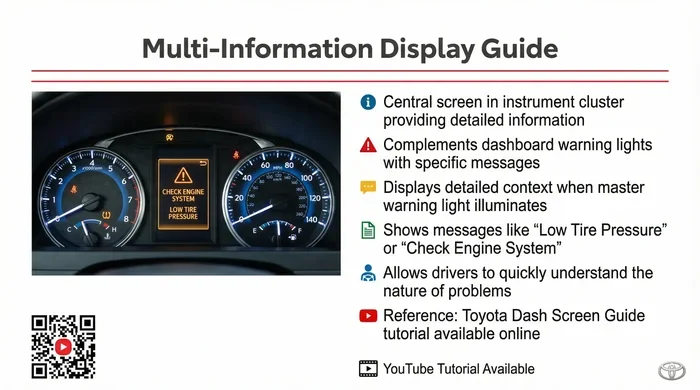
The check engine light is part of your car’s onboard diagnostics system. This system is called OBD-II, and it monitors many engine components. When something is off, the system stores a code and lights up your dashboard. The light can look different depending on the situation.
Solid Yellow Light vs. Flashing Red Light
A solid yellow light usually means a non-emergency issue. Your car might still run fine, but something needs attention. A flashing red light is more serious. It often signals a severe engine misfire that can damage your catalytic converter. If your light is flashing, pull over safely and get your car looked at right away.
Many people ignore the Toyota Corolla check engine light because the car still drives normally. That is a big mistake. Small problems can grow into big, expensive ones if you do not address them early.
Top Toyota Corolla Check Engine Light Causes
Not all check engine lights are the same. Different causes trigger different codes. Here are the most common reasons a Toyota Corolla check engine light comes on, along with what you can do about each one.
Loose or Faulty Gas Cap
This is the number one reason the check engine light turns on. The gas cap seals your fuel system and keeps vapors from escaping. If the cap is loose, damaged, or missing, your fuel system loses pressure. The car’s computer sees this as a leak and triggers the Toyota Corolla check engine light.
Here is how to fix it:
- Stop your car and check the gas cap.
- Turn it clockwise until you hear it click.
- Drive for a few miles and see if the light goes off.
- If the cap is cracked or damaged, replace it. A new gas cap costs under five dollars.
This simple fix solves the problem about 20 percent of the time. It is always worth checking first.
Oxygen Sensor Failure
The oxygen sensor measures how much unburned oxygen is in your exhaust. It helps the engine control module adjust the fuel mixture. Over time, these sensors get covered in carbon buildup and stop working properly.
When the oxygen sensor fails, your Toyota Corolla may use more fuel than it should. You might also notice rough idling or a sulfur smell from the exhaust. Replacing an oxygen sensor costs between 100 and 200 dollars for parts and labor. You can also buy an aftermarket sensor and install it yourself if you are handy.
Worn or Fouled Spark Plugs
Spark plugs ignite the air-fuel mixture in your engine cylinders. When they wear out, they cannot create a strong enough spark. This leads to engine misfires, which is one of the most common Toyota Corolla check engine light causes.
Signs your spark plugs need replacing include:
- Rough or shaky idle
- Difficulty starting the engine
- Poor acceleration
- Increased fuel consumption
Most Toyota Corolla models need new spark plugs every 30,000 to 100,000 miles depending on the type. Check your owner’s manual for the exact schedule. Replacing spark plugs is one of the easiest maintenance tasks you can do at home.
Catalytic Converter Issues
The catalytic converter reduces harmful emissions from your exhaust. It converts carbon monoxide and hydrocarbons into less harmful gases. When it fails, the Toyota Corolla check engine light comes on, and you may notice a rotten egg smell.
Catalytic converter problems are serious and expensive. Replacement can cost anywhere from 500 to 2,000 dollars. Common causes of catalytic converter failure include:
- Ignoring engine misfires for too long
- Oil or coolant leaks into the exhaust
- Using the wrong fuel or oil
The best way to prevent this is to address engine problems early. Do not ignore misfires or rough running.
Mass Airflow Sensor Problems
The mass airflow sensor measures the amount of air entering the engine. It tells the computer how much fuel to inject. When this sensor gets dirty or fails, the engine runs too rich or too lean.
Symptoms of a bad mass airflow sensor include:
- Stalling shortly after starting
- Hesitation during acceleration
- Poor fuel economy
Cleaning the sensor with a special mass airflow cleaner often fixes the problem. A replacement sensor costs around 100 to 200 dollars. This is another fix you can handle yourself with basic tools.
EVAP System Leak
The EVAP system, or evaporative emission control system, prevents fuel vapors from escaping into the atmosphere. A leak in this system often triggers the Toyota Corolla check engine light.
Common EVAP system problems include:
- Cracked or disconnected vacuum hoses
- A faulty purge valve
- A leaking fuel tank or fuel filler neck
Diagnosing an EVAP leak can be tricky because the leak is often very small. A mechanic with smoke testing equipment can find the exact source. For simple issues like a loose hose, you might be able to fix it yourself.
Ignition Coil Failure
The ignition coil converts the battery’s low voltage into the high voltage needed to create a spark at the plugs. When one coil fails, that cylinder stops firing properly. This causes a misfire and lights up the check engine warning.
Ignition coil replacement is straightforward. A single coil costs about 30 to 75 dollars. If you have multiple coils failing, it might indicate a deeper electrical issue that needs professional diagnosis.
How to Diagnose the Problem Yourself
You do not need to visit a mechanic right away. With the right tools, you can find out what is causing your Toyota Corolla check engine light in minutes.
Using an OBD-II Scanner
An OBD-II scanner is a small device that plugs into your car’s diagnostic port. The port is usually located under the dashboard on the driver’s side. Once plugged in, the scanner reads the diagnostic trouble codes stored in your car’s computer.
Here is how to use one:
- Turn your ignition to the on position (do not start the engine).
- Plug the scanner into the OBD-II port.
- Turn the scanner on and wait for it to connect.
- Read the code displayed on the screen.
- Look up the code online or in your scanner’s database.
Common codes for Toyota Corolla check engine issues include P0300 (random misfire), P0420 (catalytic converter efficiency), and P0171 (system too lean). You can buy a basic OBD-II scanner for 20 to 40 dollars at any auto parts store.
Free Code Reading at Auto Parts Stores
Many auto parts stores like AutoZone and O’Reilly offer free code reading. You can drive in, have them plug in a scanner, and get your codes for free. This saves you a trip to the mechanic just to find out what is wrong.
Just remember that the code tells you what sensor or system triggered the light. It does not always tell you the root cause. A P0300 code means a misfire, but it does not tell you which cylinder or why.
Simple Fixes You Can Do at Home
Once you know what is causing the Toyota Corolla check engine light, you can often fix it yourself. Here are some of the easiest repairs anyone can handle.
Fixing a Loose Gas Cap
Remove the gas cap, inspect it for cracks, and tighten it firmly. If it is damaged, buy a replacement. After installing the new cap, drive for 50 to 100 miles. The light should turn off on its own as the system completes its self-check cycle.
Replacing Spark Plugs
You will need a spark plug socket, a ratchet, and a gap tool. Remove the ignition coil or spark plug wire, unscrew the old plug, gap the new one to specification, and screw it in. Do not overtighten. Repeat for each cylinder. This job takes about 30 minutes for most Corolla models.
Cleaning the Mass Airflow Sensor
Locate the mass airflow sensor in the air intake duct. Remove it carefully and spray it with mass airflow sensor cleaner. Do not touch the delicate wires inside. Let it dry completely before reinstalling. This simple cleaning can restore proper airflow readings and turn off your check engine light.
Resetting the Light After Repair
After fixing the problem, you need to clear the code. You can do this with an OBD-II scanner by selecting “clear codes.” Alternatively, you can disconnect the negative battery terminal for 15 minutes. The light should stay off if the repair was successful. If it comes back, the problem is not fully resolved yet.
When to See a Professional Mechanic
Some Toyota Corolla check engine light issues are beyond DIY repair. Here are signs you need a professional:
- The check engine light is flashing — this indicates a serious misfire that can damage your engine.
- You notice a strong smell of fuel or exhaust inside the car.
- Your car is losing power or stalling frequently.
- Multiple warning lights are on at the same time.
- The light comes back after you cleared it and the repair attempt.
A trusted mechanic has advanced diagnostic tools and years of experience. They can pinpoint the exact problem quickly. While it costs more than a DIY fix, it saves you from making things worse.
For Toyota Corolla models from 2010 and newer, most dealerships and independent shops are familiar with common issues. You can also find a certified Toyota mechanic through the Toyota website for warranty-covered repairs.
Preventing Future Check Engine Light Issues
The best way to deal with a Toyota Corolla check engine light is to prevent it from coming on in the first place. Regular maintenance goes a long way.
Stick to Your Maintenance Schedule
Your owner’s manual lists recommended service intervals. Follow them for oil changes, spark plug replacements, air filter changes, and fuel system cleaning. Staying on top of maintenance keeps all engine systems running smoothly.
Use Quality Fuel and Parts
Always use the recommended fuel grade for your Corolla. Cheap or contaminated fuel can cause sensor problems and engine knock. Similarly, use OEM or high-quality aftermarket parts when replacing components like spark plugs, sensors, or hoses.
Pay Attention to Early Warning Signs
Your car often gives you hints before the check engine light comes on. Watch for these early signs:
- Slight decrease in fuel economy
- Minor roughness during idle
- Unusual sounds from the engine bay
- Faint smells from the exhaust area
Addressing these small issues early can prevent the check engine light from ever turning on.
Cost Breakdown for Common Toyota Corolla Check Engine Repairs
Repair costs vary depending on the problem and your location. Here is a general idea of what you might pay for common fixes.
| Repair | Parts Cost | Labor Cost | Total Estimate |
|---|---|---|---|
| Gas Cap Replacement | $3 – $15 | $0 (DIY) | $3 – $15 |
| Oxygen Sensor Replacement | $50 – $200 | $50 – $100 | $100 – $300 |
| Spark Plug Replacement | $20 – $50 | $0 (DIY) | $20 – $50 |
| Mass Airflow Sensor Cleaning | $10 (cleaner) | $0 (DIY) | $10 |
| Ignition Coil Replacement | $30 – $75 | $50 – $100 | $80 – $175 |
| Catalytic Converter Replacement | $400 – $2,000 | $100 – $200 | $500 – $2,200 |
These estimates give you a rough idea. Actual costs depend on your model year, engine type, and local labor rates. Always get a quote before approving major repairs.
Key Takeaways
- Check the gas cap first: A loose or damaged gas cap is the most common and easiest fix for a Toyota Corolla check engine light.
- Use an OBD-II scanner: Reading the diagnostic code at home saves time and money before visiting a mechanic.
- Common causes include oxygen sensors, spark plugs, and catalytic converters: These are well-known issues across Toyota Corolla model years.
- Many fixes are DIY-friendly: Spark plug changes, gas cap replacements, and MAF sensor cleaning are simple projects.
- Never ignore a flashing check engine light: It signals a serious problem that needs immediate professional attention.
- Regular maintenance prevents most issues: Staying current with your service schedule keeps your Toyota running trouble-free.
- Know your costs: Understanding repair estimates helps you make informed decisions about when to DIY and when to see a pro.
Conclusion
A Toyota Corolla check engine light does not have to be scary. In most cases, the cause is simple and the fix is affordable. Start with the basics — check your gas cap, read the error code, and inspect the most common culprits like spark plugs and sensors. Many of these repairs take just minutes and cost very little.
When the problem is beyond a simple fix, do not hesitate to visit a qualified mechanic. Early diagnosis saves you from bigger headaches down the road. The key is to act quickly and not ignore the warning.
Keep this guide handy for your next Toyota Corolla check engine light situation. With the right knowledge and a few basic tools, you can handle most issues confidently. Your car will thank you, and your wallet will too.
Frequently Asked Questions
Can I drive my Toyota Corolla with the check engine light on?
If the light is solid yellow and your car drives normally, you can usually drive a short distance to a repair shop. However, if the light is flashing, pull over immediately. A flashing light often signals a severe misfire that can damage your catalytic converter and other expensive components.
How much does it cost to diagnose a Toyota Corolla check engine light?
Many auto parts stores read the codes for free. If you visit a mechanic, diagnostic fees typically range from 50 to 150 dollars. The actual repair cost depends entirely on what is causing the light to come on.
Will the check engine light turn off by itself?
Sometimes yes. If the issue was temporary, like a loose gas cap, the light may turn off after a few drive cycles. However, if the problem persists, the light will stay on or come back. You should always address the root cause rather than just clearing the code.
What is the most common Toyota Corolla check engine light cause?
The most common cause is a loose or faulty gas cap. Other frequent triggers include oxygen sensor failure, worn spark plugs, and catalytic converter issues. Using an OBD-II scanner helps you identify the exact cause quickly.
How do I reset the check engine light after fixing the problem?
You can reset the light using an OBD-II scanner by selecting the clear codes option. Alternatively, disconnect the negative battery terminal for 15 minutes. The light should stay off if the repair was successful. If it returns, the underlying problem has not been fully resolved.
How often should I replace the oxygen sensor in my Toyota Corolla?
Most Toyota Corolla oxygen sensors need replacement between 60,000 and 100,000 miles. Check your owner’s manual for the specific interval. A failing oxygen sensor reduces fuel economy and increases emissions, so replacing it on schedule is a smart move.
=== CONCLUSION ===
The Toyota Corolla check engine light is a warning you should never ignore, but it is also rarely a reason to panic. From a loose gas cap to a faulty oxygen sensor, the causes range from simple to complex. The best approach is to diagnose the problem early, try the fixes you can handle yourself, and seek professional help when needed.
Regular maintenance and quick responses to warning signs keep your Toyota Corolla running strong for years. Use this guide as your go-to resource whenever that yellow engine light appears on your dashboard.