How to Jump Start Your Car with a Portable Battery Pack
Knowing how to jump start your car with a portable battery pack can save you from a frustrating roadside breakdown. A portable jump starter is a compact, rechargeable device that delivers enough power to crank your engine without needing another vehicle. This guide walks you through choosing the right booster pack, the safe jump start procedure, and essential car battery maintenance tips to keep you prepared anytime.
There is nothing worse than turning your key and hearing nothing but a clicking sound. Your car battery is dead, and you are stuck. But here is the good news. You do not need to wait for a tow truck or flag down a stranger. A portable battery pack can get your engine running again in minutes.
More drivers are discovering the power of a lithium jump starter. These small devices fit in your glove box or trunk and deliver serious energy when you need it most. Whether you are dealing with a dead battery in a parking lot or on a cold winter morning, a booster pack is your best friend.
In this article, we will cover everything you need to know about how to jump a car with a battery pack. We will walk through how these devices work, how to pick the right one, the exact steps to follow, and the mistakes to avoid. By the end, you will feel confident handling a jump start procedure on your own.
Key Takeaways
- A portable battery pack is a must-have: It lets you jump start your car anywhere without another vehicle.
- Match the pack to your engine: Check cold cranking amps and 12V battery compatibility before buying.
- Follow safety steps carefully: Proper clamp connections and terminal placement prevent damage and injury.
- Avoid common mistakes: Never reverse polarity or skip ventilation during the engine start process.
- Maintain your booster pack: Regular charging and storage extend the life of your lithium jump starter.
- Keep it in your emergency kit: A compact jump starter doubles as a portable power station for phones and devices.
📑 Table of Contents
- What Is a Portable Battery Pack for Jump Starting?
- Why You Should Keep a Battery Pack in Your Car
- How to Choose the Right Portable Jump Starter
- Step-by-Step: How to Jump Start Your Car with a Battery Pack
- Common Mistakes to Avoid When Jump Starting
- Maintaining Your Portable Battery Pack for Long-Term Use
- Expert Tips for a Smooth Jump Start
- Comparison: Portable Jump Starter vs. Traditional Jump Cables
What Is a Portable Battery Pack for Jump Starting?
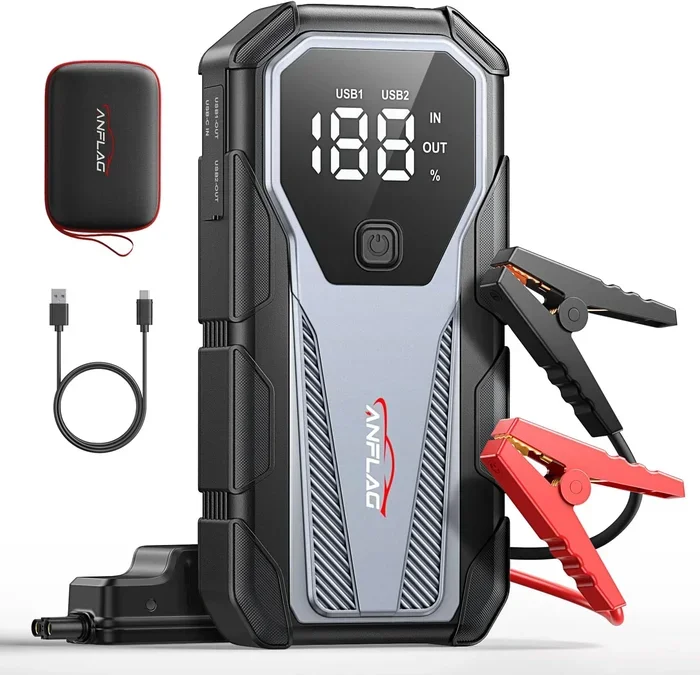
A portable jump starter is a small, rechargeable device that stores electrical energy. It connects directly to your car battery and provides the burst of power needed to turn over your engine. Think of it as a backup battery for your car.
Most modern units use lithium-ion technology, which makes them lightweight and compact. You can find compact jump starter models that are smaller than a smartphone. Despite their size, they pack enough punch to start gasoline engines up to 6.0 liters and diesel engines up to 3.0 liters.
How Does It Work?
The battery pack for car stores energy in its internal cells. When you connect it to your dead battery, it sends a high-current surge through the jump cables to your engine. This surge cranks the starter motor and fires up the engine. Once running, your alternator takes over and recharges the automotive battery.
Many portable power station units also include USB ports. This means you can charge your phone, tablet, or other devices on the go. It is a two-in-one tool that belongs in every emergency roadside kit.
Why You Should Keep a Battery Pack in Your Car
A dead battery can happen to anyone. It does not matter how new or old your car is. Extreme weather, short trips, and old age can all drain your 12V battery faster than you expect.
Here are the top reasons to carry a portable battery pack in your vehicle:
- Independence: You do not need another car or a jump cable set from a stranger. Your booster pack handles everything.
- Speed: A full engine start takes just a few minutes. No waiting for roadside assistance.
- Safety: You avoid risky situations like standing alone on a dark highway.
- Convenience: The device is lightweight and fits in any trunk or back seat.
- Multi-use: Many models offer USB charging, LED flashlights, and even air compressor functions.
When you compare the cost of a lithium jump starter to a tow truck bill, the investment pays for itself quickly. Most quality units cost between $50 and $150. A single roadside call can cost $100 or more.
How to Choose the Right Portable Jump Starter
Not all battery packs for car use are the same. Choosing the right one depends on your vehicle, your needs, and your budget. Here is what to look for.
Check the Cold Cranking Amps (CCA)
Cold cranking amps measure how much power a booster pack can deliver in cold weather. The higher the CCA rating, the easier it starts your engine in winter. For most passenger cars, look for at least 200 to 400 CCA. Trucks and SUVs need 600 CCA or more.
Match the Voltage to Your Vehicle
Almost all passenger cars use a 12V battery. Make sure your portable jump starter matches this voltage. Some units come with adjustable settings for different battery types. Always double-check before connecting.
Consider Size and Portability
A compact jump starter should be easy to carry. Look for models with built-in handles or clips. If you have limited trunk space, a small lithium jump starter is ideal. You want something you will actually remember to bring along.
Look for Extra Features
Many modern portable battery packs go beyond just jump starting. Useful extras include:
- USB charging ports for phones and tablets
- LED flashlight with strobe and SOS modes
- Built-in air compressor for tire inflation
- LCD display showing battery level and charge status
- USB-C and wireless charging compatibility
Step-by-Step: How to Jump Start Your Car with a Battery Pack
Now for the part you have been waiting for. Here is the exact jump start procedure to follow when your car battery dies. Read these steps carefully and keep them in mind for future emergencies.
Step 1: Prepare the Battery Pack
Before you do anything, make sure your portable jump starter is fully charged. Check the LCD display or indicator light. A low battery pack will not deliver enough power to crank your engine. If it is low, charge it the night before using it.
Place the booster pack on a flat, stable surface near the engine. Keep it away from moving parts like belts and fans.
Step 2: Locate the Car Battery Terminals
Open your hood and find your car battery. You will see two battery terminals — one marked with a plus sign (+) and one with a minus sign (-). The positive terminal is usually red, and the negative terminal is usually black.
If the terminals are corroded, wipe them clean with a cloth. Good metal-to-metal contact is essential for a successful engine start.
Step 3: Connect the Clamp Connections
This is the most critical step. Follow the order exactly to avoid short circuits or damage.
- Connect the red clamp to the positive (+) terminal on your car battery.
- Connect the other red clamp to the positive (+) port on the portable battery pack.
- Connect the black clamp to the negative (-) terminal on the booster pack.
- Connect the remaining black clamp to an unpainted metal surface on your car’s engine block. This is called grounding.
Never let the clamps touch each other once connected. Keep them separated and away from moving engine parts.
Step 4: Turn on the Battery Pack
Most lithium jump starter units have a power switch. Turn it on before attempting to start your car. Some models will beep or light up to confirm they are ready.
Step 5: Start the Engine
Turn your key or press the start button. The jump start procedure should fire up your engine within 5 to 10 seconds. If it does not start, wait at least 30 seconds before trying again. Overcranking can damage both the booster pack and your automotive battery.
Step 6: Disconnect in Reverse Order
Once your engine is running, disconnect the jump cables in the opposite order:
- Remove the black clamp from the engine block.
- Remove the black clamp from the battery pack.
- Remove the red clamp from the battery pack.
- Remove the red clamp from the car battery terminal.
Let your engine run for at least 15 to 20 minutes to recharge the car battery. If the battery was completely dead, you may need to drive for 30 minutes or more.
Common Mistakes to Avoid When Jump Starting
Even with a great portable jump starter, mistakes can happen. Here are the most common errors and how to avoid them.
Reversing the Polarity
Connecting the red and black clamps to the wrong terminals is the number one mistake. It can fry your car battery, damage the electronic systems in your vehicle, or even cause sparks and fire. Always double-check the plus and minus signs before connecting.
Skipping the Grounding Step
Some people connect the last black clamp directly to the negative terminal of the car battery. This is risky, especially with lithium jump starter units. Grounding the clamp on a metal part of the engine block reduces the chance of sparks near the battery, where hydrogen gas could ignite.
Forgetting to Turn on the Booster Pack
It sounds obvious, but many people skip this step. The battery pack must be powered on before you try to start the engine. Otherwise, it will not deliver any energy to crank the 12V battery.
Leaving the Pack Connected Too Long
Once your engine starts, disconnect the jump start cables promptly. Leaving the booster pack connected can cause overcharging or electrical issues. Keep the jump start procedure quick and efficient.
Ignoring Regular Maintenance of the Pack
A portable battery pack that sits unused for months will lose its charge. Charge your unit every 3 to 6 months to keep it ready for emergencies. A dead booster pack is just as useless as a dead car battery.
Maintaining Your Portable Battery Pack for Long-Term Use
Your compact jump starter is an investment. Proper car battery maintenance of the device itself ensures it works when you need it most.
Charge the lithium jump starter fully after every use. Even if you only used it briefly, recharge it to 100%. Store it in a cool, dry place away from direct sunlight. Extreme heat can degrade the internal cells and reduce the lifespan of your portable power station.
Check the LCD display regularly for battery level readings. Most units have a low-battery warning light. Do not ignore it. Charge the device immediately when the indicator shows a low charge.
Clean the clamp connections occasionally with a dry cloth. Corrosion on the clamps can reduce conductivity and make your jump cables less effective. A quick wipe-down keeps everything in top shape.
Replace your booster pack every 3 to 5 years, or sooner if you notice a significant drop in performance. Technology improves quickly, and newer lithium jump starter models offer better cold cranking amps, faster charging, and more features at lower prices.
Expert Tips for a Smooth Jump Start
Here are some extra tips from experienced drivers and automotive pros to make your jump start procedure even easier.
Keep the booster pack in your trunk year-round. Even in summer, a dead battery can strike. Heat accelerates battery drain just as much as cold does. Having a portable battery pack ready at all times removes the guesswork.
Practice the connection process at home. Familiarize yourself with the clamp connections and terminal layout before an emergency. Reading the instructions once is not enough. Do a dry run with the device turned off so you remember the steps under pressure.
Label your jump cables clearly. Red for positive, black for negative. This simple habit prevents confusion and keeps you safe during the engine start.
Share the knowledge. Teach a friend or family member how to use the booster pack. You never know who might need help on the road. A lithium jump starter makes a great gift for new drivers too.
Comparison: Portable Jump Starter vs. Traditional Jump Cables
Both options have their place, but they serve different needs. Here is a quick comparison to help you decide.
- Portable Jump Starter: Works alone, no second vehicle needed. Compact and portable. Can charge USB devices. Higher upfront cost but very convenient.
- Traditional Jump Cables: Require another vehicle with a working 12V battery and another person. Heavy and bulky. No extra features. Lower upfront cost but less practical for solo drivers.
For most drivers, a portable battery pack is the smarter choice. It gives you complete control and independence on the road.
A dead battery does not have to ruin your day. With the right portable jump starter and a little knowledge, you can handle the situation in minutes. Remember to choose a unit with enough cold cranking amps for your vehicle, follow the jump start procedure carefully, and maintain your booster pack regularly.
Keep your compact jump starter charged, store it in your car, and you will always be prepared. A small device like a lithium jump starter can make a huge difference when you least expect it. Stay safe, stay prepared, and never let a dead battery leave you stranded again.
Frequently Asked Questions
Can I use a portable battery pack on a diesel engine?
Yes, many portable jump starters work with diesel engines, but you need to check the cold cranking amps rating. Diesel engines typically require higher CCA. Look for a booster pack rated for diesel vehicles before connecting it.
How long does it take to charge a portable jump starter?
Most lithium jump starter units take 3 to 5 hours to fully charge. Some fast-charging models can reach full capacity in under 2 hours. Always refer to your specific battery pack for car manual for exact charging times.
Can I jump start my car in the rain with a battery pack?
Most modern portable battery packs are designed with weather-resistant housing. However, you should still try to keep the jump cables and battery terminals as dry as possible. Work quickly and avoid standing in standing water during the engine start process.
How often should I charge my portable jump starter?
Charge your compact jump starter every 3 to 6 months, even if you have not used it. The internal battery slowly loses charge over time. A fully charged booster pack is always ready when you need it.
What should I do if my car still won’t start after using the battery pack?
If the engine start fails after two attempts, wait at least 30 seconds between tries. The problem may not be the 12V battery alone. It could be a faulty alternator, starter motor, or another issue. In that case, call for professional roadside assistance.
Is it safe to leave a portable jump starter plugged in all the time?
Most quality portable power station units have built-in overcharge protection. However, it is best to unplug the device once it reaches full charge. This preserves the battery life and keeps your car battery maintenance routine simple and safe.