Audi Vehicle Code
An audi vehicle code is a diagnostic signal your car uses to tell you something needs attention. These codes help you and your mechanic find problems fast, saving time and money. This guide breaks down everything you need to know about reading, understanding, and fixing audi vehicle code alerts.
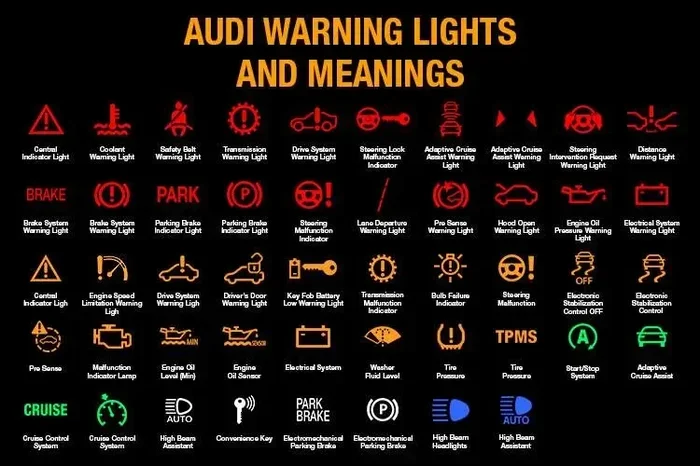
You are driving your Audi, and suddenly a light pops up on your dashboard. It looks like a little engine shape, and your stomach drops a bit. What does it mean? What is your car trying to tell you?
The answer lies in something called an audi vehicle code. These codes are like a secret language between your car and you. They tell you exactly what is going wrong, where the problem is, and how serious it might be. Once you learn how to read them, you will never feel lost again.
In this guide, we will walk you through everything you need to know about audi vehicle codes. We will explain what they are, how to read them, what the most common codes mean, and how to fix the problems behind them. Whether you drive an Audi A4, an Audi Q5, or any other model, this guide has you covered.
Key Takeaways
- Audi vehicle codes are diagnostic signals that alert you to problems in your car’s systems.
- OBD-II codes and manufacturer-specific codes work together to pinpoint issues accurately.
- Common audi vehicle codes include engine, transmission, and emissions-related alerts.
- A quality OBD-II scanner is the best tool for reading your Audi’s fault codes at home.
- Ignoring audi vehicle code warnings can lead to costly repairs down the road.
- Understanding body and chassis codes helps with model-specific troubleshooting.
- Regular diagnostics keep your Audi running smoothly and prevent major breakdowns.
📑 Table of Contents
- What Is an Audi Vehicle Code?
- Why Reading Audi Vehicle Codes Matters
- Common Audi Vehicle Codes You Should Know
- How to Read Audi Vehicle Codes
- Audi Model-Specific Vehicle Codes
- What to Do When You Get an Audi Vehicle Code
- Preventing Audi Vehicle Code Alerts
- Expert Insights on Audi Vehicle Codes
- Common Mistakes People Make with Audi Vehicle Codes
- The Future of Audi Vehicle Diagnostics
- Final Thoughts on Audi Vehicle Codes
What Is an Audi Vehicle Code?
Every modern Audi comes packed with smart sensors. These sensors watch over your engine, transmission, brakes, and more. When something goes wrong, the car sends out a signal. That signal is the audi vehicle code.
Think of it like a warning light, but smarter. Instead of just saying “something is wrong,” the code tells you exactly what is wrong. It points you in the right direction so you can fix things quickly.
How Do Audi Vehicle Codes Work?
Audi vehicles use a system called OBD-II. This stands for On-Board Diagnostics, second generation. It is a standard system used in cars made after 1996. Your Audi talks to this system all the time.
When a sensor detects a problem, the car’s computer stores a code. This code has a specific format. It usually starts with a letter, followed by numbers. The letter tells you which system the problem belongs to. The numbers give more details about the exact issue.
For example, a code starting with “P” usually relates to the powertrain. A code starting with “B” might point to the body of the car. Each letter has a clear meaning. Once you know the letter, you are already halfway to understanding the problem.
Why Reading Audi Vehicle Codes Matters
Some people ignore dashboard lights. They hope the problem goes away. But that is a risky move. Ignoring an audi vehicle code can turn a small fix into a big expense.
Here is why reading these codes matters so much:
- It saves you money. Catching problems early means cheaper repairs. A small sensor issue costs much less than a damaged engine.
- It keeps you safe. Some codes relate to brakes or steering. These are not things you want to ignore.
- It prevents further damage. A warning about your cooling system, for example, can save your engine from overheating.
- It helps your mechanic. When you bring your Audi in, having the code ready saves time and guesswork.
- It keeps your car running longer. Regular attention to codes means your Audi stays healthy for years.
Think of audi vehicle codes as your car’s way of talking to you. It is trying to help. All you need to do is listen.
Common Audi Vehicle Codes You Should Know
Not all codes are the same. Some are very common in Audi models. Others are more rare. Let us look at the ones you are most likely to see.
Engine-Related Audi Vehicle Codes
The engine is the heart of your Audi. When something goes wrong here, the car lets you know right away. Here are some frequent engine codes:
- P0300 – Random misfire detected. This means one or more cylinders are not firing properly.
- P0171 – System too lean (Bank 1). Your engine has too much air and not enough fuel.
- P0420 – Catalyst system efficiency low. The catalytic converter is not working as it should.
- P0401 – Insufficient EGR flow. The exhaust gas recirculation system is not flowing enough.
- P0301 – P0308 – Misfire in a specific cylinder. Each number matches a different cylinder.
These audi vehicle codes are very common across Audi models. If you see any of them, do not panic. But do not ignore them either. Many of these issues are easy to fix if you catch them early.
Transmission Audi Vehicle Codes
Your Audi’s transmission is complex. It shifts gears smoothly when everything works right. When something goes wrong, the codes can be quite specific:
- P0700 – Transmission control system malfunction. This is a general transmission warning.
- P0730 – Incorrect gear ratio. The transmission is not shifting into the right gear.
- P0753 – Shift solenoid A malfunction. A solenoid controls gear shifts, and this one is failing.
Transmission problems can get expensive fast. If you see a transmission-related audi vehicle code, get it checked soon. Waiting too long can lead to complete transmission failure.
Audi Body and Chassis Codes
Not all codes are about the engine or transmission. Some relate to the body and chassis of the car. These codes start with the letter “B” or “C”:
- B1000 – Generic body control module issue. This can affect things like power windows or door locks.
- C0035 – Left front wheel speed sensor problem. This relates to your ABS and traction control.
Audi body codes and chassis codes are not as common as engine codes, but they still matter. They affect your comfort and safety on the road.
How to Read Audi Vehicle Codes
Reading audi vehicle codes is easier than you might think. You do not need to be a mechanic. You just need the right tool and a little patience.
Using an OBD-II Scanner
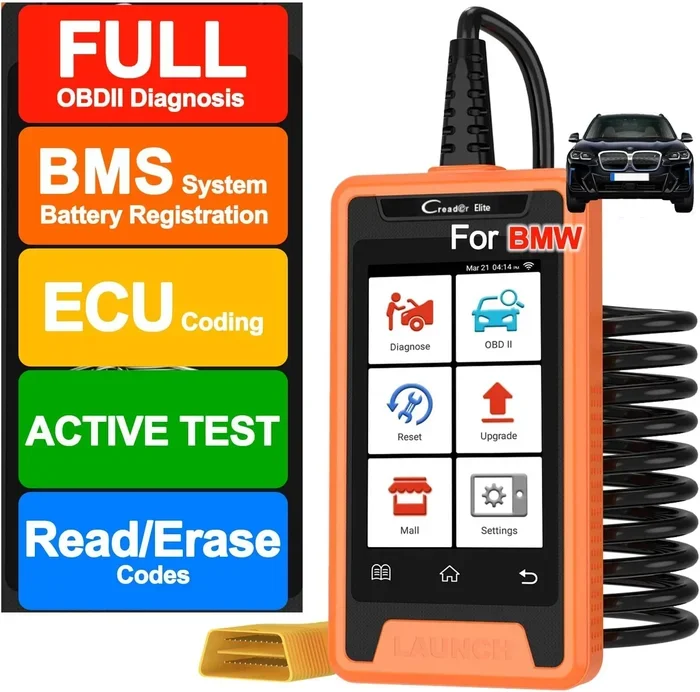
An OBD-II scanner is the best tool for reading your Audi’s codes. You can buy one at any auto parts store. Some scanners cost under $30, while others are more advanced.
Here is how to use one:
- Find your Audi’s OBD-II port. It is usually under the dashboard on the driver’s side.
- Plug the scanner into the port.
- Turn the ignition on (do not start the engine).
- Follow the scanner’s prompts to read the codes.
- Write down every code the scanner shows you.
- Look up each code in a reliable database or guide.
That is it. Within minutes, you will know what your audi vehicle code means. Many modern scanners even connect to your phone through Bluetooth. They give you a plain-English explanation of each code.
What the Letters and Numbers Mean
Every audi vehicle code follows a pattern. The first letter tells you the category:
- P – Powertrain (engine and transmission)
- B – Body (interior systems)
- C – Chassis (suspension and brakes)
- U – Network communication (computer systems talking to each other)
The second character is either a 0 or a 1. A 0 means it is a generic SAE code. A 1 means it is a manufacturer-specific code. The rest of the numbers give details about the exact problem.
Free vs Paid Scanning Tools
You have options when it comes to scanners. Free tools include visiting a parts store like AutoZone or O’Reilly. They will read your codes for free in most cases. However, free tools may not give you all the details.
Paid scanners give you more information. They can show you live data, freeze frame data, and manufacturer-specific codes. If you own an Audi regularly, investing in a good scanner pays for itself quickly.
Audi Model-Specific Vehicle Codes
Audi makes many different models. Each model has its own quirks and common problems. Let us look at a few popular models and the codes they tend to throw.
Audi A4 Vehicle Codes
The Audi A4 is one of the brand’s most popular sedans. It has a few codes that show up more often than others. Watch out for misfire codes and oil consumption warnings. The A4’s 2.0T engine is known for some specific issues that trigger unique audi vehicle codes.
Audi Q5 Vehicle Codes
The Audi Q5 is a compact luxury SUV. Common codes in the Q5 include turbo boost issues and thermostat failures. The Q5’s complex systems mean you want to stay on top of any warning lights.
Audi A3 Vehicle Codes
The Audi A3 is a smaller, more affordable entry into the Audi lineup. It still has the same advanced sensors and systems. Common A3 codes include fuel system issues and sensor failures related to its smaller engine options.
Audi A6 Vehicle Codes
The Audi A6 is a full-size luxury sedan. It has more complex systems than the A4 or A3. Owners should watch for codes related to air suspension, advanced driver assistance systems, and the sophisticated electrical network.
What to Do When You Get an Audi Vehicle Code
So you have read your audi vehicle code. Now what? Here is a simple action plan.
Step 1: Do Not Panic
Not every code means disaster. Some codes are minor. A loose gas cap can trigger a code. Before you worry, check the simple things first.
Step 2: Check for Obvious Problems
Look under your car. Is there a fluid leak? Check your oil level. Is your tire pressure low? Sometimes the fix is right in front of you.
Step 3: Research the Code
Look up the code online. Use trusted sources like Audi forums or official service manuals. Understand what the code means and how serious it is.
Step 4: Decide if You Can Fix It Yourself
Some codes are easy to fix. Replacing a sensor or tightening a gas cap takes minutes. Other codes need a professional mechanic. Be honest with yourself about your skill level.
Step 5: Clear the Code and Test Drive
After you fix the problem, clear the code with your scanner. Take your Audi for a test drive. If the light comes back on, the problem is not fully fixed yet.
Preventing Audi Vehicle Code Alerts
The best way to deal with audi vehicle codes is to prevent them in the first place. Regular maintenance goes a long way.
- Keep up with oil changes. Fresh oil keeps your engine running smoothly.
- Check your fluids regularly. Coolant, transmission fluid, and brake fluid all matter.
- Do not ignore small warnings. A small sound or light today can be a big problem tomorrow.
- Use quality fuel. Cheap fuel can cause engine codes in sensitive Audi engines.
- Get regular diagnostics. A quick scan at each oil change can catch problems early.
Taking care of your Audi means fewer surprise codes and fewer trips to the shop. It is simple but effective.
Expert Insights on Audi Vehicle Codes
Professional Audi technicians see these codes every day. Here is what the experts want you to know.
Do not rely only on the check engine light. The light tells you a code exists, but it does not tell you the full story. You need a scanner to read the actual code. Some problems exist without triggering the light at all.
Freeze frame data is your friend. When your Audi stores a code, it also saves a snapshot of what was happening at that moment. This data shows your RPM, speed, temperature, and more. It helps mechanics understand exactly when the problem occurred.
Manufacturer-specific codes are different from generic codes. Audi uses its own codes that standard OBD-II readers might not show. A quality scanner that supports Audi-specific protocols will give you the complete picture.
Intermittent codes can be tricky. Sometimes a code appears and then disappears. This does not mean the problem is gone. It means the issue comes and goes. These codes still need attention.
Common Mistakes People Make with Audi Vehicle Codes
Even car owners who care about their vehicles make mistakes. Here are the most common ones:
- Clearing codes without fixing the problem. This just hides the issue. The code will come back.
- Guessing what the code means. Not every code is obvious. Always look it up properly.
- Using a cheap scanner that misses codes. Some budget scanners do not read all Audi-specific codes.
- Waiting too long to address a code. Small problems become big problems when ignored.
- Ignoring pending codes. A pending code means a problem has been detected but not yet confirmed. It is still worth investigating.
Avoid these mistakes, and you will handle audi vehicle codes like a pro.
The Future of Audi Vehicle Diagnostics
Audi continues to push technology forward. Newer models have even more advanced diagnostic systems. Some Audis now send alerts directly to your phone. You can monitor your car’s health from anywhere.
Wireless scanners are becoming more popular. You plug a small device into your OBD-II port, and it connects to an app on your phone. These apps give you real-time data and detailed explanations of every audi vehicle code.
As Audis become more connected, diagnosing problems will only get easier. The days of guessing what a warning light means are fading fast.
Final Thoughts on Audi Vehicle Codes
Understanding your audi vehicle code is one of the best skills you can develop as an Audi owner. It puts you in control of your car’s health. It saves you money, keeps you safe, and helps you make smarter decisions about repairs.
You do not need to be a mechanic. You just need curiosity and a willingness to learn. With a simple scanner and this guide, you can decode what your Audi is trying to tell you. The next time a light comes on, you will know exactly what to do.
Your Audi is a sophisticated machine. It deserves your attention. Listen to what it is saying through its codes, and you will enjoy many more miles of smooth, reliable driving.
Frequently Asked Questions
What does an audi vehicle code tell me?
An audi vehicle code tells you exactly what system or part of your car has a problem. Each code points to a specific issue, whether it is in the engine, transmission, brakes, or body systems. It is like a diagnostic message from your car.
Can I drive my Audi with a check engine light on?
It depends on the code. Some codes are minor and safe to drive with. Others, especially those related to the engine or transmission, should be checked right away. If the light is flashing, pull over and get help immediately.
How much does it cost to scan for audi vehicle codes?
Many auto parts stores will scan your codes for free. If you buy your own OBD-II scanner, prices range from $20 to $200 depending on features. Professional diagnostic sessions at a shop usually cost between $75 and $150.
Do all audi vehicle codes mean something is broken?
Not always. Some codes are triggered by temporary issues like a loose gas cap or a brief electrical glitch. However, any code that comes back after being cleared should be taken seriously and investigated properly.
What is the difference between a generic code and an audi-specific code?
A generic code applies to all cars made after 1996. An Audi-specific code is unique to Audi models and their advanced systems. A basic scanner may only show generic codes, while a quality scanner reads both types.
How often should I scan my Audi for codes?
You do not need to scan every day. A good habit is to scan your Audi during every oil change or at least once a month. This helps you catch small problems before they turn into expensive repairs.
=== CONCLUSION ===
Audi vehicle codes are your car’s way of communicating with you. They are not something to fear or ignore. Instead, they are a powerful tool that helps you keep your Audi in top shape. By learning how to read and respond to these codes, you take control of your car’s maintenance and protect your investment.
Grab an OBD-II scanner, familiarize yourself with the common codes, and make diagnostics part of your regular routine. Your Audi will thank you with years of reliable performance. Start paying attention to those codes today, and you will be a smarter, more confident Audi owner tomorrow.