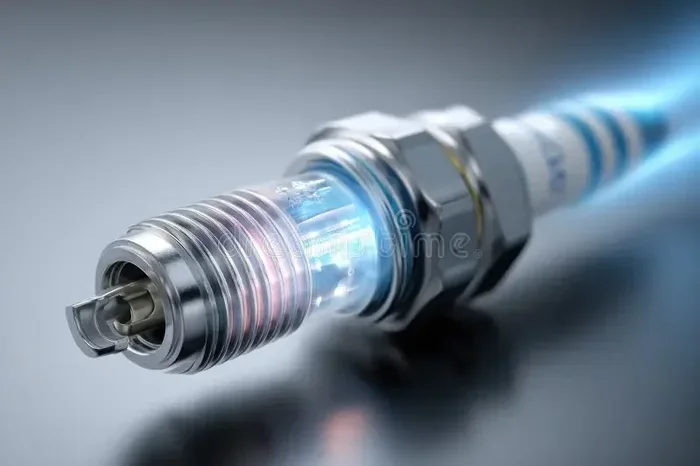
Best Spark Plugs for Better Mpg Info
Best spark plugs for better mpg can transform how far your fuel takes you. Upgrading to the right plug type improves combustion efficiency, fuel economy, and engine performance with minimal effort. Whether you choose iridium, platinum, or copper plugs, the right match saves money at the pump. This guide covers everything you need to know about spark plug replacement and mileage improvement. Read on to find the perfect plugs for your vehicle.
Key Takeaways
- Iridium spark plugs deliver the best MPG gains: Their ultra-fine electrode creates a stronger, more focused spark for improved combustion efficiency and fuel savings.
- Always match plugs to your vehicle: Check your owner manual for the correct spark plug type and spark plug gap to avoid engine misfire and wasted fuel.
- Replace all plugs at once: Mixing old and new plugs hurts combustion efficiency and reduces the mileage improvement you can expect.
- Trusted brands matter: NGK, Bosch, and Denso lead the industry in quality, thermal conductivity, and reliable engine performance.
- Don’t skip proper installation: Correct torque, gapping, and dielectric grease ensure your new plugs deliver their full fuel economy benefits.
- Upgrade proactively: Waiting for problems reduces gas mileage and risks damage to your fuel injector and ignition system components.
- Small changes add up: A single worn plug can cut fuel economy by 3%, costing you hundreds over a year of driving.
📑 Table of Contents
Why Spark Plugs Matter for Fuel Economy
Your engine works hard every time you turn the key. But did you know that best spark plugs for better mpg can make a real difference at the pump? Many drivers overlook this simple part, yet it plays a huge role in how far your money goes.
Spark plugs ignite the air-fuel mixture inside your engine’s cylinders. When they work properly, combustion happens smoothly and efficiently. But worn or dirty plugs can cause problems that drain your wallet over time.
The good news is that upgrading to the right spark plugs can improve fuel economy by a noticeable margin. You don’t need to be a mechanic to understand why this matters. Let’s break it down in simple terms.
Every vehicle depends on a reliable ignition system to run. The spark plug is the smallest and most overlooked component in that system. Yet without a clean, strong spark, your engine simply cannot perform at its best. This is why spark plug replacement deserves more attention from every driver.
How Spark Plugs Affect Your Gas Mileage
Every time a spark plug fires, it creates a tiny explosion that powers your engine. If the spark is weak or mistimed, that explosion is incomplete. This means wasted fuel and reduced gas mileage.
Old spark plugs also struggle to ignite the air-fuel mixture consistently. Your engine compensates by burning more fuel than necessary. Over thousands of miles, this adds up to hundreds of dollars wasted.
Think of it like a match that’s gone damp. It still lights, but not as well. A fresh, high-quality plug gives you a clean, strong spark every single time. That consistency is what drives mileage improvement and real fuel savings.
The Science Behind Combustion Efficiency
Modern engines rely on precise combustion efficiency to deliver peak performance. The spark plug is the trigger for the entire power cycle. Without a reliable spark, your engine can’t run at its best.
Here is what happens inside your engine during spark plug replacement and upgrades:
- The ignition system sends voltage to the spark plug
- The plug creates a spark across the electrode gap
- The spark ignites the compressed air-fuel mixture
- The explosion pushes the piston down
- Your car moves forward with power
Each step depends on the one before it. A weak spark at step two ruins everything that follows. This is why choosing best spark plugs for better mpg is so important. A quality plug ensures every step happens cleanly and completely.
The electrode gap plays a huge role in this process. If the gap is too wide, the spark weakens. If it is too narrow, the spark lacks the reach to ignite the mixture properly. Maintaining the correct spark plug gap is one of the easiest ways to protect your fuel economy.
Types of Spark Plugs and Their MPG Benefits
Not all spark plugs are created equal. Different materials offer different advantages for fuel economy and engine performance. Let us look at the three main types available today.
| Plug Type | Durability | MPG Benefit | Best For |
|---|---|---|---|
| Copper | 20,000-30,000 miles | Moderate | Older vehicles, budget drivers |
| Platinum | 60,000-100,000 miles | Good | Daily drivers, long-term savings |
| Iridium | 80,000-120,000 miles | Excellent | Max fuel economy and performance |
Copper Spark Plugs
Copper spark plugs have been around for decades. They use a solid copper core for excellent conductivity. These plugs are affordable and widely available at any auto parts store.
However, copper plugs tend to wear out faster than other options. Their electrode gap widens over time, which weakens the spark. For gas mileage, they are decent but not the best long-term option.
Best for: Older vehicles and budget-conscious drivers who change plugs frequently. If you drive an older car with a simple engine, copper plugs still get the job done well.
Platinum Spark Plugs
Platinum spark plugs last much longer than copper. The platinum-tipped electrode resists corrosion and wear. This means a more consistent spark plug gap over time and throughout the plug’s lifespan.
For drivers focused on fuel savings, platinum plugs are a solid middle ground. They cost more upfront than copper but save money in the long run through better mileage improvement. Many OEM manufacturers now install platinum plugs as standard equipment in new vehicles.
This tells you something important about their reliability and performance benefits. Car companies trust platinum plugs because they deliver steady engine performance over long distances. If your vehicle came with platinum plugs from the factory, sticking with them is usually the smart choice.
Iridium Spark Plugs
Iridium is the hardest material used in spark plugs. It lasts the longest and delivers the most consistent spark. For best spark plugs for better mpg, iridium is hard to beat.
The ultra-thin iridium center electrode creates a stronger, more focused spark. This improves combustion efficiency and reduces wasted fuel. The result is smoother idling, better acceleration, and noticeably improved fuel economy.
Yes, iridium plugs cost more than other options. But their longevity and MPG benefits often justify the investment. Many drivers report fuel savings within just a few tank fill-ups after switching to iridium.
The thermal conductivity of iridium also helps manage heat in the combustion chamber. This prevents overheating and extends the overall life of the plug. For anyone serious about gas mileage and long-term savings, iridium is the clear winner.
Top Brands for Better MPG
When it comes to spark plug brands, not all are created equal. Some manufacturers have built their reputation on delivering top-tier engine performance and reliability. Here are the brands you should seriously consider.
NGK Spark Plugs
NGK is one of the most trusted names in the industry worldwide. Their iridium spark plugs are engineered with precision and durability in mind. Many car enthusiasts swear by NGK for gas mileage gains and consistent engine performance.
NGK uses advanced thermal conductivity technology to manage heat in the combustion chamber. This prevents overheating and extends plug life significantly. Their spark plug gap specifications are also very precise right out of the box. You get a plug that is ready to perform the moment it goes in.
NGK offers a wide range of plugs for different vehicles and driving conditions. Whether you drive a compact sedan or a powerful truck, NGK has a plug designed for your needs. Their commitment to quality makes them a top choice for fuel economy optimization.
Bosch Spark Plugs
Bosch has been making spark plugs since the early days of the automobile industry. Their platinum and iridium lines are excellent for fuel economy and overall engine performance. Bosch plugs are known for lasting a long time and performing reliably in all conditions.
Bosch plugs feature a unique design that promotes better air-fuel mixture combustion. This directly translates to improved mileage improvement over standard copper plugs. They are also known for reliable ignition system performance in all weather conditions, from freezing winters to hot summers.
The build quality of Bosch plugs is consistently high. They use premium materials and rigorous testing to ensure every plug meets their standards. For drivers who want dependable fuel savings without worrying about plug failure, Bosch is an excellent choice.
Denso Spark Plugs
Denso supplies spark plugs to many original equipment manufacturers around the world. Their aftermarket plugs carry the same quality and engineering standards used by car companies. This means you get OEM-level performance at a great price.
Denso’s iridium plugs are particularly impressive for combustion efficiency. They use an ultra-fine center electrode that produces a powerful, focused spark. This means better fuel burn and fuel savings over time. The precise spark plug gap design ensures consistent performance mile after mile.
Denso also invests heavily in research on thermal conductivity and electrode design. Their plugs are engineered to handle the demands of modern engines with tight tolerances. For drivers who want the latest in plug technology, Denso delivers outstanding results for best spark plugs for better mpg goals.
How to Choose the Right Spark Plug for Your Vehicle
Picking the right plug is not just about brand loyalty. You need to match the plug to your specific vehicle and driving habits. The wrong plug can hurt engine performance and even cause long-term damage. Here is how to make the right choice.
Check Your Owner’s Manual First
Your vehicle’s owner manual lists the recommended spark plug type and spark plug gap. Always start here before buying anything. Using the wrong plug can hurt engine performance and even cause damage to other components.
The manual also tells you the recommended spark plug replacement interval. Sticking to this schedule keeps your fuel economy optimized and your engine running smoothly. Skipping recommended replacement is one of the fastest ways to lose gas mileage.
If you have lost your manual, most manufacturers publish them online for free. You can also look up your vehicle on the manufacturer’s website. Enter your VIN number for the most accurate plug recommendations.
Consider Your Driving Style
Do you drive mostly in the city or on the highway? City driving puts more stress on spark plugs because of frequent stopping and starting. Stop-and-go traffic creates more heat and carbon buildup on plugs. If you drive in city conditions, you benefit greatly from longer-lasting iridium spark plugs.
Highway drivers also see benefits from quality plugs. Consistent speeds rely on efficient combustion to maintain gas mileage. A weak spark at highway RPMs can cost you more than you might expect. The air-fuel mixture burns less completely at steady speeds if the spark is not strong enough.
Think about your typical driving patterns honestly. If you do a mix of both city and highway driving, iridium or platinum plugs give you the best balance of durability and fuel economy benefits.
Match the Plug to Your Engine Modifications
If you have made any engine modifications, your plug needs may change. Forced induction, performance cams, and fuel injector upgrades all affect combustion conditions. Choose plugs that are rated for your specific setup to avoid problems.
Modified engines run hotter and create different pressure levels inside the cylinders. Standard plugs may not handle these conditions well. Consult a trusted mechanic if you are unsure about the right plug for a modified engine. The right choice protects your ignition system and maximizes combustion efficiency.
Getting this right ensures your vehicle maintenance routine supports the engine you have, not the one you started with. It is a small detail that makes a big difference in fuel savings and long-term reliability.
Tips to Maximize MPG with New Spark Plugs
Installing new plugs is only half the battle. Here are practical tips to get the most fuel savings from your upgrade. Follow these steps and you will notice the difference at the pump.
- Gapped correctly: Always verify the electrode gap matches your vehicle’s specs before installation. Do not assume new plugs come pre-gapped for your specific engine.
- Replace all plugs at once: Mixing old and new plugs creates uneven combustion efficiency across cylinders. This hurts engine performance and mileage improvement.
- Check ignition coils: Bad coils can mimic spark plug problems. Inspect them during spark plug replacement to catch issues early.
- Use dielectric grease: A thin layer on the plug boot prevents corrosion and ensures a solid electrical connection for reliable ignition system performance.
- Torque to spec: Over-tightening can damage the cylinder head. Under-tightening causes poor sealing and potential engine misfire. Always use a torque wrench.
Quick Tips to Remember
Keep these simple tips in mind for the best results with your new plugs:
- Inspect plugs every 15,000 miles even if they have not reached replacement mileage
- Keep a spare set of plugs in your trunk for emergencies on the road
- Clean the spark plug well area before removal to prevent debris from entering the cylinder
- Use a torque wrench every single time for consistent and safe installation
- Record the date and mileage of each spark plug replacement to track mileage improvement
Expert Insights on Spark Plugs and MPG
Automotive experts agree that best spark plugs for better mpg is one of the simplest upgrades you can make. According to ASE-certified technicians, a single worn plug can reduce fuel economy by up to 3 percent. That might sound small, but over a full year of driving, it adds up to real money wasted at the pump.
Many mechanics also recommend upgrading plugs at the first sign of engine misfire. Ignoring early warning signs leads to worse problems like damaged fuel injector components or catalytic converter failure. Catching issues early saves money on vehicle maintenance and keeps your gas mileage where it should be.
Technicians also emphasize the importance of combustion efficiency. When all plugs fire evenly and strongly, the engine runs smoother and uses less fuel. This is the foundation of real fuel savings and better overall engine performance. It is a win-win that every driver can achieve with a simple plug upgrade.
Common Mistakes to Avoid
Even well-meaning car owners make mistakes when it comes to spark plugs. These errors can undo the benefits of a good plug upgrade. Here are the most common ones to watch out for.
- Using the wrong plug type: Not every plug works in every engine. Always match the plug to your vehicle’s specific requirements. Check the manual or consult a professional.
- Ignoring the gap setting: An incorrect spark plug gap hurts combustion efficiency and engine performance. Take five minutes to verify the gap before installing new plugs.
- Delayed replacement: Waiting too long between spark plug replacement intervals wears out plugs and reduces gas mileage. Set a reminder on your phone or calendar.
- Skipping the torque wrench: Hand-tightening is never precise enough. Use a torque wrench for proper installation and to prevent thread damage.
- Buying the cheapest option: Bargain plugs may save a few dollars now but cost more in fuel savings lost over time. Invest in quality for long-term value.
Why These Mistakes Cost You Money
The biggest mistake drivers make is assuming all spark plugs are the same. They are not. The material, design, and engineering behind premium plugs directly impact your fuel economy and mileage improvement. Spending a little more upfront on quality plugs pays for itself through better gas mileage over the life of the plug.
Another costly mistake is neglecting spark plug replacement until problems appear. By that point, your engine performance has already suffered and your fuel economy has dropped. Proactive maintenance keeps everything running smoothly and your fuel savings on track.
Finally, do not ignore the signs of worn plugs. Rough idling, poor acceleration, and difficulty starting are all red flags. Addressing these early through proper spark plug replacement protects your ignition system and keeps your combustion efficiency at its peak.
Conclusion
Choosing the best spark plugs for better mpg does not have to be complicated. Start with your vehicle’s manual, pick the right material for your driving style, and stick with trusted brands like NGK, Bosch, or Denso. These brands deliver consistent engine performance and real fuel savings that you can feel every time you drive.
The impact on your fuel economy and combustion efficiency can be significant. Better spark plug gap management and quality plugs mean more miles per gallon and fewer trips to the gas station. It is one of the easiest and most affordable vehicle maintenance upgrades you can make.
Do not wait for problems to appear. Proactive spark plug replacement keeps your engine running smoothly and your fuel savings working for you. Your wallet will thank you every time you fill up. Take action today and feel the difference that the right plugs make in your daily driving.
Frequently Asked Questions
How do spark plugs improve mpg?
Spark plugs ignite the air-fuel mixture in your engine’s cylinders. A strong, consistent spark ensures complete combustion, which means less wasted fuel. When plugs wear out, the spark weakens and combustion becomes incomplete, reducing your fuel economy. Upgrading to quality plugs restores efficient burning and improves gas mileage.
How often should I replace my spark plugs for better mpg?
Replacement intervals depend on the plug material and your vehicle. Copper plugs typically last 20,000 to 30,000 miles, while platinum plugs can go 60,000 to 100,000 miles. Iridium plugs last the longest at 80,000 to 120,000 miles. Always check your owner manual for the recommended spark plug replacement schedule for your specific vehicle.
Are iridium spark plugs worth the extra cost for mpg?
Yes, iridium spark plugs are worth the investment for most drivers. Their ultra-thin center electrode creates a stronger, more focused spark that improves combustion efficiency. They also last longer than other plug types, reducing the frequency of spark plug replacement. The fuel savings and engine performance benefits often offset the higher upfront cost within the first year of use.
Can bad spark plugs cause engine misfire?
Yes, worn or damaged spark plugs are one of the most common causes of engine misfire. When a plug fails to fire properly, that cylinder does not contribute power to the engine. This creates rough idling, poor acceleration, and a noticeable drop in gas mileage. Replacing faulty plugs quickly prevents further damage to your fuel injector and ignition system components.
What is the best spark plug brand for fuel economy?
NGK, Bosch, and Denso are widely regarded as the top brands for fuel economy and engine performance. NGK excels in iridium technology, Bosch offers excellent thermal conductivity designs, and Denso supplies many OEM manufacturers with premium plugs. Choose the brand that best matches your vehicle’s specifications and driving needs for the best mileage improvement.
Does spark plug gap affect mpg?
Yes, the spark plug gap directly affects combustion efficiency and fuel economy. If the gap is too wide, the spark weakens and may fail to ignite the air-fuel mixture properly. If the gap is too narrow, the spark lacks the energy for complete combustion. Always verify and set the electrode gap to your vehicle’s specifications for optimal fuel savings and engine performance.