How to Start a Car with a Key Every Driver Should Know
Knowing how to start a car with a key is a must-have skill for every driver. Whether you drive an old-school vehicle or a modern car with a transponder key, this guide walks you through the process step by step. We also cover common ignition problems, quick fixes, and pro tips to keep your car running smoothly.
Key Takeaways
- Basic starting process: Insert the key, turn to the “on” position, and start the engine — it sounds simple, but details matter.
- Modern keys differ: Transponder keys and key fobs work differently than traditional metal keys and require specific steps.
- Common problems: Dead batteries, faulty ignitions, and immobilizer issues are the top reasons a car won’t start with a key.
- Emergency fixes: Jump-starting, tapping the starter, and checking the gear shift can solve many starting issues quickly.
- Regular maintenance: Keeping your key clean and your battery charged prevents most starting problems before they happen.
- Professional help: A locksmith or mechanic can help when DIY fixes don’t work for your car key or ignition system.
📑 Table of Contents
- Introduction
- Why Knowing How to Start a Car with a Key Matters
- Step-by-Step Guide on How to Start a Car with a Key
- Common Problems When You Try to Start a Car with a Key
- Old Cars vs New Cars: Key Starting Differences
- Quick Tips for Emergency Starting Situations
- How to Maintain Your Car Key and Ignition System
- Expert Insights on Car Key Starting Issues
- Key Takeaways
- Conclusion
Introduction
Every driver should know how to start a car with a key. It sounds basic, right? But many people struggle when their car doesn’t fire up on the first try. Whether you just got your license or have been driving for years, understanding the starting process saves time and stress.
Cars have changed a lot over the years. Old cars used simple metal keys. Today’s vehicles use transponder keys, key fobs, and smart ignition systems. Each type requires a slightly different approach. This guide breaks it all down into easy steps you can follow right now.
We’ll cover the basics, troubleshoot common problems, and share expert tips. By the end, you’ll feel confident starting your car every single time. Let’s dive in.
Why Knowing How to Start a Car with a Key Matters
You might think this is a no-brainer. But think about the last time your car didn’t start. Maybe you were late for work. Maybe you were stuck in a parking lot. That moment of panic is exactly why this skill matters.
Understanding the starting process gives you control. You won’t panic when the engine doesn’t turn over. You’ll know what to check and what to do next. Plus, it helps you avoid costly mistakes.
Confidence in Emergency Situations
Imagine being in a parking garage late at night. Your car won’t start. Would you know what to do? Drivers who understand their car’s ignition system stay calm. They troubleshoot quickly. They solve the problem — or know exactly when to call for help.
Avoiding Costly Mistakes
Many people force their key when it won’t turn. Others press the wrong buttons on a key fob. These small mistakes can damage the ignition system. Knowing the correct steps protects your car and saves money on repairs.
Step-by-Step Guide on How to Start a Car with a Key
Here’s the core process. It works for most traditional key vehicles. Follow these steps carefully.
Step 1: Check the Basics First
Before you touch the key, run through these quick checks:
- Make sure you have the right key for your car.
- Check that the gear shift is in “Park” (automatic) or “Neutral” (manual).
- Press the brake pedal all the way down.
- Make sure there’s enough fuel in the tank.
- Check that the parking brake is released.
These simple checks solve many starting issues before they begin. Most drivers skip them and then wonder why the car won’t start.
Step 2: Insert the Key into the Ignition
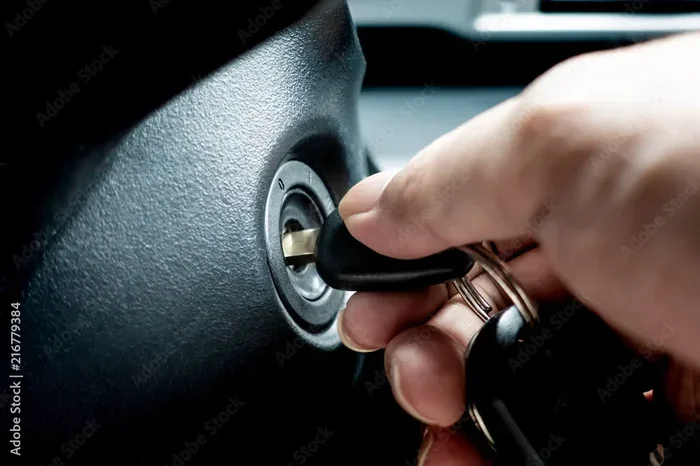
Find the ignition slot. It’s usually located on the steering column, just to the right of the steering wheel. Take your car key and insert it fully into the slot. Make sure it goes in straight and clicks into place.
If the key feels loose or won’t go in, don’t force it. Check that you’re using the correct key. Some cars have a key fob that needs to be pressed against the ignition button instead.
Step 3: Turn the Key to the “On” Position
Now, gently turn the key clockwise. You’ll feel it click into the “on” or “accessory” position first. Don’t turn it all the way yet. The “on” position powers your dashboard lights, radio, and electronics. This step lets the car’s systems prepare for startup.
While in the “on” position, take a second to look at your dashboard. Are there any warning lights? A check engine light or battery warning could signal a deeper issue.
Step 4: Start the Engine
With the key in the “on” position, turn it one more time — firmly but gently — until the engine starts. You’ll hear the starter motor engage and the engine roar to life. Release the key immediately after the engine starts. Don’t hold it in the “start” position for too long. That can damage the starter motor.
Step 5: Let the Engine Idle
Once the engine starts, let it run for a few seconds. In cold weather, give it a little longer. This allows the oil to circulate and the engine to warm up slightly. Then, release the parking brake, check your mirrors, and you’re ready to drive.
Step 6: Remove the Key When Parked
When you park and turn off the engine, remove the key from the ignition. This is a simple habit that prevents accidents. Some modern cars won’t let you remove the key unless the car is fully off and in “Park.”
Common Problems When You Try to Start a Car with a Key
Even when you follow every step, things can go wrong. Here are the most common reasons a car won’t start with a key.
Dead Battery
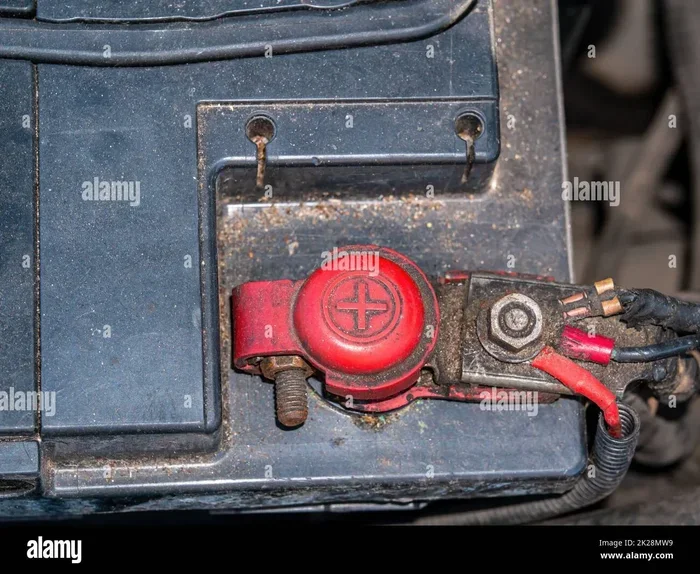
A dead battery is the number one cause of starting failure. Your car key sends a signal to the car’s computer. If the battery is dead, nothing happens. You might hear a clicking sound or see dim dashboard lights.
The fix? Jump-start the battery using jumper cables and another vehicle. Or use a portable jump starter. If the battery is old, consider replacing it entirely.
Faulty Ignition Switch
Over time, the ignition switch can wear out. You might turn the key and hear nothing at all. The dashboard stays dark. This is a sign the ignition switch needs replacement.
Ignition switch problems are common in older vehicles. A mechanic can replace it for a reasonable cost. Don’t keep driving with a bad ignition — it can fail completely.
Immobilizer System Issues
Modern cars have an immobilizer system. It prevents the engine from starting unless it recognizes your key. If the transponder chip inside your key is damaged, the car won’t start even though the key turns.
You might see a security light flashing on the dashboard. Try removing the key, waiting 10 seconds, and reinserting it. If that doesn’t work, you may need a key reprogramming or replacement.
Starter Motor Failure
The starter motor is the engine that starts your car. When it fails, you’ll hear a single click but no engine turnover. A bad starter motor needs professional replacement.
Fuel System Problems
Sometimes the problem isn’t the ignition at all. A clogged fuel filter, failed fuel pump, or empty tank can prevent the engine from starting. If the engine cranks but won’t fire, check your fuel first.
Old Cars vs New Cars: Key Starting Differences
Starting a car with a traditional key is different from starting a modern vehicle. Here’s a comparison to help you understand the differences.
| Feature | Old Cars | New Cars |
|---|---|---|
| Key Type | Simple metal key | Transponder key or key fob |
| Starting Method | Turn key in ignition slot | Press button or insert smart key |
| Immobilizer | Usually none | Yes, requires key recognition |
| Ignition Switch | Mechanical | Electronic |
| Common Problems | Worn ignition, rusted key | Dead battery, faulty transponder |
| Repair Cost | Lower | Higher due to electronics |
How to Start a Car with a Key That Has a Fob
Many modern cars come with a key fob. You don’t insert the fob into the ignition. Instead, you press a button on the dashboard or steering column. But the process still relies on your car key’s transponder chip.
To start the car, press the unlock button on the fob. Then press the “Start” button while stepping on the brake. The car recognizes the fob and allows the engine to start. If the fob battery dies, most cars have a backup slot where you place the fob directly against the start button.
Traditional Key Starting Process
For older vehicles, the process is straightforward. Insert the metal key. Turn it to “on.” Then turn it further to “start.” The engine fires up. There’s no computer system to worry about. However, these mechanical systems can rust or wear down over time.
Quick Tips for Emergency Starting Situations
Sometimes things go wrong at the worst possible time. Here are some quick tips to keep in your back pocket.
Tapping the Starter Motor
If your engine cranks but won’t start, a failing starter motor might be the issue. Have someone tap the starter motor gently with a hammer while you try to start the car. This can temporarily get the motor working. Get to a mechanic as soon as possible.
Jump-Starting Your Car
A dead battery is the most common problem. Here’s how to jump-start:
- Find another vehicle with a working battery.
- Connect the red cable to the positive terminal on both batteries.
- Connect the black cable to the negative terminal on the good battery, then to an unpainted metal surface on your car.
- Start the good vehicle first. Wait a few minutes.
- Try starting your car.
- Disconnect cables in reverse order.
Using a Portable Jump Starter
A portable jump starter is a great tool to keep in your trunk. It’s compact and easy to use. Connect it to your battery, press the start button, and your car fires up. No other vehicle needed. These devices cost around $50-$100 and are worth every penny.
Checking the Gear Shift
Sometimes the car won’t start because the gear shift isn’t fully in “Park.” This happens more often than you’d think. Move the gear shifter firmly into “Park” and try again. For manual cars, make sure you’re in “Neutral.”
How to Maintain Your Car Key and Ignition System
Prevention is always better than cure. Here’s how to keep your car key and ignition system in top shape.
Keep Your Key Clean
Dirt and grime can build up on your key over time. Wipe it down with a soft cloth regularly. For transponder keys, avoid getting water inside the key housing. Use a dry cloth or a small amount of rubbing alcohol on the exterior.
Replace the Fob Battery Regularly
Key fob batteries typically last 1-2 years. If you notice your fob losing range or becoming less responsive, replace the battery immediately. Most fobs use a CR2025 or CR2032 battery. You can replace it yourself with a small screwdriver or visit a locksmith.
Avoid Forcing the Key
If your key won’t turn in the ignition, don’t force it. Forcing can break the key or damage the ignition cylinder. Instead, try gently wiggling the steering wheel while turning the key. Sometimes the steering lock can prevent the key from turning smoothly.
Get a Spare Key Made
Always have a backup key. If you lose your only key, getting a replacement can be expensive — especially for modern transponder keys. A locksmith or your car dealer can make a spare. Keep one at home and one in your bag or wallet.
Schedule Regular Ignition Checkups
Include your ignition system in your regular car maintenance routine. A mechanic can inspect the ignition switch, check wiring, and spot potential problems early. This is especially important for vehicles over five years old.
Expert Insights on Car Key Starting Issues
We asked a professional locksmith about the most common starting problems they see. Here’s what they had to say.
“Most people don’t realize how complex a simple car key can be,” says the expert. “A modern transponder key has a microchip inside it. That chip communicates with your car’s computer. If the chip gets damaged or the battery in the fob dies, the car won’t start — even though the key looks fine.”
The expert recommends carrying a spare fob battery in your wallet or glove box. “It takes 30 seconds to swap it out and saves you a lot of stress,” they added.
They also warn against using aftermarket key fobs. “Cheap replacements might work, but they can cause compatibility issues. Always go with a quality replacement or OEM part.”
Key Takeaways
Let’s wrap up the most important points from this guide:
- Always check the basics first: Gear shift position, brake pedal, fuel level, and battery charge. These small checks prevent most starting issues.
- Know your key type: Traditional metal keys and transponder fobs require different starting methods. Understand which one you have.
- Dead batteries are the top problem: Keep jumper cables or a portable jump starter in your car at all times.
- Don’t force anything: If the key won’t turn, something is wrong. Forcing it causes damage that costs hundreds to repair.
- Regular maintenance matters: Clean your key, replace fob batteries, and schedule ignition checkups to avoid surprises.
- Professional help is available: Locksmiths and mechanics can handle complex key and ignition problems safely.
Conclusion
Knowing how to start a car with a key is more than a skill — it’s peace of mind. Whether you’re dealing with an old mechanical key or a modern transponder fob, the process is straightforward once you understand the steps. Check your basics, follow the starting sequence, and troubleshoot common problems with confidence.
Remember to maintain your key and ignition system regularly. Keep emergency tools like jumper cables and a portable jump starter in your vehicle. And when problems are beyond DIY fixes, don’t hesitate to call a professional.
The road can be unpredictable. But with the right knowledge, you’re always ready. Apply what you’ve learned today, and you’ll never be left stranded again.
Frequently Asked Questions
Why won’t my car start with the key but the lights turn on?
This usually means your battery has enough charge for the lights but not enough to power the starter motor. Try jump-starting the battery. If that doesn’t work, the starter motor or ignition switch might be faulty. A mechanic can diagnose the exact cause quickly.
Can I start a car with a dead key fob?
Yes, most modern cars have a backup method. Place the dead fob against the start button and press it. The car can read the transponder chip even without the fob battery. Some vehicles also allow you to insert a physical backup key into a hidden slot on the steering column.
How do I know if my car key transponder is damaged?
Look for these signs: the security light flashes on your dashboard, the car cranks but won’t start, or the key works sometimes but not consistently. A locksmith or dealer can test and replace a damaged transponder key for you.
What should I do if my key breaks inside the ignition?
Don’t panic. Try to pull the broken piece out gently with tweezers or a small pair of pliers. If you can’t remove it, call a locksmith. They have special tools to extract broken keys without damaging the ignition cylinder. Avoid using glue or tape — these make the problem worse.
How often should I replace my car key fob battery?
Most key fob batteries last between 12 and 24 months. If you notice reduced range or inconsistent performance, replace the battery right away. Keeping a spare fob battery in your car or wallet is a smart habit that prevents unexpected starting failures.
Is it safe to use a non-OEM replacement key?
It depends. Budget replacement keys may work for basic functions like locking and unlocking. However, transponder keys require proper programming to match your car’s immobilizer system. A poorly programmed aftermarket key can cause starting issues or even damage your car’s computer. Always consult a trusted locksmith or dealer for key replacements.