Will My Car Run Better After an Oil and Filter Change
Yes, your car will run better after an oil and filter change. Fresh engine oil and a clean filter restore proper lubrication, reduce friction, and help your vehicle operate at its best. Regular maintenance keeps your engine healthy, improves fuel efficiency, and extends the life of your car.
Key Takeaways
- Better Engine Performance: A clean oil and filter combo reduces friction and helps your engine run smoother.
- Improved Fuel Efficiency: Fresh motor oil allows parts to move more freely, which can save you money at the pump.
- Longer Engine Life: Regular oil and filter changes prevent harmful buildup that causes engine wear over time.
- Quieter Ride: You may notice less engine knock and fewer strange noises after a change.
- Better Oil Pressure: New oil flows more freely through your engine, keeping everything properly lubricated.
- Simple and Affordable: This basic car maintenance task is one of the cheapest ways to protect your vehicle.
📑 Table of Contents
- Will My Car Run Better After an Oil and Filter Change?
- Why Oil and Filter Changes Matter
- Will My Car Actually Run Better After an Oil Change?
- How Often Should You Change Your Oil and Filter?
- Oil Type Matters: Synthetic vs Conventional
- Common Mistakes People Make With Oil Changes
- The Bottom Line: Is It Worth It?
Will My Car Run Better After an Oil and Filter Change?
You might be wondering if a simple oil and filter change can really make a difference. The short answer is yes. When you replace old engine oil and swap out a dirty filter, your car gets a fresh start. Think of it like changing the water in your car’s engine. Over time, oil breaks down and picks up dirt, metal particles, and other gunk. A clean filter catches all that junk before it damages important engine parts.
Many car owners notice a real difference right after this basic service. The engine sounds smoother. The ride feels more responsive. And your vehicle might even get better gas mileage. Will my car go better after an oil and filter change? Absolutely. This is one of the easiest and most affordable ways to keep your vehicle running strong for years to come.
Regular oil change service is the backbone of car maintenance. It takes about 30 minutes at most shops, and the cost is usually quite reasonable. Some people even learn to do it themselves at home. Either way, staying on top of this simple task pays off big time. Let us walk through exactly why this small job has such a big impact on your vehicle.
Why Oil and Filter Changes Matter
Your car’s engine has hundreds of moving parts. These parts spin, slide, and grind against each other at high speeds. Without proper lubrication, all that metal-on-metal contact would destroy your engine in minutes. Oil acts as a protective cushion between these components. It also carries heat away from hot spots inside the engine block.
But oil does not last forever. Heat, pressure, and contamination break it down over time. Old oil becomes thick and gritty. It loses its ability to flow smoothly and protect engine surfaces. This is where the oil filter comes in. The filter traps dirt, metal shavings, and other contaminants that build up in the oil. When the filter gets too full, it can no longer do its job effectively.
What Dirty Oil Does to Your Engine
Dirty oil causes all kinds of problems. It creates more friction between moving parts. That extra friction leads to heat buildup. Over time, this heat wears down engine components faster than they should wear. Sludge can form inside oil passages, blocking the flow of fresh oil to critical areas.
Here are some common signs your engine oil is past its prime:
- Dark or black oil on the dipstick
- Engine noise that sounds louder than usual
- Reduced fuel economy at the gas pump
- Oil pressure warning lights on your dashboard
- Burning oil smell inside or outside the car
- Sluggish acceleration when you press the gas pedal
If you ignore these warning signs, the damage can get serious. In the worst cases, a neglected engine can seize up completely. That kind of repair costs thousands of dollars. A routine oil and filter change costs a fraction of that. It is truly one of the smartest investments you can make in your vehicle.
How a Fresh Filter Helps
The oil filter works quietly behind the scenes. Every time your engine runs, oil passes through this small but important component. The filter catches harmful particles and keeps them from circulating through your engine. A brand-new filter does this job much more effectively than a clogged one.
When you pair a fresh filter with clean oil, the entire engine performance system works better. Oil flows freely to every corner of the engine. Parts stay properly lubricated. Heat dissipates more evenly. The result is a smoother, more responsive driving experience. Many mechanics say the filter change matters just as much as the oil change itself.
Will My Car Actually Run Better After an Oil Change?
This is the question most car owners want answered. And the good news is that the benefits are real and noticeable. Let us break down what happens when fresh oil and a clean filter enter your engine.
Immediate Changes You Can Feel
Right after an oil change service, several things improve almost instantly. The engine runs quieter because fresh oil reduces friction between metal parts. You may notice smoother acceleration and more responsive handling. The engine idle often becomes steadier and more consistent.
Some drivers report a subtle improvement in power delivery. This is especially true if your previous oil was very old or contaminated. The engine does not have to work as hard to overcome the resistance caused by dirty, thick oil. That means better vehicle performance from the moment you drive away from the shop.
Long-Term Performance Benefits
The short-term gains are great. But the real magic happens over time with consistent regular maintenance. Here is what sticking to a proper oil change schedule does for your car in the long run:
- Prevents engine wear. Clean oil keeps metal surfaces from grinding against each other. This preserves critical components like bearings, camshafts, and pistons.
- Improves fuel efficiency. Less friction means your engine uses less fuel to produce the same power. Over time, those savings at the pump add up nicely.
- Extends engine life. Engines that receive timely oil changes regularly last significantly longer. Many vehicles surpass 200,000 miles with proper care.
- Reduces repair costs. Preventing engine damage is always cheaper than fixing it. A simple oil change can help you avoid major engine repairs down the road.
- Maintains resale value. A well-documented maintenance history makes your car more attractive to buyers.
So when you ask, will my car go better after an oil and filter change, remember that the answer goes beyond just today. It is about protecting your investment for the long haul.
How Often Should You Change Your Oil and Filter?
The right oil change interval depends on several factors. Your vehicle make and model, the type of oil you use, and your driving conditions all play a role. The old rule of thumb was every 3,000 miles or three months. Modern cars and oils have changed that picture quite a bit.
Signs Your Oil Needs Changing
Do not just rely on the mileage counter. Pay attention to what your car is telling you. Here are clear signs it is time for an oil change:
- The oil looks dark brown or black on the dipstick
- You hear increased engine noise, especially at startup
- Your check engine light or oil pressure light comes on
- You notice a drop in fuel efficiency
- The oil feels gritty when you rub it between your fingers
- You have driven more than the recommended interval for your vehicle
Oil Change Intervals for Different Vehicles
Always check your owner’s manual for the manufacturer’s recommendation. Here is a general guide:
- Conventional oil: Every 3,000 to 5,000 miles
- Synthetic blend: Every 5,000 to 7,500 miles
- Full synthetic oil: Every 7,500 to 10,000 miles
- Severe driving conditions: Shorten intervals by 20 to 30 percent
Severe driving conditions include stop-and-go traffic, extreme temperatures, towing heavy loads, and frequent short trips. If any of these apply to your driving habits, stick closer to the lower end of the recommended range. Your engine will thank you for it.
Oil Type Matters: Synthetic vs Conventional
Not all motor oil is created equal. The type you choose affects how well your engine performs and how long the oil lasts. Understanding the differences helps you make the best choice for your vehicle.
Which Oil Is Best for Your Car?
Conventional oil is the traditional option. It works well for older vehicles and standard driving conditions. It is also the most affordable choice. However, it breaks down faster and needs more frequent changes.
Synthetic oil is engineered in a lab for superior performance. It flows better in cold weather and handles high temperatures more effectively. Synthetic oil resists breakdown longer, which means you can go farther between changes. Many modern cars come filled with synthetic oil from the factory.
Synthetic blend oil offers a middle ground. It combines conventional and synthetic base oils to deliver better protection than conventional oil alone, at a lower price than full synthetic. This is a solid choice for drivers who want improved performance without the premium cost.
No matter which type you choose, never skip the filter. A new oil filter is just as important as the oil itself. The filter removes contaminants that would otherwise circulate through your engine and cause damage.
Common Mistakes People Make With Oil Changes
Even well-meaning car owners sometimes make mistakes with their engine maintenance routines. Being aware of these pitfalls helps you avoid costly problems.
Skipping the Filter
Some people think they can just drain the old oil and add new oil without replacing the filter. This is a big mistake. The old filter is full of contaminants. If you do not replace it, those particles quickly contaminate your fresh oil. Always change the filter every time you change the oil. It is a small cost that makes a huge difference.
Using the Wrong Oil
Every engine is designed for a specific oil viscosity. Using the wrong weight oil can reduce performance and increase wear. Check your owner’s manual or ask your mechanic. Using the correct motor oil ensures proper lubrication and protection for all engine components.
Ignoring Oil Leaks
After an oil change, always check underneath your car for leaks. A loose drain plug or a poorly seated filter can cause oil to drip out. Low oil levels lead to poor lubrication and potential engine damage. Make it a habit to check your oil level between changes.
The Bottom Line: Is It Worth It?
The evidence is clear. A routine oil and filter change is one of the most impactful things you can do for your vehicle. It improves engine performance, boosts fuel economy, reduces harmful emissions, and extends the overall life of your car. The cost is minimal compared to the potential expense of engine repairs caused by neglected maintenance.
So to answer the question once and for all: will my car go better after an oil and filter change? Yes, without question. Your engine will run smoother, sound quieter, and perform better. You may even notice a slight improvement in how your car feels on the road. Pair this simple service with other regular maintenance tasks, and your vehicle will reward you with reliable transportation for many miles to come.
Do not wait until something goes wrong. Schedule your next oil change today. Your engine deserves clean oil and a fresh filter. And your wallet will thank you for preventing expensive repairs down the road. Take care of your car now, and it will take care of you for years to come.
Frequently Asked Questions
How soon will I notice a difference after an oil change?
Many drivers notice a smoother engine sound and better responsiveness within the first few miles of driving. The full benefits become more apparent over the following days as fresh oil circulates through the entire engine system and does its job properly.
Can an oil change fix a rough idle?
In many cases, yes. Dirty oil can cause inconsistent oil pressure and increased friction, which leads to a rough idle. Fresh oil restores proper lubrication and often smooths out the idle. However, if the rough idle persists after a change, there may be other issues that need attention.
Does an oil change improve gas mileage?
It can. Fresh oil reduces internal friction, which means your engine does not have to work as hard. This improved efficiency can lead to a noticeable boost in fuel economy over time. The savings may be small per tank, but they add up over months and years of driving.
What happens if I change the oil but forget the filter?
The new oil will quickly become contaminated by the old filter, which is full of dirt and debris. This defeats the purpose of the oil change. Always replace the filter at the same time as the oil to ensure your engine stays clean and properly protected.
Is it better to change oil at 3,000 miles or 5,000 miles?
It depends on your oil type and driving conditions. Conventional oil typically needs changing every 3,000 to 5,000 miles. Full synthetic oil can often go 7,500 to 10,000 miles. Check your owner’s manual for the manufacturer’s specific recommendation based on your engine and oil type.
Can I tell if my oil needs changing just by looking at it?
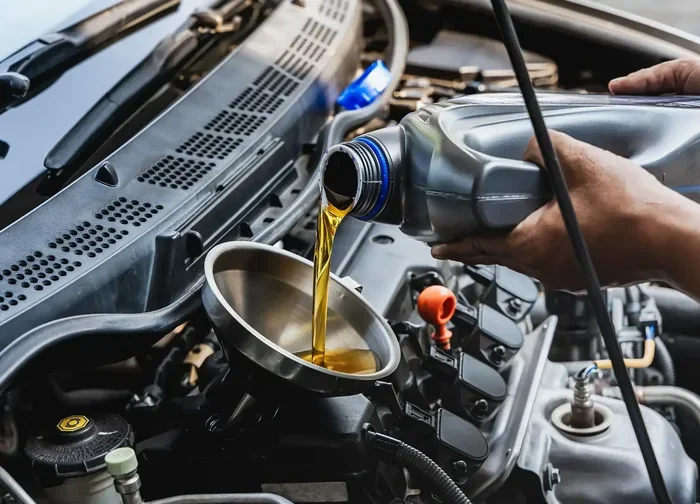
Yes, to some extent. Fresh oil is amber or golden in color. As it ages, it darkens to brown and eventually black. If your oil looks very dark and gritty, it is definitely time for a change. However, color alone is not the only factor. Always consider mileage and driving conditions as well.
=== CONCLUSION ===
A simple oil and filter change is one of the most effective ways to keep your car running at its best. Will my car run better after an oil and filter change? The answer is a resounding yes. From smoother engine operation to better fuel efficiency and longer engine life, the benefits are real and well worth the effort and cost.
Stay consistent with your maintenance schedule. Use the right type of oil for your vehicle. Never skip the filter replacement. These small habits add up to big savings and a healthier engine over the life of your car. Take charge of your vehicle’s care today, and enjoy the confidence that comes from knowing your engine is properly protected.