How to Put Your Car in Neutral with a Dead Battery
Knowing how to put your car in neutral with a dead battery can save you from a stressful roadside situation. Whether you drive an automatic or manual transmission, there are simple methods to shift your gear and get help. This guide covers every safe technique, from using the override button to calling a tow truck. You will learn step-by-step instructions, common mistakes to avoid, and expert tips for preventing a dead battery in the future. Stay safe and prepared with this essential car care knowledge.
Key Takeaways
- Override Button Method: Most automatic cars have a hidden button or slot near the shifter that lets you shift into neutral even without power.
- Manual Transmission Trick: If you drive a manual car, you can simply pull the gear lever into neutral without any electrical help.
- Safety First: Always apply the parking brake and watch for traffic before attempting to move your vehicle.
- Call for Help: A tow truck or roadside assistance is your safest option if you cannot shift into neutral on your own.
- Prevent Future Issues: Regular battery maintenance and checking your ignition switch can help you avoid getting stranded again.
- Keyless Ignition Systems: Newer cars may have a dedicated mechanical shift release for exactly this kind of emergency.
📑 Table of Contents
- How to Put Your Car in Neutral with a Dead Battery
- Method 1: Use the Shift Override Button (Automatic Cars)
- Method 2: Shift a Manual Transmission into Neutral
- Method 3: Call for Roadside Assistance or a Tow Truck
- Common Mistakes to Avoid
- Quick Tips to Prevent a Dead Battery
- What to Do After You Get Your Car Moving
- Expert Insight: What Mechanics Want You to Know
- Key Takeaways
- Conclusion
How to Put Your Car in Neutral with a Dead Battery
There is nothing worse than turning your key or pressing the start button and hearing nothing. Your dead car battery has struck again, and now you are stuck. But here is the good news. You can still put your car in neutral and get it to a safe spot or flag down help. Whether your vehicle has an automatic or manual transmission, there is a simple way to do this. Let us walk through every method so you are never stuck wondering what to do next.
Understanding how your gear shifter works when the power is off is a must-have skill for every driver. It takes just a few minutes to learn, and it could save you a lot of trouble on a cold morning or a dark roadside. In this article, we will cover the safest techniques, common mistakes, and tips from experts who deal with roadside assistance calls every day. By the end, you will feel confident handling this situation like a pro.
Why Does Your Car Battery Die?
Before we dive into the steps, it helps to understand what caused the problem. A dead battery usually happens because something drained it overnight. Maybe you left the lights on. Perhaps your ignition switch has a small fault that keeps pulling power. Cold weather also weakens batteries fast. Old batteries simply lose their charge over time. Whatever the reason, knowing the cause can help you prevent it from happening again.
Sometimes a keyless ignition system draws a small amount of power even when the car is off. This is normal in newer vehicles. But if your battery is already weak, it might not have enough juice the next morning. Regular vehicle maintenance like testing your battery every six months can catch these issues early. A simple battery check at your local auto shop costs very little and gives you peace of mind.
Method 1: Use the Shift Override Button (Automatic Cars)
Most automatic cars built after 2010 have a shift lock override feature. This is a small button or slot hidden near your gear shifter. It lets you bypass the electrical lock and move the lever into neutral. Here is how to find and use it.
Step-by-Step Instructions
First, make sure your parking brake is on tight. This keeps your car from rolling while you work. Next, look at the area around your gear shifter. You will see a small cover or a tiny hole on the side or top of the shifter console. Use a key, a flathead screwdriver, or a pin to press into that hole. You should feel a release mechanism click.
Once the lock releases, you can move the gear lever into the neutral position. It will slide freely without needing electrical power. Now your car is in neutral and you can push it to safety or get it towed. This simple trick works on most Toyota, Honda, Ford, Chevrolet, and Nissan models.
Where Is the Override Button Located?
The location varies by car brand. On many Honda models, it is a small cover on the left side of the shifter. On Ford vehicles, look for a sliding panel near the top of the console. Check your owner manual if you are unsure. The manual will show you the exact spot and how the neutral safety switch works on your specific model.
Method 2: Shift a Manual Transmission into Neutral
If you drive a manual transmission car, you are in luck. You do not need any electrical power to shift into neutral. The gear lever connects directly to the transmission through mechanical linkages. This means you can move it freely even when the battery is completely dead.
Simply press the clutch pedal all the way down. Then move the gear lever into the middle position, which is neutral. You will feel it click between third and fourth gear. That is neutral. Your manual gearbox does not rely on any electronic sensors to change gears, so this method always works.
This is one reason manual cars are easier to handle in emergency situations. Even with a dead battery, you can push-start a manual car or get it to the side of the road. Just remember to keep the parking brake engaged until you are ready to move.
Method 3: Call for Roadside Assistance or a Tow Truck
Sometimes the easiest and safest option is to call for help. A professional tow truck driver knows exactly how to handle a car with a dead battery. They can safely load your vehicle onto their flatbed and transport it to a repair shop or your home.
Many insurance policies include roadside assistance coverage. Check your policy before you need it. Services like AAA, Allstate, or your car manufacturer’s roadside program can send a technician to jump-start your battery or tow you to a nearby mechanic. This is especially helpful if you are on a busy highway or in an area that feels unsafe.
When to Call Instead of Try It Yourself
You should call for help if you feel unsure about any of the steps. If your car is in a dangerous location, like a busy highway or a steep hill, do not try to push it. Safety always comes first. A towing service can arrive quickly and handle the situation with the right equipment. It is better to spend a little money than to risk an accident.
Common Mistakes to Avoid
When your car will not start, panic can set in fast. People make mistakes they normally would not. Here are the most common errors to watch out for when trying to put your car in neutral.
- Forgetting the parking brake: Always set the parking brake before you do anything. A car rolling on its own is extremely dangerous.
- Forcing the shifter: Do not yank or force the gear lever. You could damage the transmission linkage and create a bigger problem.
- Trying to start the car repeatedly: Each attempt drains what little charge remains in your battery. Walk away and try the override method instead.
- Ignoring the keyless ignition release: If you have a push-button start car, look for a mechanical shift release. Many drivers do not know this exists.
- Staying in traffic: If you are on a road with cars, try to move to the shoulder or a parking lot before attempting any of these steps.
Quick Tips to Prevent a Dead Battery
Prevention is always better than cure. A little effort can keep your battery healthy and your mornings stress-free. Here are some simple habits that make a big difference.
- Turn off all lights and accessories before you shut off the engine. This includes the radio, headlights, and phone chargers.
- Get your battery tested twice a year. Most auto parts stores do this for free. They can tell you if your battery is weakening.
- Drive your car regularly. A car that sits unused for weeks will lose charge faster. Take it for a short drive at least once a week.
- Clean the battery terminals. Corrosion on the battery posts can reduce power flow. A simple wipe with a baking soda solution helps a lot.
- Replace old batteries on time. Most car batteries last three to five years. If yours is older, consider a replacement before it leaves you stranded.
- Keep jumper cables in your trunk. You never know when you or someone else will need a jump start. It is a small investment for big peace of mind.
What to Do After You Get Your Car Moving
Once your car is in neutral and you have moved it to a safe location, the next step is to address the root problem. A dead battery means you need to recharge or replace it. Here is what to do next.
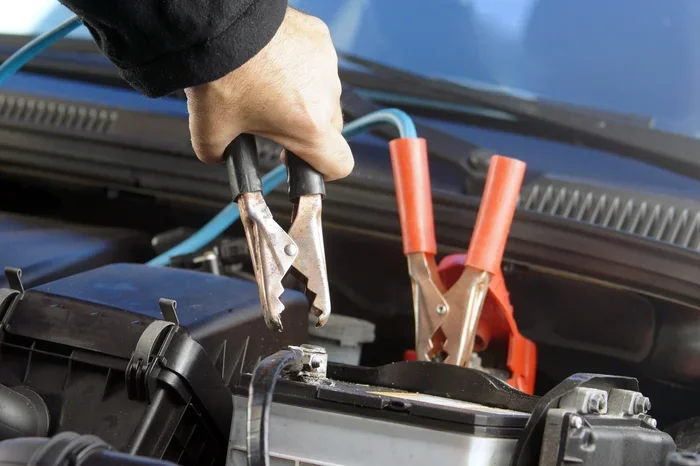
If you have jumper cables and another vehicle nearby, ask someone to jump start your car. Connect the red clamp to the positive terminal, the black clamp to the negative terminal, and let the working battery charge yours for a few minutes. Once the engine starts, drive it for at least 20 minutes to recharge the battery. If the battery is too old or damaged, a jump start will only give you a temporary fix. You will need a replacement soon.
You should also check your alternator if your battery keeps dying. The alternator charges your battery while you drive. A faulty alternator will drain even a new battery quickly. A mechanic can test this for you in minutes. Taking care of these follow-up steps ensures you do not end up in the same situation again.
Expert Insight: What Mechanics Want You to Know
Experienced auto technicians see this situation all the time. According to many roadside professionals, the number one thing drivers should know is that a neutral safety switch is designed to prevent the car from starting in gear. But it also locks the shifter when there is no power. Understanding this simple fact takes the mystery out of the whole process.
Many mechanics also recommend keeping a copy of your owner manual in the glove box. You never know when you will need to check the location of the shift override. Some newer cars also have a mechanical key slot hidden in the keyless ignition fob. Inserting this key can release the shifter lock in an emergency. These small details make a huge difference when you are stuck and stressed.
Another expert tip is to stay calm. Most people who find themselves with a dead battery can solve the problem in under ten minutes once they know the right steps. Practice finding your shift override button now, when you are not in a panic. It takes seconds and could save you a lot of frustration later.
Key Takeaways
- Override Button Method: Most automatic cars have a hidden button or slot near the shifter that lets you shift into neutral even without power.
- Manual Transmission Trick: If you drive a manual car, you can simply pull the gear lever into neutral without any electrical help.
- Safety First: Always apply the parking brake and watch for traffic before attempting to move your vehicle.
- Call for Help: A tow truck or roadside assistance is your safest option if you cannot shift into neutral on your own.
- Prevent Future Issues: Regular battery maintenance and checking your ignition switch can help you avoid getting stranded again.
- Keyless Ignition Systems: Newer cars may have a dedicated mechanical shift release for exactly this kind of emergency.
Conclusion
Knowing how to put your car in neutral with a dead battery is one of the most useful skills every driver should have. It is simple, fast, and can get you out of a tough spot in minutes. Whether you use the shift override button, manually shift a standard transmission, or call for professional help, the important thing is that you have a plan. Preparation and a little knowledge go a long way toward keeping you safe on the road.
Take a few minutes today to locate your shift lock override. Check your battery health. Keep jumper cables in your trunk. These small actions can prevent big headaches down the road. Stay safe, stay prepared, and remember that a dead battery is never the end of the road. It is just a small detour on your journey.
Frequently Asked Questions
Can I put my car in neutral without pressing the override button?
For most automatic cars, you need to press the shift lock override to release the shifter. However, if you have a manual transmission, you can simply move the gear lever into neutral without any extra steps. Always check your owner manual for your specific model.
Is it safe to push a car with a dead battery?
It can be safe if you take the right precautions. Make sure the parking brake is off, the car is in neutral, and the road is clear. Only push the car to a safe location away from traffic. Never push a car on a steep hill by yourself.
How long does it take to jump-start a dead battery?
A proper jump start usually takes about five to ten minutes. Connect the cables correctly, let the working vehicle charge the dead battery for a few minutes, then try starting the engine. If it does not start after a few tries, your battery may need replacement.
What should I do if my keyless ignition car will not shift into neutral?
Many keyless ignition cars have a mechanical release slot near the shifter. Look for a small cover or hole and insert a thin object like a key or paperclip to release the lock. Check your owner manual for the exact location on your vehicle model.
How often should I replace my car battery?
Most car batteries last between three and five years. Get your battery tested every six months after the three-year mark. If a test shows it is weakening, replace it before it dies completely. This prevents unexpected breakdowns.
Can a dead battery damage my car’s electrical system?
A dead battery itself usually does not damage the electrical system. However, repeatedly trying to start the car with a weak battery can strain the alternator. If your battery keeps dying, have a mechanic check both the battery and the alternator to avoid further damage.