Mazda Turn Off Istop
The Mazda i-stop system is a smart auto start-stop feature that shuts off your engine at idle to save fuel. Many drivers want to know how to turn off Mazda i-stop, especially when it feels annoying or causes issues. This guide covers everything you need about the Mazda i-stop system, including how to disable it, common problems, and expert tips for keeping it running smoothly.
You are driving your Mazda through city traffic. You come to a stoplight. The engine goes quiet. Then, when you lift your foot off the brake, the engine roars back to life. This is the Mazda i-stop system at work. It is a clever piece of technology designed to cut your engine at idle and save fuel. But many Mazda owners find themselves asking one simple question: how do I turn off Mazda i-stop?
Whether you find the system annoying, it keeps triggering when you do not want it to, or you are just curious about how it works, this guide has you covered. We will walk you through everything you need to know about the Mazda i-stop system. From understanding how it works to fixing common problems, you will find clear, practical answers here.
Key Takeaways
- Easy to disable: You can turn off Mazda i-stop with a simple button press on most models.
- Saves fuel: The system reduces idle time and improves overall fuel economy.
- Common issues exist: Problems like sensor faults or battery weakness can cause i-stop malfunctions.
- Reset is simple: Most i-stop issues can be resolved with a quick reset or basic maintenance.
- Works best with healthy components: A well-maintained battery and engine keep the system running properly.
- Not all models are the same: Different Mazda vehicles handle i-stop slightly differently.
📑 Table of Contents
- What Is Mazda i-Stop?
- How Does the Mazda i-Stop System Work?
- How to Turn Off Mazda i-Stop
- Common Mazda i-Stop Problems and How to Fix Them
- Benefits of Mazda i-Stop Technology
- Expert Tips for Mazda i-Stop Maintenance
- Mazda i-Stop vs. Other Auto Start-Stop Systems
- Common Mistakes Mazda Owners Make with i-Stop
- Final Thoughts on Mazda i-Stop
What Is Mazda i-Stop?
The Mazda i-stop system is an auto start-stop technology built into many modern Mazda vehicles. When you stop at a red light or sit in heavy traffic, the system automatically shuts off the engine. This eliminates idle time. When you are ready to move again, the engine restarts instantly.
This technology is part of Mazda’s broader effort to improve fuel economy and reduce emissions. It is not a full hybrid system like what you find in Toyota or Honda vehicles. Instead, it is a smart engine management feature that uses the car’s existing components in a clever way.
Which Mazda Models Have i-Stop?
Not every Mazda comes with i-stop. The feature is typically found on models equipped with SkyActiv engines. Here are some common ones:
- Mazda3 with SkyActiv-G engines
- Mazda CX-5 with SkyActiv-G or SkyActiv-X engines
- Mazda6 with SkyActiv-G engines
- Mazda CX-30 in certain trims
- Mazda CX-90 and newer models
If your Mazda has a SkyActiv engine, there is a good chance it includes i-stop. You can confirm by looking for the i-stop button on your dashboard or steering column.
How Does the Mazda i-Stop System Work?
Understanding how the system works helps you appreciate why it sometimes behaves the way it does. The Mazda i-stop system relies on several sensors and components working together seamlessly.
The Engine Restart Process
When you come to a complete stop and keep your foot on the brake, the i-stop system engages. Here is what happens step by step:
- The system detects that the car is stationary.
- It checks that the engine is at the right operating temperature.
- The battery has enough charge to support a restart.
- The engine shuts off automatically.
- When you release the brake or press the accelerator, the engine restarts instantly.
All of this happens in less than a second. The system uses a strong starter motor and a reliable battery to make the restart smooth and quick. This is different from older auto stop-start systems that felt sluggish and rough.
Why Mazda Chose This Approach
Mazda designed i-stop to be different from other brands. Instead of relying on a complex hybrid setup, Mazda uses the existing engine and electrical system. This keeps costs down and makes the system more reliable over time. The Mazda fuel saving benefits are real too. Studies show that i-stop can improve fuel economy by up to 10 percent in city driving conditions.
How to Turn Off Mazda i-Stop
If you want to know how to turn off Mazda i-stop, the good news is that it is simple on most models. The i-stop system is designed to be driver-controllable. You are not stuck with it always running.
Step-by-Step: Disabling i-Stop
Here is how you can disable the system:
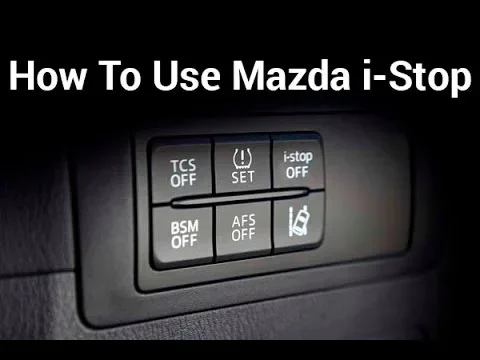
- Locate the i-stop button. It is usually found on the left side of the steering column or near the gear shift. Look for a button with the i-stop symbol.
- Press the button. A light on the dashboard will turn on or off to confirm the change.
- Check the indicator. When i-stop is off, the dashboard warning light will illuminate. This tells you the system is disabled.
Keep in mind that the i-stop system usually resets every time you start the engine. This means you may need to press the button again each time you get behind the wheel. Some newer Mazda models remember your last setting, but this depends on the model year and trim level.
When You Might Want to Turn It Off
There are several situations where disabling i-stop makes sense:
- You are stuck in traffic for a long time and do not want the engine cycling on and off.
- The weather is very cold and you want the engine to warm up faster.
- You are towing a trailer or carrying a heavy load.
- The battery is low and you want to conserve charge.
- You simply do not like the feeling of the engine restarting.
Turning it off is perfectly fine. Mazda designed the system to be optional, so you are always in control.
Common Mazda i-Stop Problems and How to Fix Them
While the Mazda i-stop system is generally reliable, it can sometimes cause issues. Understanding these problems helps you address them quickly and avoid costly repairs.
i-Stop Won’t Engage or Disengage
This is one of the most common complaints. The i-stop system may refuse to shut off the engine at idle, or it may not restart when you lift your foot off the brake.
Common causes include:
- The engine has not reached the correct operating temperature.
- The battery charge is too low to support a restart.
- A sensor is malfunctioning or sending incorrect data.
- The air conditioning system is demanding too much power.
Quick fix: Check your battery health first. A weak battery is the number one reason i-stop fails to work. If the battery is fine, have a mechanic scan for error codes using a diagnostic tool.
Warning Lights on the Dashboard
If you see a flashing or steady i-stop warning light, it means the system has detected a problem. Do not ignore this. Common reasons for the warning light include:
- Battery degradation: The battery cannot hold enough charge for i-stop operation.
- Starter motor issues: The starter motor wears out over time and may need replacement.
- Sensor faults: The brake light switch or crank angle sensor may be failing.
- Software glitches: A simple reset or update can sometimes fix this.
Expert tip: If the i-stop light comes on, do not panic. The system is designed to fall back to normal engine operation. Your car will still drive fine. But you should get the issue checked out at your next service appointment.
Engine Restarts Feel Rough or Loud
Some Mazda owners notice that the engine restart feels harsh or makes more noise than expected. This can be unsettling, especially in quiet cabins.
Possible reasons:
- The engine mount is worn and does not absorb vibrations well.
- The battery is weak, causing the starter motor to work harder.
- The i-stop system has not been calibrated properly.
Quick tip: If the rough restart is new, start by checking the battery. A fresh battery often resolves this issue immediately. If the problem persists, inspect the engine mounts and starter motor.
i-Stop Does Not Work in Cold Weather
Many Mazda owners notice that i-stop stops working when temperatures drop. This is actually by design. The system needs the engine to be at a certain temperature before it will shut off. In cold weather, the engine takes longer to warm up, so i-stop engages less frequently or not at all.
This is normal behavior and not a malfunction. Once the engine reaches operating temperature, i-stop should resume working normally.
Benefits of Mazda i-Stop Technology
Even if you sometimes want to turn it off, the i-stop system offers real benefits. Here is why Mazda invested in this technology.
Improved Fuel Economy
The biggest benefit of i-stop is better fuel economy. Idling wastes fuel. Every minute your engine runs while the car is stationary burns gasoline for zero distance. i-stop eliminates this waste. Over time, the fuel savings add up, especially if you drive mostly in cities or on congested routes.
Reduced Emissions
Less idling means fewer emissions. The i-stop system helps Mazda meet stricter environmental standards. It also means your car contributes less to air pollution in urban areas. This is a win for both you and the environment.
Quieter Cabin at Idle
When i-stop is working properly, you get a quiet cabin at traffic lights. No engine rumble. No vibrations. Just silence until you are ready to move. This creates a more pleasant driving experience, especially in stop-and-go traffic.
Expert Tips for Mazda i-Stop Maintenance
Keeping your i-stop system in good shape is easier than you might think. A few simple habits go a long way.
Keep Your Battery Healthy
The i-stop system puts extra demand on your battery. The battery needs to power the engine restart quickly and reliably. Here is how to maintain it:
- Have the battery tested at every service appointment.
- Replace the battery every 4 to 5 years, or sooner if you notice slow cranking.
- Avoid leaving electronics on when the engine is off.
- Drive the car regularly to keep the battery charged.
Use the Right Engine Oil
Mazda recommends specific oil grades for SkyActiv engines. Using the wrong oil can affect how smoothly i-stop operates. Always check your owner’s manual and follow the recommended oil change schedule.
Address Warning Lights Promptly
If the i-stop warning light comes on, do not put off the repair. Ignoring it can lead to bigger problems. A quick diagnostic scan at a Mazda dealership or trusted mechanic can save you time and money in the long run.
Reset the System After Maintenance
After any electrical work or battery replacement, the i-stop system may need a reset. In most cases, simply turning the car off and back on does the trick. If not, a diagnostic tool can clear any stored error codes and recalibrate the system.
Mazda i-Stop vs. Other Auto Start-Stop Systems
How does Mazda’s i-stop compare to similar systems from other brands? Here is a quick look at the differences.
| Feature | Mazda i-Stop | Toyota Hybrid Synergy | Honda Intelligent Idle Stop |
|---|---|---|---|
| System Type | Engine-only stop-start | Full hybrid system | Engine-only stop-start |
| Fuel Savings | Up to 10% in city driving | Up to 30-40% overall | Up to 8-10% in city driving |
| Engine Restart Speed | Under 1 second | Instant (electric motor) | Under 1 second |
| Battery Type | Standard lead-acid or AGM | Hybrid battery (NiMH or Li-ion) | Standard lead-acid or AGM |
| Can Driver Disable It? | Yes | Depends on model | Yes |
| Complexity | Low | High | Low |
Mazda’s approach is simpler and more affordable than a full hybrid system. It delivers meaningful fuel savings without the added cost and complexity of a hybrid powertrain. For many drivers, this makes i-stop the best of both worlds.
Common Mistakes Mazda Owners Make with i-Stop
Avoid these mistakes to keep your i-stop system running smoothly:
- Ignoring the warning light. The i-stop warning is there for a reason. Address it early.
- Using the wrong battery. Not all batteries support i-stop. Always use the type recommended by Mazda.
- Forgetting to turn i-stop back on. If you disable it for a short trip, remember to re-enable it afterward to enjoy the fuel savings.
- Skipping regular maintenance. The i-stop system depends on a healthy engine, battery, and sensors. Keep up with your service schedule.
- Assuming i-stop means your car is a hybrid. Mazda i-stop is not a hybrid system. It works with the conventional engine and does not have electric-only driving capability.
Final Thoughts on Mazda i-Stop
The Mazda i-stop system is a smart, effective feature that helps you save fuel and reduce emissions. Whether you want to keep it running or learn how to turn off Mazda i-stop, understanding how the system works puts you in control. The system is easy to use, simple to disable, and straightforward to maintain.
If you run into issues, most problems have simple solutions. Check the battery first. Look for warning lights. Keep up with regular maintenance. And remember that the system is designed to be driver-friendly. You are always in charge.
With the right care and attention, your Mazda i-stop system will continue to serve you well for years to come. Enjoy the fuel savings, the quieter rides, and the peace of mind that comes with knowing your car is working smarter, not harder.
Frequently Asked Questions
Can I permanently turn off Mazda i-stop?
Yes, you can disable i-stop by pressing the i-stop button on your dashboard. However, the system usually resets to on every time you restart the engine. This means you need to press the button again each time you start driving. Some newer Mazda models may remember your preference, so check your owner’s manual for details.
Why does my Mazda i-stop keep turning off by itself?
The i-stop system automatically disables itself when conditions are not right. This can happen if the battery is low, the engine temperature is too high or too low, or the air conditioning system needs full power. These are normal safety features, not malfunctions. If the system turns off frequently, have your battery and sensors checked.
Does turning off i-stop hurt my Mazda engine?
No, turning off i-stop will not harm your engine in any way. The system is designed to be completely optional. When i-stop is off, your Mazda operates exactly like a car without the feature. You can switch it on and off as often as you like without any negative effects.
How do I reset the Mazda i-stop system after a battery replacement?
After replacing the battery, simply turn the ignition off and then back on. The i-stop system should recalibrate automatically. If the warning light stays on, you may need to use a diagnostic tool to clear any error codes. A Mazda dealership or qualified mechanic can do this quickly and affordably.
Is Mazda i-stop the same as a hybrid system?
No, Mazda i-stop is not a hybrid system. It is a simple engine stop-start feature that shuts off the gasoline engine at idle. It does not use an electric motor to propel the car. The system works with your existing engine and battery to improve fuel economy without the complexity of a full hybrid powertrain.
What should I do if the i-stop warning light stays on?
A steady i-stop warning light usually indicates a fault in the system. Start by checking the battery condition. If the battery is healthy, the issue may be a faulty sensor, a problem with the starter motor, or a software glitch. Have a professional mechanic run a diagnostic scan to identify the exact cause and fix it promptly.
=== CONCLUSION ===
The Mazda i-stop system is a valuable feature that helps you get more miles out of every tank of fuel. Whether you want to keep it running or learn how to turn off Mazda i-stop, this guide has given you everything you need to know. From understanding how the system works to troubleshooting common problems, you are now equipped to handle the i-stop system with confidence.
Remember to keep your battery healthy, stay on top of maintenance, and use the system in a way that fits your driving style. With a little care, your Mazda i-stop will continue to deliver smooth, efficient performance for the long haul. Apply these tips today and enjoy a better driving experience tomorrow.