The Ultimate Guide to Choosing the Right Tint for Windows
Choosing the right tint for your windows can transform your home, car, or office. This guide covers every type of tint, from ceramic to dyed, so you can make a smart choice. You will learn about benefits, legal limits, and installation tips that save you time and money.
Choosing the right tint for your windows can feel overwhelming. There are so many options, colors, and percentages to consider. Whether you want to beat the summer heat, protect your furniture, or add privacy, the right window tint makes a huge difference.
This guide walks you through everything you need to know. We break down each type of tint, explain the benefits, and help you avoid common mistakes. By the end, you will feel confident picking the perfect tint for your space.
Window tint is not just a cosmetic upgrade. It is a practical investment that pays off in comfort, energy savings, and protection. Let us dive in and explore your options.
Key Takeaways
- Multiple tint types exist: ceramic, carbon, dyed, metalized, and hybrid films each offer unique benefits for different needs.
- Tint percentage matters: visible light transmission (VLT) determines how much light passes through and affects privacy and legality.
- UV protection is a major benefit: quality window film blocks up to 99% of harmful UV rays that cause skin damage and fade furniture.
- Know your local laws: every state and country has specific window tinting laws that dictate how dark your tint can be.
- Professional vs DIY: professional installation gives better results, but DIY kits work well for small projects with patience.
- Energy savings add up: the right solar heat rejection tint can lower cooling costs by up to 30% in hot climates.
📑 Table of Contents
- What Is Window Tint and Why Does It Matter?
- Types of Window Tint Films
- Understanding Tint Percentage and VLT
- Benefits of Tinting Your Windows
- Window Tinting Laws You Must Know
- DIY vs Professional Tint Installation
- Common Mistakes to Avoid When Choosing Tint
- How to Maintain Your Window Tint
- Conclusion
What Is Window Tint and Why Does It Matter?
Window tint is a thin film applied to glass surfaces. It comes in rolls or pre-cut pieces designed for specific windows. People use tint for cars, homes, and offices. The film works by reflecting or absorbing sunlight before it enters your space.
The science behind tint is simple. The film contains layers that block infrared rays and ultraviolet radiation. Some tints also reduce visible light. This combination creates a more comfortable indoor environment.
Here is why tint matters so much:
- Heat reduction: tint blocks solar heat and keeps interiors cooler.
- UV protection: it filters out up to 99 percent of harmful UV rays.
- Glare control: tinted windows reduce eye strain from direct sunlight.
- Privacy: darker films prevent people from seeing inside during the day.
- Security: some window films hold shattered glass together.
- Energy savings: less heat gain means lower air conditioning bills.
Without tint, your windows act like a greenhouse. Sunlight pours in, heats up your rooms, and fades your carpets and curtains. A good tint film solves all of these problems at once.
Types of Window Tint Films
Not all tint is created equal. Different film types use different materials and technologies. Each one has its own strengths and weaknesses. Let us look at the most popular options available today.
Ceramic Tint
Ceramic tint is the premium choice. It uses nano-ceramic particles that block heat without interfering with electronic signals. This means your GPS, phone, and radio work perfectly through ceramic-tinted windows. It offers excellent solar heat rejection and a natural, non-reflective look.
Ceramic tint is also the most expensive option. However, many people feel it is worth the investment. The performance and durability are unmatched by other film types.
Carbon Tint
Carbon window film has a sleek, matte finish. It blocks a high percentage of infrared heat and does not fade over time. Carbon tint does not contain metal, so it also avoids signal interference. It is a great middle-ground option between ceramic and dyed films.
The color stays rich for years. You will not see the purple tinting that sometimes appears with cheaper films. Carbon tint holds up well against sun exposure and daily wear.
Dyed Tint
Dyed tint is the most affordable option. It uses dye layers to absorb heat and reduce light transmission. The look is classic and dark, which many people prefer for privacy.
However, dyed tint has drawbacks. It fades over time and may turn purple. It also offers less heat rejection compared to ceramic or carbon films. If budget is your main concern, dyed tint gets the job done.
Metalized Tint
Metalized tint contains tiny metal particles that reflect heat. It is very durable and adds strength to the glass. The reflective finish gives windows a shiny, mirror-like appearance.
The downside is that metalized tint can block radio and cell signals. It also tends to have a more reflective look that some people find too bold. It is a solid choice if you want durability and do not mind the shine.
Hybrid Tint
Hybrid tint combines dye and metal layers. It offers a balance of heat rejection, clarity, and affordability. The reflective effect is less noticeable than pure metalized tint. Hybrid films work well for people who want a good mix of performance and price.
Understanding Tint Percentage and VLT
Tint percentage refers to visible light transmission, or VLT. This number tells you how much light passes through the film. A lower percentage means a darker tint. A higher percentage means more light comes through.
Here is a quick breakdown:
- 5 percent VLT: very dark, almost no light passes through. Often used for privacy on dark-tinted cars.
- 20 percent VLT: moderately dark. Good balance of privacy and visibility.
- 35 percent VLT: light tint. Popular for residential windows and front car windows.
- 50 percent VLT: very light. Blocks some heat and glare while keeping views clear.
- 70 percent VLT and above: nearly clear. Used for UV protection without darkening the room.
When choosing your tint percentage, think about your goals. Do you want maximum privacy? Go darker. Do you want to keep your view? Choose a lighter percentage. The right balance depends on your personal preference and your local laws.
How to Choose the Right Tint Percentage
Start by asking yourself what you need most. If you are tinting a car, check your state’s window tinting laws first. Many states limit front side windows to 70 percent VLT or higher. Rear windows can usually go darker.
For homes, darker tints work well on west-facing windows that get harsh afternoon sun. Lighter tints suit east-facing windows that receive morning light. Consider the room’s purpose too. A bedroom may need more privacy than a living room.
Benefits of Tinting Your Windows
The benefits of window tint go far beyond looks. People who invest in quality tint notice real improvements in their daily lives. Here are the top advantages you can expect.
Heat and Energy Savings
Solar heat rejection is one of the biggest perks of window tint. A good film blocks a large portion of the sun’s heat before it enters your home or car. This keeps your interior cooler and more comfortable.
When your rooms stay cooler, you rely less on air conditioning. That means lower energy bills every month. In hot climates, the savings can really add up over a year. Many homeowners report a noticeable drop in their cooling costs after tinting.
UV Protection for Health and Home
The sun’s ultraviolet rays cause serious damage over time. They fade your furniture, carpets, curtains, and wooden floors. They also increase your risk of skin cancer with prolonged exposure.
Quality window film blocks up to 99 percent of UV radiation. This protects both your family’s health and your belongings. Your interiors look newer for longer when you add UV-blocking tint.
Glare Reduction
Glare from the sun can make driving dangerous and working uncomfortable. Tinted windows cut down on this glare significantly. You can watch TV, use your computer, or drive without squinting all day.
Less glare also means less eye strain and fatigue. If you work from home near a sunny window, tint can make a big difference in your comfort and productivity.
Privacy and Security
Tinted windows make it harder for people outside to see in. This gives you and your family more privacy during the day. You can enjoy your space without worrying about prying eyes.
Some window films also add an extra layer of security. They help hold glass pieces together if a window breaks. This can deter break-ins and protect your home from storm damage.
Window Tinting Laws You Must Know
Before you buy or install tint, you need to know the rules. Every state and country has its own window tinting laws. These rules control how dark your tint can be and which windows you can tint.
Breaking these laws can lead to fines and even tickets. In some places, you may be asked to remove your tint entirely. That is why understanding the rules before you start is so important.
Common Rules for Car Window Tint
Most states allow darker tint on rear windows and the windshield’s top strip. Front side windows usually must let in more light. Here are some general guidelines:
- Front side windows: often require 70 percent or higher VLT.
- Rear side windows: can usually go as dark as 20 percent VLT.
- Rear windshield: many states allow darker tint if dual side mirrors are present.
- Windshield: typically only the top few inches can be tinted.
Always check your specific state or local regulations. The rules can vary widely from one place to another. When in doubt, consult a professional tint installer who knows the local laws well.
Residential and Commercial Tint Laws
For homes and offices, tint laws are usually less strict. Many places allow you to tint any window to your preference. However, some neighborhoods or homeowners associations may have rules about exterior window appearances.
Commercial buildings sometimes face additional regulations. Historic districts or listed buildings may restrict tint color or reflectivity. Always check with your local authorities before tinting a commercial property.
DIY vs Professional Tint Installation
You have two main options when it comes time to install your tint. You can do it yourself or hire a professional. Each approach has its pros and cons. Your choice depends on your budget, skill level, and the project size.
DIY Window Tinting
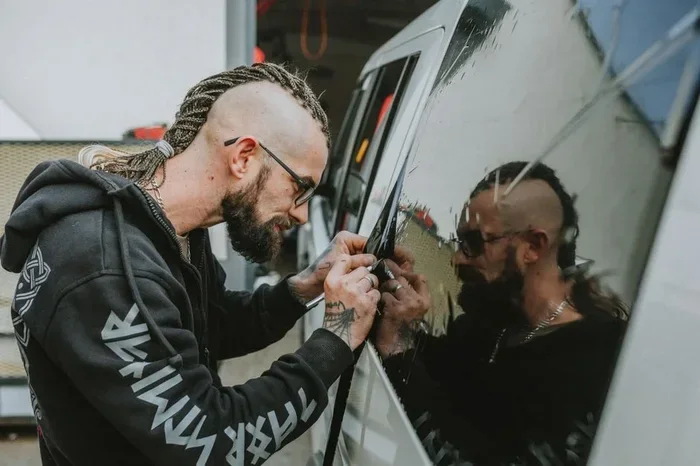
DIY tint kits are widely available and affordable. You can buy pre-cut films for specific vehicles or window sizes. The process involves cleaning the glass, applying the film with a soapy solution, and smoothing out bubbles with a squeegee.
DIY works well for small projects and simple windows. It saves you money on labor costs. However, it takes patience and practice. If you rush the process, you may end up with bubbles, wrinkles, or peeling edges.
Professional Tint Installation
Professional installers have the tools, experience, and training to do the job right. They use high-quality films and specialized equipment. The result is a smooth, bubble-free finish that lasts for years.
Professional installation costs more upfront. But the quality and durability are worth it for many people. You also get a warranty that covers bubbling, peeling, and fading. For large projects or complex windows, hiring a pro is usually the smarter choice.
Quick Tips for the Best Results
- Choose a reputable installer: read reviews and ask for references.
- Check the warranty: good installers offer at least a five-year warranty.
- Avoid tinting in humid weather: moisture can affect adhesion and cause bubbling.
- Let the film cure fully: keep windows rolled up for at least three to five days after installation.
- Clean with care: use non-ammonia cleaners and soft cloths to protect the film.
Common Mistakes to Avoid When Choosing Tint
Even with the best intentions, people often make mistakes when choosing window tint. Avoiding these pitfalls saves you money, frustration, and time. Here are the most common errors to watch out for.
Skipping legal research: buying the darkest tint without checking local laws is a recipe for trouble. You could face fines or be forced to remove your tint.
Choosing price over quality: cheap dyed films fade quickly and offer poor heat rejection. Investing in a better film pays off in the long run.
Ignoring the warranty: always ask about the warranty before you buy. A good warranty protects you against bubbling, peeling, and discoloration.
Not considering your climate: if you live in a hot, sunny area, prioritize solar heat rejection. If you live in a cooler climate, you may want a lighter tint that still blocks UV rays.
Forgetting about signal interference: metalized and some hybrid tints can block cell and GPS signals. If you rely on these technologies, choose a non-metal option like ceramic or carbon.
Applying tint in bad conditions: humidity, dust, and direct sunlight during installation all lead to poor results. The best installation happens in a clean, climate-controlled environment.
How to Maintain Your Window Tint
Once your tint is installed, proper care keeps it looking great for years. The good news is that tint maintenance is simple and easy.
Wait at least three to five days before rolling down your windows or cleaning the film. This gives the adhesive time to cure fully. After that, clean your tinted windows regularly with a soft cloth and a gentle, ammonia-free cleaner.
Avoid using abrasive sponges or rough towels. These can scratch the film surface. If you notice small bubbles forming, do not panic. Small bubbles usually disappear as the film continues to cure. Larger bubbles may need professional attention.
Keep your tinted windows away from direct heat sources during the first few weeks. Parking in shaded areas helps the film cure more evenly and last longer.
Conclusion
Choosing the right tint for your windows does not have to be complicated. With the right knowledge, you can pick a film that fits your needs, your budget, and your local laws. Whether you go with ceramic, carbon, dyed, or hybrid tint, the benefits are clear. You get better comfort, energy savings, UV protection, and privacy.
Take your time, do your research, and choose a quality film from a trusted brand. Whether you install it yourself or hire a professional, the right tint will serve you well for many years to come. Invest in window tint today and enjoy a cooler, safer, and more comfortable space tomorrow.
Start by identifying your priorities. Decide what matters most to you. Then pick the tint type and percentage that matches those goals. Your windows will thank you for it.
Frequently Asked Questions
What is the best tint percentage for a car?
It depends on your state laws and personal preference. Many people choose 35 percent VLT for front windows and 20 percent for rear windows. Always check your local window tinting laws before making a decision.
How long does window tint last?
Quality tint films last between five and ten years with proper care. Ceramic and carbon tints tend to last the longest. Dyed tints may fade sooner, usually within three to five years.
Can I tint my windows myself?
Yes, DIY tint kits are available for most window sizes. They work well for simple, flat windows. For curved car windows or large glass surfaces, professional installation usually gives better results.
Does window tint block UV rays?
Yes, most quality window films block up to 99 percent of UV radiation. This protects your skin and prevents fading of furniture, carpets, and curtains inside your home or car.
Is window tinting worth the cost?
Absolutely. The energy savings, UV protection, glare reduction, and added privacy make tinting a smart investment. Many homeowners and car owners see the value within the first year alone.
What should I look for when choosing a tint installer?
Look for experience, positive reviews, and a solid warranty. A good installer uses high-quality films and follows proper installation techniques. Ask about their training and the brands they carry before you commit.