How to Maintain a Car Battery and Keep It Running Strong
Discover simple and effective ways how to maintain a car battery so it stays reliable for years. This guide covers everything from cleaning terminals and testing voltage to knowing when a battery replacement is needed. You will learn practical car battery tips that save money and keep your vehicle starting every time.
Your car battery works hard every single day. It powers the starter, keeps your lights on, and runs all the electronics you rely on. Yet most people only think about it when something goes wrong. How to maintain a car battery is one of the simplest things you can do to avoid unexpected breakdowns. A little care goes a long way toward extending your battery’s lifespan and keeping your vehicle reliable. This guide walks you through every step of proper battery care, from cleaning terminals to testing voltage and knowing when it is time for a battery replacement.
Whether your car sits in a hot garage or faces freezing winters, car battery maintenance keeps everything running smoothly. You do not need to be a mechanic to follow these steps. With a few basic tools and a regular routine, you can protect your investment and save money. Let us dive into the practical car battery tips that make a real difference.
Key Takeaways
- Clean terminals prevent corrosion: Regular cleaning with baking soda keeps battery terminals free of buildup and ensures strong connections.
- Test voltage monthly: A simple multimeter check reveals battery health before it becomes a problem on the road.
- Drive regularly to stay charged: Your alternator recharges the battery, so consistent driving prevents a dead battery.
- Protect against cold weather: A battery blanket or maintainer charger helps in freezing temperatures and extends car battery life.
- Replace on schedule: Most batteries last 3 to 5 years. Planning ahead saves you from unexpected breakdowns.
- Follow a battery maintenance schedule: A written routine keeps you consistent and catches small issues before they grow.
📑 Table of Contents
Why Car Battery Maintenance Matters
Many drivers take their battery for granted until the car refuses to start. Understanding why battery maintenance is important helps you stay ahead of problems. A well-maintained battery can last five years or more. Neglected batteries often fail in two or three years. The difference comes down to one thing: consistent care.
When you maintain a car battery properly, you also protect other parts of your vehicle. Corrosion can eat away at cable connections. A weak battery puts extra strain on the alternator. Over time, these small problems add up into expensive repairs. Simple car battery maintenance prevents that chain reaction.
What Happens When You Ignore Your Battery
Corrosion builds up on terminals over time. This reduces the connection between your battery cables and the battery itself. Eventually, your car may not start at all. Acid leaks can damage the battery tray and surrounding components. Battery corrosion is one of the most common causes of starting problems, and it is entirely preventable with regular care.
Another hidden danger is parasitic draw. When electrical components slowly drain your battery overnight, the damage builds over weeks. You might not notice it at first, but one morning your car simply will not turn over. Regular battery testing catches parasitic draw before it leaves you stranded.
The Real Cost of a Dead Battery
A dead battery means towing costs, inconvenience, and often an expensive battery replacement. The average cost of a new car battery ranges from 100 to 250 dollars. Add towing and labor, and you could spend 300 dollars or more. Regular car battery maintenance costs almost nothing but a few minutes of your time each month.
- Average battery lifespan: 3 to 5 years with proper care
- Average cost of neglect: 100 to 300 dollars for a dead battery and towing
- Time needed for maintenance: 10 to 15 minutes per month
- Cost of a battery tester: 15 to 30 dollars for a basic multimeter
How to Inspect Your Battery Regularly
Regular inspection is the foundation of good car battery maintenance. You do not need special skills or expensive tools. A quick visual check every month can catch problems early and help you maintain a car battery that lasts for years. Think of it like brushing your teeth for your car.
Visual Checks You Should Do Monthly
Pop the hood and look at your battery. Check for any cracks in the plastic case. Look at the battery terminals for white, blue, or greenish buildup. This is corrosion, and it needs to be addressed. Also, check that the battery cables are tight and free of fraying. A loose cable can cause intermittent starting problems that are hard to diagnose.
Do not forget to check the battery fluid levels if your battery has removable caps. The electrolyte level should cover the lead plates inside. Low fluid levels expose the plates to air, which causes damage and reduces battery health. If the fluid is low, add distilled water carefully. Never overfill, and never use tap water.
What to Look for During Inspection
Here is a simple checklist for your monthly battery testing routine:
- Check the battery case for cracks or bulging
- Inspect terminals for white or greenish corrosion
- Make sure cables are tight and secure
- Verify the battery is firmly held in place
- Check the battery fluid levels and top off with distilled water if needed
- Look for any acid leaks around the base
- Check the manufacture date to track battery age
Quick Tips: Wear gloves and safety glasses when inspecting your battery. Acid on your skin can cause burns. If you notice a strong sulfur smell near the battery, stop and seek professional help immediately. Always work in a well-ventilated area.
Common Mistakes: Many people skip the monthly inspection because it seems unimportant. Another mistake is using a metal wrench to tighten cables without cleaning the terminals first. This can create sparks near battery acid. Always clean terminals before reconnecting cables.
Cleaning Battery Terminals the Right Way
Clean battery terminals are essential for good electrical connection. Over time, acid vapor creates a crusty buildup that blocks current flow. Cleaning your terminals is one of the most important car battery tips you can follow. A battery terminal cleaner tool makes this job quick and easy.
Materials You Will Need
Gathering your supplies before you start makes the job much easier. Here is what you need:
- Baking soda and warm water
- An old toothbrush or wire brush
- A battery terminal cleaner tool
- Wrench or pliers for cable connections
- Anti-corrosion spray or petroleum jelly
- Clean rags or paper towels
- Distilled water for rinsing
Step-by-Step Cleaning Process
First, turn off your engine and remove the keys. Disconnect the negative cable first, then the positive. This prevents short circuits. Mix baking soda with warm water to create a paste. Apply it to the corroded terminals and let it sit for a few minutes. Use your toothbrush to gently scrub away the buildup. Rinse with a little distilled water and dry thoroughly with a clean rag.
Reconnect the positive cable first, then the negative. Finally, apply a thin coat of anti-corrosion spray or petroleum jelly to protect the terminals. This simple routine takes less than 15 minutes and dramatically improves your battery health. For a deeper clean, use a dedicated battery terminal cleaner tool that reaches into the crevices around the posts.
Common Mistakes: Never use a steel wool pad on battery terminals. It can scratch the metal and make corrosion worse. Also, never let baking soda paste sit on the battery for too long, as it can dry and become hard to remove. Always disconnect the negative cable first to avoid sparks near the battery. Never let baking soda or water drip inside the battery case.
Quick Tip: After cleaning, apply a thin layer of petroleum jelly to the terminals. This creates a barrier against moisture and slows down future corrosion. Reapply it every time you clean the terminals for best results.
Testing Battery Health and Voltage
Knowing your battery’s condition helps you act before it fails. Battery testing is simple and gives you peace of mind. You can do it at home or visit a shop for a professional check. Testing your battery voltage regularly is one of the smartest car battery tips you can follow.
Using a Multimeter for Battery Testing
A digital multimeter is an affordable tool that measures battery voltage. Set it to DC volts and touch the red probe to the positive terminal and the black probe to the negative terminal. A healthy battery should read 12.6 volts or higher when the engine is off. If it reads below 12.4 volts, your battery may be weakening. A reading below 12.0 volts means the battery needs charging or replacement.
You can also test the voltage while the engine is running. A healthy alternator should produce 13.7 to 14.7 volts. If the reading is lower, your alternator may not be charging the battery properly. If it is higher, it may be overcharging, which also damages the battery. Both situations need attention.
When to Get a Professional Load Test
While a multimeter gives you a good baseline, a professional load test provides a more complete picture. Auto parts stores often offer free load testing. They attach a load device to your battery and measure how well it holds voltage under stress. This test reveals problems that a simple voltage check might miss.
Many service centers also use electronic battery analyzers. These devices test cold cranking amps (CCA), reserve capacity, and overall battery condition. The results give you a detailed report on your battery health and help you decide whether a battery replacement is coming soon.
| Testing Method | Cost | Accuracy | Best For |
|---|---|---|---|
| DIY Multimeter Test | 15 to 30 dollars for the tool | Good for voltage checks | Quick monthly checks at home |
| Professional Load Test | Free at most auto parts stores | Very accurate under load | Comprehensive health assessment |
| Electronic Battery Analyzer | Free at many service centers | Excellent, tests CCA and capacity | Detailed battery report |
Expert Insight: “The best time to test your battery is before extreme weather hits,” says certified mechanic Sarah Lin. “Cold weather reduces battery capacity by up to 35 percent. Testing in late fall gives you time to act before winter arrives. A simple battery testing routine saves hundreds of dollars in towing and replacement costs.”
Common Mistakes: Many people test their battery only after it has already died. By then, the damage is done. Another mistake is testing right after driving, which gives a falsely high reading. Always test after the car has sat for at least an hour for the most accurate results.
Extending Battery Life with Simple Habits
Good habits make a huge difference in how long your battery lasts. These simple car care tips can add years to your battery lifespan and help you maintain a car battery that performs reliably. Small daily actions lead to big results over time.
Drive Your Car Regularly
Your battery charger is actually your alternator. When you drive, the alternator recharges the battery. If your car sits idle for days or weeks, the battery slowly loses charge. Try to drive your car for at least 15 to 20 minutes every few days. Short trips around the block are not enough to fully recharge the battery. Take a longer drive when you can to give the battery a proper charge.
If you have a second car or a vehicle you only drive occasionally, consider using a battery charger with a maintainer mode. These smart devices keep your battery at full charge without overcharging it. They are especially helpful for seasonal vehicles or cars stored in a garage during winter.
Manage Parasitic Draw
Parasitic draw happens when electrical components continue to pull power from the battery after you turn off the engine. Common culprits include interior lights, aftermarket electronics, and faulty relays. To check for parasitic draw, use a multimeter in series with the negative battery cable. A normal parasitic draw should be below 50 milliamps. Anything higher may indicate a problem that drains your battery overnight.
If you find excessive parasitic draw, start by unplugging aftermarket devices one at a time. Aftermarket GPS units, dash cams, and phone chargers are common offenders. Once you identify the source, you can fix or replace it to protect your battery health.
Protect Against Cold Weather Battery Problems
Cold weather is a battery’s worst enemy. Low temperatures reduce the battery’s ability to hold a charge and make starting harder. If you live in a cold climate, consider using a battery blanket or battery charger with a maintainer mode. These devices keep your battery warm and charged during long periods of inactivity. Parking in a garage or covered area also helps protect against cold weather battery issues.
A cold weather battery blanket wraps around the battery and keeps it warm during freezing nights. A battery maintainer charger plugs into a wall outlet and keeps a steady trickle charge. Together, these tools are a powerful defense against winter starting problems and help extend your car battery life.
Secure the Battery with a Hold-Down
Vibration is a silent killer of car batteries. A loose battery can crack its case and damage internal plates. Always make sure your battery hold-down clamp is tight. If your vehicle does not have one, install a battery hold-down bracket. This simple car battery tips prevents vibration damage and extends your battery’s life significantly.
Check the hold-down during every inspection. Over time, rubber bushings wear out and the clamp can loosen. A tight battery hold-down also prevents the battery from shifting during sharp turns or sudden stops, which protects both the battery and your vehicle.
Key Takeaways:
- Drive regularly: At least 15 to 20 minutes every few days keeps your battery charged.
- Check for parasitic draw: Anything above 50 milliamps may drain your battery overnight.
- Use a battery blanket: Essential for cold climates to maintain battery health.
- Secure the battery: A tight hold-down prevents vibration damage and internal cracks.
- Follow a maintenance schedule: A written battery maintenance schedule keeps you consistent.
When to Replace Your Car Battery
Even with the best care, every battery eventually reaches the end of its battery lifespan. Knowing the warning signs helps you avoid being stranded. Replacing your battery proactively is always cheaper and less stressful than dealing with a sudden failure. A smart driver plans ahead.
Warning Signs Your Battery Is Failing
Watch for these clear signs that your battery needs attention:
- The engine cranks slowly when you turn the key
- Your headlights dim when the engine is idling
- The battery case looks swollen or cracked
- You need frequent jump starts to get going
- The check engine or battery warning light is on
- The battery is more than three years old and struggling
- You notice a rotten egg smell coming from the engine area
If you notice any of these signs, get your battery tested right away. Many auto parts stores will test it for free. Catching a failing battery early gives you time to choose the right replacement without the stress of a sudden breakdown.
Choosing the Right Replacement Battery
When it is time for a battery replacement, match the new battery to your vehicle’s specifications. Check your owner’s manual for the correct group size, cold cranking amps (CCA), and reserve capacity. Buy from a reputable brand with a strong warranty. A good warranty often indicates the manufacturer stands behind the quality of their product.
Consider your climate when choosing a new battery. If you live in a cold area, look for a battery with higher CCA ratings. If you live in a hot climate, choose one with a strong heat-resistant design. Extreme heat is just as damaging as extreme cold, and the right battery makes a big difference in car battery life.
After installing a new battery, reset any electronic settings and take a longer drive to allow the alternator to fully charge the new battery. Proper battery maintenance of your new unit starts from day one. Keep up with the same cleaning and testing routine you followed with your old battery.
Quick Tips for Battery Replacement: Always recycle your old battery properly. Most auto parts stores accept used batteries for recycling. Never dispose of car batteries in household trash. The lead and acid inside can harm the environment. Keep your receipt and warranty card in a safe place for future reference. Set a reminder on your phone for the new battery’s expected end date.
Key Takeaways
- Regular inspection prevents problems: Check your battery monthly for cracks, corrosion, and loose cables to maintain a car battery in top shape.
- Clean terminals ensure good connections: Use baking soda and a toothbrush to remove corrosion from battery terminals safely.
- Test voltage regularly: A simple multimeter check keeps you informed about your battery health before it fails.
- Drive regularly to stay charged: Your alternator recharges the battery, so take longer drives when possible.
- Protect against cold weather: A battery blanket or maintainer charger helps in freezing temperatures.
- Replace on schedule: Most batteries last 3 to 5 years. Plan ahead to avoid being stranded.
- Follow a maintenance routine: A consistent battery maintenance schedule saves time, money, and hassle.
How to maintain a car battery does not have to be complicated or time-consuming. With just a few simple habits, you can keep your battery healthy and your car running strong. Start with monthly inspections, clean your terminals, and test your voltage regularly. These small efforts add up to a longer-lasting battery and fewer surprises on the road. Take charge of your car battery maintenance today, and your future self will thank you every time you turn the key.
Frequently Asked Questions
How often should I check my car battery?
You should inspect your battery at least once a month. A quick visual check takes only a few minutes and helps you catch corrosion, loose cables, or fluid leaks early. Testing voltage with a multimeter every three months gives you a more detailed picture of your battery health.
Can I use tap water to fill my battery?
No, always use distilled water. Tap water contains minerals and chemicals that can build up inside the battery and damage the internal plates. Distilled water is pure and safe for topping off your battery fluid levels without causing harm.
How long does a car battery typically last?
Most car batteries last between three and five years with proper care. Extreme temperatures, frequent short trips, and neglect can shorten that lifespan. Following a consistent battery maintenance schedule helps you get the full life out of your battery.
What causes battery corrosion?
Battery corrosion is caused by acid vapor escaping from the battery and reacting with the metal terminals. It often happens due to overcharging, loose connections, or aging battery cases. Regular cleaning and anti-corrosion spray can prevent buildup and keep your connections strong.
Is it safe to clean battery terminals myself?
Yes, it is safe as long as you follow the right steps. Always wear gloves and safety glasses. Disconnect the negative cable first, clean with a baking soda solution, and rinse with distilled water. Never let cleaning solution drip inside the battery, and never use metal tools that can cause sparks.
What should I do if my car battery dies in cold weather?
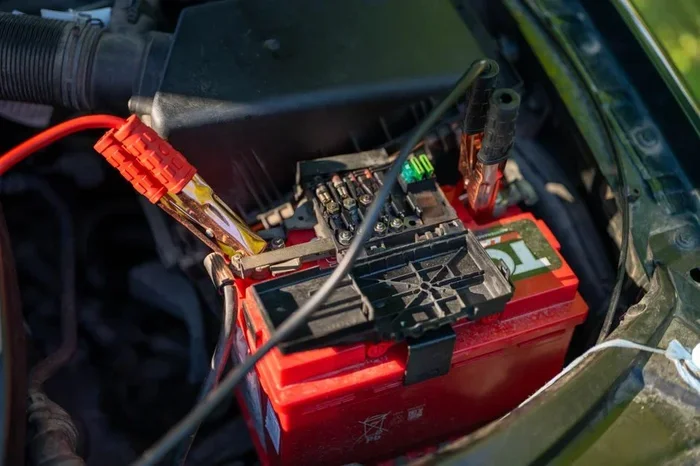
First, try a jump start using jumper cables and a working vehicle. If that does not work, your battery may be too damaged from the cold. In the future, use a battery blanket or maintainer charger to protect against cold weather battery failure. Keeping your battery charged and warm is the best prevention.