Which Is the Better Oil for Your Car Engine Performance
Choosing the better oil for your car engine performance can boost fuel economy, reduce wear, and extend engine life. This guide breaks down synthetic, conventional, and high-mileage oils so you can pick the right one with confidence. You will learn about viscosity grades, oil change intervals, and expert tips that actually work.
Every car owner faces the same question at some point: which is the better oil for keeping the engine running strong? The answer is not as simple as grabbing the cheapest bottle off the shelf. Your engine depends on the right motor oil to reduce friction, manage heat, and prevent harmful buildup over time.
Choosing the better oil for car engine health can feel overwhelming with so many options on the market. Synthetic blends, full synthetic, conventional, and high-mileage formulas all promise something different. This guide cuts through the confusion and gives you clear, practical advice you can use right away.
We will walk through each oil type, explain what the numbers on the label mean, and help you match the right product to your vehicle. Whether you drive a daily commuter or a weekend warrior, the right oil choice makes a real difference. Let us dive in and find out what works best for your engine.
Key Takeaways
- Synthetic oil offers superior engine protection and lasts longer than conventional options, making it ideal for most modern cars.
- Conventional oil is budget-friendly and works well for older vehicles with simpler engine designs.
- Oil viscosity matters more than most drivers realize — choosing the right thickness affects performance in all weather conditions.
- High-mileage oil helps reduce leaks and smoke in vehicles with over 75,000 miles on the odometer.
- Regular oil changes are the single best thing you can do for long-term engine health and reliability.
- Always check your owner’s manual before switching oil types or brands.
📑 Table of Contents
Understanding the Different Types of Motor Oil
Not all oils are created equal. The type you choose directly impacts engine performance, fuel efficiency, and long-term durability. Here is a closer look at the main categories available today.
Conventional Oil
Conventional oil is the most basic and widely used type. It is refined directly from crude oil and provides standard engine protection for everyday driving. This option works well for older vehicles with simpler engine designs and normal driving conditions.
Most drivers choose conventional oil because it is affordable and readily available. However, it breaks down faster under high heat and needs more frequent changes. If you drive short trips in moderate weather, conventional oil can still do the job effectively.
Synthetic Oil
Full synthetic oil is engineered in a lab for maximum thermal stability and consistent performance. It resists breakdown at extreme temperatures and flows smoothly even in cold starts. This makes it the top choice for turbocharged engines and high-performance vehicles.
Synthetic oil also contains advanced oil additives that clean internal engine parts and reduce sludge buildup. Many manufacturers now recommend synthetic oil for new vehicles because it provides the best overall engine wear protection. The upfront cost is higher, but the longer oil change interval offsets the price over time.
Synthetic Blend Oil
A synthetic blend combines conventional and synthetic oils to offer a balance of performance and affordability. It provides better cold weather oil flow than pure conventional options while costing less than full synthetic. This is a solid middle-ground choice for drivers who want improved protection without a big price jump.
High-Mileage Oil
If your vehicle has over 75,000 miles, high-mileage oil deserves serious consideration. It contains special seal conditioners that help reduce leaks and engine smoke. The oil additives in high-mileage formulas also condition rubber seals and gaskets that dry out over time.
This type of oil is thicker than standard formulas, which helps maintain proper oil pressure in older engines with more internal clearance. It is not just for old cars — some newer vehicles with higher mileage also benefit from this specialized formula.
Synthetic vs Conventional Oil: The Big Debate
The debate between synthetic and conventional oil comes down to protection, cost, and convenience. Both options have loyal supporters, and both have valid use cases. Let us break down the key differences so you can make an informed decision.
| Feature | Synthetic Oil | Conventional Oil |
|---|---|---|
| Engine Protection | Superior — resists breakdown at high temps | Good — standard protection for normal driving |
| Oil Change Interval | Up to 10,000–15,000 miles | Every 3,000–5,000 miles |
| Cold Weather Performance | Excellent — flows quickly on startup | Moderate — slower flow in cold conditions |
| Cost per Change | Higher upfront cost | More affordable |
| Best For | Modern engines, turbocharged, extreme driving | Older engines, light-duty driving |
| Fuel Efficiency | Slightly better due to lower friction | Good — meets standard expectations |
| Thermal Stability | Very high — resists oxidation | Moderate — breaks down faster under heat |
Most car experts agree that synthetic oil is the better oil for car engine longevity. It simply lasts longer, protects better, and performs more consistently across a wider range of conditions. However, if you have an older vehicle with low annual mileage, conventional oil remains a perfectly valid choice.
Quick Tips: Making the Right Choice
- Check your owner’s manual — it lists the manufacturer’s recommended oil type and viscosity.
- Consider your driving habits — stop-and-go traffic and extreme temperatures demand stronger oil.
- Do not mix oil types — stick with one type per oil change for consistent results.
- Look for API certification — this ensures the oil meets industry standards for quality.
- When in doubt, go synthetic — the extra cost pays for itself through fewer changes and better protection.
Oil Viscosity Explained: What Those Numbers Mean
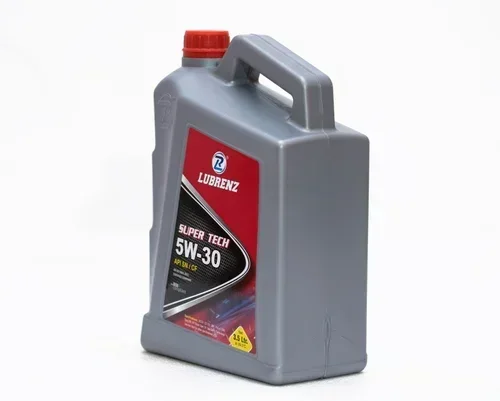
Every oil bottle displays a viscosity rating like 5W-30 or 10W-40. These numbers tell you how the oil flows at different temperatures. Understanding oil viscosity is one of the most important steps in choosing the better oil for car engine performance.
The First Number: Cold Weather Rating
The “W” stands for winter. The number before it (like the 5 in 5W-30) tells you how the oil flows in cold temperatures. A lower number means the oil stays thinner and flows faster during a cold start. This is crucial because most engine wear happens in the first few seconds after ignition when oil has not yet reached all moving parts.
The Second Number: Hot Weather Rating
The number after the dash tells you the oil’s thickness at operating temperature. A higher number means the oil stays thicker when hot, which provides a stronger protective film between engine components. Hot weather oil with a higher second number works well in warm climates and for vehicles that tow heavy loads.
Using the wrong viscosity can lead to poor oil pressure, increased engine wear, and reduced fuel efficiency. Always follow your manufacturer’s recommendation first, then adjust based on your climate and driving conditions.
Common Mistakes Drivers Make with Viscosity
- Using a thicker oil than recommended — this can reduce fuel economy and strain the oil pump.
- Using a thinner oil than recommended — this may not provide enough protection under heavy load.
- Ignoring seasonal changes — switching to a different viscosity for winter and summer can optimize performance.
- Assuming all 5W-30 oils are the same — different brands use different additive packages that affect real-world performance.
How Often Should You Change Your Oil?
The oil change interval depends on the type of oil you use and how you drive. Old advice said every 3,000 miles, but modern oils and engines can go much longer. Here is what you need to know.
Full synthetic oil typically lasts between 7,500 and 15,000 miles before needing a change. Conventional oil usually requires replacement every 3,000 to 5,000 miles. Synthetic blends fall somewhere in the middle at around 5,000 to 7,500 miles.
Your driving style also plays a big role. If you frequently drive in stop-and-go traffic, tow heavy loads, or operate in extreme heat or cold, your oil degrades faster. These are called “severe driving conditions” and they shorten the oil change interval significantly.
The best approach is to monitor your oil pressure and check the oil level regularly. Use the dipstick to inspect the color and consistency. Dark, gritty oil signals it is time for a change, even if you have not hit the mileage mark yet.
Signs Your Engine Needs Fresh Oil
Your vehicle gives clear warning signs when the oil is past its prime. Ignoring these signals can lead to costly repairs and serious engine wear. Watch for these indicators:
- Dark or dirty oil on the dipstick — fresh oil is amber and translucent; old oil turns dark brown or black.
- Engine noise or knocking — worn oil loses its ability to cushion metal parts, causing increased friction and noise.
- Oil pressure warning light — this dashboard alert means your oil level or pressure is dangerously low.
- Burning oil smell inside the cabin — this could indicate a leak or oil degradation that needs immediate attention.
- Reduced fuel efficiency — old, dirty oil creates more internal friction, causing your engine to work harder and use more fuel.
- Exhaust smoke — blue or gray smoke often signals oil burning in the combustion chamber.
Catching these signs early can save you from major engine damage. When you notice any of these symptoms, schedule an oil change and inspect the oil filter at the same time. A clogged filter restricts oil flow and reduces the effectiveness of even the best motor oil.
Expert Tips for Maximum Engine Performance
Getting the better oil for car engine is only half the battle. How you maintain and use it matters just as much. These expert-backed tips will help you get the most out of every oil change.
1. Always Replace the Oil Filter
A fresh oil filter keeps contaminants out of your engine performance system. Reusing an old filter defeats the purpose of putting in clean oil. Make it a habit to replace the filter every single time you change the oil.
2. Warm Up Your Engine Gently
Modern engines do not need long warm-up periods, but a gentle 30-second idle lets the oil circulate and reach all critical components. This simple habit reduces engine wear during the most vulnerable phase of operation.
3. Keep a Maintenance Log
Track every oil change, including the date, mileage, oil type, and brand. This record helps you spot patterns and stay on top of your maintenance schedule. It also adds resale value if you ever decide to sell the vehicle.
4. Do Not Overfill the Oil
Too much oil can cause foaming, which reduces lubrication and increases pressure on engine seals. Always fill to the level indicated on the dipstick and never exceed the maximum mark.
5. Use Quality Oil Additives Sparingly
Most modern oils already contain the right blend of oil additives for engine protection. Adding extra additives can sometimes do more harm than good by altering the oil’s chemical balance. Stick with a trusted brand and let the formula work as designed.
Key Takeaways
- Synthetic oil provides the best overall protection and is the top recommendation for most modern vehicles.
- Conventional oil remains a cost-effective choice for older cars and light-duty driving.
- Oil viscosity directly impacts performance in both cold and hot weather — always match it to your driving conditions.
- High-mileage oil helps older engines maintain proper seal integrity and reduce leaks.
- Regular oil changes are non-negotiable for long engine life and reliable engine performance.
- Check your oil level monthly and watch for warning signs like dark color, noise, or reduced fuel economy.
Conclusion
Finding the better oil for car engine performance does not have to be complicated. The right choice depends on your vehicle type, driving conditions, budget, and long-term goals. For most drivers today, full synthetic oil delivers the best combination of protection, efficiency, and value over time.
Conventional oil still has its place, especially for older vehicles and budget-conscious owners. High-mileage oil fills an important niche for vehicles with significant wear and higher odometer readings. And understanding oil viscosity ensures you get the right thickness for every season and driving scenario.
The bottom line is simple: invest in quality motor oil, stick to a consistent oil change interval, and never underestimate the power of fresh, clean lubrication. Your engine works hard for you every day — giving it the right oil is the least you can do in return. Start with the tips in this guide, and you will notice the difference in how your car runs, feels, and performs on the road.
Frequently Asked Questions
Is synthetic oil really worth the extra cost?
Yes, synthetic oil provides significantly better engine protection and lasts much longer than conventional oil. The higher upfront cost is offset by fewer oil changes and improved fuel efficiency over time.
Can I switch from conventional to synthetic oil?
Absolutely. Switching to the better oil for car engine performance is safe and often beneficial. Just make sure to change the oil filter during the switch and follow the manufacturer’s recommended viscosity grade.
How do I know which oil viscosity my car needs?
Check your vehicle’s owner manual — it lists the recommended oil viscosity for your specific engine. You can also find this information on the oil fill cap under the hood.
Does oil really degrade over time even if I drive less?
Yes, oil breaks down naturally due to moisture absorption and oxidation, even with low mileage. This is why most manufacturers recommend changing oil at least once a year regardless of mileage.
What happens if I use the wrong oil in my engine?
Using the wrong oil can cause poor oil pressure, increased engine wear, reduced fuel economy, and in severe cases, engine damage. Always match the oil type and viscosity to your manufacturer’s specifications.
How can I tell if my oil needs changing between scheduled intervals?
Check the oil color and consistency on the dipstick. Dark, gritty oil with a burnt smell indicates it is time for a change. Also watch for engine noise, reduced fuel efficiency, or the oil pressure warning light on your dashboard.